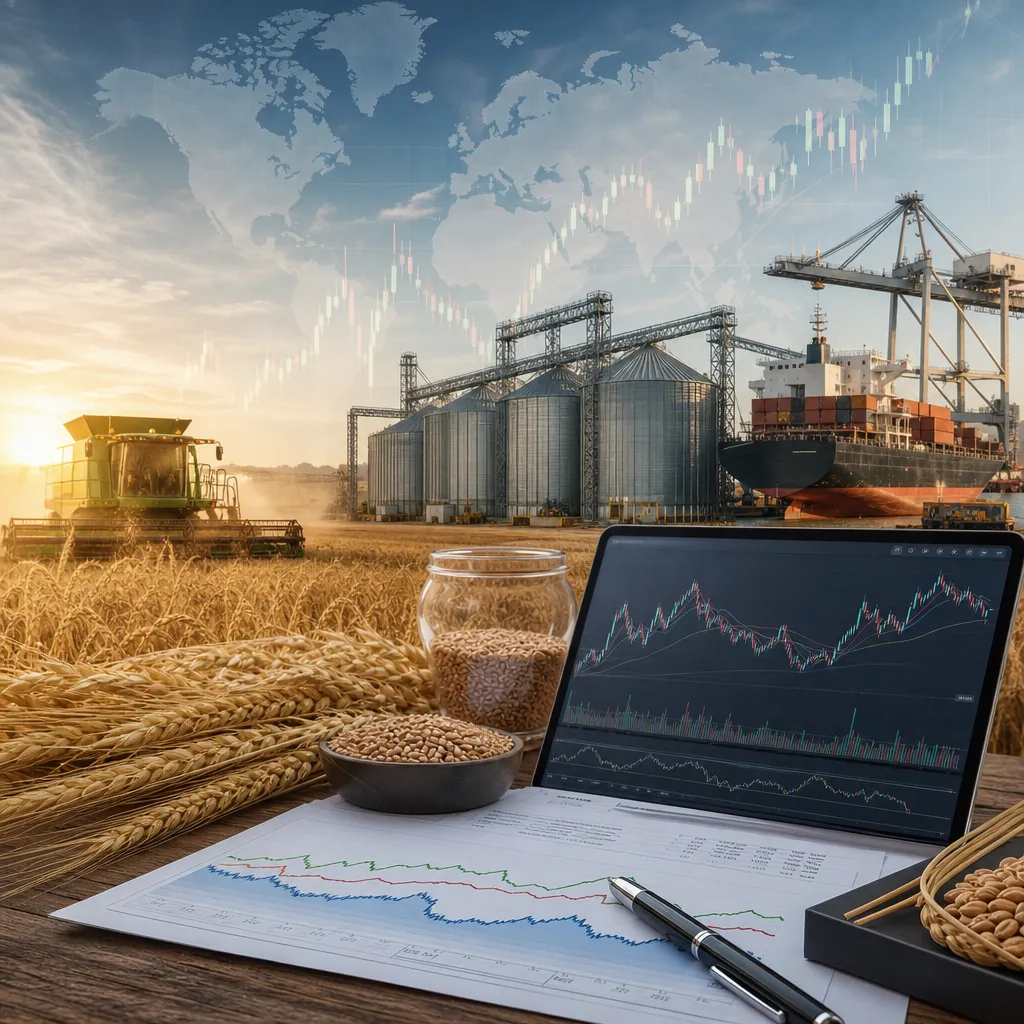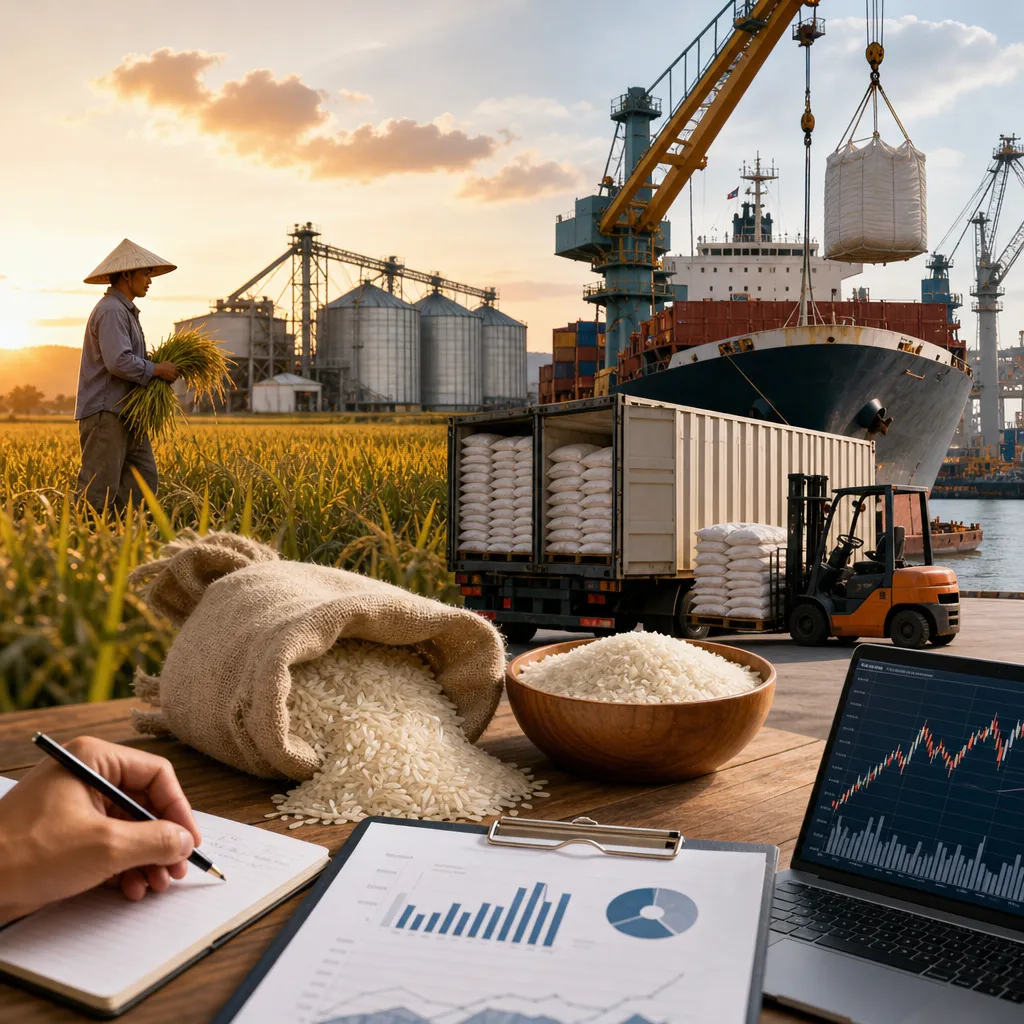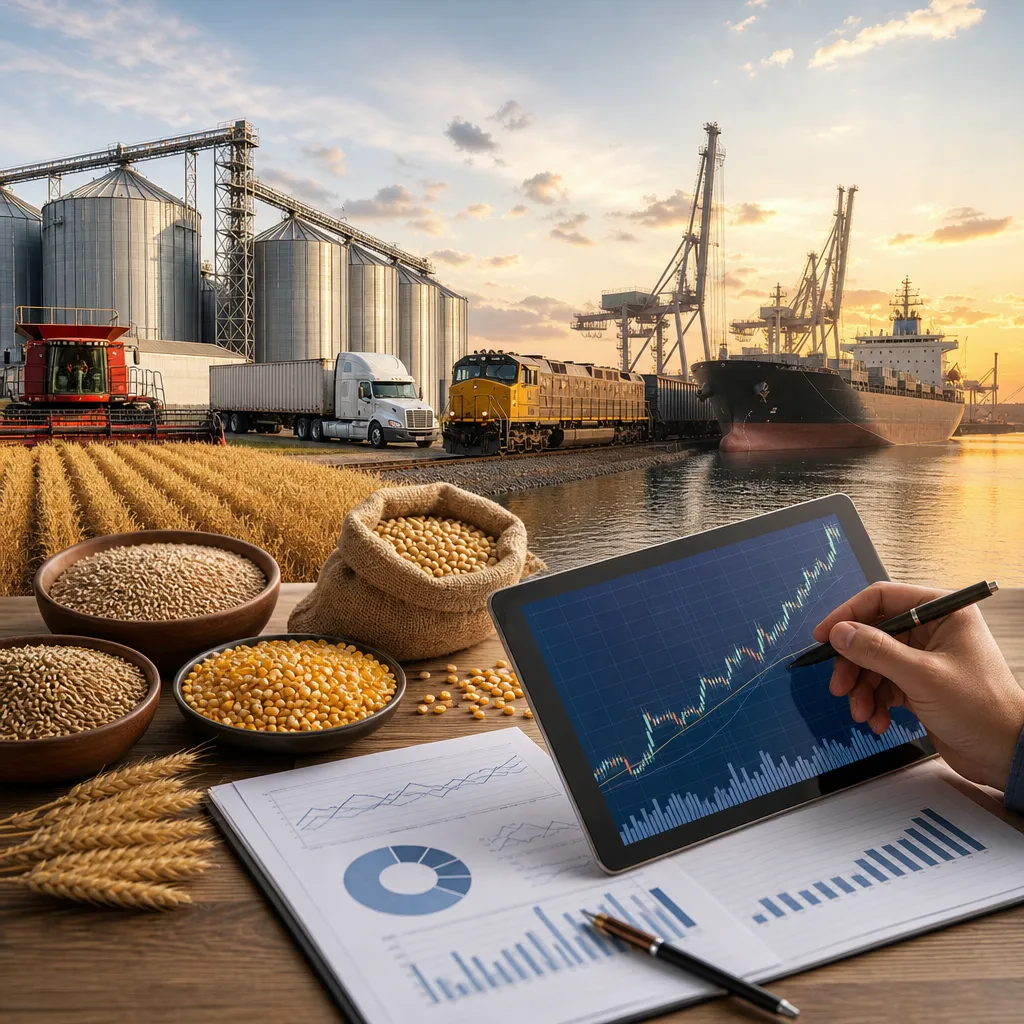
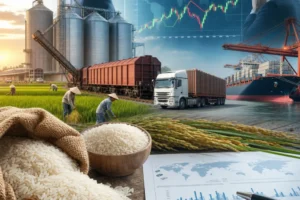

Grain prices react quickly to geopolitical risk because grains are globally traded, politically sensitive, and physically difficult to move when war, sanctions, export controls, or shipping disruptions occur. In practice, geopolitical shocks affect both exchange-traded futures prices and local cash bids, but not in the same way or at the same speed. A wheat futures rally in Chicago, Paris, or another benchmark market does not automatically mean a farmer or buyer will see the same change at a local elevator, port, mill, or feed plant. To understand grain prices during political stress, readers need to separate benchmark futures, local basis, freight, quality, and actual physical access to grain.
Geopolitical risk matters most when it changes one of four things: production expectations, export availability, logistics, or government policy. Grain markets can absorb many headlines, but they move sharply when risk threatens real shipment flows, planting decisions, input costs, payment systems, or the ability of importers and exporters to perform contracts. This is why wars, sanctions, trade disputes, port closures, export taxes, currency instability, and insurance problems can all move wheat, corn, soybeans, rice, barley, canola, sunflower seed, and related products.
What geopolitical risk means in grain markets
In grain trading, geopolitical risk is the risk that political or military events change the supply, movement, financing, or legality of grain trade. The impact can begin before any crop is lost. Markets often price risk as soon as traders believe a region may plant less, harvest less, export less, or face higher freight and insurance costs.
For example, risk can enter the market through:
- War or conflict, which may damage production areas, storage sites, rail lines, roads, inland waterways, or ports.
- Sanctions and payment restrictions, which can make contracts harder to finance or settle.
- Export bans, quotas, or taxes, which reduce available world supply even if grain physically exists.
- Trade disputes and tariffs, which redirect flows between origins and destinations.
- Currency stress, which changes export competitiveness and import affordability.
- Energy shocks, which raise fertilizer, drying, transport, and processing costs.
- Shipping and marine insurance problems, especially for Black Sea, Red Sea, or other key export corridors.
These risks rarely affect all crops equally. Wheat is especially sensitive to export disruptions because a large share of trade crosses borders and many importing countries depend on seaborne supply. Corn and soybeans are heavily affected by feed demand, ethanol or biodiesel economics, and major trade relationships. Rice can react strongly to policy measures because governments often intervene directly in rice trade.
How geopolitical risk reaches grain prices
The transmission mechanism is practical, not abstract. Grain prices move because commercial participants reprice actual costs and actual delivery risk.
| Risk channel | How it affects price | Where it shows up first |
|---|---|---|
| Export disruption | Reduces available supply to importers and raises replacement cost | FOB offers, port bids, futures spreads, importer tenders |
| Freight and insurance shock | Raises delivered cost even if origin prices are unchanged | Ocean freight indications, CIF offers, basis at export points |
| Sanctions or banking limits | Restricts financing, settlement, and counterparty access | Trade flow changes, merchant offers, wider basis and risk premiums |
| Input and energy cost rise | Changes planting incentives and farm margins | New-crop futures, acreage expectations, local input budgets |
| Government intervention | Shifts available export volume or domestic retention | Official announcements, tender markets, local cash bids |
Markets also respond through spreads. Nearby futures contracts may gain relative to deferred contracts if traders fear immediate shortage or shipment delays. Export premiums at ports may rise faster than interior bids if logistics, inspection, or vessel loading becomes the bottleneck rather than farm-level supply.
Futures prices versus local cash grain prices
This distinction is essential. Grain prices are usually discussed through benchmark futures contracts, but physical grain is bought and sold through local cash markets.
Futures prices are quoted on regulated commodity exchanges. For example, wheat, corn, and soybeans are widely followed on CME Group markets. These contracts provide a transparent benchmark used by traders, processors, elevators, exporters, and risk managers. Futures can be viewed on exchange websites, broker platforms, market terminals, and agricultural data services.
Cash prices are the actual prices offered at a local elevator, cooperative, processor, mill, feed plant, ethanol plant, crusher, or export terminal. A farmer usually checks these through local buyers, cooperative bid sheets, merchant offer sheets, text or app-based bid systems, or regional market reporting services. In many countries, ministries of agriculture or official market news agencies also publish cash indications, though often with delay.
The gap between futures and local cash price is called basis. Geopolitical risk can widen or narrow basis depending on where the disruption sits. If export channels become difficult, local interior prices may weaken even while global futures rise. If a nearby processor urgently needs grain and imports are delayed, local basis may strengthen.
| Market type | What price represents | Where to check it | Main limitation |
|---|---|---|---|
| Futures market | Standardized exchange benchmark for a contract month | Exchange data, broker platforms, market-data vendors | Not the same as a farmgate or local delivered price |
| Local cash bid | Price at a specific delivery point and quality | Elevators, cooperatives, merchants, processors, market news | Can change quickly by freight, quality, and logistics |
| Export offer | Price for shipment from a port under stated terms | Merchants, brokers, tender markets, commercial services | Not directly comparable to inland bids without freight and terms |
| Importer delivered price | Cost into destination including freight and often insurance | Tender notices, import agencies, trade reporting | Reflects logistics and policy costs beyond origin market |
Where market participants actually monitor geopolitical grain risk
Professional market users rarely rely on one price screen. They combine futures, cash bids, official reports, and logistics signals.
Official and exchange sources
- CME Group: benchmark futures and options data for major U.S.-traded grain and oilseed contracts, contract specifications, expiry structure, and settlement information.
- USDA: major public source for supply and demand, crop progress, export sales, grain inspections, and world balance sheets. Traders use reports such as WASDE, Crop Progress, Export Sales, and Grain Transportation data.
- CFTC: Commitments of Traders reports, used to monitor positioning by managed money and commercial participants in futures and options markets.
- FAO: global food and agricultural context, useful for trade and food security framing, especially for wheat and rice.
- National agriculture ministries and statistical agencies: local production estimates, policy measures, and regional cash market reporting.
Commercial and physical-market sources
- Elevators and cooperatives: local bids, discount schedules, grade requirements, delivery windows, and storage terms.
- Merchants and exporters: origin basis, export demand, vessel line-up implications, and destination quality requirements.
- Processors: crush margins, mill demand, feed demand, and nearby spot procurement needs.
- Brokers and market-data vendors: futures screens, options chains, charts, spreads, and sometimes news aggregation.
If a reader wants to check the current market, the most reliable process is to identify the crop, location, currency, and market type first. Then compare the relevant futures benchmark with local cash bids at the intended delivery point. During geopolitical shocks, port basis, barge values, and rail freight often matter as much as futures direction.
How geopolitical risk affects physical grain trade
Physical grain trade involves contracts for actual grain, not just price exposure. A transaction may occur between a farmer and elevator, a merchant and mill, an exporter and importer, or a broker arranging a cash deal between counterparties.
A physical grain contract usually depends on several items:
- Crop and quality: protein, moisture, test weight, oil content, foreign material, damage, or other grade terms.
- Quantity: truckload, railcar, barge parcel, container, or vessel cargo.
- Delivery point: farm pickup, inland warehouse, processor gate, river terminal, or export port.
- Timing: spot delivery, harvest delivery, deferred shipment, or shipment window.
- Price structure: flat cash price, futures plus or minus basis, or formula linked to an export benchmark.
- Freight and Incoterms: especially in export trade, which party pays inland freight, ocean freight, insurance, and handling.
- Inspection and payment terms: independent inspection, grade certification, weighing, payment timing, and dispute procedures.
Geopolitical risk raises operational questions: Can the grain reach port? Is the port open? Is marine insurance available? Can the buyer obtain letters of credit or banking access? Will a government suddenly restrict exports? This is why physical prices can diverge sharply from exchange prices during crises.
For farmers and smaller commercial users, physical selling usually happens through elevators, cooperatives, merchants, or processors rather than directly on an exchange. For importers and exporters, trade can occur through direct contracts, merchants, or brokers in OTC cash markets. Those OTC transactions are negotiable and less standardized than futures.
How futures and options are used when political risk rises
Futures and options are risk-management tools, not substitutes for physical execution. Grain futures are standardized contracts traded on regulated exchanges through a futures broker. To trade them, a user normally needs a brokerage account approved for futures, margin funding, and an understanding of contract size, tick value, delivery mechanism, and expiry.
Hedgers use futures to offset price risk in physical grain. A farmer selling expected production may hedge with futures while still planning to deliver grain locally. A mill, crusher, or feed company may buy futures or use call options to protect against rising input prices. An exporter may hedge sales exposure while managing basis and freight separately.
Speculators trade futures or options to profit from price moves, including moves triggered by geopolitical news. This is financially different from buying physical grain and does not provide access to trucks, silos, vessels, or export permits.
Options add flexibility because they create asymmetric protection. A put option can help a grain seller set a floor while keeping upside potential, and a call option can help a buyer limit upside risk. But options involve premiums, time decay, and changing implied volatility, which often rises during geopolitical stress.
Important limitations remain:
- Basis risk: futures may hedge the benchmark but not the local delivery differential.
- Margin risk: futures losses must be funded daily even if the physical position is sound.
- Liquidity differences: nearby benchmark contracts may remain liquid while regional cash markets become difficult to price.
- Contract mismatch: local crop quality or region may not align perfectly with the exchange contract.
Storage, logistics, and quality under geopolitical stress
Geopolitical risk often turns storage and logistics into price drivers. If export corridors slow down, grain can back up inland and pressure local spot bids. If a region fears future shortage, storage values may increase and nearby cash markets may strengthen.
Physical holders of grain should pay attention to:
- On-farm versus commercial storage: who controls release timing and what carrying costs apply.
- Quality preservation: moisture, aeration, pests, and temperature become more important if grain must be held longer than expected.
- Freight availability: trucks, railcars, barges, containers, and vessel slots may tighten when trade routes change.
- Port congestion and inspection: delays can create demurrage, quality deterioration, and contract risk.
Storage can create opportunity, but only if quality is preserved and the market pays for time. A rising futures market does not guarantee profitable storage if basis weakens, carrying costs rise, or quality discounts increase.
Practical ways to analyze grain prices when geopolitical risk is high
A practical framework is to move from headline risk to measurable trade impact.
- Identify the crop and benchmark market. For wheat, this may involve major futures benchmarks and export-origin offers. For soybeans, focus on export relationships, crush demand, and oilseed policy.
- Check the affected region’s role. Is it a major exporter, importer, fertilizer supplier, shipping corridor, or energy source?
- Separate nearby risk from new-crop risk. Current shipment risk and next-season production risk often affect different contract months.
- Track basis and freight, not just futures. Ask local elevators, cooperatives, merchants, or processors how bids are changing and why.
- Use official reports. USDA reports help determine whether the shock is tightening world balances or mostly shifting trade routes.
- Watch policy and payment systems. Sanctions, export licensing, or import tenders can matter more than field conditions.
- Stress-test scenarios. Consider de-escalation, prolonged disruption, rerouted trade, or substitution between origins and feed ingredients.
For analysts and larger commercial users, software and data tools typically fall into four groups: exchange market-data platforms for futures and options; broker platforms for order entry and risk monitoring; physical trading and merchant systems for contracts, logistics, and documentation; and farm or grain management software for inventory, contracts, storage, and settlement. Each solves a different problem. A broker platform helps execute futures; it does not replace a merchant relationship for selling physical grain.
Common mistakes when reading grain prices during geopolitical events
- Assuming futures equal local cash price.
- Overreacting to headlines before checking whether shipments actually changed.
- Ignoring basis, freight, and insurance.
- Treating all crops the same.
- Using leverage without understanding margin exposure.
- Forgetting quality specifications in physical trade.
- Confusing online trading access with physical grain access.
Where can I check grain prices during a geopolitical event?
Check futures on the relevant exchange or through a regulated broker platform, then compare them with local cash bids from elevators, cooperatives, merchants, mills, crushers, or feed plants. For fundamentals, use USDA reports and national agriculture agencies. For export-sensitive crops, port bids and merchant offers are often more revealing than futures alone.
Why can wheat futures rise while my local elevator bid does not?
Because local cash prices depend on basis, freight, storage space, nearby demand, and delivery point conditions. If export routes are disrupted or interior logistics are congested, local basis may weaken even while benchmark futures rise.
Where does physical grain trade actually take place?
Usually through elevators, agricultural cooperatives, grain merchants, processors, mills, feed manufacturers, exporters, importers, and brokers arranging OTC cash contracts. Physical trade is negotiated around quantity, quality, location, and shipment terms, not just a screen price.
Can I hedge geopolitical grain risk with futures?
Yes, if you have exposure to grain prices and access to a regulated futures broker. But futures hedge benchmark price risk, not every local risk. Basis, freight, quality, and timing differences still remain, and margin calls can be significant.
What reports matter most when political risk affects grains?
USDA WASDE for global supply and demand, USDA Export Sales for international buying pace, USDA Crop Progress for production conditions, USDA grain transportation information for logistics context, and CFTC Commitments of Traders for futures market positioning. National policy announcements are also critical when export restrictions are possible.
How do importers and exporters manage risk beyond futures?
They often manage several layers separately: futures exposure, basis, freight, foreign exchange, quality risk, and counterparty risk. They may also diversify origins, use insurance, negotiate flexible shipment windows, and monitor sanctions or banking restrictions closely.
Does storage become more valuable when geopolitical risk rises?
Sometimes, but not automatically. Storage has value if the market later pays more for grain, if nearby logistics improve, or if basis recovers. It can lose value if quality deteriorates, carrying costs rise, or local bids stay weak due to prolonged congestion.
What is the biggest practical difference between online grain trading and physical grain selling?
Online futures trading gives financial exposure through standardized contracts on an exchange. Physical grain selling transfers real grain through a local or export supply chain and requires agreement on grade, quantity, delivery point, freight, and payment terms.
Sources
- USDA Foreign Agricultural Service and World Agricultural Supply and Demand Estimates
- CME Group agricultural futures and options contract specifications and market data
- U.S. Commodity Futures Trading Commission Commitments of Traders reports