

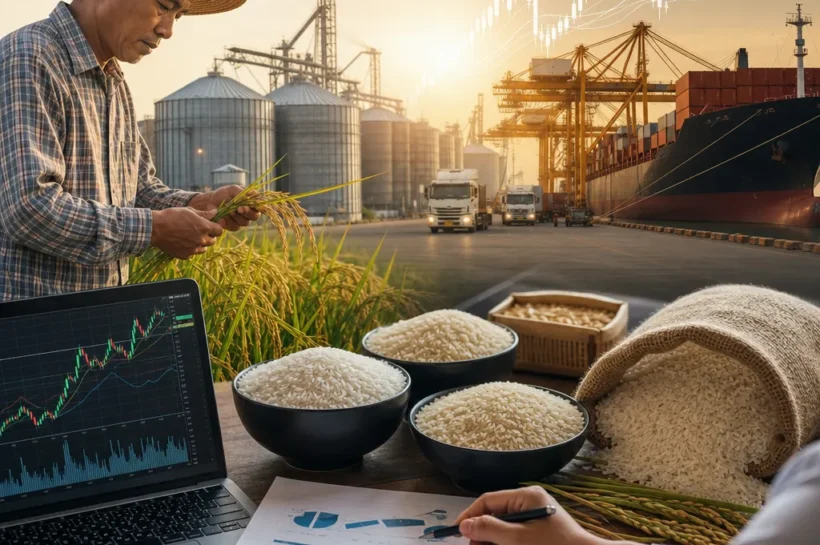
Rice Price per Ton
The rice price per ton is not a single global number. In practice, it depends…
The rice price per ton is not a single global number. In practice, it depends…
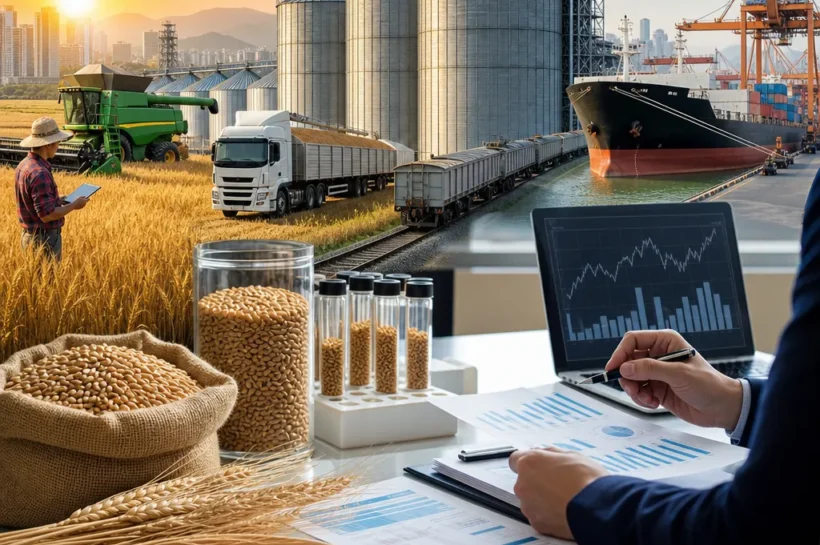
China’s wheat market is one of the most important grain markets in the world because…

The soybean price per ton is not one single number. In practice, it depends on…
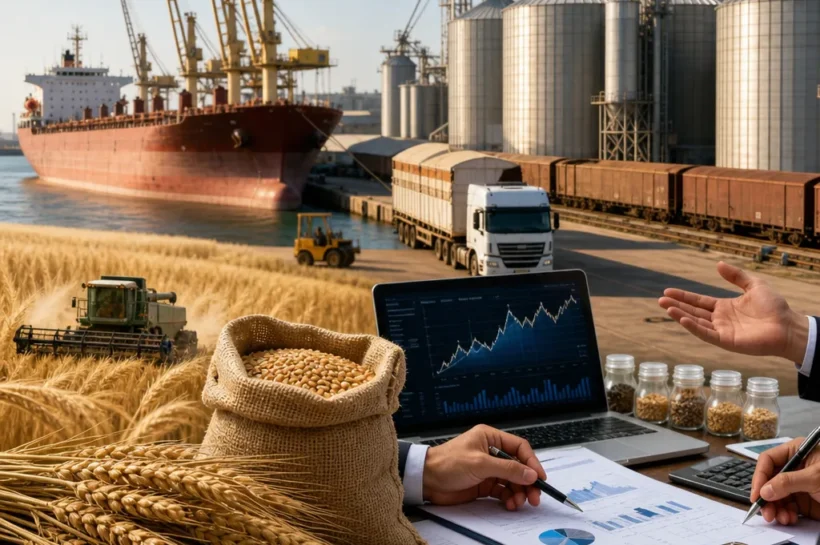
China’s wheat import market is the part of the grain trade through which overseas wheat…
The rice price per ton is not a single global number. In practice, it depends on the type of rice, quality, origin, milling level, delivery point, currency, freight, and whether you are looking at a futures market, an export quote,…
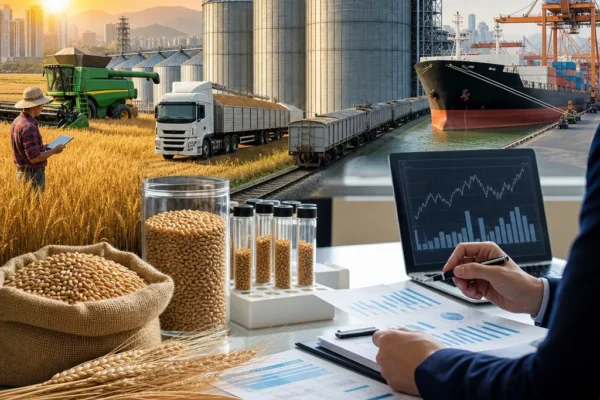
China’s wheat market is one of the most important grain markets in the world because China is both a major producer and a major consumer of wheat. The market operates primarily inside mainland China, where wheat is grown, collected, stored,…

The soybean price per ton is not one single number. In practice, it depends on whether you are looking at futures prices on a regulated exchange, cash prices offered by a local elevator or processor, or export prices at a…
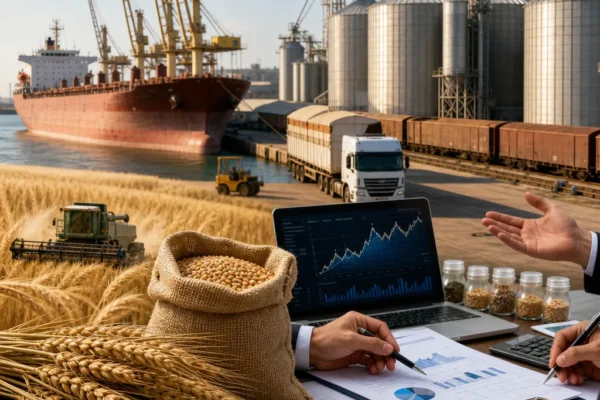
China’s wheat import market is the part of the grain trade through which overseas wheat is purchased for use inside the People’s Republic of China. It matters because China is one of the world’s largest wheat producers and consumers, yet…
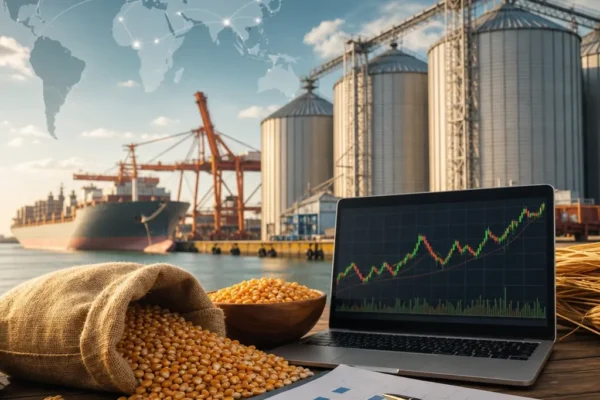
The price of corn per ton depends on which market you mean. A futures quote on an exchange is not the same as a local cash bid at an elevator, feed mill, ethanol plant, or export terminal. In practice, the…
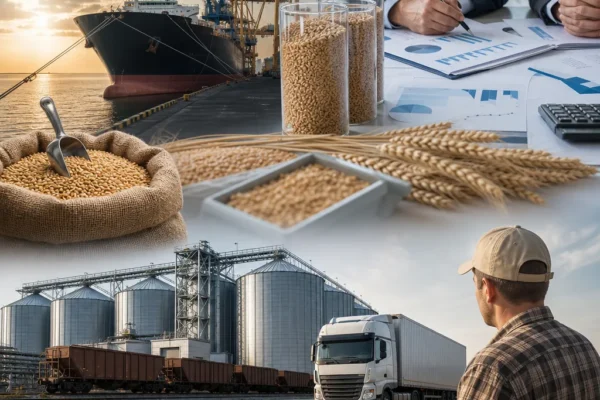
China’s wheat market is primarily a domestic market inside the People’s Republic of China, but it also matters to global grain traders because China is one of the world’s largest wheat producers and consumers. In most years, the key commercial…
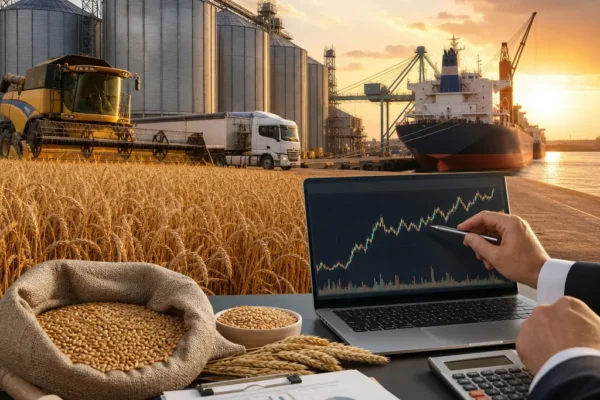
The wheat price per ton depends first on which market you mean. A wheat futures quote on an exchange is not the same as the cash price paid by a local elevator, flour mill, feed buyer, or exporter. In practice,…
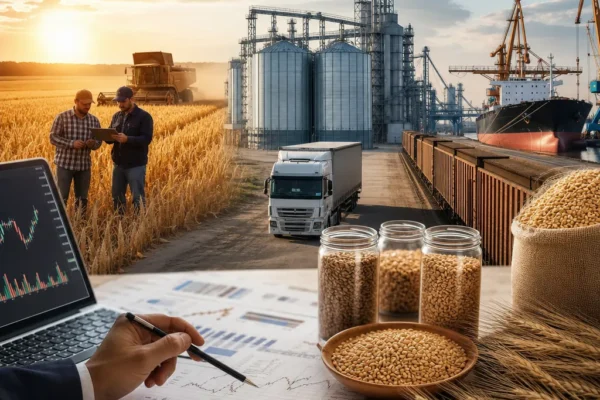
China’s wheat market is one of the world’s most important, but it does not operate like a simple export-driven benchmark market. China is a major wheat producer and consumer, and most trading is tied to domestic milling, feed demand, state…

Rice futures trading is the buying and selling of standardized rice contracts on a regulated commodity exchange rather than the direct purchase of physical rice. It is used by hedgers such as mills, merchants, importers, and producers to manage price…
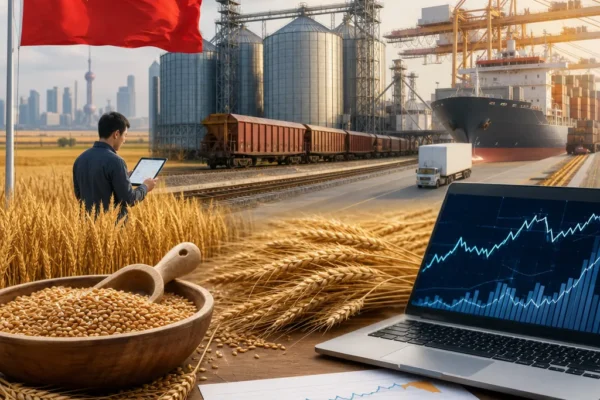
China wheat price trends refer to the movement of wheat values across China’s domestic grain system, from farm procurement and inland wholesale markets to flour mills, feed users, state reserves, and imported wheat arriving at Chinese ports. This is primarily…