




Wheat Price Trends
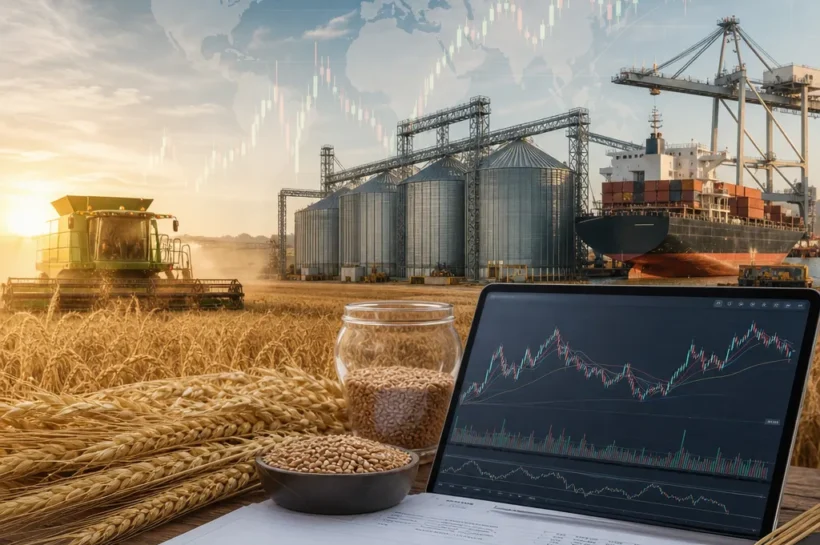
Wheat price trends are driven by a constant interaction between exchange-traded futures, local cash bids,…
Wheat price trends are driven by a constant interaction between exchange-traded futures, local cash bids,…
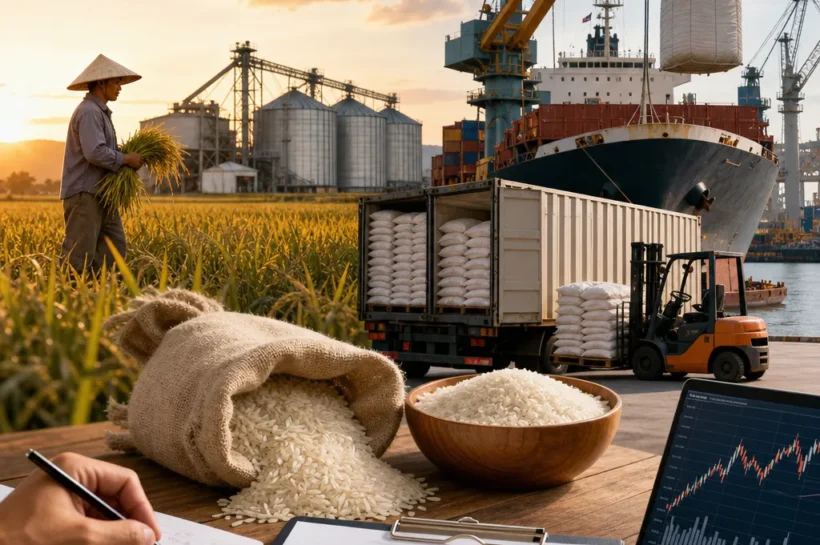
China’s rice export market is the segment of the grain trade in which rice produced…
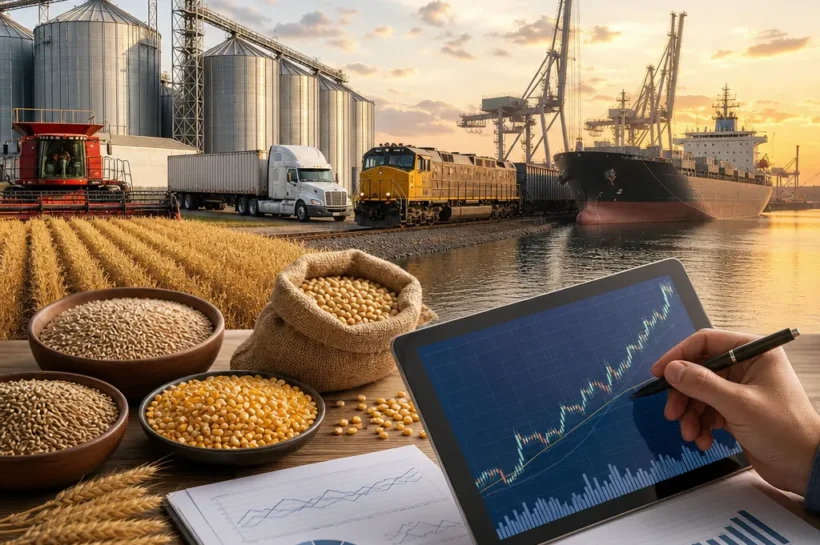
Grain prices by decade are best understood as a long-cycle story of inflation, technology, policy,…

China’s rice market is one of the world’s most important grain markets because China is…
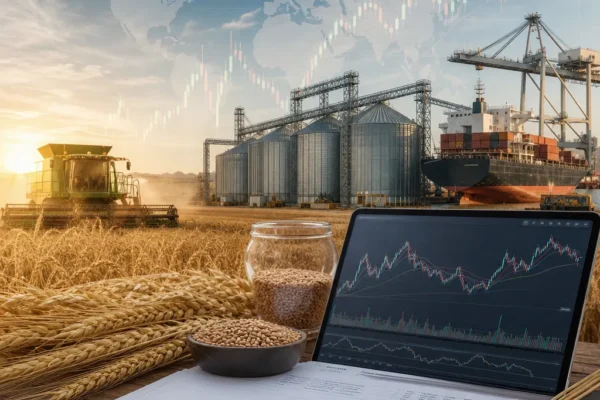
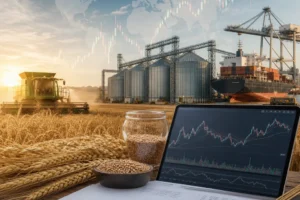
Wheat price trends are driven by a constant interaction between exchange-traded futures, local cash bids, weather, crop size, trade flows, currency moves, and logistics. For most readers, the key practical point is that the “wheat price” is not one single…
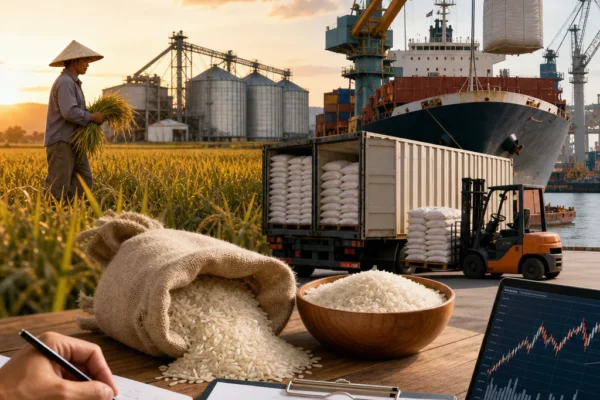
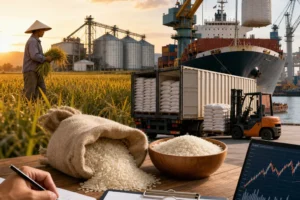
China’s rice export market is the segment of the grain trade in which rice produced and milled in China is sold to overseas buyers under commercial contracts. It operates within China’s domestic rice system first, then connects to foreign demand…
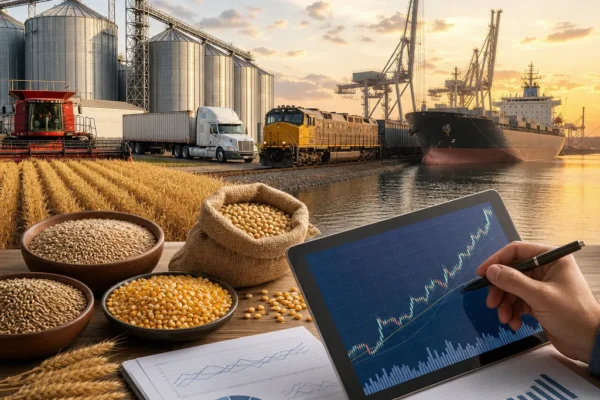
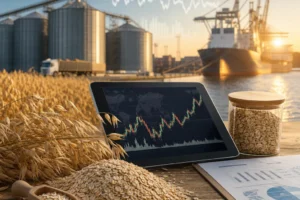
Grain prices by decade are best understood as a long-cycle story of inflation, technology, policy, weather, trade, and energy markets rather than as a simple chart of numbers. Wheat, corn, soybeans, rice, barley, oats, and oilseeds do not move together…

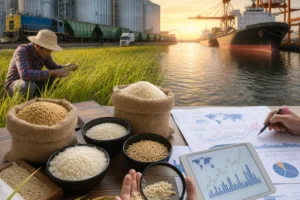
China’s rice market is one of the world’s most important grain markets because China is both a major producer and a major consumer of rice. In practice, “China rice trading” means several connected markets rather than one single price screen:…

Grain prices by year are best understood as a series of related markets rather than one single number. A “yearly grain price” may refer to a futures settlement range, an annual average cash price, a farmgate price, an export price…

China’s rice market is a large domestic food grain market rather than a simple export-price story. Rice prices in China are shaped first by internal supply, government policy, regional quality differences, milling demand, and stock management, and only second by…

Grain price history is the record of how values for wheat, corn, soybeans, rice, barley, oats, rye, sorghum, canola, rapeseed, and related crops have changed over time in both exchange markets and physical cash markets. It matters because historical prices…
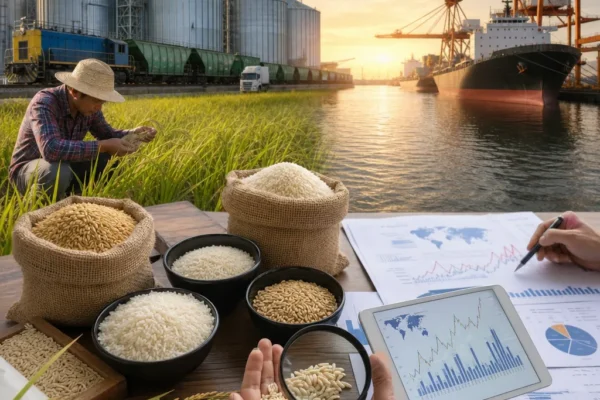
China’s rice market is one of the world’s most important grain markets because China is both a major producer and the largest rice-consuming country. The market operates mainly inside mainland China, where paddy rice is grown, milled, stored, traded, and…
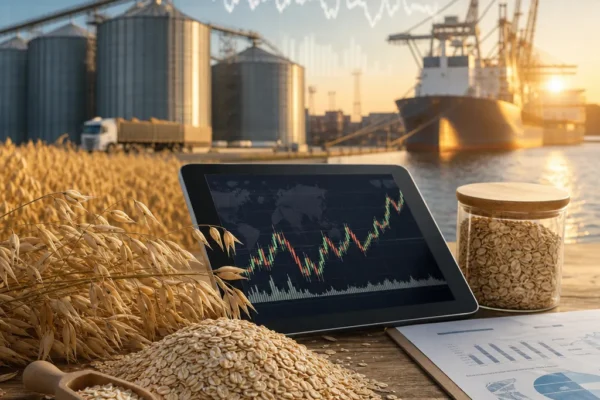
Oat price history is the record of how oat values have changed over time in futures markets and in local physical grain markets. To use it properly, you need to separate exchange-traded benchmark prices from cash prices at elevators, mills,…
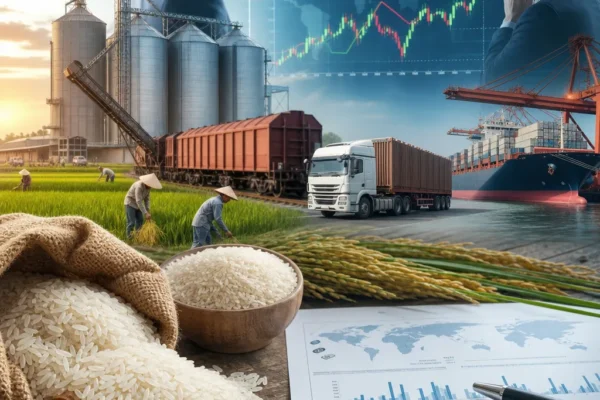
China’s rice market is a domestic staple-food market first and an international trade market second. The country is one of the world’s largest rice producers and consumers, so China rice price forecast usually means forecasting domestic paddy and milled-rice prices…