







Rising fertilizer expenses have become a critical concern for agricultural producers, particularly those focused on grain cultivation. As global input costs climb, both smallholders and large-scale farmers must navigate complex decisions to preserve profitability while maintaining soil health and sustainability. This article examines the multifaceted impact of input prices on farm operations, production outcomes, and broader market dynamics.
Economic Trends in Fertilizer Pricing
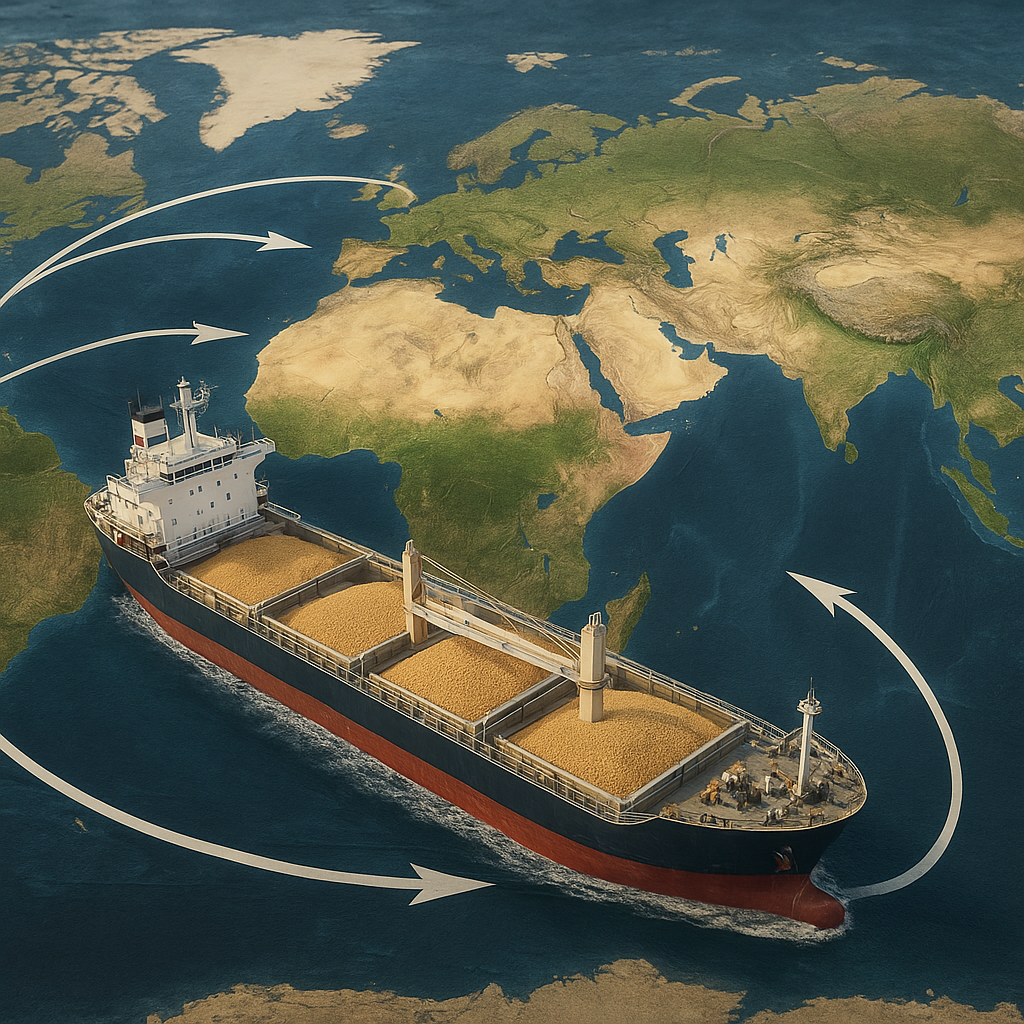
Over the past decade, input costs for major nutrients have exhibited significant instability. Factors such as energy prices, geopolitical tensions, and supply chain interruptions have driven notable spikes in prices for nitrogen, phosphorus, and potassium. Analysis of global trade patterns reveals:
- Energy-Driven Costs: Nitrogen production relies heavily on natural gas, linking fertilizer expenses to volatile energy markets.
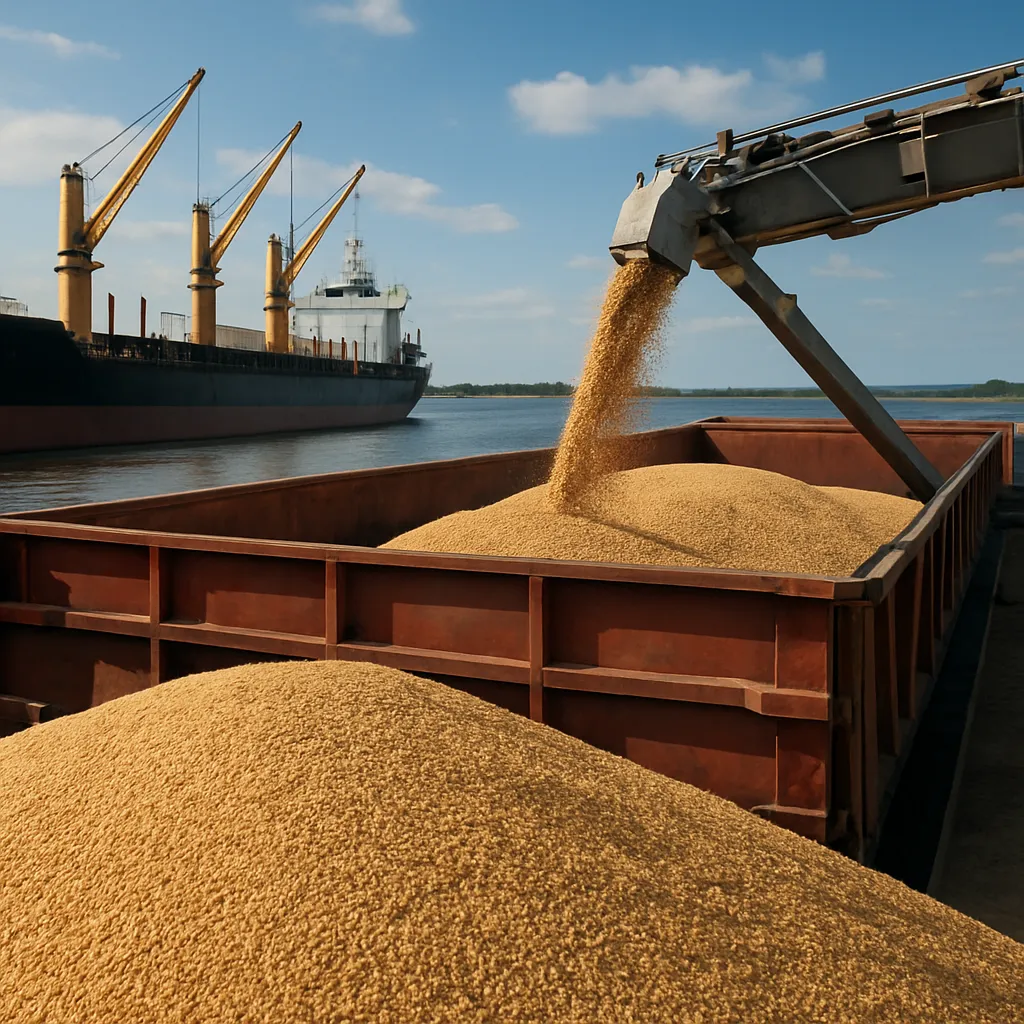
- Supply Chain Disruptions: Port congestion, shipping costs, and trade restrictions can amplify price swings for imported nutrients.
- Local Currency Fluctuations: Exchange rate shifts affect purchasing power in emerging agricultural economies.
Drivers of Price Volatility
- Market volatility in energy sectors ripples into the fertilizer industry.
- Policy changes, such as export bans or environmental regulations, alter availability.
- Global demand from both agricultural and industrial users competes for the same raw materials.
Regional Disparities
Different geographies experience varied cost structures depending on:
- Proximity to production facilities
- Local taxation and subsidy regimes
- Infrastructure quality for storage and distribution
Effects on Farm Productivity and Yields
Elevated input prices force producers to reassess nutrient applications, directly impacting yield potential and product quality. Strategic adjustments may include:
- Optimizing nutrient timing and placement through precision agriculture tools.
- Adopting crop rotations and cover crops to enhance soil fertility naturally.
- Implementing variable-rate application technologies to improve cost-efficiency.
Precision Agriculture and Technology Adoption
GPS-guided equipment, soil sensors, and drone imaging enable farmers to tailor nutrient delivery. Benefits include reduced waste and improved response to crop needs. Investments in these systems often pay off in higher grain quality and stable yields despite input cost pressures.
Alternative Nutrient Sources
To mitigate reliance on conventional fertilizers, some producers explore:
- Organic amendments such as compost or manure
- Biofertilizers based on beneficial microbes
- On-farm production of green manures
Economic Trade-Offs
Not all cost-saving measures yield immediate returns. Reduced application rates may lower short-term expenses but risk long-term soil degradation and declining sustainability. Balanced nutrient management planning is essential to avoid yield penalties and preserve asset value.
Market Adaptations and Policy Responses
As growers adjust to higher expenses, grain markets respond through price signals, contract renegotiations, and shifts in global trade flows. Major buyers, including millers and biofuel producers, may alter purchase terms to reflect altered cost structures. Key responses include:
- Forward contracting to lock in both input and output prices
- Collaborative risk-sharing schemes between suppliers and farmers
- Cooperative purchasing to leverage bulk discounts
Governmental and Institutional Interventions
Policymakers in several regions have introduced measures to alleviate farmer burdens:
- Subsidy adjustments targeting low-income producers
- Incentives for adopting precision technology and improved nutrient management plans
- Trade agreements designed to secure stable import channels
Research and Innovation
Research institutions are prioritizing breakthroughs in:
- Enhanced-efficiency fertilizers that release nutrients gradually
- Biotechnological advances to develop crops with improved nutrient uptake
- Digital platforms for real-time soil and crop monitoring
Long-Term Implications for Grain Markets
Persistent input cost pressures may reshape competitive landscapes. High-cost producers face margin compression and might exit less efficient operations, while more resilient farms leverage technology and management practices to sustain profitability. Broader consequences include:
- Potential consolidation in grain-producing regions
- Shifts in cultivation to crops with lower nutrient demands
- Increased emphasis on crop quality and value-added processing
Global Trade Realignment
Countries with access to affordable nutrient sources strengthen export positions. Emerging producers investing in domestic fertilizer capacity could challenge traditional exporters, altering long-established trade corridors.
Sustainability and Environmental Considerations
Intensified focus on reducing nutrient runoff and greenhouse gas emissions is driving more stringent regulations. Farms adopting integrated soil health strategies may gain market advantages through certifications and consumer trust, reinforcing the link between economic resilience and environmental stewardship.
Understanding the dynamic interplay between input costs, farm practices, and market forces is essential for stakeholders across the grain value chain. By embracing technological solutions, refining management approaches, and participating in collaborative risk-sharing arrangements, the sector can navigate the challenges posed by rising fertilizer expenses while safeguarding long-term sustainability and food security.