




The global grain market has always been sensitive to economic shifts, but when inflation accelerates, its impact resonates across every stage of the value chain. From planting decisions on the farm to the prices consumers pay at the grocery store, rising costs can fuel a complex interplay of forces that drive grain prices higher and introduce significant volatility. This article explores key factors shaping the relationship between inflation and international grain markets, examines how supply chain pressures and currency swings compound the problem, and considers potential strategies for mitigating risks.
Impact of Inflation on Grain Prices
As central banks around the world respond to weak growth or supply shocks by adjusting interest rates and monetary policy, the ripple effects are evident in agricultural commodities. Higher inflation often means that producers face rising costs for inputs such as seeds, fertilizers, fuels, and machinery. Those cost increases are typically passed along, resulting in upward pressure on grain prices. The following factors illustrate this dynamic:
- Input Costs: Diesel, natural gas, and chemical fertilizers tend to track broader price levels. When energy prices surge, fertilizer production becomes more expensive, causing farmers to either absorb costs or reduce application rates, which in turn can lower yields.
- Financing Expenses: With higher interest rates to curb inflation, loans for equipment and working capital become costlier. Smaller farms may face tighter credit conditions, leading to deferred purchases or reduced planting acreage.
- Operational Overheads: Labor costs can climb alongside general wage inflation, adding to the overall expense of planting, harvesting, storage, and transport.
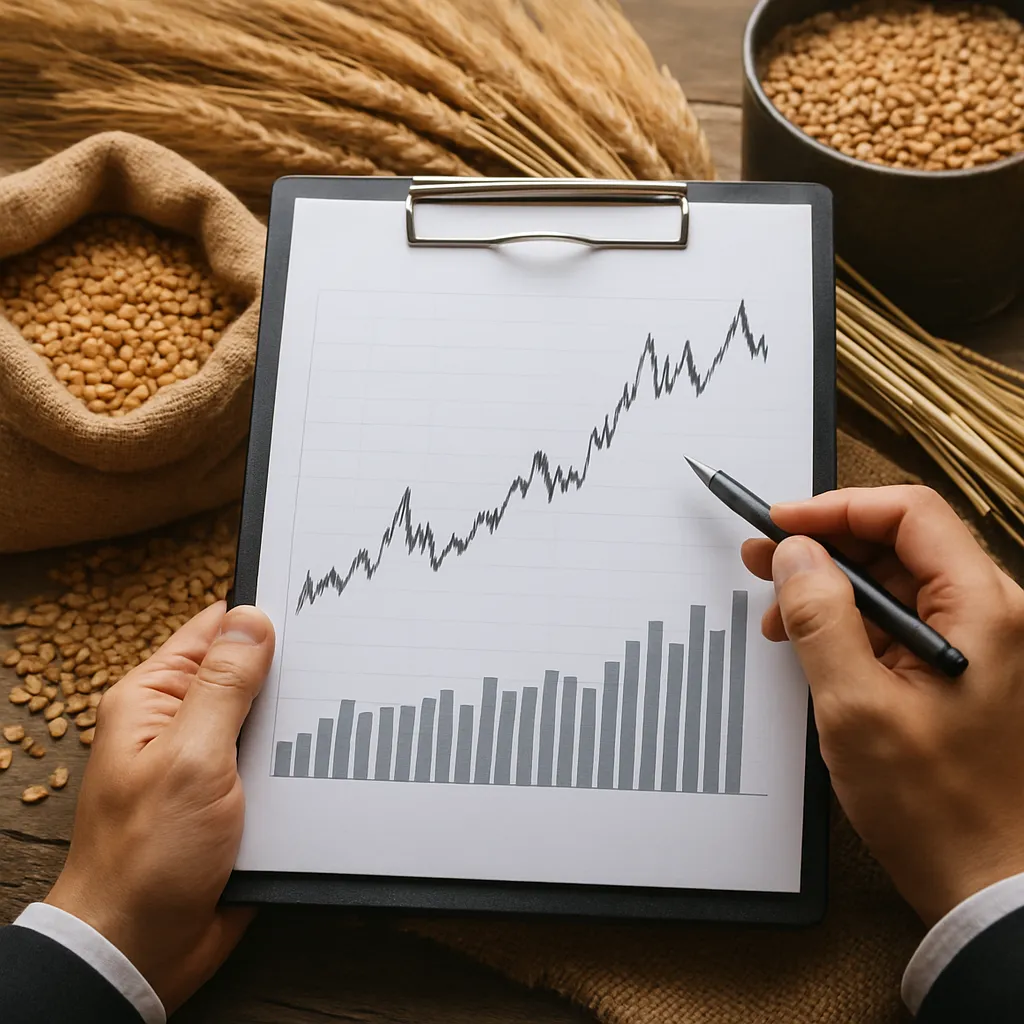
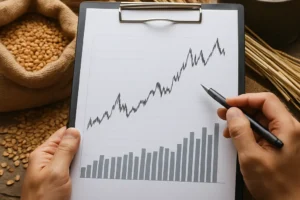
- Speculation and Hedging: In an environment of rising price expectations, more market participants engage in futures contracts to hedge or speculate, often amplifying short-term price swings.
The interplay of these drivers means that local price spikes can quickly transmit to international markets. For instance, when a major exporter experiences a poor harvest driven by variable input affordability, global supply tightens, and buyer nations may pay premiums for alternative sources.
Supply Chain Dynamics and Production Costs
Beyond the farm gate, the supply chain that moves grain from field to consumer also faces inflationary headwinds. Logistics, processing, and storage segments each contribute to final market prices:
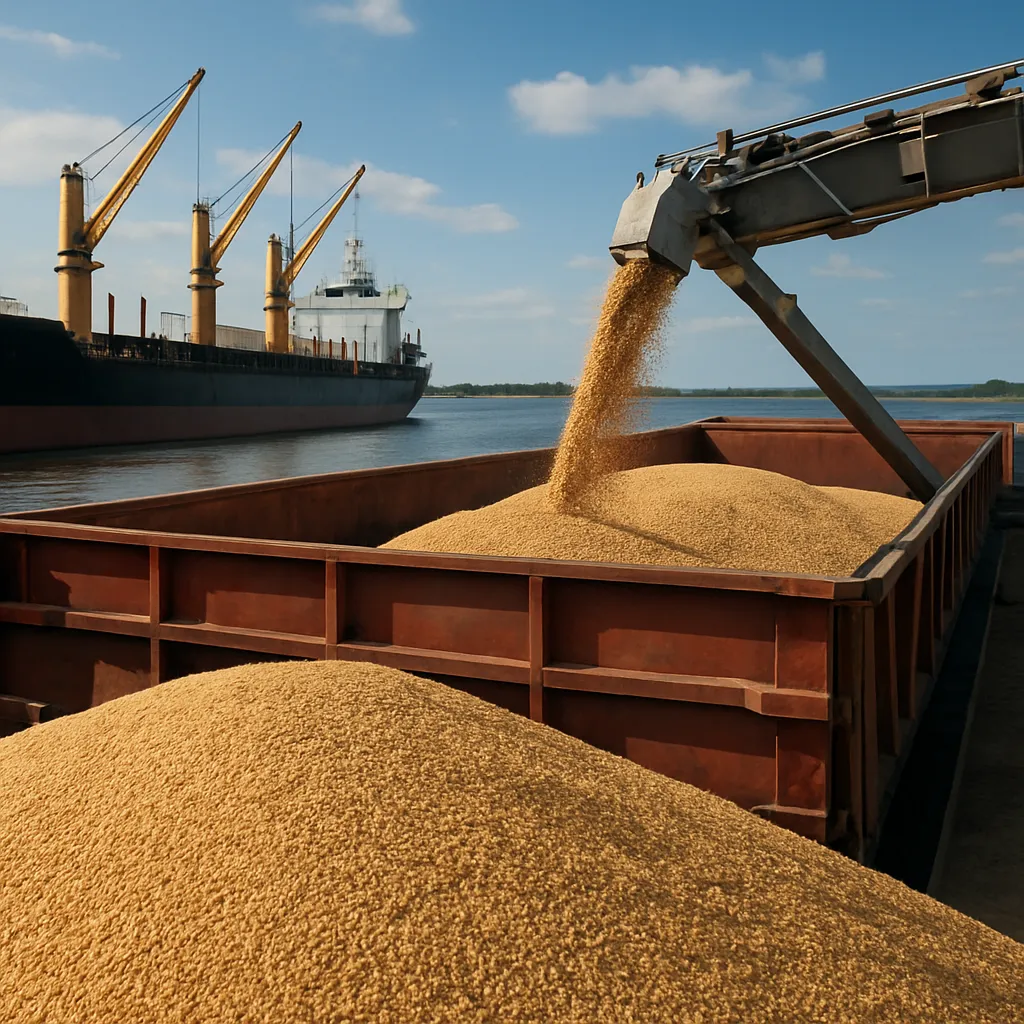
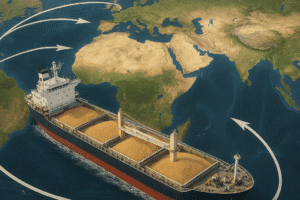
- Transportation: Freight rates for shipping lines and trucking companies increase when fuel and labor costs rise. Port fees and inland rail charges may adjust upward in line with inflationary trends, elevating the landed cost of grain.
- Processing Margins: Millers and grain handlers must cover maintenance costs and equipment depreciation. As replacement parts and utilities become more expensive, processing margins may tighten unless they pass costs on through higher domestic flour or feed prices.
- Storage Charges: Grain warehouses and silos incur energy expenses for drying and cooling. Inflation in energy markets can lead to steeper holding costs, incentivizing faster turnover and potentially reducing carryover stocks.
These supply chain pressures can create bottlenecks, particularly when multiple regions face simultaneous inflationary shocks. In some cases, logistical constraints delay shipments, prompting destination markets to turn to more expensive spot markets during periods of elevated demand.
Key Observations
- High inflation may force agile supply chain adjustments, such as shifting to rail from road or exploring inland barge routes.
- Public policy responses like fuel subsidies or tariff adjustments can provide temporary relief but may distort market signals.
Global Trade and Price Volatility
International trade magnifies the consequences of domestic inflation. Exporting countries with significant agriculture sectors often manage grain sales through a combination of state procurement, export quotas, and private traders. Inflated local costs can have several effects:
- Currency Fluctuations: When a nation’s currency weakens due to monetary expansion or deteriorating trade balances, its exports become cheaper in foreign currency terms. While this may boost short-term volumes, it also means importers face higher local costs once they convert purchases back to domestic currency.
- Export Restrictions: In an attempt to safeguard domestic food security, governments may impose temporary bans or higher export duties, exacerbating global shortages and price spikes.
- Market Sentiment: Inflation data and central bank communications influence trader expectations. If investors anticipate sustained price rises, they may move speculative funds into grain futures, increasing market depth but also potential for sharp reversals.
These trade-related dynamics underscore how sensitive global grain prices are to shifts in monetary environments. A significant policy change in one major exporting nation can quickly unsettle supply projections and generate price volatility worldwide.
Strategies for Mitigating Inflationary Risks
Producers, traders, and policymakers can adopt several approaches to manage the challenges of high inflation in grain markets. A combination of financial instruments, operational improvements, and policy measures can bolster resilience:
- Forward Contracts and Futures: Committing to fixed-price agreements through futures exchanges helps producers lock in margins and reduces exposure to unexpected cost surges.
- Crop Diversification: Rotating grains with legumes or other high-value crops can optimize input use and mitigate dependence on a single commodity’s price trajectory.
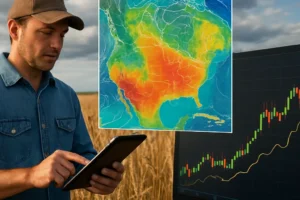
- Technological Adoption: Precision agriculture tools—such as variable-rate fertilizer application and remote sensing—enhance input efficiency and lower per-unit costs.
- Strategic Reserves: National and regional grain stocks can function as buffers against sudden supply shocks. Well-managed reserves help smooth price peaks during extreme inflationary episodes.
- Financial Hedging Instruments: Options, swaps, and insurance products allow market participants to protect against intense price movements or adverse weather conditions.
By combining these strategies, stakeholders can reduce the severity of price swings and maintain more predictable revenue streams or import expenditures, even in high-inflation environments.
Looking Ahead: Navigating Uncertain Times
Ongoing concerns about global inflationary pressures—driven by expansive fiscal policies, geopolitical tensions, and supply chain disruptions—mean that grain markets are likely to remain under scrutiny. Investors and policymakers will monitor key indicators such as consumer price indices, producer input costs, and central bank communications. At the same time, climate-related variables and technological innovation will continue to reshape the supply side.
Ultimately, the nexus of demand growth from emerging economies, sustainability goals, and monetary policy responses will determine whether grain prices stabilize, climb steadily, or experience periodic spikes. In an era where food security and economic stability are deeply interlinked, understanding how inflation translates into grain market outcomes is essential for informed decision-making at every level of the supply chain.