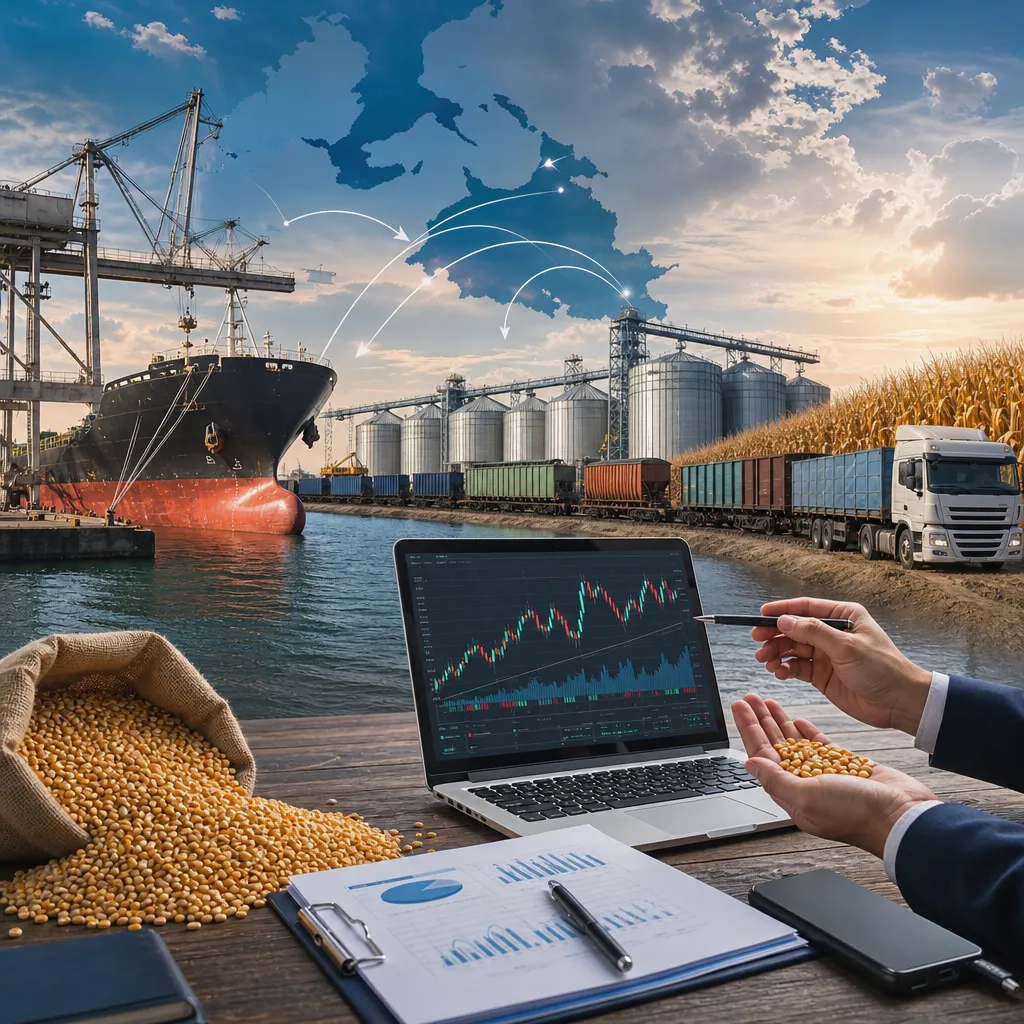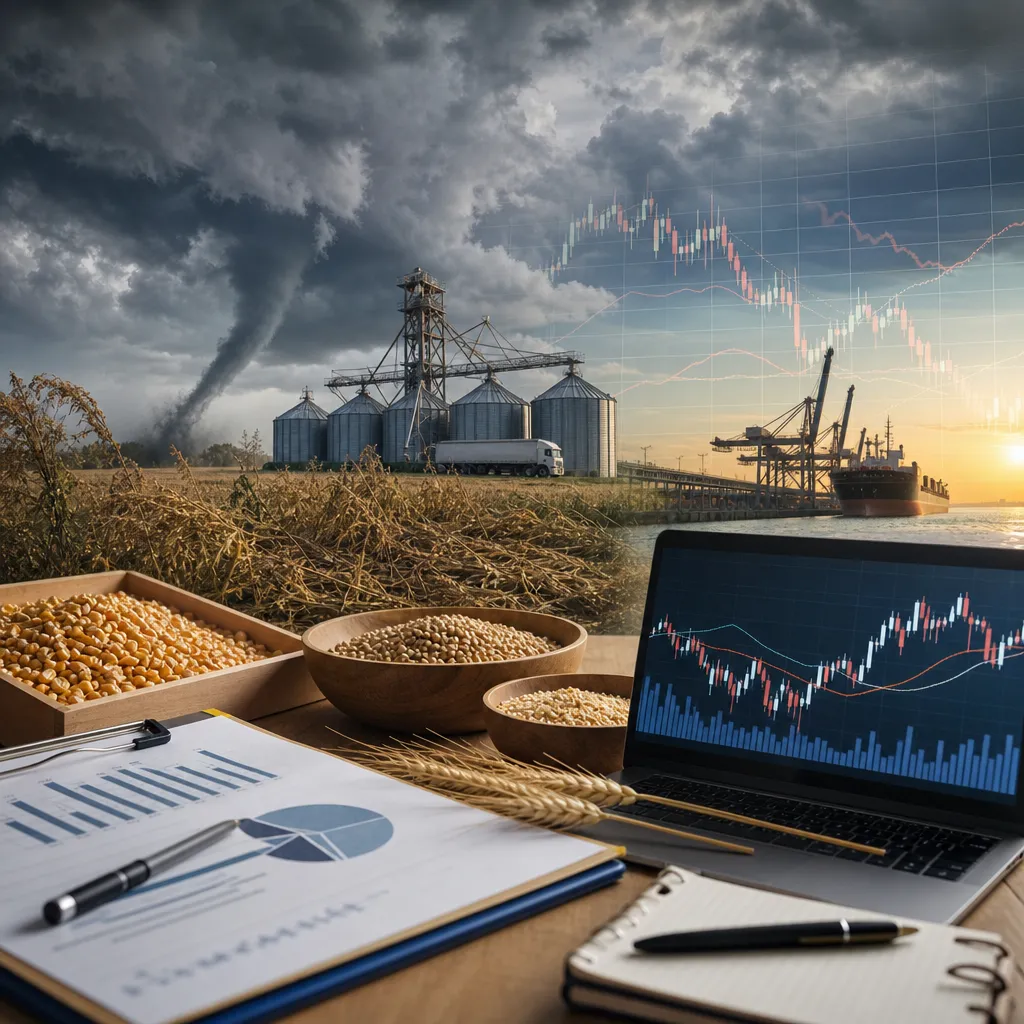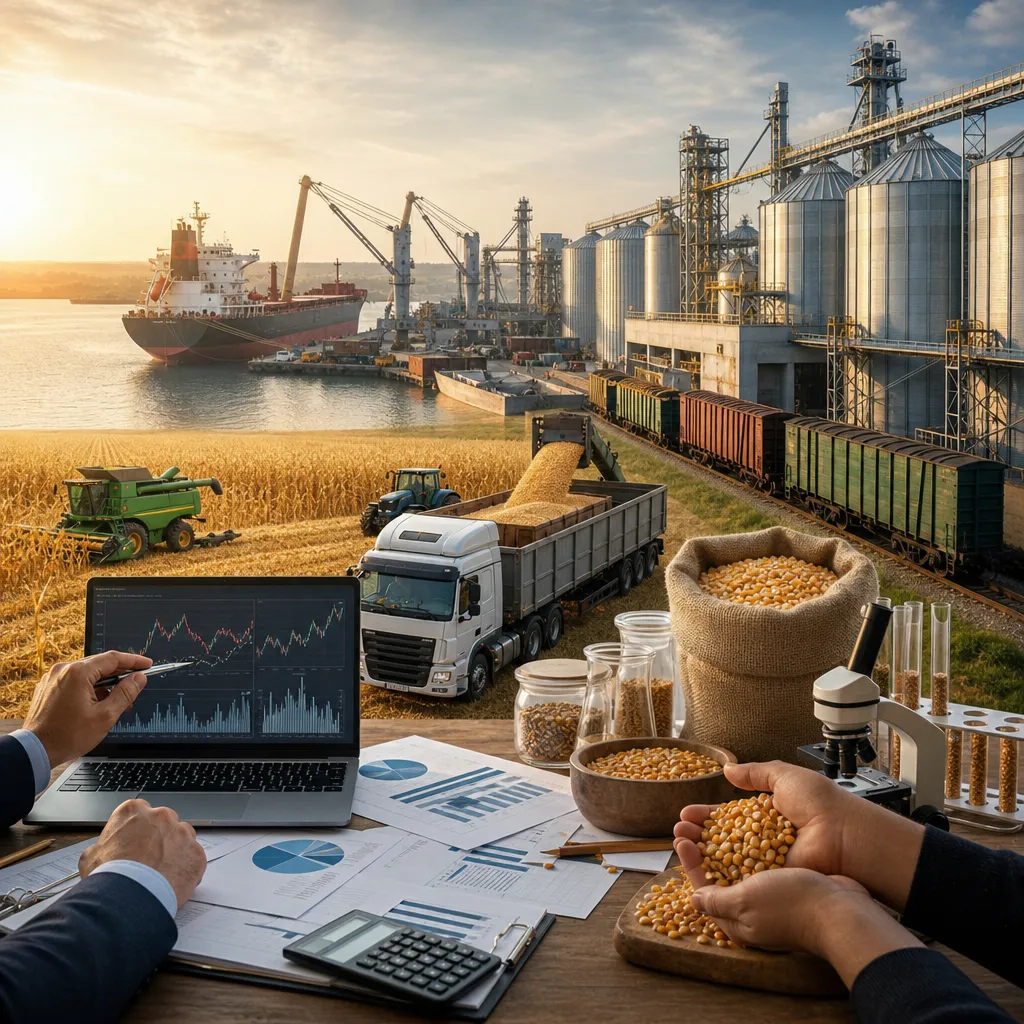
Crop conditions are one of the fastest ways grain prices move, but the link is rarely as simple as “bad weather means higher prices.” Prices react to expected changes in yield, harvested area, quality, logistics, and global trade, and they react differently in futures markets and in local cash markets. To understand grain pricing in practice, a farmer, buyer, trader, or analyst needs to know where crop conditions are reported, where prices are quoted, and how local basis, freight, storage, and quality turn a headline market move into a real transaction. The key is to connect field conditions to supply expectations, and then connect those expectations to both exchange benchmarks and physical grain bids.
How crop conditions influence grain prices
Crop conditions are market shorthand for the expected health and productivity of a crop before harvest. They usually include visible crop ratings, soil moisture, planting pace, emergence, crop development, disease pressure, drought stress, excess moisture, storm damage, and harvest progress. These variables affect not only how much grain will be produced, but also whether it can be delivered on time and whether it will meet contract quality standards.
Prices change because the market is constantly adjusting expectations. If corn condition ratings fall during pollination, traders may expect lower yields. If wheat harvest faces repeated rain, traders may fear quality downgrades from milling wheat to feed wheat. If soybean harvest is delayed, processors and exporters may bid more aggressively for nearby supply even if the national crop remains large.
The most important practical point is that the market prices expectation before the final crop is known. That is why futures can rally sharply during a weather scare and then fall later if rains arrive or yields prove better than feared.
| Crop condition factor | Typical price effect | Why it matters |
|---|---|---|
| Drought during key yield stage | Often supportive to prices | Reduces yield expectations and may tighten supply |
| Excess rain at harvest | Can support nearby prices, especially quality-sensitive markets | Delays deliveries and can lower grade or test weight |
| Improving crop ratings | Often pressure on futures | Signals better yield potential |
| Disease or pest outbreak | Supportive if widespread | Threatens output and quality, sometimes unevenly by region |
| Rapid harvest progress | Can pressure cash markets seasonally | Increases nearby physical supply and elevator receipts |
Futures prices versus local cash grain prices
Many readers see a wheat, corn, or soybean price online and assume it is the price paid at their local elevator. It usually is not. Exchange-traded futures are benchmark prices for standardized contracts traded on regulated exchanges. Local cash prices are physical bids offered by elevators, cooperatives, merchants, mills, feed companies, crushers, ethanol plants, exporters, or rice mills for grain at a specific location, with specific quality terms, during a specific delivery window.
In the United States, major grain futures are commonly referenced through CME Group markets, including CBOT wheat, corn, and soybeans, as well as related products such as soybean meal and soybean oil. In Europe, participants may also follow Euronext wheat, corn, or rapeseed contracts. Canola benchmarks may be watched through ICE-linked markets in relevant regions. These exchange prices are financial benchmarks, not automatic farmgate prices.
The difference between the futures price and the local cash price is called the basis. Basis reflects local supply and demand, freight, storage pressure, export demand, quality, handler margins, and delivery location. A strong local basis may offset weak futures. A weak basis can reduce the price received even during a futures rally.
Farmers and physical buyers normally check local bids directly through elevator bid sheets, cooperative pricing pages, merchant offers, processor bid boards, or agricultural market reporting services where available. Buyers and sellers may also negotiate forward contracts, basis contracts, hedge-to-arrive contracts, or spot cash sales depending on the local market structure.
| Market type | Where it exists | What price means | Who uses it |
|---|---|---|---|
| Futures market | Commodity exchange through a futures broker or market-data platform | Standardized benchmark contract price | Hedgers, speculators, merchants, processors, analysts |
| Local cash market | Elevator, cooperative, processor, mill, crusher, exporter, feed buyer | Actual bid for physical grain at a delivery point | Farmers, physical buyers, grain merchants |
| Forward physical contract | Direct contract with grain buyer or merchant | Pre-arranged delivery and pricing terms | Farmers, elevators, processors, exporters |
| OTC risk management contract | Private agreement with merchant or financial intermediary | Customized pricing or hedging structure | Commercial grain firms and some producers |
Where to check crop conditions and grain prices
Reliable crop-condition information usually comes from official reporting systems, satellite and weather services, exchanges, and private analytics firms. For U.S. crops, USDA reports are central. USDA Crop Progress provides weekly condition ratings and field progress during the season. USDA WASDE gives broader supply and demand balance sheets. USDA Grain Inspection, Packers and Stockyards Administration data and export-related reports can also help explain demand and movement.
For futures prices, exchange websites and broker platforms are the normal reference point. CME Group publishes contract specifications and market information for benchmark grain futures and options. Data vendors and brokerage platforms may provide delayed or real-time prices depending on the service level. Traders who need execution use a futures broker account rather than a physical grain merchant account.
For physical prices, the most practical sources are local elevators, cooperatives, merchants, processors, and exporters. Many post bids online or through mobile apps, but local coverage varies by country and region. In export-oriented markets, port bids, rail bid sheets, or processor bids can matter more than inland futures quotations.
Weather information is best checked through official meteorological agencies, drought monitors, and agricultural weather services. Crop conditions are often most informative when weather maps are matched with crop stage. A hot week matters differently before planting, during pollination, or at harvest.
How grain trades in the physical market
Physical grain does not trade the same way as a futures contract. A physical grain sale typically starts with a seller contacting a local elevator, cooperative, merchant, processor, mill, feed company, crusher, or exporter. The buyer quotes a bid tied to location, quality, moisture, delivery period, and sometimes a futures reference month with a basis component.
The seller must check the delivery point carefully. A strong bid at a river terminal or export port may not be better than a weaker nearby bid once freight is deducted. Quality terms are equally important. Protein in wheat, moisture in corn, oil content in sunflower seed or canola, admixture in rice, and damage or falling number in wheat can all affect the net price.
Common transaction elements include:
- Quantity: truckload, railcar, container, barge, or bulk vessel scale depending on market size.
- Grade and quality: official or private inspection standards may apply.
- Delivery period: spot, harvest, deferred, or named shipment window.
- Freight: seller-delivered or buyer pickup.
- Payment terms: timing and documentation vary by buyer and jurisdiction.
- Storage: on-farm, commercial elevator, warehouse, or port storage if available.
In export markets, companies may trade on Incoterms and shipment terms, but inland farm-level trade is usually simpler and location-specific. Counterparty risk matters more in private contracts than in exchange-cleared futures. Sellers should verify buyer credibility, contract wording, delivery tolerances, and dispute procedures.
How crop conditions affect basis, quality, and logistics
Even when futures barely move, poor crop conditions can shift basis sharply. If a local region has heavy rain, poor roads, or harvest delays, elevators may widen basis because receiving and drying costs rise. In another case, a processor short of supply may strengthen basis aggressively to secure nearby deliveries.
Quality is often where crop-condition stories become real cash-market stories. A wheat crop hit by rain may still yield well, but if protein, test weight, or falling number deteriorates, the milling premium can disappear. Corn with high moisture increases drying cost and shrink. Soybeans subject to late-season disease may face quality deductions. Barley and malting barley are especially sensitive because specification failures can force grain into lower-value feed channels.
Logistics can amplify these effects. Low river levels, port congestion, rail disruptions, or road restrictions increase the cost of moving grain from surplus areas to deficit areas. This can weaken local bids in producing regions while strengthening bids near processors or export terminals that need immediate supply.
Using futures and options to hedge crop-condition risk
Futures and options are tools for managing price risk, not substitutes for physical merchandising. A corn grower concerned that improving crop conditions nationally could pressure prices may hedge by selling corn futures through a regulated futures broker. A feed mill worried that worsening crop conditions could lift prices may buy futures or use call options to cap risk.
A futures contract is standardized and exchange-traded. It requires a brokerage account, margin deposits, and daily mark-to-market. That means losses can require additional funds before the physical crop is sold. This is why futures hedging reduces price exposure but introduces liquidity and margin-call risk.
Options work differently. Buying a put option can give a producer downside price protection while keeping upside open if the market rallies. Buying a call option can help a grain buyer protect against price increases. Options involve a premium cost, and time value erodes as expiry approaches.
Important limits remain:
- Basis risk: the futures hedge may work while the local basis moves unexpectedly.
- Contract mismatch: local grain may not align perfectly with the benchmark contract month or grade.
- Margin pressure: futures hedging can be financially stressful during price swings.
- Execution risk: poor timing or over-hedging can create new problems.
In practice, many farms hedge through a mix of cash sales, forward contracts, crop insurance where available, storage, and selective use of futures or options.
How to analyze crop conditions for pricing decisions
A practical analysis starts with the crop calendar. The market impact of condition changes depends on timing. Planting delays matter most when they threaten acreage or push pollination into risky weather windows. Mid-season stress matters most during yield-setting stages. Harvest problems matter most when they disrupt movement or damage quality.
Next, compare local conditions with national and global conditions. A drought in one producing region may be price-supportive only if it is large enough to affect national supply or if other exporters cannot offset it. Corn, wheat, soybeans, rice, and oilseeds trade in international markets, so local weather stories matter most when they tighten exportable supply or alter import demand.
Useful steps include:
- Check weekly crop-condition data from official sources.
- Match condition changes to the crop growth stage.
- Compare with prior expectations already priced into futures.
- Monitor export demand, crush, feed use, or milling demand.
- Track basis at your delivery points, not just benchmark futures.
- Watch logistics and quality reports during harvest.
This method is more reliable than reacting to weather headlines alone.
Who uses crop-condition information and how
Farmers use crop conditions to decide when to sell, hedge, store, or forward-contract production. Elevators and cooperatives use them to manage bid levels, space, drying demand, and basis. Processors such as mills, crushers, ethanol plants, and feed manufacturers use them to plan coverage and manage input costs.
Exporters and grain merchants use crop-condition data together with freight, port lineups, export sales, and competitor-origin supply. Futures traders use the same information, but often with a shorter time horizon and more emphasis on how current expectations differ from consensus.
Analysts and risk managers usually combine crop reports, weather models, satellite imagery, futures spreads, basis maps, and trade statistics. Software and data tools range from brokerage platforms and exchange data feeds to farm management systems and commercial ag-market analytics products. The correct tool depends on the purpose: execution, merchandising, storage planning, or research.
Where should I check grain prices if I want to sell physical grain?
Check local bids from elevators, cooperatives, merchants, processors, mills, crushers, or exporters in your delivery area. Futures quotes are useful as benchmarks, but the actual sale price depends on basis, quality, freight, and delivery timing.
Where are grain futures traded?
Grain futures are traded on regulated commodity exchanges through licensed futures brokers and their trading platforms. The exchange quote is a standardized benchmark and does not by itself arrange physical pickup from a farm or warehouse.
Why can local grain prices fall even when crop conditions worsen?
Because local cash prices depend on more than production risk. Wider basis, weak nearby demand, harvest pressure, transport bottlenecks, quality discounts, or currency moves can offset support from poor crop conditions.
Can I use crop-condition reports alone to forecast prices?
No. They are important, but prices also depend on stocks, acreage, export demand, imports, currencies, energy costs, freight, policy changes, and what the market had already expected before the report was released.
How do I hedge crop-condition risk without selling physical grain immediately?
You can use futures or options through a regulated broker, or in some markets use structured contracts offered by grain buyers or merchants. Each method has different costs, basis exposure, margin or premium requirements, and counterparty considerations.
What is the biggest mistake people make when linking crop conditions to grain prices?
The biggest mistake is assuming futures and cash prices move the same way everywhere. Local basis, logistics, and quality often matter as much as the national production story.
Where can I find official crop and grain market reports?
For U.S. markets, USDA is the main public source for crop progress, supply-demand reports, and export data. Futures contract details and benchmark market information are commonly checked through CME Group. Positioning data for U.S. futures markets can be checked through the CFTC.
Sources
- USDA National Agricultural Statistics Service
- USDA World Agricultural Outlook Board, WASDE
- CME Group