


How Grain Options Work

How Grain Options Work

Grain options are exchange-traded contracts that give the buyer the right, but not the obligation, to buy or sell a grain futures contract at a fixed price before expiration. They are mainly used to manage price risk in crops such…

Read More
How Corn Futures Work

How Corn Futures Work

Corn futures are standardized contracts traded on a regulated exchange that let market participants lock in or speculate on a future corn price without necessarily buying or selling physical grain immediately. They are most widely used for hedging by farmers,…

Read More
How Wheat Futures Work

How Wheat Futures Work

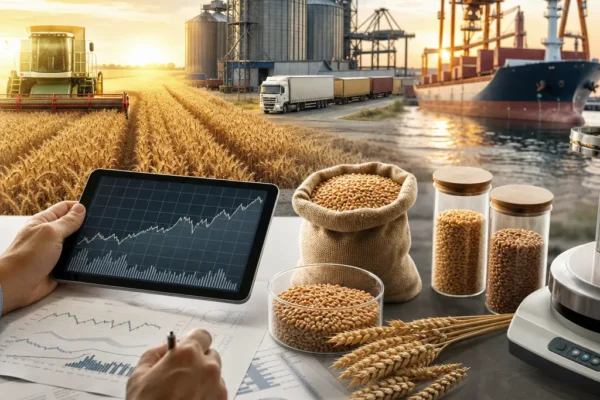
Wheat futures are standardized exchange contracts that let farmers, grain buyers, exporters, mills, processors, and traders manage wheat price risk or take a market view without immediately moving physical grain. In practice, they work as a financial market built around…

Read More
How Grain Futures Work

How Grain Futures Work

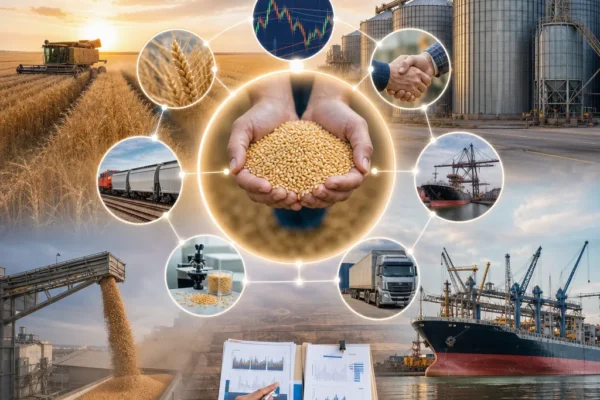
Grain futures are standardized contracts traded on regulated commodity exchanges that let market participants lock in a price for grain to be bought or sold later. They are used by farmers, elevators, processors, exporters, feed manufacturers, and financial traders, but…

Read More
Soybean Trading for Beginners

Soybean Trading for Beginners

Soybean trading means dealing either in physical soybeans or in soybean-related financial contracts such as futures and options. Beginners often confuse these two markets, but they work differently, involve different counterparties, and serve different purposes. In practice, physical soybeans are…

Read More