Soybean Trading for Beginners

Soybean Trading for Beginners

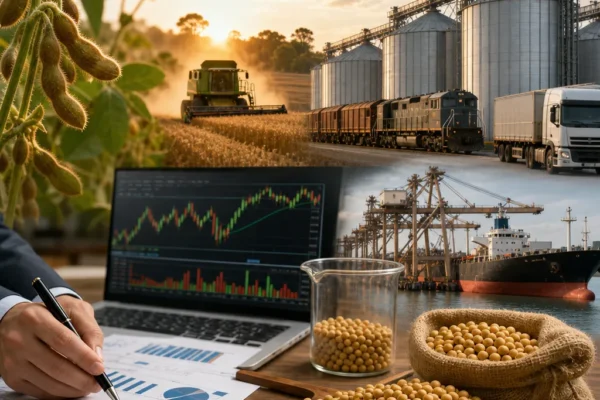
Soybean trading means dealing either in physical soybeans or in soybean-related financial contracts such as futures and options. Beginners often confuse these two markets, but they work differently, involve different counterparties, and serve different purposes. In practice, physical soybeans are…

Read More
US Soybean Market Outlook

US Soybean Market Outlook

The US soybean market is the world’s key reference point for soybeans, soybean meal, and soybean oil. It operates across a large domestic cash network of farms, country elevators, river terminals, processors, rail loaders, and export terminals, while global price…

Read More
Wheat Trading for Beginners

Wheat Trading for Beginners

Wheat trading starts with one key distinction: trading a wheat price is not the same as buying or selling physical wheat. Beginners usually encounter wheat first through futures quotes on an exchange, but farmers, mills, feed companies, and exporters often…

Read More
US Corn Futures Market

US Corn Futures Market

The US corn futures market is the main benchmark for corn pricing not only in the United States, but across much of the global grain trade. In practice, when traders, farmers, feed manufacturers, ethanol plants, exporters, and importers talk about…

Read More
US Corn Supply and Demand

US Corn Supply and Demand

The United States is one of the world’s most important corn markets, so “US corn supply and demand” refers not just to farm production, but to the full balance between acreage, yields, stocks, feed use, ethanol demand, exports, and prices…

Read More
Grain Trading for Beginners

Grain Trading for Beginners

Grain trading begins with one important distinction: the grain market has both a financial side and a physical side. You can trade wheat, corn, soybeans, rice, barley, oats, rye, sorghum, canola, rapeseed, or sunflower seed through futures and options on…

Read More
US Corn Import Market

US Corn Import Market

The US corn import market is the flow of corn purchased by buyers in the United States from foreign origins and brought into US territory for feed, industrial use, food processing, or specialized regional demand. Although the United States is…

Read More