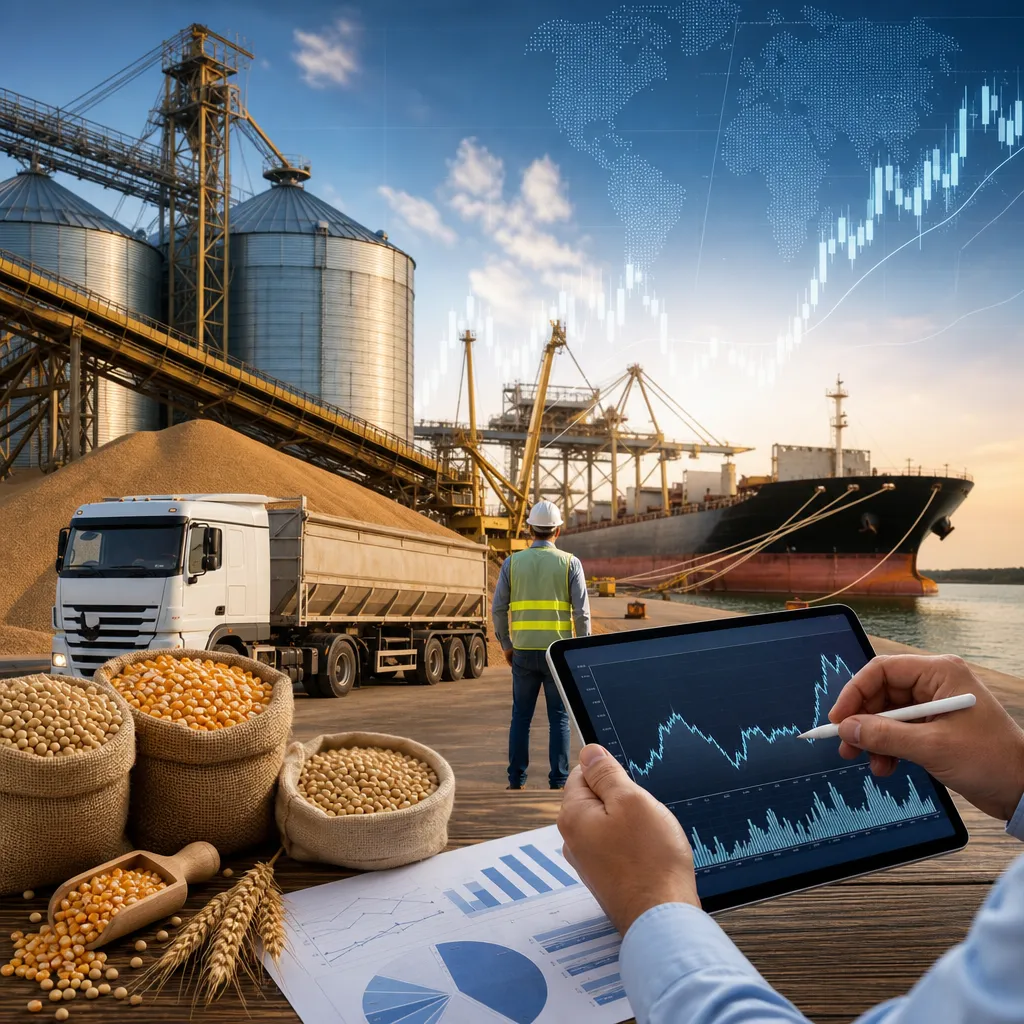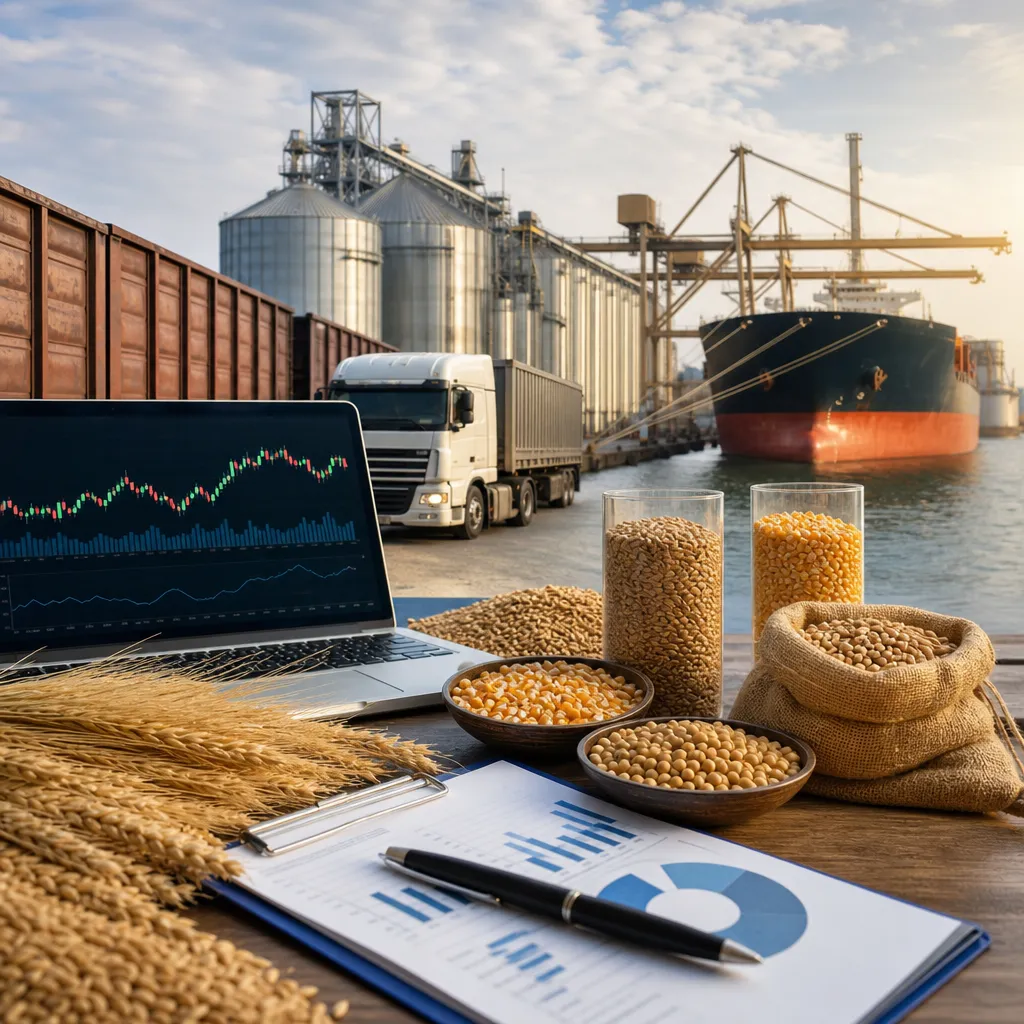
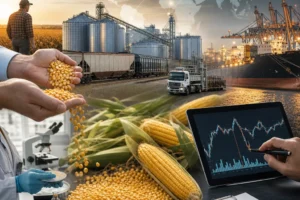
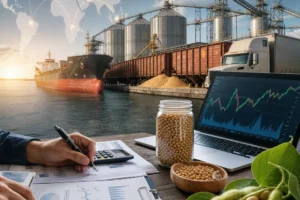
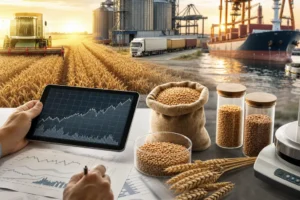
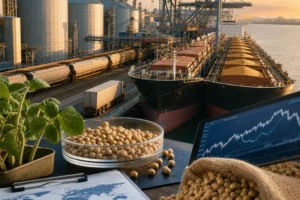
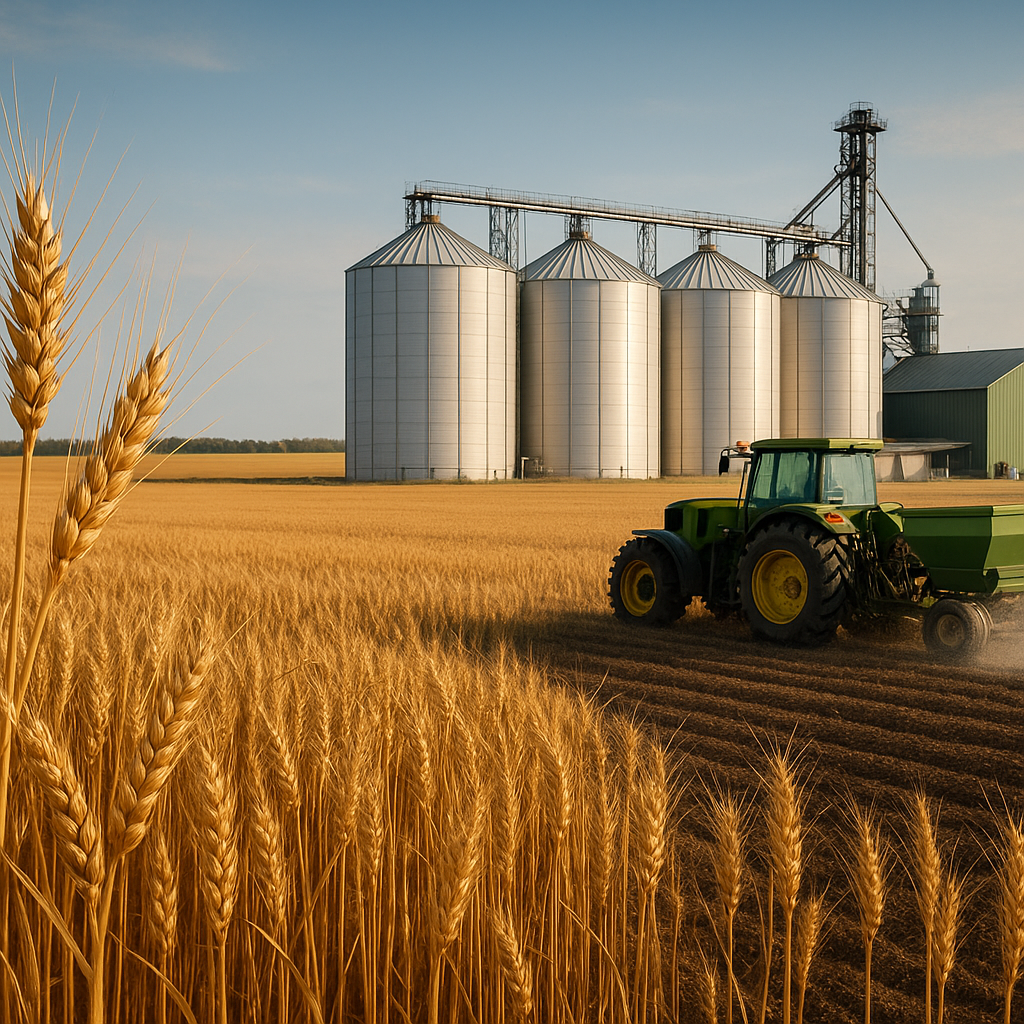
The global grain and fertilizer markets are intertwined in a complex web of supply chains, economic drivers, and environmental considerations. As agricultural producers navigate fluctuating prices and evolving government policies, understanding how these two sectors influence each other is crucial for stakeholders across the value chain. This article explores the core principles of grain trading, the mechanics of fertilizer production and distribution, and the dynamic relationship that links them together.
Grain Market Fundamentals
At its core, the grain market revolves around the balance between supply and demand. Major grains such as wheat, corn, and rice serve as staples for human consumption, livestock feed, and industrial applications. The global volume traded annually reaches hundreds of millions of tonnes, driven by key exporting nations including the United States, Brazil, Argentina, and members of the European Union.
Price discovery in grain markets occurs via futures exchanges like the Chicago Board of Trade (CBOT) and the Euronext exchange. Traders, processors, and speculators use these platforms to hedge against risk or to capitalize on anticipated movement. Grain prices are sensitive to several factors:
- Weather conditions and climate anomalies affecting planting and harvest
- Geopolitical tensions disrupting shipping lanes or trade agreements
- Currency fluctuations that alter export competitiveness
- Government subsidies and import/export tariffs
Farmers often lock in prices before planting to secure their revenue, while end-users like flour mills and ethanol plants hedge grain purchases to manage input costs. The interaction between cash markets and futures markets fosters liquidity but can also amplify volatility when unexpected events arise.
Fertilizer Market Dynamics
Fertilizer serves as a critical input to modern agriculture, enhancing yield potential and crop quality. The three primary nutrients—nitrogen (N), phosphorus (P), and potassium (K)—are commonly sold as NPK blends or as individual compounds:
- Nitrogen fertilizers (urea, ammonia, ammonium nitrate) produced from natural gas
- Phosphorus fertilizers (phosphates) mined from rock deposits and treated with sulfuric acid
- Potassium fertilizers (potash) extracted from underground salt deposits
Global fertilizer production is concentrated in regions with access to natural gas or phosphate rock. Russia, Canada, China, and the United States are among the largest producers. Production costs are heavily influenced by energy prices, which account for up to 70% of nitrogen fertilizer manufacturing expenses. Consequently, spikes in natural gas or oil prices often translate into higher fertilizer costs.
On the demand side, crop prices can drive fertilizer consumption. When grain prices are high, farmers are more willing to invest in additional nutrient applications to maximize output. Conversely, low crop prices may force growers to cut back on fertilizer use, potentially reducing long-term soil fertility.
Interconnections Between Grain and Fertilizer Markets
The relationship between grain and fertilizer markets is cyclical and mutually reinforcing. Sufficient fertilizer availability at reasonable prices encourages farmers to apply optimal nutrient rates, boosting yields and expanding total grain supply. A surplus of grain can depress crop prices, eroding farmers’ profit margins and possibly leading to reduced fertilizer purchases the following season.
In seasons of drought or flooding, grain production can plummet despite high fertilizer applications, triggering supply shocks and price surges. Under such conditions, the cost of fertilizer becomes secondary to the sheer availability of grain. However, if producers anticipate outsize returns, early-season fertilizer purchases may still be robust, creating a temporary surge in fertilizer demand that impacts global pricing.
Trade policies and export quotas further complicate this nexus. For instance, prohibitions on phosphate fertilizer exports can drive up domestic prices in importing countries, increasing local production costs for grains. Similarly, grain export bans aimed at stabilizing internal food prices can remove an important source of foreign exchange, indirectly hindering fertilizer imports by limiting government budgets.
Influencing Factors and Future Outlook
Several overarching trends will shape the future interplay between grain and fertilizer markets:
- Climate change: Altered precipitation patterns and extreme weather events may require more nuanced nutrient management and resilient crop varieties.
- Sustainability: Environmental concerns are prompting regulations on nitrogen runoff, driving interest in precision agriculture, slow-release fertilizers, and organic amendments.
- Technological innovation: Developments in sensor technology, satellite imaging, and machine learning enable site-specific fertilizer applications, reducing waste and improving efficiency.
- Population growth: Rising food demand will pressure the sector to produce more grain on the same or shrinking arable land base, maintaining strong fertilizer consumption.
- Geopolitical risks: Sanctions or conflicts that disrupt fertilizer production or grain shipping could trigger price spikes in both markets.
Private and public sector stakeholders are exploring collaborative approaches. Bulk purchasing agreements for fertilizer, improved port infrastructure for grain exports, and research partnerships aimed at developing nutrient use–efficient crop varieties exemplify integrated strategies. Farmers are also adopting risk management tools, such as weather-based crop insurance and flexible offtake contracts, to navigate the dual uncertainties of input costs and output prices.
Strategies for Market Participants
Risk Management
Producers may engage in forward-selling grain or entering basis contracts to secure predictable cash flows. Simultaneously, they can use fertilizer prepayment agreements to lock in prices and delivery volumes months in advance. Spreading purchases across different suppliers and regions can mitigate supply disruptions.
Diversification
Agro-industrial firms often diversify across multiple crops and input products to establish hedges against localized weather or pest outbreaks. Grain trading houses may hold stakes in fertilizer production facilities, aligning their interests across the supply chain.
Data-Driven Decisions
Access to real-time market intelligence platforms allows buyers and sellers to monitor crop progress, fertilizer inventories, and shipping schedules. Incorporating agronomic data with economic forecasts helps optimize application timing and volume relative to expected grain price movements.