


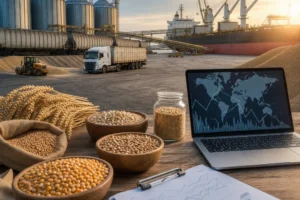


The accelerating frequency of extreme weather events is reshaping the dynamics of the global grain market. Unpredictable climatic phenomena such as droughts, floods, and intense heatwaves are disrupting traditional agricultural patterns, challenging producers, traders, and consumers alike. This article examines how these forces influence grain prices, the mechanisms behind market volatility, and the strategies that stakeholders adopt to safeguard food security and foster sustainability.
Impact on Crop Yields and Supply Chains
Severe weather can dramatically reduce harvest volumes. For instance, prolonged droughts diminish soil moisture, slowing plant growth and shrinking kernel size. Conversely, unexpected floods may waterlog fields, causing root rot and planting delays. These production shocks have a cascading effect on supply chain operations:
- Transportation bottlenecks—Flooded roads and damaged rail lines hinder grain movement from farms to storage facilities.
- Storage losses—High humidity and temperature spikes promote spoilage and mycotoxin development in silos.
- Logistical costs—Emergency rerouting and additional drying or cleaning add to operational expenses.
When farmers face yield reductions, they often adjust planting decisions in the following seasons, selecting more resilient crop varieties or shifting acreage to less affected regions. However, these adaptive measures may not fully offset production declines in the short term, leading to tighter global stocks and upward pressure on prices.
Market Reactions and Price Volatility
Global grain exchanges rapidly digest weather-related news, re-pricing contracts in real time. The interplay of supply expectations and trader sentiment fuels speculation and drives swift price swings:
- Futures markets—When forecasts predict substandard yields, traders often buy call options or long futures positions, anticipating higher spot prices.
- Short squeezes—Commercial sellers who lack adequate physical supply may be forced to cover shorts quickly, amplifying price rallies.
- Risk premium—Under conditions of elevated uncertainty, buyers accept paying a premium to secure delivery volumes, further pushing up market levels.
Empirical studies show that even minor deviations from average weather patterns can spike price indices by several percentage points within days. This market volatility poses challenges for end-users like food processors and livestock producers, who struggle to forecast procurement budgets under rapidly changing price scenarios.
Adaptive Strategies Adopted by Stakeholders
To mitigate financial exposure and ensure continuity, various market participants deploy innovative tools and practices:
- Crop insurance programs—Index-based products compensate farmers automatically when weather parameters exceed predetermined thresholds, reducing indemnity delays.
- Hedging techniques—Forward contracts, swaps, and options help both producers and consumers lock in prices, stabilizing cash flows despite environmental risks.
- Precision agriculture—Deploying IoT sensors and satellite imagery, growers optimize water use and nutrient application, enhancing yield resilience against weather extremes.
- Sustainable practices—Conservation tillage, cover cropping, and diversified crop rotations improve soil health, boosting moisture retention and reducing vulnerability to climate shocks.
Collectively, these measures foster a more robust supply framework. Nevertheless, they entail additional costs and require technical expertise, which may be scarce in emerging agricultural markets.
Policy Measures and Future Outlook
Governments and international bodies play a pivotal role in buffering the grain market from climate-induced disruptions. Key policy interventions include:
- Strategic reserves—Maintaining government-held grain stocks provides a buffer against acute shortages and curbs speculative price spikes.
- Export regulations—Temporary export bans or tariffs can stabilize domestic markets but risk escalating global supply imbalances.
- Investment in research—Funding the development of drought-tolerant and flood-resistant crop varieties underpins long-term adaptability.
- International cooperation—Cross-border early warning systems and coordinated relief efforts enable rapid response to transnational food crises.
Looking ahead, climate models project heightened volatility in weather patterns, suggesting that current adaptation strategies may need scaling. Market participants are increasingly exploring alternative grains—such as millets and sorghum—that require less water and thrive in marginal soils. Moreover, digital platforms offering real-time weather analytics and virtual marketplaces enhance transparency, enabling actors to make informed decisions swiftly.