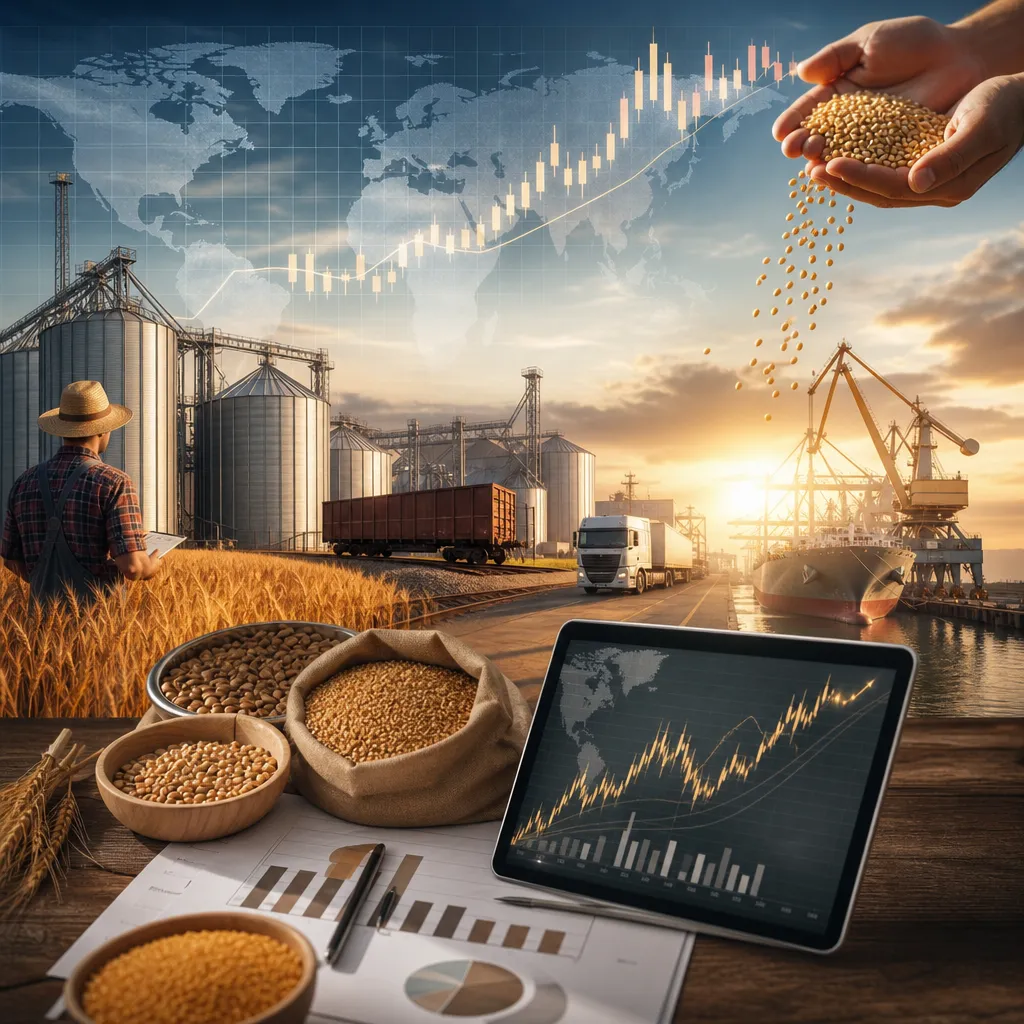




The transformation of agricultural structures has significant implications for grain markets worldwide. Over recent decades, the shift toward larger, more integrated operations has reshaped supply chains, altered price formation, and influenced the balance of power among stakeholders. Understanding these changes requires a deep dive into the forces driving consolidation, its ripple effects on trade and competition, and the policies shaping future developments.
Economic Drivers Behind Farm Consolidation
Farm consolidation emerges from a complex interplay of economic pressures, technological progress, and capital requirements. Small and medium farms often struggle to compete due to rising costs of machinery, land, and labor. Larger operations, by contrast, benefit from efficiency gains and greater access to credit. This dynamic fosters a cycle where successful agribusinesses expand further, while marginal producers exit the sector.
Key factors fueling this shift include:
- Investment in advanced machinery and precision agriculture tools, which demand significant upfront capital but deliver higher output per hectare.
- Consolidated purchasing power for inputs—fertilizers, seeds, pesticides—allowing bulk discounts and favorable payment terms.
- Integrated logistics networks: large farms often establish their own storage, processing, and transportation facilities, reducing reliance on third-party providers.
- Regulatory environments that sometimes favor larger operations via subsidies and tax incentives, inadvertently encouraging further mergers and acquisitions.
Moreover, global market volatility and uncertain weather patterns have driven farmers to seek scale as a risk mitigation strategy. By spreading fixed costs over a larger output base, consolidated enterprises can absorb price swings more effectively than smaller peers. This has led to a paradigm where the pursuit of scale is synonymous with long-term viability.
Repercussions on Grain Market Dynamics
As farms consolidate, the structure of grain markets undergoes profound changes. Price formation, trade flows, and competitive landscapes all adapt to the presence of fewer but more powerful players. The following subsections explore these effects:
Price Volatility and Market Power
Large-scale producers can influence local and international prices through volume commitments. This market power can dampen price spikes during shortages but may also pressure spot prices downward when inventories are high. Smaller traders and farmers often feel the squeeze, as margins tighten. In some regions, a handful of agribusiness conglomerates hold sway over up to 60% of export volumes, making the market less elastic and more susceptible to strategic behavior.
Supply Chain Integration
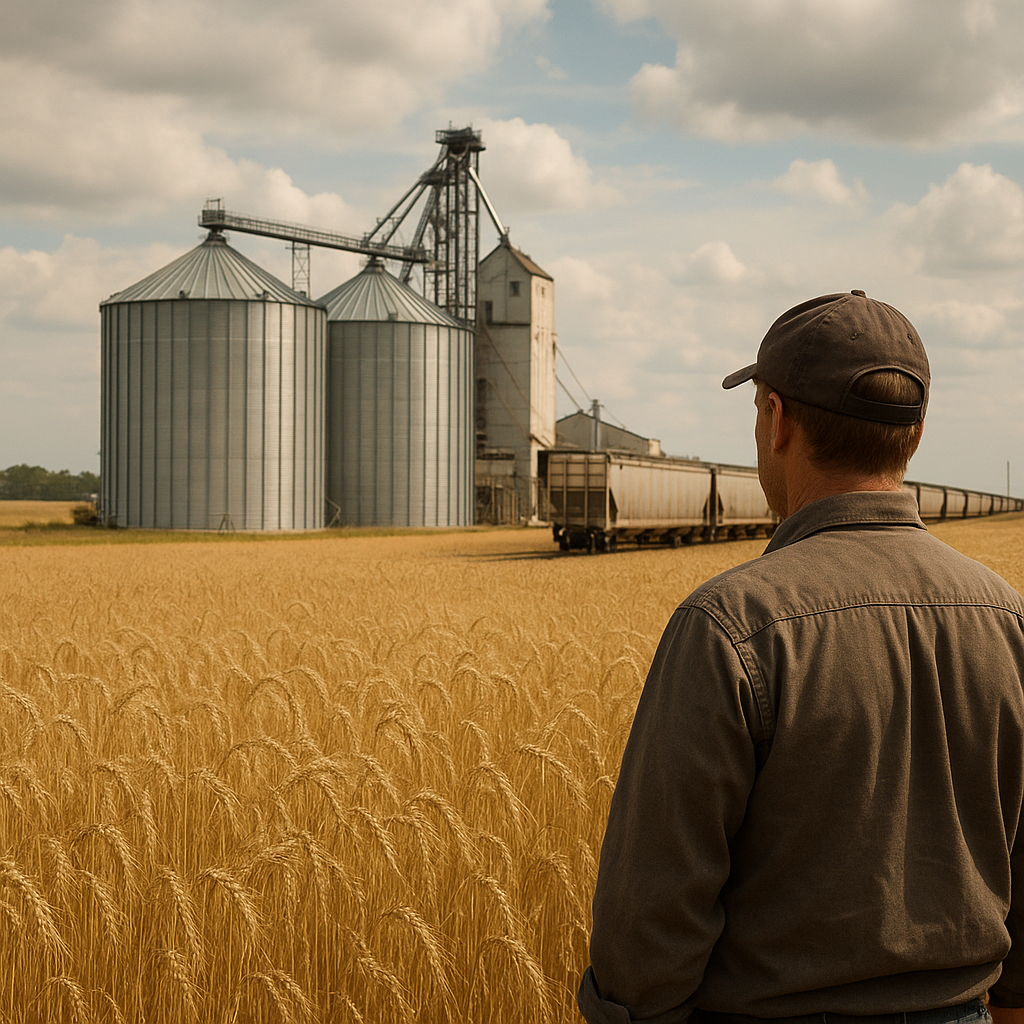
Consolidated farms typically integrate vertically, encompassing storage silos, grain elevators, and transport fleets. This reduces transaction costs and improves supply chain transparency. However, it also raises barriers to entry for independent operators. An emerging trend is the use of blockchain and IoT devices to track grain quality from field to port, reinforcing the position of large entities that can afford these technology investments.
Impacts on Farmers and Rural Communities
While consolidation can boost aggregate yields and promote innovation, it can also widen the gap between smallholders and mega-farms. In areas where family-owned plots once supported local economies, economic activity may decline as land values surge and labor demand concentrates on large estates. The social fabric of rural regions may fray when farming transitions from a community-centric pursuit to a corporate-led enterprise.
- Reduced competition among sellers can lead to competition concerns for downstream processors and consumers.
- Land consolidation often pushes marginalized farmers into off-farm employment or contract farming roles.
- Community services—schools, cooperatives, local markets—may contract as population density declines in farming districts.
Policy Responses and Future Trends
Governments and regulatory bodies are grappling with ways to balance the benefits of scale with the need for inclusive growth. Policy instruments range from antitrust enforcement to targeted subsidies for smallholders. In some cases, trade agreements include provisions aimed at leveling the playing field for enterprises of different sizes.
Antitrust and Competition Regulation
Authorities in major exporting countries have initiated inquiries into mergers among top agribusiness firms. The goal is to prevent excessive accumulation of market share that could distort markets or lead to price manipulation. Enforcement actions often require divestitures or behavioral remedies, such as ensuring open access to essential infrastructure like grain terminals.
Support for Small and Medium Farms
To preserve rural livelihoods and promote sustainability, some regions offer grants for precision equipment, training in regenerative agriculture, and low-interest loans. Cooperative models are also gaining traction, allowing farmers to pool resources for collective bargaining and shared facilities. By fostering collaboration, these initiatives aim to counterbalance the advantages of large-scale operators.
Global Trade and Risk Management
International bodies like the FAO and WTO advocate for transparent markets and fair trade rules. Emphasis is placed on reducing export restrictions and ensuring that large exporters do not leverage market dominance to erect non-tariff barriers. Simultaneously, risk management tools—such as crop insurance and price hedging—are being refined to help farms of all sizes manage climate and market uncertainties.
Looking ahead, the trajectory of farm consolidation will hinge on technological breakthroughs and evolving consumer preferences. Innovations in gene editing, digital platforms, and renewable energy could further tilt the balance toward larger operations. Yet, rising demand for traceability and ethical sourcing may create niches where smaller, differentiated producers thrive. Policymakers and industry stakeholders will need to navigate these cross-currents to ensure that the benefits of consolidation are widely shared, while preserving the resilience and diversity of global grain systems.