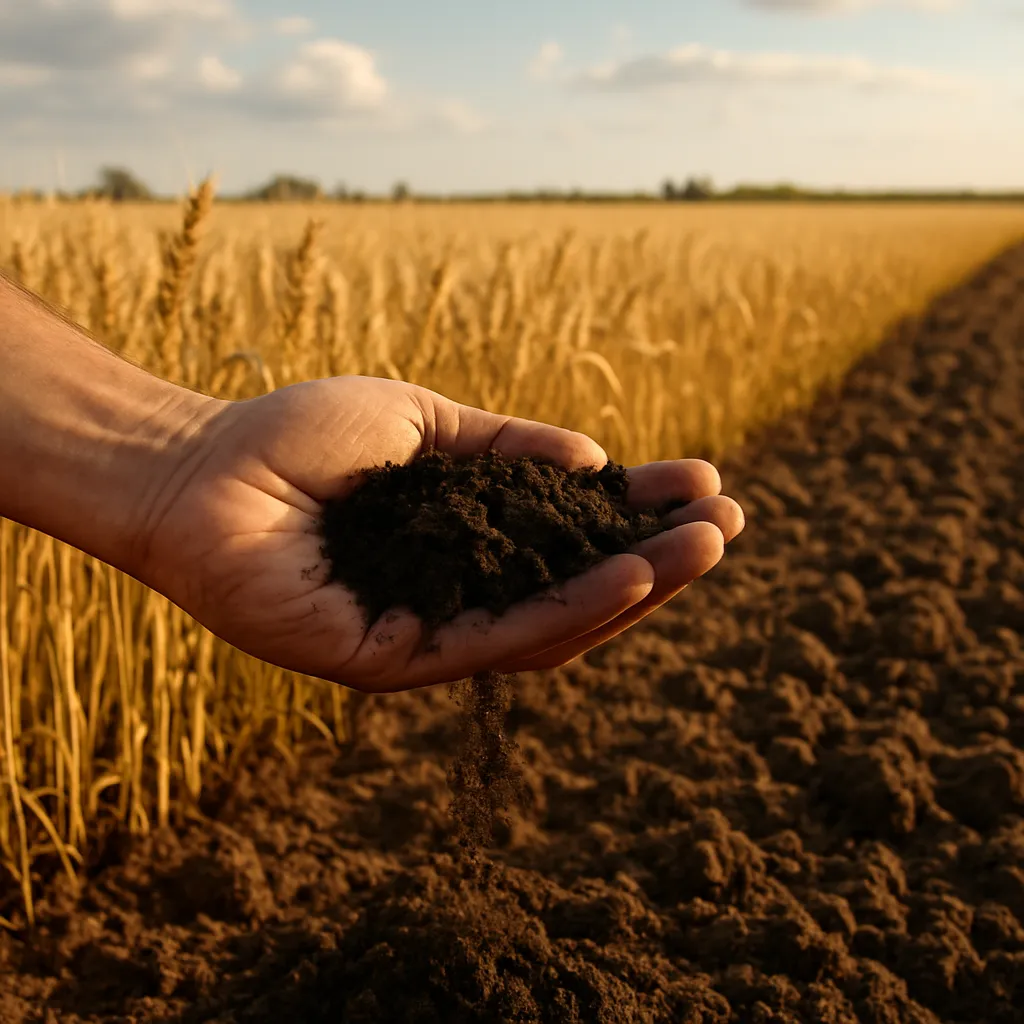





The intersection of advanced genetics and the global grain industry has emerged as a driving force behind enhanced yields, improved resilience, and evolving market dynamics. Through cutting-edge research and breeding strategies, scientists and farmers are unlocking the full potential of cereal crops—transforming both agronomic performance and commercial viability.
Genetic Foundations and Breeding Innovations
A comprehensive understanding of genetics forms the backbone of modern grain improvement programs. By dissecting the hereditary factors that govern traits such as grain size, nutrient content, and stress tolerance, plant breeders can manipulate key loci to produce superior varieties.
Germplasm Diversity and Trait Discovery
- Exploration of global gene banks to identify novel alleles associated with increased productivity.
- High-throughput sequencing of wild relatives unveiling resistance genes against drought, pests, and diseases.
- Integration of landrace germplasm into breeding populations to broaden the genetic base and enhance resilience.
Marker-Assisted and Genomic Selection
- Marker-Assisted Selection (MAS) accelerates breeding cycles by tagging favorable alleles for traits like protein content and harvest index.
- Genomic Selection employs predictive models based on genome-wide markers, enabling early selection for complex quantitative traits.
- Combining MAS and genomic estimated breeding values reduces time-to-market for new cultivars with higher yield potential.
Technological Advances in Genetic Modification and Gene Editing
Innovations in biotechnology have revolutionized the scope of genetic improvement beyond traditional crossbreeding. New genome editing tools and transgenic approaches are providing unprecedented precision in trait engineering.
CRISPR-Cas Systems for Precision Breeding
- CRISPR-Cas9 and Cas12a platforms enable targeted modifications of genes involved in nutrient uptake, grain quality, and abiotic stress tolerance.
- Multiplexed editing allows simultaneous alteration of multiple genomic sites, streamlining the development of multi-trait elite lines.
- Base editing techniques reduce off-target effects, ensuring regulatory compliance and consumer acceptance.
Transgenic Strategies and Trait Stacking
- Introduction of transgenes coding for pest-resistance proteins such as Bt toxins, reducing reliance on chemical pesticides.
- Nutritional enhancement through transgenes that increase micronutrients like iron and vitamin A, addressing global malnutrition.
- Stacking of multiple transgenic traits—herbicide tolerance, drought tolerance, and disease resistance—to create robust, climate-smart genotypes.
Market Dynamics and Sustainability Implications
The integration of genetically improved grains shapes supply chains, consumer preferences, and global trade. Stakeholders across the value chain—from seed companies to millers and retailers—must adapt to evolving genetic innovations and sustainability imperatives.
Economic Impact and Adoption Trends
- Increased productivity per hectare drives down production costs, benefiting both farmers and end consumers through more stable market prices.
- Rapid adoption of improved varieties in emerging markets, where yield gains can exceed 30% over conventional cultivars.
- Public–private partnerships fueling seed dissemination networks and farmer training programs to encourage uptake.
Sustainability and Environmental Resilience
- Breeding for enhanced water-use efficiency mitigates the impact of recurring droughts and conserves critical freshwater resources.
- Genetically driven disease resistance reduces fungicide and pesticide applications, lowering the agricultural carbon footprint.
- Integration of cover cropping and no-till practices with high-performing varieties fosters soil health and biodiversity.
Advanced Phenotyping and Data-Driven Decisions
Precise phenotyping complements genotypic advances, enabling breeders to link genomic variations to observable traits under field conditions. Digital agriculture tools and machine learning algorithms are redefining selection accuracy.
High-Throughput Field Phenotyping
- Unmanned Aerial Vehicles (UAVs) equipped with multispectral sensors capture canopy temperature and biomass dynamics.
- Ground-based platforms collect continuous data on growth rates, root architecture, and nutrient status.
- Real-time analytics facilitate rapid interpretation of genotype-by-environment interactions.
Big Data and Predictive Analytics
- Integration of genomic, phenotypic, and environmental datasets into centralized databases improves trait discovery pipelines.
- Machine learning models predict performance across diverse agroecological zones, optimizing variety recommendations for specific regions.
- Decision-support systems guide farmers in selecting the most suitable varieties and management regimes for maximizing yield.
Future Directions in Grain Genetics and Market Integration
Emerging research frontiers promise to further enhance grain productivity and market adaptation. Synthetic biology, pan-genome mapping, and digital seed platforms stand at the cutting edge of this transformative journey.
Synthetic Biology and Artificial Intelligence
- Design of synthetic regulatory circuits to fine-tune gene expression under stress conditions.
- AI-driven discovery of novel gene functions from vast multi-omics datasets.
- Custom-engineered microbes for symbiotic nitrogen fixation, reducing fertilizer dependence.
Pan-Genome Resources and Collaborative Networks
- Construction of pan-genomes capturing the full spectrum of genetic variation within major cereal species.
- Open-access platforms enabling breeders worldwide to leverage shared genomic resources.
- Global consortia fostering data interoperability and harmonized regulatory frameworks for variety approval.