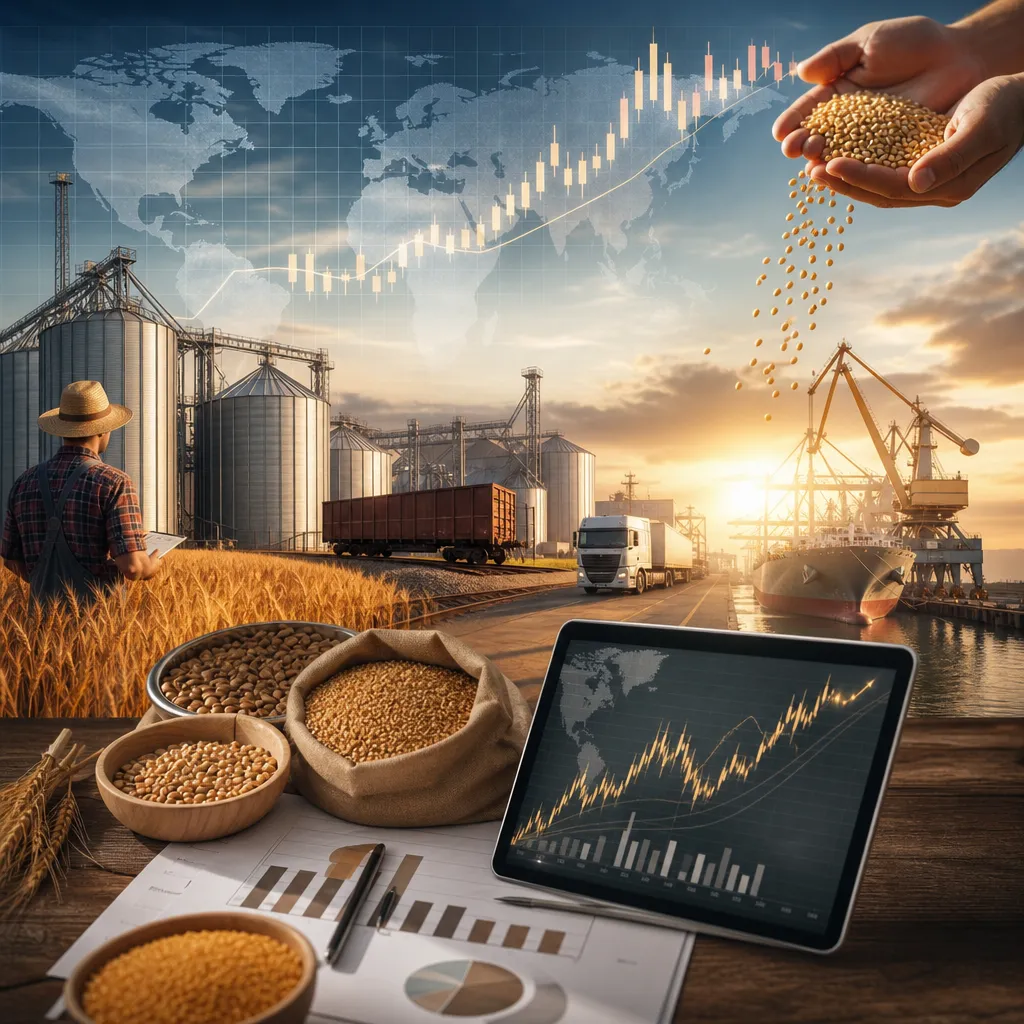









The ripple effects of rising interest rates extend far beyond the banking sector, reaching deep into the world of grain markets. Traders who navigate the complex landscape of wheat, corn, soybeans, and other commodities must grapple with shifting costs, evolving market psychology, and the mechanics of futures contracts. Understanding how higher rates reshape financing structures, price formation, and risk management is crucial for maintaining a competitive edge.
Impact of Rising Interest Rates on Financing Costs
One of the most direct consequences of a rate hike is its effect on the cost of capital. Grain traders often rely on external funds to support large positions, whether through bank loans, lines of credit, or margin financing. As benchmark rates climb, lenders pass on these increases, pushing up the expense associated with maintaining open positions.
Leverage and Margin Calls
Higher rates translate into more expensive credit, which can force traders to adjust their leverage ratios. Those carrying significant open contracts may face more frequent margin calls if the financing costs erode available collateral. This dynamic can trigger involuntary liquidation, especially in thinly traded markets where sudden sell-offs exacerbate price swings.
Working Capital and Carry Trades
Grain traders often execute carry trades—buying a physical commodity and storing it to sell at a later date. These strategies require significant financing to cover storage fees, insurance, and interest expenses. As rates climb, the break-even point for profitable carry trades shifts, forcing participants to either raise their price targets or curtail their inventories.
- Increased interest expense on warehouse financing
- Higher hurdle rates for carry trade profitability
- Reduced rollover of positions due to cost considerations
Effects on Volatility and Pricing Dynamics
Interest rate changes often coincide with shifts in monetary policy expectations, macroeconomic outlooks, and currency valuations. Grain markets, sensitive to both supply fundamentals and financial flows, can experience amplified volatility as traders reassess their positions.
Futures Curve and Backwardation
When financing becomes more expensive, the futures curve may invert. Under normal conditions, a contango structure reflects storage and financing costs for holding the physical grain. Rising rates increase those costs, potentially deepening contango or even leading to backwardation if near-term demand spikes relative to deferred delivery.
Currency Impacts on Export Competitiveness
Higher domestic interest rates can strengthen the local currency, affecting export competitiveness for grain exporters. A stronger currency makes commodities more expensive on the international stage, which can dampen demand and create downward pressure on prices. Traders must monitor FX developments alongside interest rate announcements to calibrate hedging strategies effectively.
Speculative Positioning and Liquidity
Large speculators and managed funds play a significant role in price discovery. Higher financing costs may prompt these players to trim positions, lowering overall liquidity. Reduced depth can magnify price swings, especially around key data releases such as USDA reports or crop progress surveys.
- Dwindling open interest on futures exchanges
- Wider bid-ask spreads during roll periods
- Increased correlation with other asset classes under stress
Strategic Adjustments and Risk Management
To thrive in a high-rate environment, grain traders must revisit their playbook. Deploying robust hedging techniques, recalibrating financing structures, and embracing scenario analysis can mitigate the challenges posed by rising rates.
Optimizing Hedge Ratios
Traditional hedge ratios may no longer suffice when cost-of-carry dynamics shift rapidly. By running stress tests across various interest rate scenarios, traders can identify the optimal mix of spot purchases, futures contracts, and options positions to lock in margins without overpaying for protection.
Alternative Financing Solutions
Beyond standard bank loans, some trading firms explore receivables financing, supply chain financing, or even partnerships with private equity. These alternatives can offer more flexible terms or rate caps that help manage cash flow unpredictability triggered by sudden rate adjustments.
Scenario Analysis and Stress Testing
Instituting comprehensive stress tests that incorporate dovish-to-hawkish monetary policy shifts is critical. By simulating the impact of a 50-basis-point or 100-basis-point move, traders can project P&L outcomes and adjust position sizes, collateral buffers, or stop-loss orders accordingly.
- Evaluating break-even points at various rate levels
- Assessing counterparty risk in financing agreements
- Incorporating volatility spikes into margin requirements
Maintaining Competitive Edge
Finally, the most resilient trading operations emphasize real-time data analytics and automation. Advanced algorithms can monitor futures spreads, basis movements, and funding rates simultaneously, enabling split-second adjustments that human traders might miss. In a volatile, high-rate world, speed and precision often determine profitability.