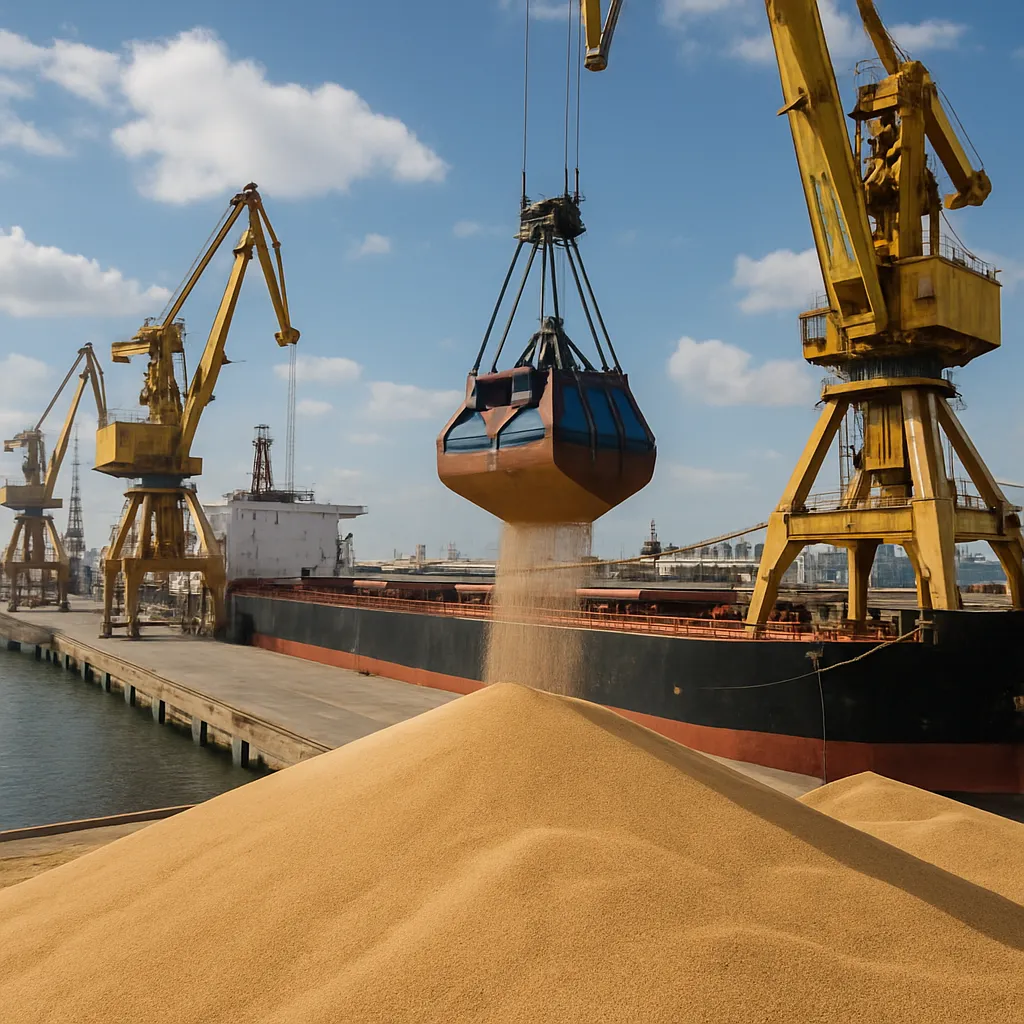


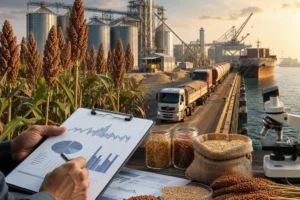
The recent wave of geopolitical tensions has unleashed dramatic ripples across grain supply lines, exposing systemic weaknesses that threaten global food security. From the imposition of export bans by major producers to the disruption of key shipping routes through contested waters, international stakeholders face mounting pressure. This analysis delves into how armed conflicts, economic sanctions, and policy shifts in critical producing regions alter grain availability, elevate transportation costs, and shift trade dynamics in ways that reverberate through commodity markets worldwide.
Impact of Regional Conflicts on Grain Exports
Armed conflicts in top exporting areas can trigger sudden export curfews and harvest interruptions, forcing local authorities to curtail shipments. When a nation wrestles with internal unrest, policymakers often prioritize domestic stockpiles over international trade commitments. Such measures leave global buyers scrambling for alternative sources, undermining established contracts and eroding confidence in long-term partnerships. Smaller producers, lacking the leverage to negotiate new outlets, may face bankruptcy amid shrinking profit margins.
Sanctions imposed on aggressor nations represent another layer of complexity. Freight insurers may withdraw coverage for vessels servicing blacklisted ports, while banks hesitate to finance transactions tied to sanctioned regions. Although aimed at constraining state coffers, these actions inadvertently choke the flow of staple commodities like wheat and barley. Companies caught in the crossfire confront payment delays, onerous compliance checks, and soaring operational costs.
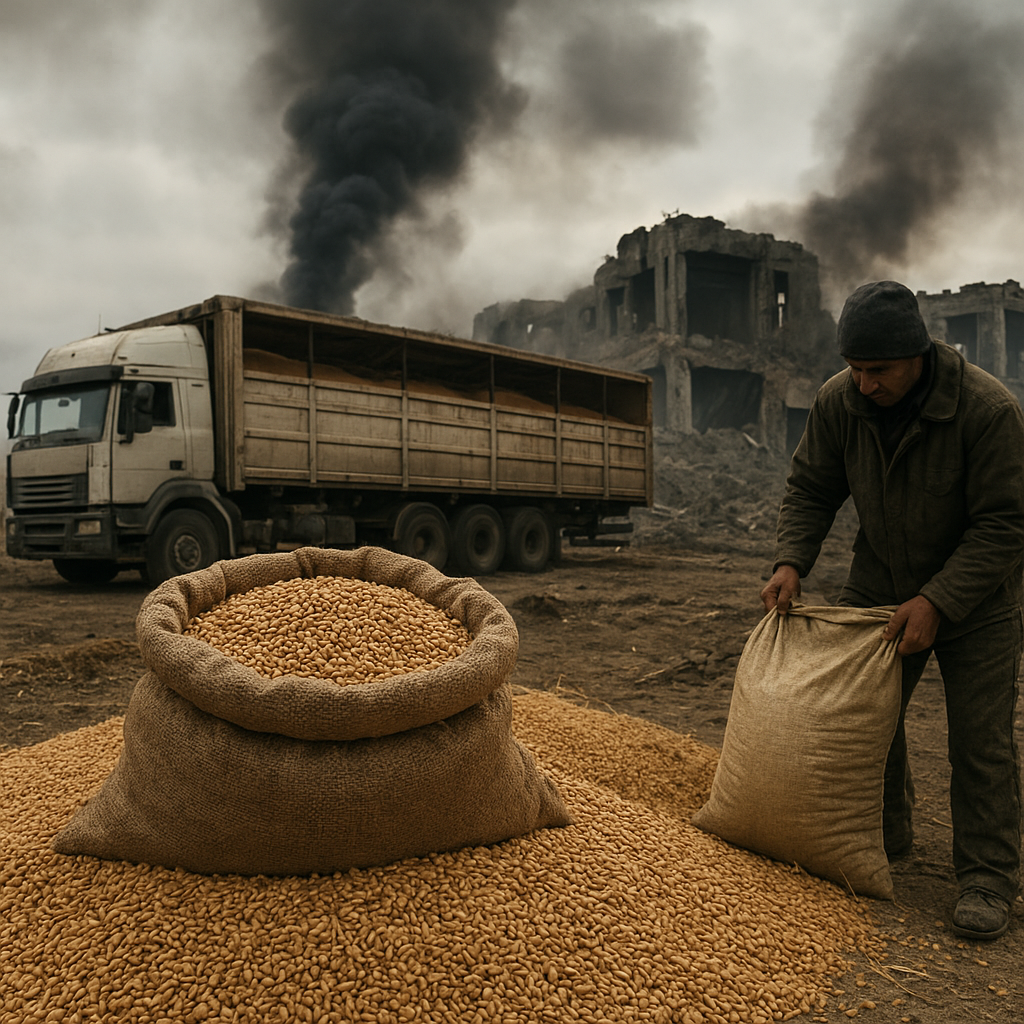
Beyond export restrictions, damaged infrastructure amplifies disruptions. Conflict zones frequently see grain elevators, rail yards, and highways reduced to rubble, forcing producers to reroute supplies along lengthier, riskier corridors. Each detour drives up fuel and labor expenses, squeezing the margins of agribusiness firms already grappling with inflation. In many cases, regional growers lose access to maritime markets altogether, as alternative transit networks lack the capacity to handle surging volumes.
Even localized skirmishes near strategic chokepoints can trigger global reverberations. Straits, canals, and major harbor entrances become flashpoints, with belligerents targeting commercial traffic or laying mines to deter adversaries. Grain shipments stalled by such hostilities face spoilage risks, while shipping alliances must recompute itineraries, driving up freight rates as vessels navigate lengthier, safer detours.
Logistical Challenges and Port Disruptions
Logistical corridors that once functioned like clockwork can rapidly deteriorate into patchwork systems patched together by emergency measures. Port shutdowns, labor shortages, and erratic fuel supplies create unpredictable timelines. When critical terminals go offline, exporters vie for scarce berthing slots at neighboring harbors, leading to steep fees and prolonged waiting periods. The absence of real-time data exacerbates scheduling uncertainties, as shippers and consignees remain in the dark about berth availability and customs clearances.
- Port blockades established by naval forces to enforce maritime sanctions
- Damage to grain elevators from airstrikes or sabotage operations
- Inspection delays caused by heightened security protocols
- Shortages of qualified stevedores due to conflict-related labor migration
- Transportation bottlenecks triggered by limited trucking and rail capacity
Rerouting cargo vessels around conflict zones often means traversing longer sea lanes, sometimes through pirate-prone waterways lacking modern port infrastructure. These detours inflate insurance premiums and extend transit times, jeopardizing contracts sensitive to delivery windows. Even after discharge, domestic trucking and rail networks may buckle under redirected volumes, compounding delays and driving up inland freight costs for grain buyers.
Market Reactions and Price Volatility
The unpredictability of supply fosters market volatility as traders adjust positions in response to every morsel of news. Futures prices on commodity exchanges can swing dramatically with reports of border closures or fresh hostilities, triggering margin calls and circuit breakers for highly leveraged speculators. Millers and processors scramble for protective contracts, inflating local grain prices and passing higher costs onto end-consumers in the form of pricier bread, pasta, and livestock feed.
Political developments often intensify speculative trading, as investors attempt to anticipate shortages. A sudden announcement of port closures can spike nearby contract months, with prices surging well beyond fundamental supply–demand imbalances. Conversely, rumors of ceasefires or the easing of trade barriers may prompt swift corrections, though underlying logistical hurdles frequently persist, tempering broader market rallies.
Price divergences emerge across regions, reflecting each market’s unique exposure to conflict. Import-dependent countries with singular sourcing channels face acute shortfalls, while those with diversified networks maintain steadier supplies. Such disparities highlight the importance of flexible procurement and the ability to pivot swiftly between origins or grain varieties to mitigate localized shocks.
Strategies for Resilience in Grain Supply Chains
Industry participants are deploying a range of tactics to shore up grain supply chains against geopolitical shocks. Traders increase transparency by sharing real-time shipment data, while buyers split orders among multiple suppliers to avoid overreliance on any single region. Governments and private stakeholders collaborate on contingency planning, prioritizing maintenance of key railheads and port terminals to keep flows moving even under duress.
- Diversification of sourcing origins to prevent dependency on high-risk areas
- Creation of strategic grain reserves to buffer against sudden export halts
- Investment in alternative transport modes, such as inland waterways and new rail corridors
- Risk management through forward contracts and options to lock in prices
- Collaborative planning between public and private sectors to coordinate emergency responses
Technological advancements further reinforce resilience. Satellite imagery and blockchain-enabled tracking systems allow stakeholders to verify the location and condition of grain shipments in real time, reducing delays due to documentation errors or inspection disputes. Digital marketplaces can match surplus deliveries from stable regions with deficit areas, optimizing logistics and reducing transaction costs.
Policy reforms aimed at harmonizing cross-border trade procedures also alleviate friction. Streamlined customs regulations, unified digital documentation, and mutual recognition of phytosanitary certificates speed clearance times and curb illicit diversions. When paired with sustained diplomatic efforts to keep essential agricultural corridors open—despite broader hostilities—these measures can foster a more robust grain market capable of withstanding future geopolitical shocks.