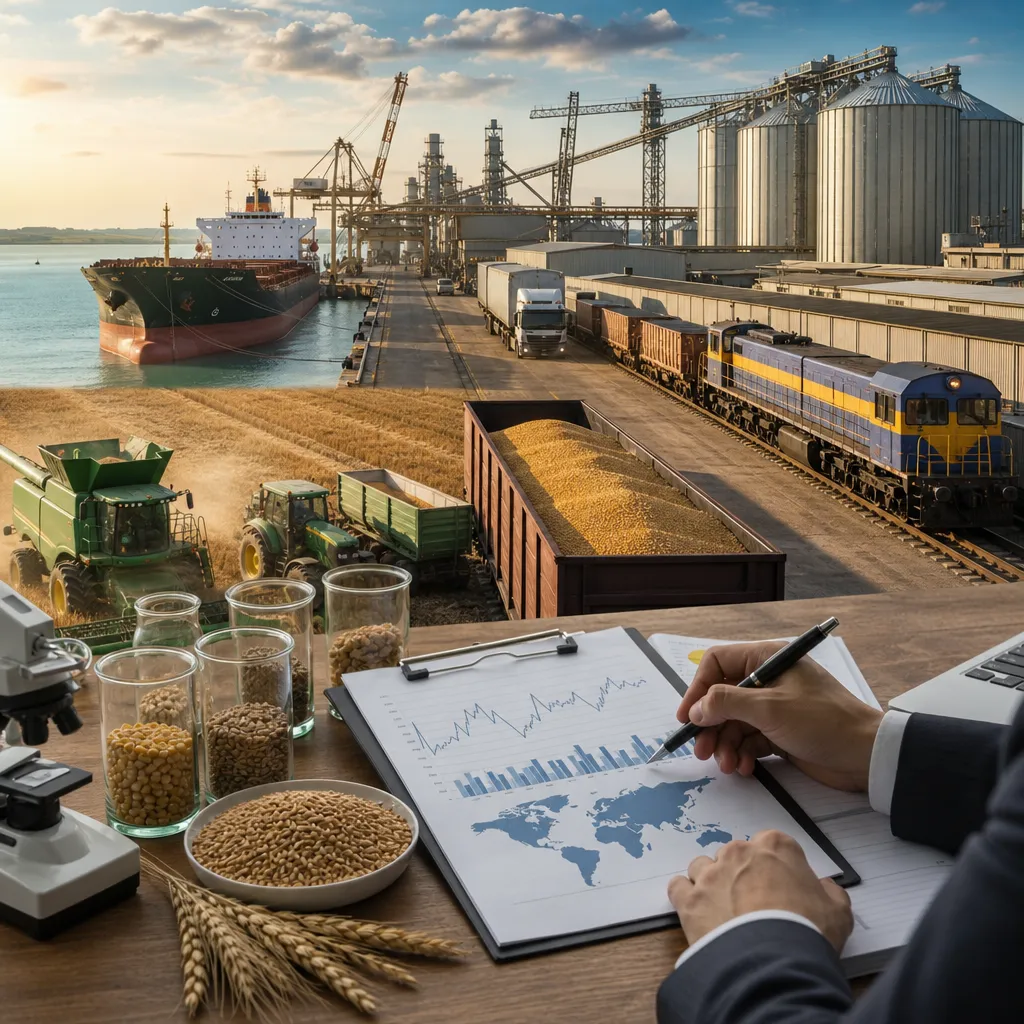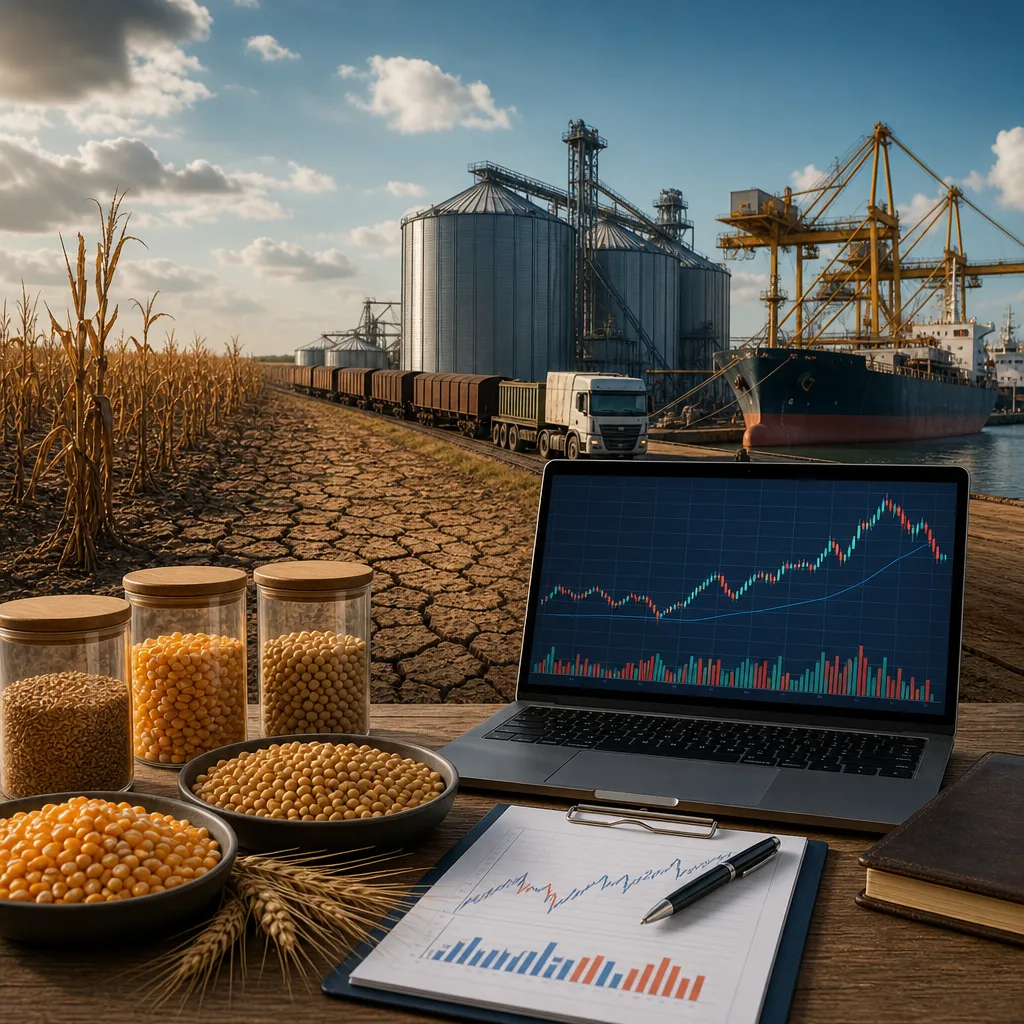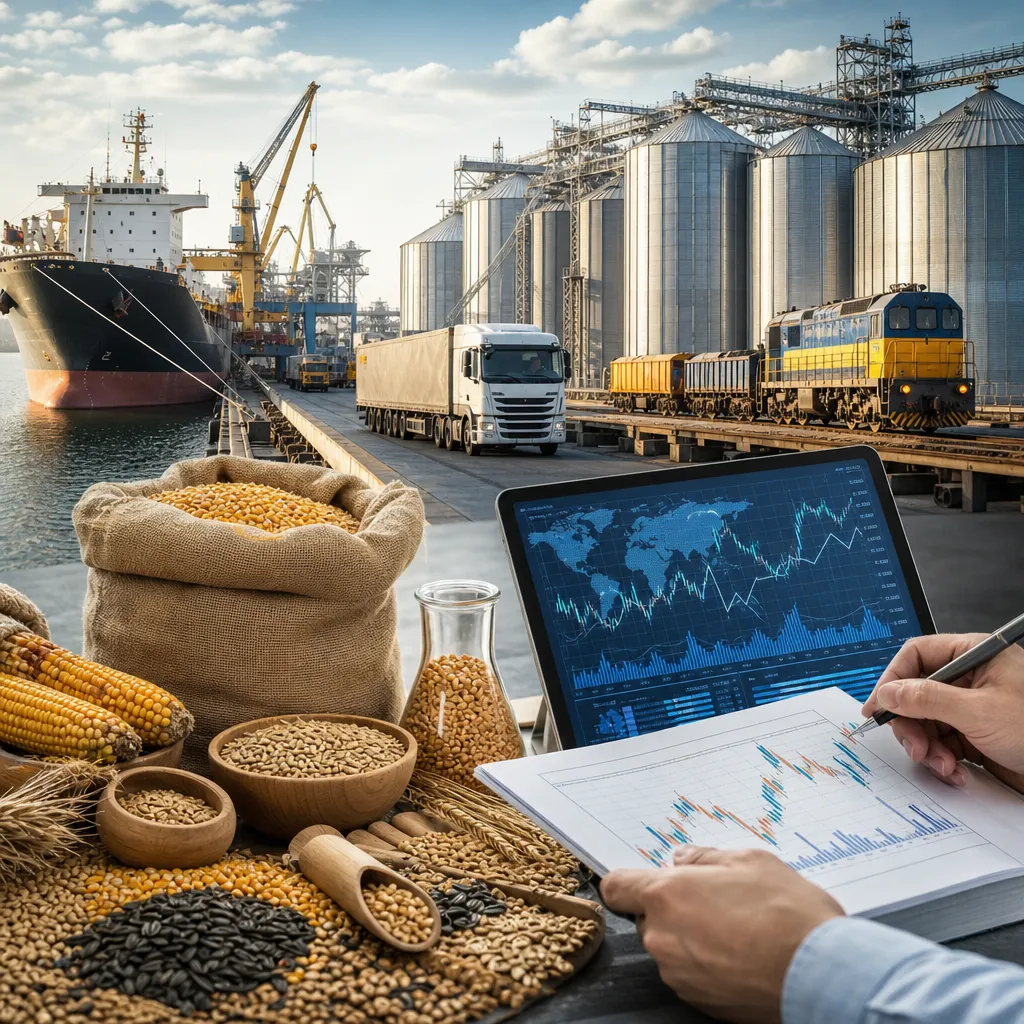
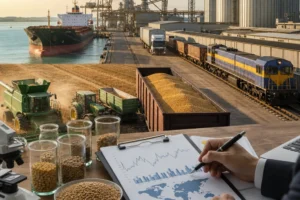
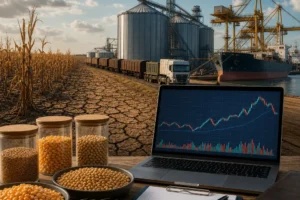
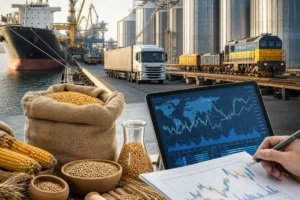
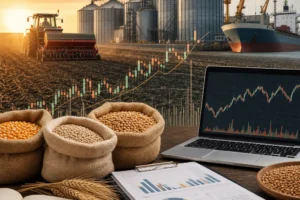


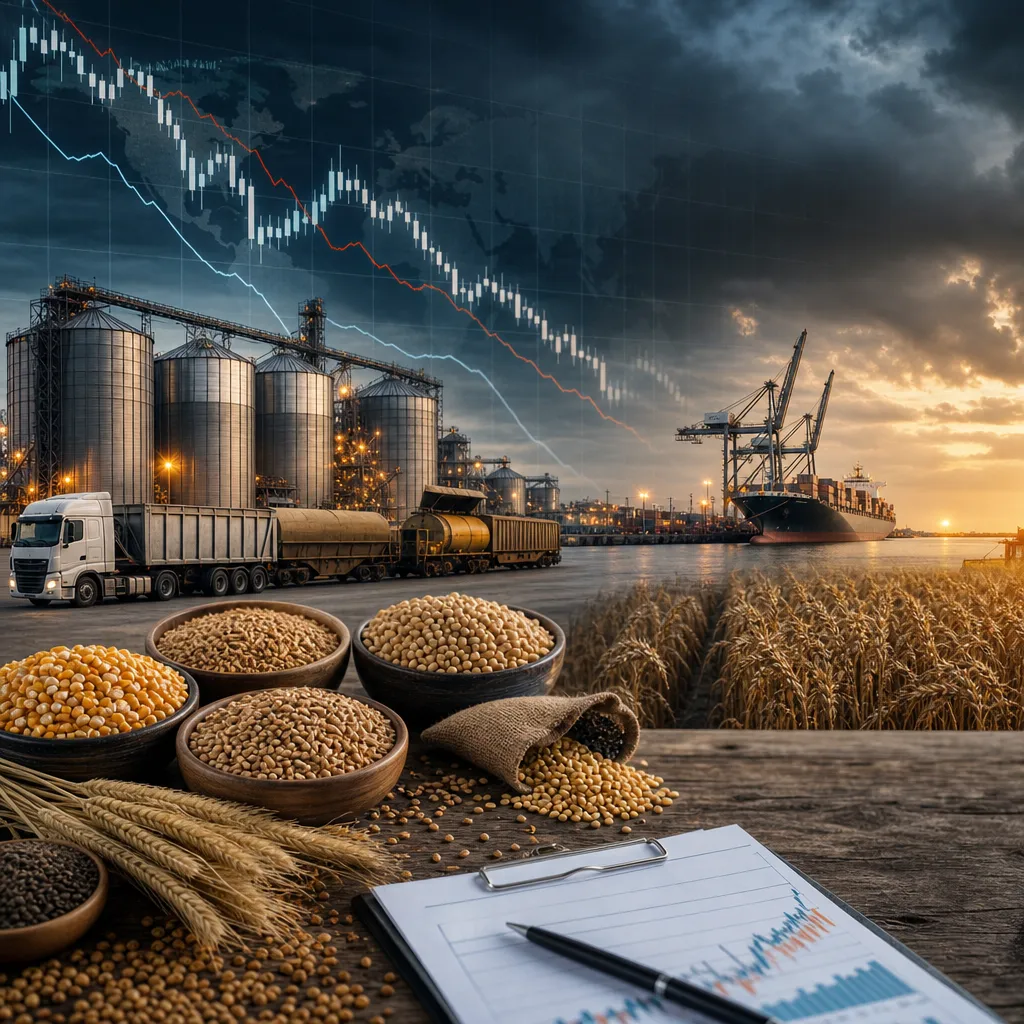
Grain prices often behave differently from many industrial commodities during recessions because food demand does not disappear, but prices can still fall sharply when economic contraction weakens fuel demand, animal feed demand, trade flows, credit availability, and investor risk appetite. In practice, recession grain pricing is shaped by two markets at once: exchange-traded futures prices that react quickly to macroeconomic news, and local cash prices paid by elevators, cooperatives, processors, mills, feed buyers, or exporters. The most important point is that a recession does not automatically mean higher or lower grain prices; it changes the balance between demand destruction, currency moves, logistics, and supply conditions. To understand what grain is worth during a recession, readers need to check both benchmark futures and local basis-driven cash bids, then connect them to stocks, weather, exports, and end-user demand.
Why recessions matter to grain prices
A recession is a broad slowdown in economic activity. For grain markets, that slowdown affects demand channels unevenly. Staple food consumption is relatively stable, but some uses of grain are more cyclical, especially livestock feeding, industrial processing, and biofuels.
For example, corn can be heavily influenced by ethanol demand, so a recession that reduces driving, fuel use, or refinery margins may pressure corn prices even if crop conditions are unchanged. Soybeans can be affected through vegetable oil, biodiesel, livestock feed, and export demand. Wheat and rice are often more defensive because they are core food staples, but they are still influenced by freight, government policy, currencies, and import buying power.
Recessions also change financing conditions. Farmers, merchants, processors, and importers may face tighter credit. That can slow physical trading, widen basis levels, increase storage pressure, and make buyers more selective on quality and shipment timing.
How grain prices are actually quoted
When people discuss grain prices during recessions, they often mix up futures prices with physical cash prices. They are related, but they are not the same.
Futures prices
Futures are standardized exchange-traded contracts. In the United States, major grain benchmarks trade on CME Group, including corn, soybeans, soybean meal, soybean oil, Chicago wheat, Kansas City wheat, and oats. These contracts are financial and commercial risk-management tools. They are visible online through exchange data, broker platforms, market terminals, charting services, and many agricultural media outlets.
A futures quote reflects the market value of a specific contract month, delivery specification, and exchange location. It is not automatically the price a farmer receives at a country elevator or the price an importer pays at a port.
Cash prices
Cash prices are physical grain bids or offers in a real location. They are normally quoted by local elevators, agricultural cooperatives, feed mills, crushers, flour mills, ethanol plants, exporters, grain merchants, or brokers in the physical trade. A cash grain bid usually reflects:
- the relevant futures benchmark,
- basis, meaning the local premium or discount versus futures,
- quality grade and testing results,
- delivery period,
- freight and handling,
- local storage pressure,
- regional supply and demand.
During recessions, basis can move more than many people expect. Futures may fall because macro investors sell risk assets, while a local processor still needs grain and bids stronger basis. The reverse can also happen: futures stay stable, but local bids weaken because elevators are full, export demand slows, or freight becomes difficult.
| Market type | What price means | Where it is found | Who uses it |
|---|---|---|---|
| Futures | Benchmark price for a standardized contract month and delivery specification | Commodity exchanges, broker platforms, market data services | Traders, hedgers, funds, elevators, processors, exporters |
| Cash bid | Actual local buying price for physical grain, adjusted for basis and quality | Elevators, cooperatives, processors, merchants, local bid sheets | Farmers, truckers, local buyers, grain merchants |
| Export or port price | Price for grain at a terminal or shipment point, often linked to global benchmarks | Exporters, merchants, port terminals, broker indications | Exporters, importers, trading houses, analysts |
What usually pushes grain prices up or down in a recession
Recessions work through demand, but they rarely operate alone. Grain still depends on weather, acreage, yields, stocks, and trade policy. A drought can support prices even during a severe economic slowdown. A large crop with weak demand can amplify a price decline.
| Factor | Typical recession effect | How it reaches grain prices |
|---|---|---|
| Energy demand | Often weaker | Lower ethanol or biodiesel demand can pressure corn or oilseeds |
| Livestock margins | Can tighten | Feed demand may soften if herd expansion slows |
| Currency moves | Often more volatile | Stronger exporter currencies can hurt competitiveness; weaker currencies can support exports |
| Credit conditions | Often tighter | Physical buyers may reduce inventories; merchants may manage risk more conservatively |
| Weather and yields | Still decisive | A production shock can outweigh recession demand weakness |
| Government policy | Can become more interventionist | Export limits, subsidies, reserve buying, or biofuel mandates can change price direction |
Where to check grain prices and recession-sensitive market data
Readers looking for current or near-real-time prices should start by identifying which market they need.
For futures prices
Use exchange data and regulated market sources. CME Group is a primary source for major U.S. grain futures contract specifications and market information. Many broker platforms also display live or delayed quotes, charts, option chains, and contract months. These platforms are appropriate for hedgers and speculators, but they do not replace local physical bidding information.
For local cash grain bids
Farmers and physical buyers usually check:
- local elevator websites,
- cooperative bid pages,
- processor bid sheets,
- grain merchant offers,
- regional agricultural market reporting services,
- direct phone or email communication with buyers.
In many regions, the most actionable price is the bid at a named delivery point, for a named date, with stated moisture, protein, test weight, dockage, and other quality rules.
For official supply-and-demand reports
USDA is central for global grain market analysis. Key reports include WASDE for global supply and demand balances, Crop Progress for U.S. development and condition, Grain Stocks, Prospective Plantings, Acreage, and Export Sales. These reports help determine whether recession demand weakness is being offset by smaller crops or strong exports.
For positioning and macro sentiment, the U.S. Commodity Futures Trading Commission publishes Commitments of Traders data. This shows how different trader categories are positioned in futures and options. During recessions, fund liquidation or defensive positioning can influence short-term price behavior.
For global food market context, FAO provides international monitoring and analysis, especially useful for wheat, rice, and broader food security trends.
How physical grain trade works during a recession
Physical grain does not trade the same way as a futures contract. A farmer or grain owner normally sells to an elevator, cooperative, merchant, processor, crusher, feed mill, maltster, exporter, or brokered buyer. The buyer then resells, stores, processes, or ships the grain.
A typical physical grain transaction includes:
- crop and quantity,
- quality and grade specifications,
- delivery location,
- delivery window,
- pricing formula or flat price,
- basis or premium/discount structure,
- freight responsibility,
- inspection or grading method,
- payment timing and terms.
During recessions, buyers may become more cautious about inventories and counterparty exposure. That can lead to shorter forward coverage, wider bid-ask spreads in physical markets, tighter contract language, and more attention to warehouse receipts, payment security, and performance risk.
In export markets, transactions often involve merchants or trading houses moving grain from inland collection points to rail terminals, barges, ports, and ocean vessels. Recession pressure can show up not just in grain demand but in vessel scheduling, freight volatility, congestion, letter-of-credit availability, and destination-country purchasing power.
How futures and options are used when recession risk rises
Futures and options are common tools for managing price risk, but they require a regulated brokerage relationship and an understanding of margin, contract size, and expiration. Access is typically through a futures broker or futures commission merchant rather than through a grain elevator, although some elevators offer hedge-to-arrive or other cash contracts linked to futures.
Futures
A futures hedge lets a grain seller or buyer lock in part of the benchmark price component. A farmer worried about falling prices may sell futures against expected production. A feed buyer worried about rising prices may buy futures. The hedge offsets part of the move in cash prices, but basis risk remains. If local basis weakens more than expected during a recession, the hedge may not fully protect the final cash outcome.
Options
Options provide the right, but not the obligation, to buy or sell futures at a strike price. They are often used when recession uncertainty is high because they can set a floor or cap while preserving some upside participation. The trade-off is the option premium, which is a real cost.
Important limitations
- Futures are leveraged and require margin management.
- Options can expire worthless.
- Hedging protects against price risk, not production failure or local quality discounts.
- Exchange contracts may not perfectly match local grain specifications or delivery periods.
Storage, basis, and logistics in recession periods
Storage decisions become especially important in recessions because weak nearby demand can pressure harvest-time cash bids. If on-farm storage, commercial warehouse capacity, or elevator delayed-pricing arrangements are available, sellers may choose to separate the futures decision from the physical delivery decision.
But storage is not free. The real cost includes shrink, aeration, quality risk, financing, insurance, handling losses, and opportunity cost. In commercial systems, storage and handling charges also apply. A seller should compare the carry in the market and likely basis improvement against these costs.
Logistics can also reshape recession pricing. If freight rates fall, inland basis may improve because grain moves more easily to processors or ports. If rail service weakens, truck availability tightens, or export terminals reduce demand, basis can deteriorate even without a major move in futures.
How to analyze grain prices during a recession in practice
A practical analysis usually starts with the crop-specific demand channel. Corn is often highly exposed to feed and fuel. Soybeans are tied to meal, oil, and exports. Wheat depends more on milling demand, feed substitution, stocks, and trade competitiveness. Rice can be heavily shaped by government policy and food security buying.
Then check the following in order:
- Benchmark futures: Identify the correct exchange contract month and unit.
- Local cash market: Compare nearby bids from elevators, processors, or merchants.
- Basis: Determine whether the local market is strengthening or weakening relative to futures.
- Official reports: Review USDA supply, stocks, acreage, export, and crop-condition reports.
- Macroeconomic signals: Watch fuel demand, currency changes, interest rates, and trade credit conditions.
- Logistics: Check port demand, barge or rail conditions, truck markets, and warehouse capacity.
- Weather: Recession does not cancel drought, flood, or heat risk.
This approach helps avoid a common mistake: assuming grain prices are driven only by the economy when they are actually being moved by a crop problem, export shift, or basis squeeze.
Common mistakes when interpreting recession grain prices
- Assuming stock market weakness automatically means lower grain prices.
- Using a futures quote as if it were a local farmgate or delivered cash price.
- Ignoring basis, quality discounts, and freight.
- Watching only one report instead of the full supply-and-demand picture.
- Confusing online futures trading with actual ownership of physical grain.
- Overlooking currency effects in export-oriented markets.
- Storing grain without calculating full carrying cost and quality risk.
Do grain prices usually fall in a recession?
Not always. Recessions often weaken demand-sensitive uses such as fuel and feed, which can pressure prices, but weather problems, lower acreage, policy changes, or export disruptions can keep grain prices firm or even push them higher.
Where can I check grain prices during a recession?
For benchmark futures, use exchange-related data such as CME Group market information or a regulated broker platform. For actual local selling prices, check elevator bids, cooperative quotes, processor bid sheets, or merchant offers at the delivery point relevant to you.
What is the difference between futures and cash grain prices?
Futures are standardized exchange prices for a contract month. Cash prices are real local bids for physical grain and include basis, freight, quality, and timing. The cash price can move differently from futures, especially during stressed economic periods.
Can I buy grain online during a recession?
You can trade grain futures and options online through a regulated futures broker, but that is financial trading, not the same as buying truckloads or shiploads of grain. Physical grain is normally purchased through elevators, merchants, processors, brokers, warehouses, or direct contracts with sellers.
Which reports matter most for recession grain analysis?
USDA WASDE, Crop Progress, Grain Stocks, Acreage, and Export Sales are among the most important for U.S.-linked grain markets. CFTC Commitments of Traders helps track speculative and commercial positioning. FAO is useful for global food market context.
How do farmers protect themselves if recession risk could lower prices?
Common methods include forward cash contracts, storage combined with later pricing, futures hedges, and option-based strategies. The right choice depends on production certainty, storage capacity, basis outlook, and tolerance for margin calls or premium cost.
Why can local elevator bids weaken more than futures in a recession?
Local bids can weaken if elevators have limited storage, processors reduce runs, export demand slows, freight becomes inefficient, or lenders tighten working capital. These local stresses affect basis and can reduce the cash price even when futures are relatively stable.
Sources
- USDA World Agricultural Supply and Demand Estimates
- CME Group agricultural futures and options contract information
- U.S. Commodity Futures Trading Commission Commitments of Traders