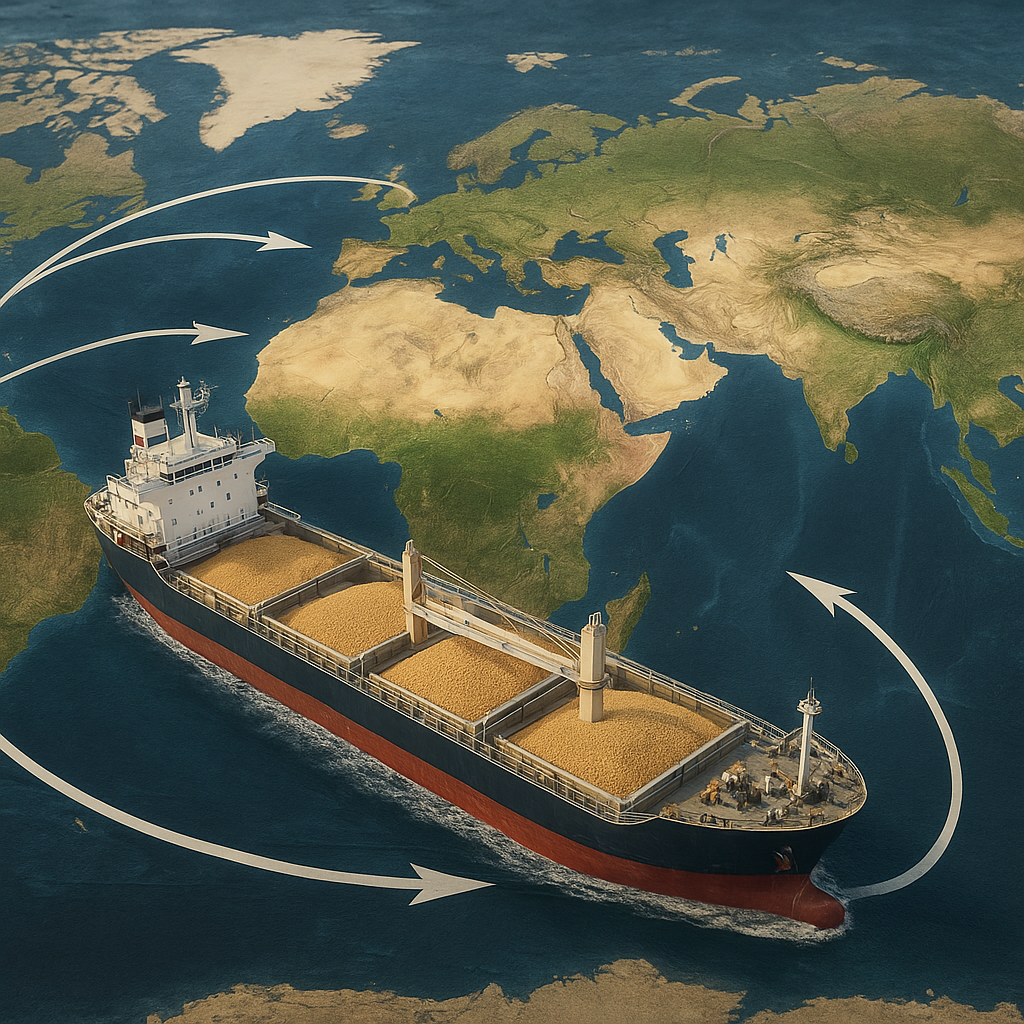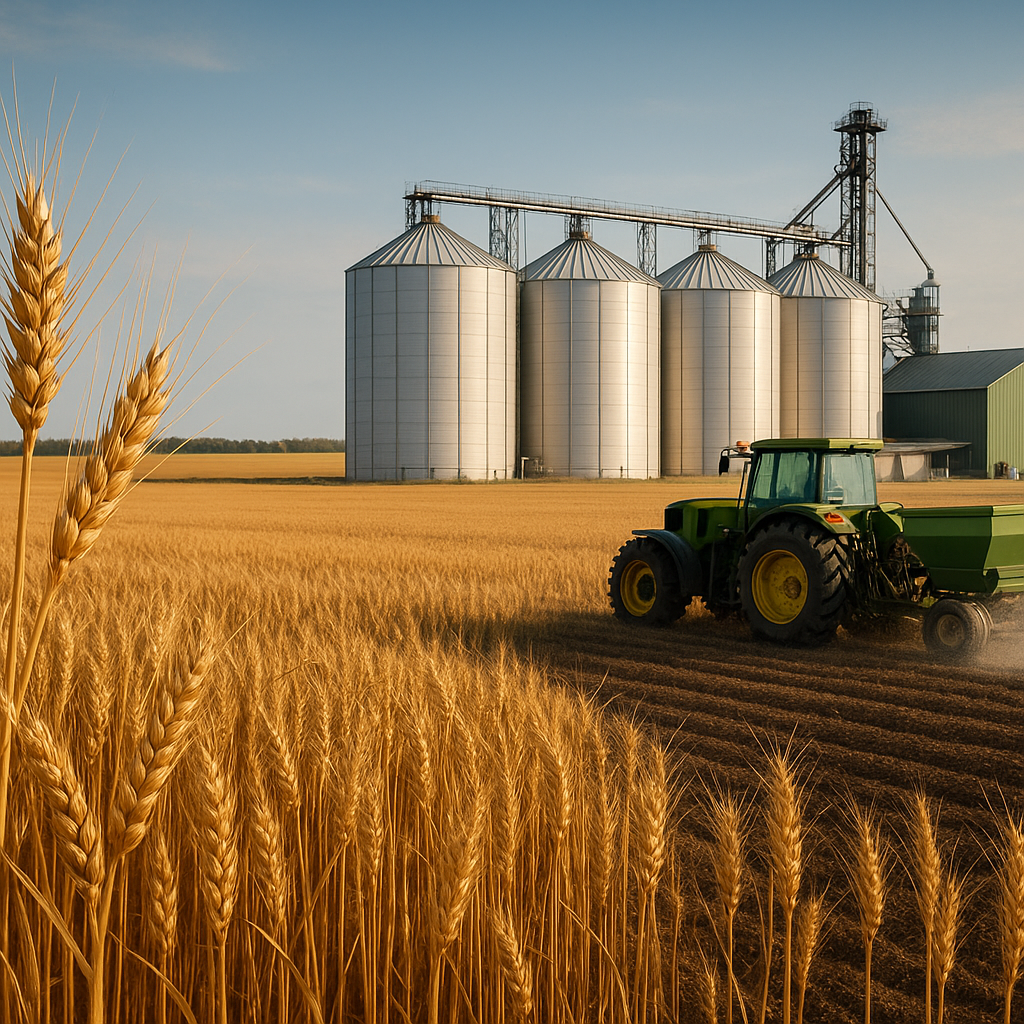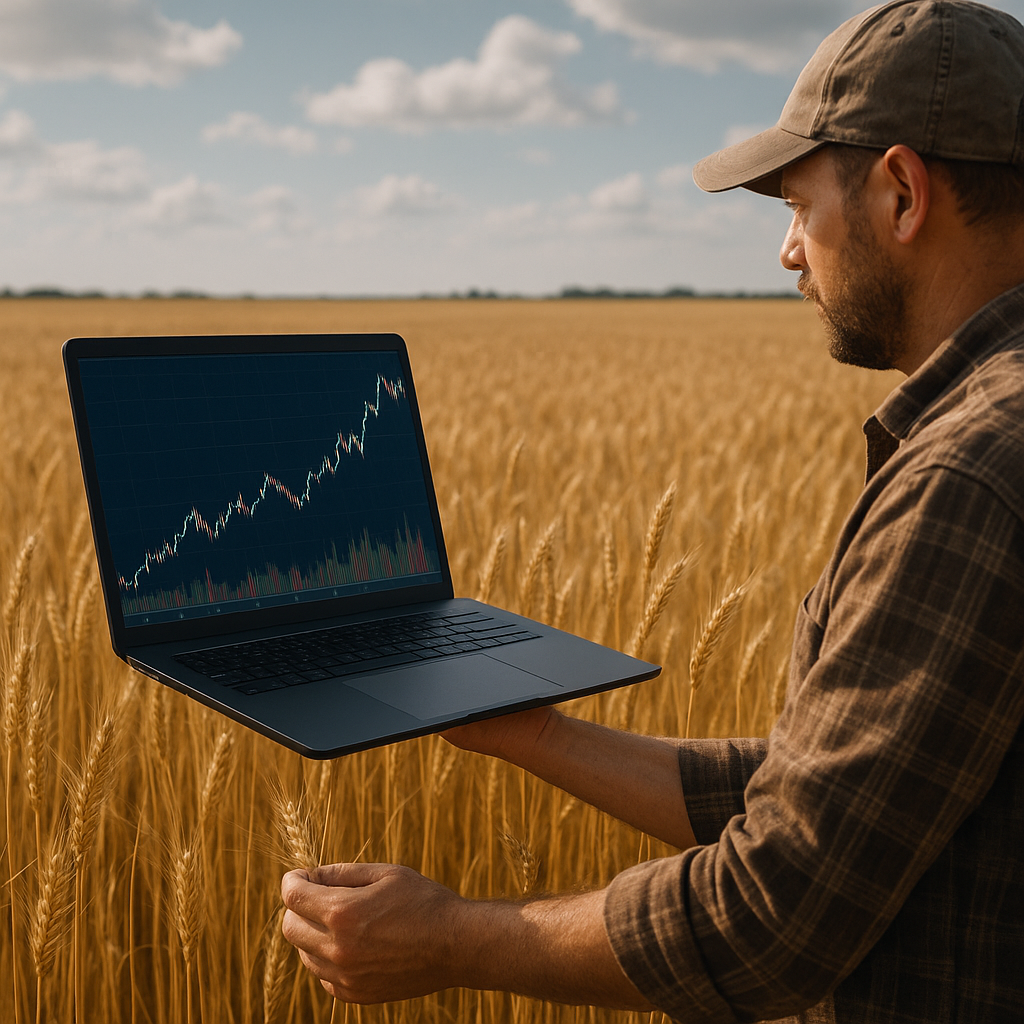




The global grain market underpins food security and economic stability for billions of people. As grains move from farm to fork through a complex web of traders, processors, and transporters, the need for transparency becomes ever more pressing. Without a clear view into each step of the supply chain, risks multiply, trust erodes, and opportunities for inefficiency and exploitation grow. This article explores why visibility matters, the tools that make it possible, the dangers of opacity, and the policies that can foster a more open, resilient system.
The Importance of Transparency in Grain Supply Chains
A truly transparent grain supply chain provides stakeholders with verifiable information about the origin, quality, and handling of produce. Farmers, millers, exporters, regulators, and consumers all benefit from clarity, which in turn promotes accountability at every stage. Key advantages include:
- Traceability: The ability to track a specific batch of grain back to its field of harvest helps to isolate quality issues, manage recalls, and verify compliance with safety standards.
- Risk management: Timely data reduces uncertainty about crop conditions, logistics bottlenecks, and geopolitical disruptions that can cause price spikes or supply shortages.
- Enhanced trust: Transparent reporting builds confidence among trading partners, financial institutions, and consumers who demand ethical sourcing and food safety assurances.
- Market efficiency: When information flows freely, prices better reflect true supply and demand, reducing volatility and enabling more profitable hedging strategies.
In a market characterized by thin margins, the difference between profit and loss often hinges on the quality of information. A miller who can verify grain moisture levels and pesticide residues before shipment gains a competitive edge over peers relying on mere reputation. This not only improves operational planning but also contributes to overall sector resilience.
Technological Innovations Driving Visibility
Emerging technologies are reshaping how information is collected, stored, and shared across the grain value chain. Advances in digital tools enable stakeholders to capture real-time data, automate reporting, and create secure records that cannot be easily tampered with.
- Blockchain ledgers: By recording transactions in immutable blocks, blockchain offers a verifiable and distributed record of grain movements, from farm gate receipts to port loading manifests.
- Data analytics platforms: Machine learning models digest weather forecasts, satellite imagery, and commodity price trends to generate predictive insights on yields and market shifts.
- Internet of Things (IoT) sensors: On-farm moisture probes, elevator load cells, and refrigerated container trackers provide up-to-the-minute metrics on storage conditions, reducing spoilage and losses.
- Mobile applications: Field agents and smallholders can upload harvest data, certification documents, and photos via smartphones, ensuring even remote suppliers contribute to the shared information pool.
These innovations not only improve operational efficiency but also foster trust between parties who may never meet in person. A grain buyer in Europe can review a digital dossier on a Brazilian soybean shipment, complete with GPS-based location tags and third-party quality test results, before issuing payment. This level of certainty was unimaginable a decade ago.
Challenges and Risks of Opaque Systems
Despite the clear benefits of openness, many regions and companies still operate under murky conditions. Opaque supply chains introduce numerous hazards:
- Price manipulation: Limited visibility can enable speculative trading practices that inflate costs for end users, undermining market efficiency.
- Adulteration and fraud: Unscrupulous actors may mix low-grade grains or substitute one commodity for another, endangering consumer health and eroding brand reputations.
- Supply disruptions: When stakeholders lack real-time access to logistics data—such as port congestion or rail delays—they struggle to re-route shipments and mitigate shortages.
- Regulatory non-compliance: Hidden practices, from illegal pesticide use to labor violations on farms, expose the entire chain to fines, embargoes, and long-term reputational damage.
Opaque systems also hinder the sector’s ability to adapt to climate-driven shocks. As extreme weather events become more frequent, nations with poor visibility into stockpiles and transport capacities face acute risks of famine or social unrest. Building resilience requires an unwavering commitment to opening data channels and strengthening institutional oversight.
Policy Frameworks and Industry Best Practices
Governments, trade bodies, and private enterprises all play a role in promoting visibility. Effective policies and voluntary guidelines can transform opaque markets into transparent ecosystems.
- Standardized reporting: International organizations advocate for harmonized data formats and definitions—covering grades, moisture content, and certification statuses—to facilitate cross-border trade.
- Incentive programs: Subsidies, tax breaks, or preferential loan rates can reward producers and processors who adopt digital tools and share timely information.
- Third-party audits: Independent verification by accredited laboratories and inspection firms boosts compliance and provides unbiased quality assurance to buyers.
- Public–private partnerships: Collaboration between technology providers, government agencies, and farmer cooperatives ensures that smallholders gain access to digital platforms and training.
By adhering to these best practices, stakeholders ultimately enhance food safety, strengthen supply chain sustainability, and contribute to global economic stability. A transparent grain market is not a distant ideal but a reachable goal—one that demands ongoing investment, innovation, and collective vigilance.