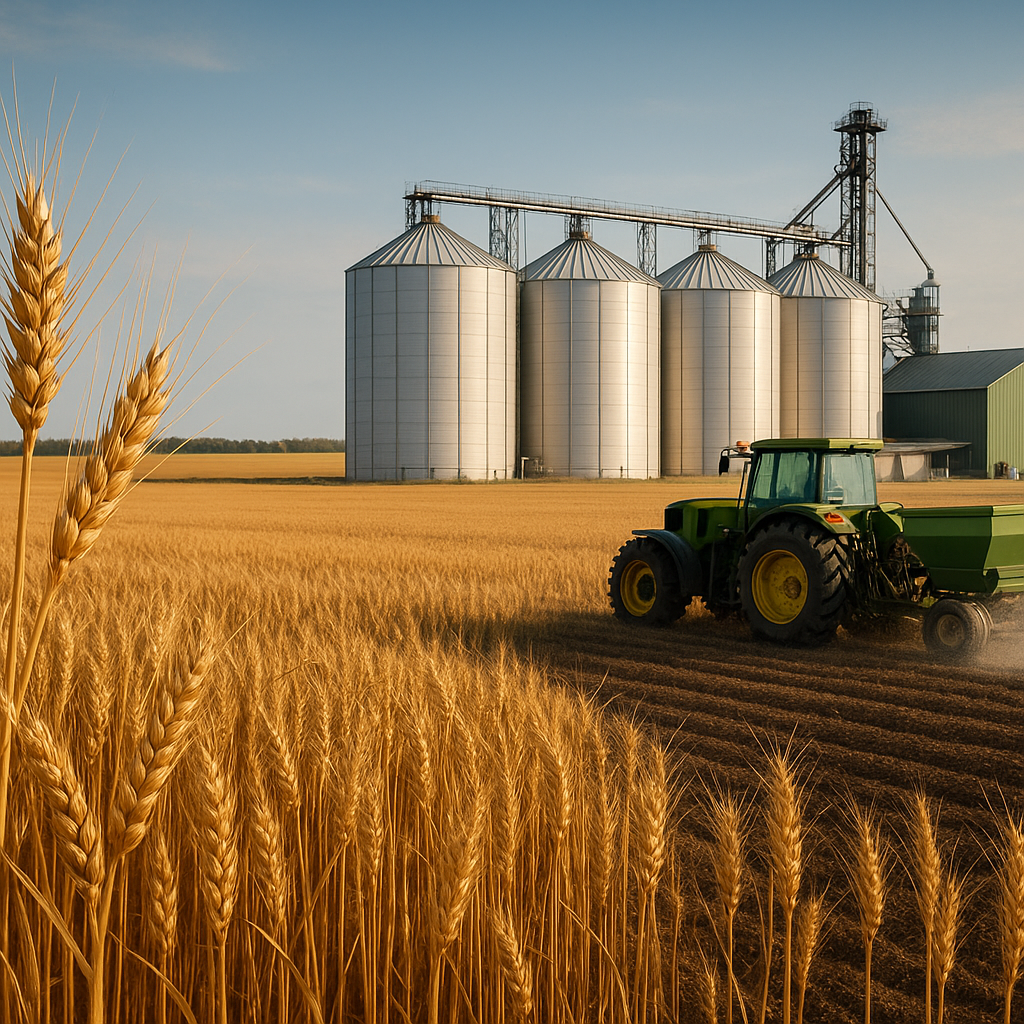


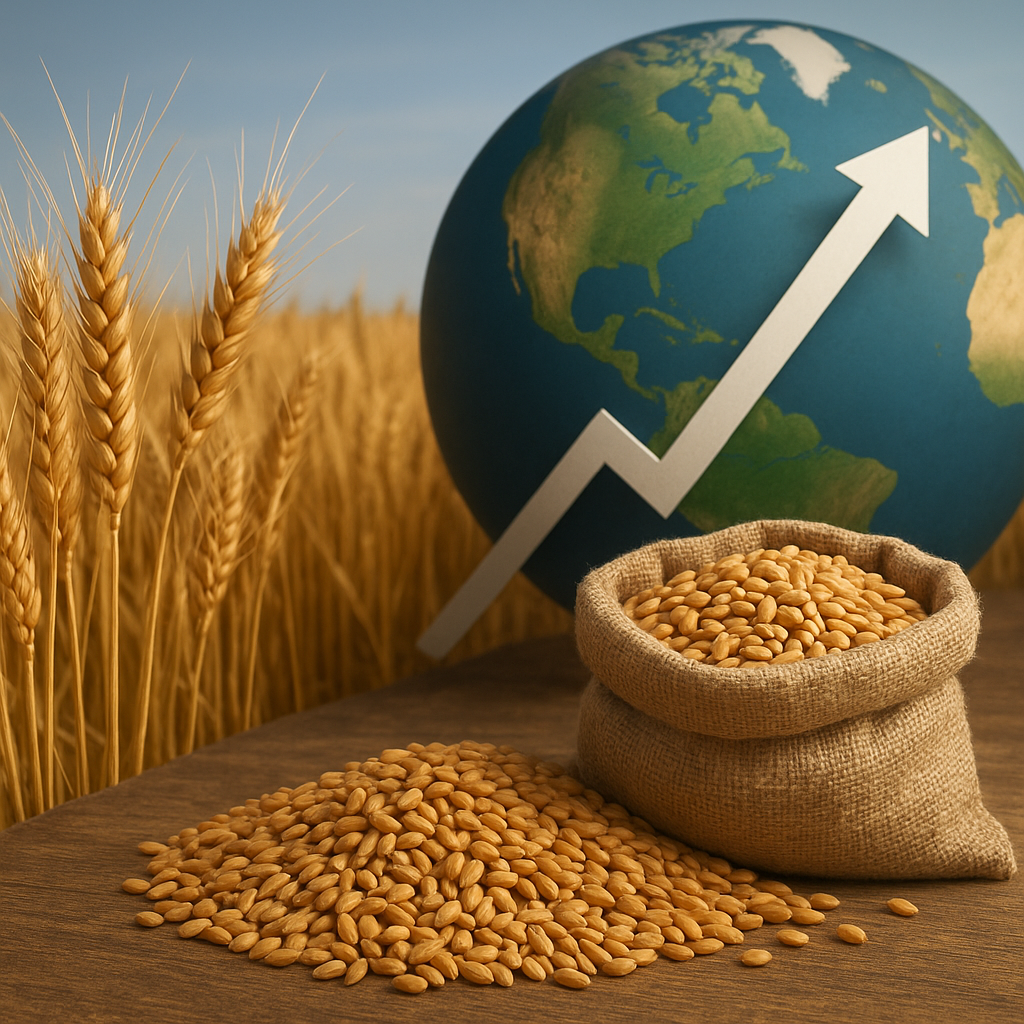
The global demand for grain has been on an upward trajectory for decades, driven by an interplay of economic, demographic, and environmental factors. As populations swell and diets evolve, the significance of grains as staple foods, livestock feed, and industrial inputs has never been more pronounced. This article explores the multifaceted reasons behind this surge in consumption, examines regional trends, highlights the challenges facing markets and supply networks, and outlines strategies to ensure a resilient future for grain production and distribution.
Understanding the Rising Appetite for Grain
Grains—such as wheat, corn, rice, barley, and sorghum—form the backbone of human nutrition and agricultural economies. Their versatility spans from basic nutrition to bioenergy applications. The fundamental driver of increasing global consumption is simple: more people require more food. However, beneath that surface lie diverse forces reshaping how grains are produced, traded, and consumed.
Demand growth is not uniform; it varies by region, income level, and cultural preference. While rice remains the mainstay in Asia, maize (corn) dominates in the Americas, and wheat consumption is rising in parts of Africa and the Middle East. The heterogeneity of grain usage underlines the importance of dynamic market adjustments to cater to shifting dietary and industrial needs.
Key Drivers Behind Growing Consumption
Population Growth
The world population recently surpassed eight billion. Urban families and rural communities alike depend on grain staples for daily caloric intake. As urbanization accelerates, grain-based products like bread, pasta, and snack foods proliferate. The need to feed a growing number of mouths is the most basic impetus behind the population-driven expansion of grain demand.
Urbanization and Dietary Shifts
Urban consumers often adopt diets richer in processed foods and animal proteins. This trend amplifies the requirement for grain as livestock feed. Poultry, pork, and beef production each consume significant volumes of maize and soybean meal. The shift from subsistence farming toward market-driven consumption patterns accelerates urban demand for grain-derived products.
Biofuel Production
Biofuels have developed into a major outlet for grain, especially in regions with supportive policy frameworks. Corn-based ethanol in the United States and sugarcane-ethanol blends in Brazil exemplify how agricultural commodities can be diverted from food supply to energy production. While renewable energy goals reduce carbon footprints, they place additional pressure on grain markets. This dual usage underlines the importance of balancing food security with sustainable energy targets.
Regional Dynamics Shaping Grain Markets
Asia-Pacific Expansion
Asia-Pacific is home to over half the world’s population and commands a vast share of rice and wheat consumption. Economic growth in countries such as China and India increases purchasing power, leading to richer diets and higher per capita grain intake. Investments in irrigation and rural infrastructure have bolstered yields, but weather variability remains a threat to consistent output.
Africa’s Emerging Demand
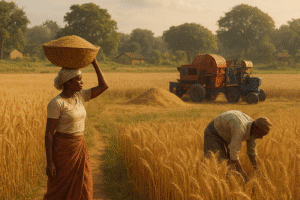
Across Sub-Saharan Africa, rising incomes and urban migration are fueling demand for wheat and maize. Domestic production is improving but still lags behind consumption growth. As a result, African nations rely more heavily on grain imports, exposing them to price shocks in global markets. Strengthening local value chains, enhancing storage facilities, and adopting improved seed varieties are critical measures to reduce import dependency.
Developed Economies and Specialty Grains
In North America and Europe, consumer preferences are diversifying toward whole grains, ancient grains, and gluten-free alternatives. This shift has created niche markets for quinoa, spelt, millet, and buckwheat. While overall per capita consumption of staple wheat and corn remains stable, the demand for specialty grains highlights a growing emphasis on health, traceability, and culinary experimentation.
Implications for Global Supply Chains
Logistics and Infrastructure
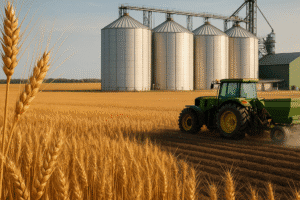
Efficient transport networks and modern storage facilities are vital to minimize post-harvest losses and ensure timely delivery. Grain must travel from remote farms to urban centers or port terminals. Weak infrastructure—such as poor roads, inadequate rail systems, and limited silo capacity—can lead to spoilage and bottlenecks. Governments and private investors are increasingly channeling funds into upgrading logistical corridors to support supply chains and reduce transit times.
Market Volatility and Price Trends
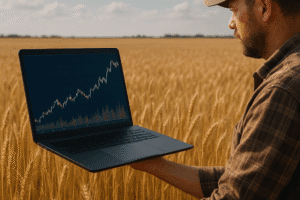
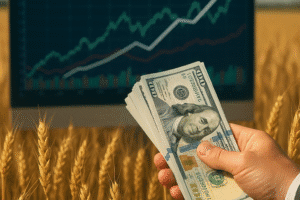
Grain prices are inherently volatile, influenced by weather events, geopolitical tensions, currency fluctuations, and policy changes. Extreme climate patterns—such as droughts in the Midwest or floods in South Asia—can devastate harvests and trigger price spikes. Traders and end-users often hedge through futures markets, but smallholder farmers lack access to such instruments, leaving them vulnerable to dramatic price swings.
- Weather shocks: Droughts, heatwaves, and floods.
- Policy shifts: Export bans, tariff adjustments, and subsidies.
- Currency movements: Exchange rate volatility affects export competitiveness.
Future Outlook and Strategies
Technological Innovations
Advances in agritech are set to revolutionize grain production. From precision farming tools—such as drones, sensors, and satellite imagery—to genetically improved seed varieties, technology can boost yields, optimize resource use, and enhance resilience to pests and diseases. Integrating digital platforms for real-time market information empowers farmers to make data-driven decisions and access broader customer bases.
Sustainable Practices
As concerns about climate change intensify, the agricultural sector must adopt carbon-smart techniques. Conservation tillage, crop rotation, integrated pest management, and optimized fertilizer application all contribute to reducing greenhouse gas emissions. Furthermore, improved water management, including drip irrigation and rainwater harvesting, is vital for maintaining soil health and ensuring long-term productivity.
Policy and Investment Priorities
Governments play a crucial role in shaping the future of grain markets. Sound policy measures can incentivize research, support infrastructure development, and establish safety nets for vulnerable populations. Public-private partnerships accelerate the deployment of innovative solutions, while targeted subsidies ensure that resource-poor farmers benefit from modern inputs and training programs. Strategic investments must focus on:
- Expanding rural roads, railways, and storage capacity.
- Funding agricultural research and extension services.
- Encouraging private-sector participation in value-chain upgrades.
Ultimately, aligning policy frameworks with sustainable development goals can help meet rising consumption without compromising environmental stewardship or social equity.