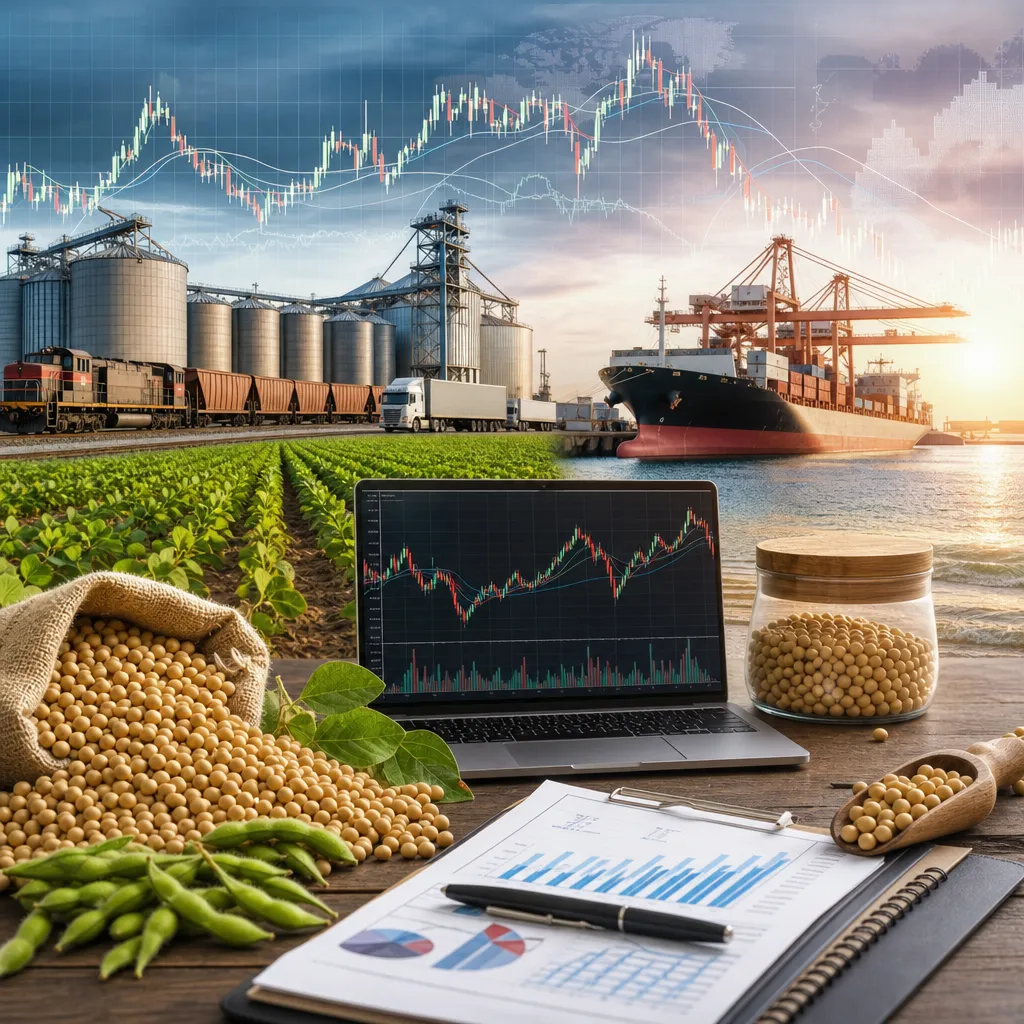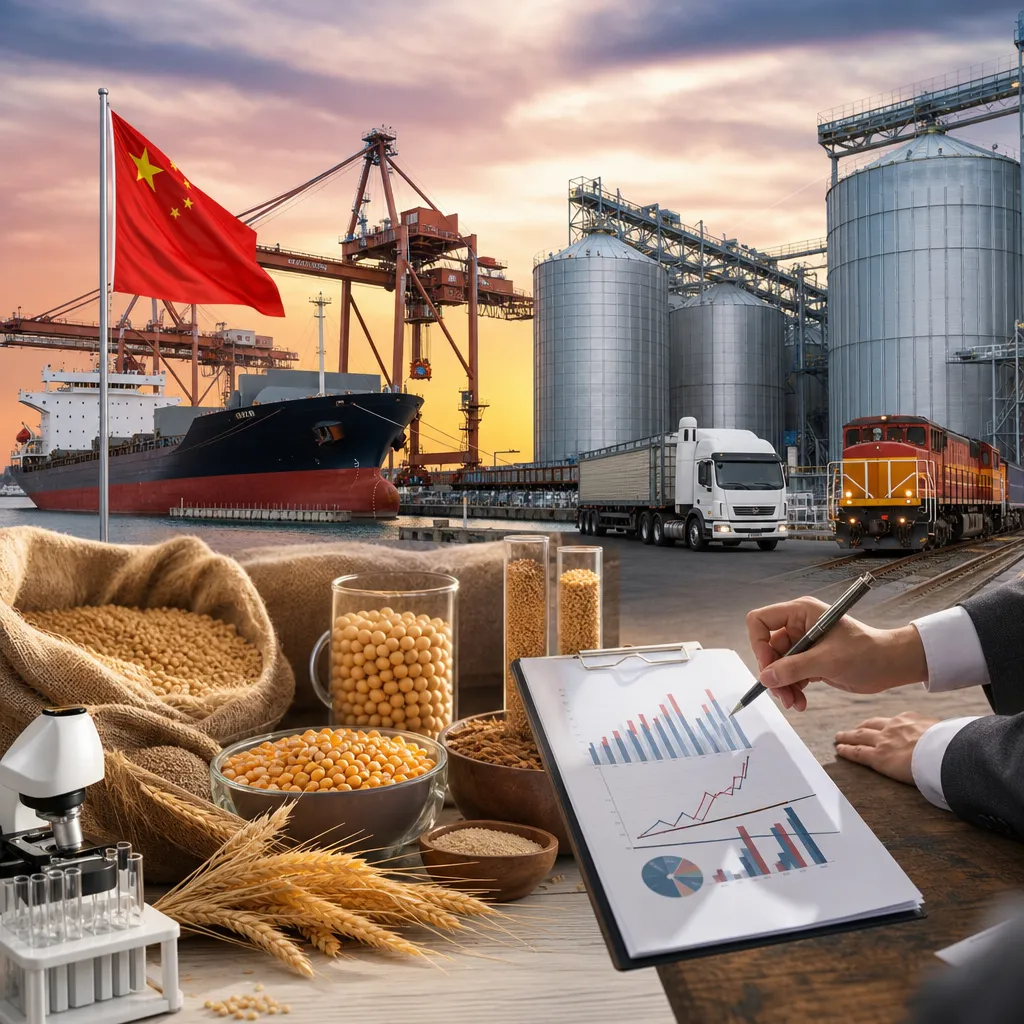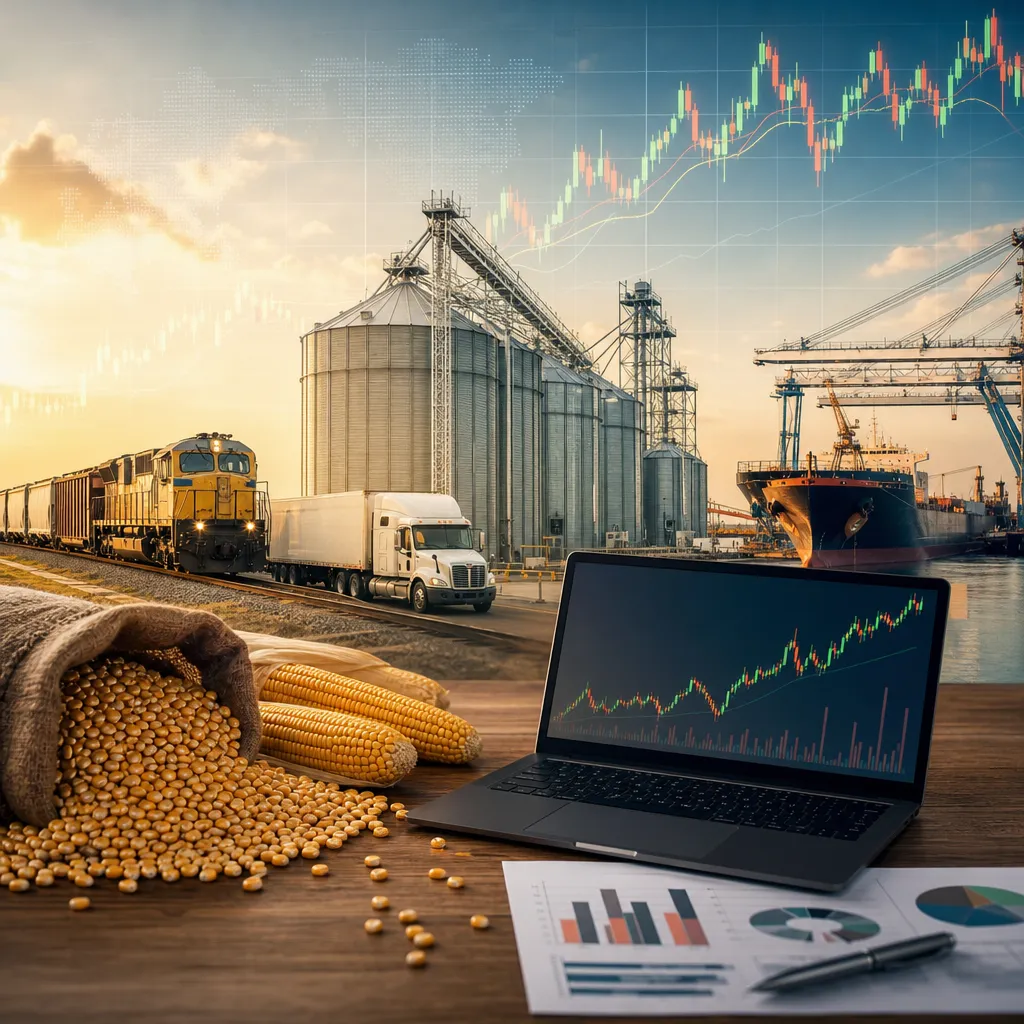


Grain prices usually rise when buyers believe future supply will be tighter, demand will be stronger, or moving grain from farm to consumer will become more expensive or risky. In practice, the price increase may start in futures markets such as CME Group, but what farmers, feed mills, exporters, and processors actually pay or receive also depends on local cash bids, basis, freight, storage, and grain quality. A rally in wheat, corn, soybeans, or rice can be caused by drought, lower acreage, export restrictions, war, currency moves, or stronger biofuel and feed demand. To understand why prices are rising, it helps to separate the global benchmark market from the local physical grain market where real transactions occur.
Rising grain prices are usually a supply-and-demand signal
At the simplest level, grain prices rise when the market expects less available grain relative to use. That expectation may come from weather damage, lower planted area, poor yields, stronger exports, surprising domestic consumption, or falling stocks.
The most important idea is that grain is priced in layers. A futures market reflects broad expectations about a standardized contract. A local cash market reflects what a specific buyer will pay for grain at a specific place, with a specific quality, for a specific delivery period. That is why one headline about rising grain prices can mean very different things for a U.S. corn farmer, a European wheat mill, an Asian rice importer, or a feed manufacturer buying barley.
| Driver | Why it pushes prices higher | Where readers usually check it |
|---|---|---|
| Adverse weather | Cuts yield or quality and reduces expected supply | USDA Crop Progress, national weather agencies, exchange commentary, private weather services |
| Lower stocks | Leaves less buffer against production problems | USDA WASDE, official stock reports, national statistics agencies |
| Stronger exports | Moves more grain out of the domestic market | USDA Export Sales, customs data, port shipment reports |
| Higher energy and freight costs | Raises production, drying, storage, and transport costs | Cash bids, merchant offers, logistics reports, local trucking and barge markets |
| Government policy shocks | Export bans, tariffs, or biofuel mandates can tighten tradeable supply | Government notices, trade ministries, exchange news feeds |
Weather is often the fastest trigger
Weather can move grain prices quickly because crop losses cannot be repaired easily once a critical growth stage is missed. Corn can rally on heat during pollination. Soybeans can rise on August drought stress. Wheat can jump on drought, freeze damage, or harvest rain that lowers milling quality. Rice can react to water constraints, while canola and sunflower seed are sensitive to both yield and oil content risks.
Weather matters not only in one country. Grain markets are global. If major exporters have simultaneous production problems, importers compete harder for available supplies and prices can rise across several origins at once.
Readers looking to verify weather-driven price moves usually check public crop reports first, then compare them with futures movement and local bids. In the United States, USDA Crop Progress is widely used. Outside the U.S., traders also watch national agriculture ministries, meteorological agencies, and private weather analytics. The key is to connect the weather event to acreage, yield, and quality, not just to rainfall headlines.
Stocks, acreage, and yield expectations shape the bigger trend
A one-day rally can be emotional, but a sustained rise in grain prices usually needs a broader balance-sheet story. Analysts look at planted acreage, harvested area, yield potential, old-crop stocks, and total use. If acreage falls because farmers switch crops, production can tighten even before the season starts. If ending stocks are already low, the market may react more sharply to weather threats because there is less margin for error.
This is where official reports matter. USDA WASDE is one of the most widely followed global grain reports because it updates production, trade, and ending-stock estimates for major crops and countries. It does not tell every local basis move, but it strongly influences global benchmark prices. FAO and national agricultural agencies also help readers understand world supply conditions, especially for wheat, rice, maize, oilseeds, and feed grains.
When prices are rising, the market is often saying one of two things: either supply really is tightening, or the risk of tightening has become more expensive to ignore. Futures markets price that risk before physical shortages are fully visible.
Futures prices are not the same as local cash prices
This distinction is essential. A futures quote is the price of a standardized exchange contract traded on a regulated market. For grain, widely watched contracts trade at CME Group, including corn, soybeans, soybean meal, soybean oil, Chicago wheat, Kansas wheat, Minneapolis wheat, oats, rough rice, and canola-related benchmarks in some regions through other exchanges.
A local cash price is what an elevator, cooperative, processor, feed mill, crusher, ethanol plant, exporter, or merchant offers for physical grain delivered to a named location. The cash price is usually influenced by:
- Futures value: the benchmark market level.
- Basis: the local premium or discount to futures.
- Freight: truck, rail, barge, or vessel cost.
- Quality: protein, moisture, test weight, damage, oil content, falling number, or dockage.
- Timing: spot delivery, harvest delivery, deferred contract, or storage position.
A rising futures market does not guarantee that a farmer receives the full increase locally. Basis can weaken if elevators are full, if rail service is poor, if export margins are weak, or if quality is below specification. The reverse can also happen: futures may be flat while local bids rise because nearby physical supply is tight.
| Market type | What it shows | Where it is usually accessed | Main limitation |
|---|---|---|---|
| Futures market | Standardized benchmark price for a contract month | Exchange data, broker platforms, market data vendors | Not the exact price for local physical grain |
| Local cash bid | Actual offer for grain at a delivery point | Elevators, cooperatives, processor bid sheets, merchants | Location- and quality-specific |
| Export or port market | FOB or nearby shipment value for cargo business | Merchants, exporters, trade reporting services | May not reflect inland farmgate value |
| OTC physical contract | Negotiated price and terms between buyer and seller | Merchant, broker, cooperative, direct contract | Less transparent than exchange pricing |
Exports, currencies, and geopolitics can lift prices even when local crops look good
Many grain rallies start outside the farm gate. If a major exporter cuts output, imposes export restrictions, or faces port disruption, buyers shift demand to other origins. That can support domestic prices in countries that suddenly become more competitive exporters.
Currency moves are also important. Grain is often compared in U.S. dollars in world trade. If the dollar weakens, U.S. grain can become more competitive internationally, which may support exports and domestic prices. If a local currency weakens in an importing country, imported grain becomes more expensive in local terms, pushing up feed and food costs even without a change in world futures.
Readers looking for evidence should compare futures prices with export sales data, official customs figures, and port activity. Exporters, merchants, and large processors often watch vessel line-ups, freight conditions, and policy announcements as closely as they watch weather maps.
Energy, fertilizer, biofuels, and logistics can raise grain prices from the cost side
Grain prices do not move only because of crop supply. Input and logistics costs can also create upward pressure. When natural gas and fertilizer prices rise, growers may cut applications or switch acreage, especially in nitrogen-intensive crops like corn. If diesel, electricity, or drying expenses jump, the economics of storing and marketing grain change as well.
Biofuel demand can strengthen grain and oilseed prices too. Corn demand may rise through ethanol, while soybean oil, canola, and rapeseed can gain support from biodiesel and renewable fuel demand. In those cases, processors are not simply buying grain for food or feed; they are competing with energy-linked demand.
Logistics often explain why prices rise in one region faster than another. River problems, low water, rail congestion, labor disputes, port delays, or truck shortages can tighten nearby supply and improve basis. In the physical market, that matters immediately. A mill or feed plant that needs grain this week may raise bids even if the futures board is unchanged.
How grain price discovery works in practice
If you want to understand a price move properly, check both the benchmark market and the physical market.
- Check futures first. CME Group provides official contract information and market data for major grain futures and options. Brokers and market-data vendors also distribute quotes.
- Check local bids. Farmers usually look at elevator, cooperative, ethanol plant, crusher, feed mill, or processor bid sheets. Some publish bids online or through mobile apps; others provide them directly to account holders or by phone.
- Check basis separately. A stronger nearby basis often signals that local users need grain now.
- Check key reports. USDA WASDE, Crop Progress, Grain Stocks, and Export Sales are heavily used in the U.S. context. The CFTC Commitments of Traders report shows how major trader categories are positioned in futures and options.
- Check quality and delivery terms. Grain with lower quality may not receive the same price increase. Moisture, damage, protein, and grading discounts can offset a rally.
For physical grain transactions, the deal normally happens through an elevator, cooperative, merchant, processor, exporter, or broker. The contract should specify quantity, grade, delivery point, delivery period, pricing method, and payment terms. International physical trade may also specify Incoterms, vessel terms, inspection, and destination quality requirements.
Why rising prices do not affect all market participants the same way
Higher prices help sellers with grain to market, but they hurt buyers who need grain as an input. A farmer with unsold corn may benefit from a rally, while a feed manufacturer sees margin pressure. A flour mill may try to cover wheat needs through forward contracts. An exporter may hedge sales using futures while managing basis and freight separately.
This is why hedging exists. Futures and options are mainly risk-management tools, not just speculation. A farmer can sell futures or use options to protect against a fall in prices while still managing local basis in the cash market. A processor can buy futures to reduce the risk of rising raw material costs. These trades are usually made through a regulated futures broker and require a trading account. They are financial positions unless they are connected to a physical business and possibly carried into delivery procedures under exchange rules.
Trading futures is not the same as buying or selling truckloads of grain. Futures involve leverage, margin calls, expiry, and standardized contract rules. Physical grain involves truck, rail, barge, storage, grading, shrink, counterparty performance, and local logistics. The two markets influence each other, but they are not interchangeable.
What to watch next when grain prices are rising
The next move depends on whether the market is dealing with a temporary scare or a genuine balance-sheet tightening. Useful questions include:
- Is the weather issue still threatening yield, or has the forecast improved?
- Are exports accelerating, or are buyers rationing demand because grain is too expensive?
- Are stocks comfortable, or is the market vulnerable to another shock?
- Is basis strengthening, showing real physical tightness?
- Are governments changing trade, tariff, or biofuel policy?
- Are funds adding to bullish positions in futures, and could that reverse quickly?
Price rallies can continue if supply remains uncertain and users still need coverage. They can fade fast if rain arrives, acreage expands, exports slow, or high prices destroy demand. The important point is to use scenarios rather than certainty. Grain markets are forward-looking and can reprice quickly.
Where can I check grain prices today?
Check futures prices through exchange data from CME Group or through a licensed broker or market-data service. For the actual price available in your area, check local elevator, cooperative, processor, mill, crusher, ethanol plant, or merchant bids. The local cash bid is the relevant number for a physical sale.
Why is my local grain bid different from the futures price?
Because the local bid includes basis, freight, delivery demand, storage conditions, and quality adjustments. Futures reflect a standardized exchange contract, while your local bid reflects a real location and specific commercial terms.
Where do farmers usually sell physical grain?
Most physical sales are made to grain elevators, cooperatives, grain merchants, feed mills, processors, exporters, or through direct contracts. The transaction may be priced immediately, priced later, or linked to a futures month plus or minus basis.
Can I trade rising grain prices online without buying physical grain?
Yes, through regulated futures and options markets using a futures broker. That is financial trading, not ownership of physical grain in a bin or warehouse. It involves leverage and margin risk, so it requires careful risk management.
Which reports matter most when grain prices are rising?
For many global participants, USDA WASDE, USDA Crop Progress, USDA Export Sales, and USDA Grain Stocks are key reports. The CFTC Commitments of Traders report helps readers understand speculative and commercial positioning in futures and options.
Does a grain rally always mean there is a physical shortage?
No. Sometimes prices rise because the market is pricing future risk rather than current shortage. Weather threats, political disruptions, and fund buying can lift prices before a true shortage appears in the physical market.
What is basis and why does it matter in a rising market?
Basis is the difference between the local cash price and the futures price. It matters because a strong basis can improve local selling prices even without a futures rally, while a weak basis can limit the benefit of higher futures.
Can storage increase the value I receive when prices are rising?
Sometimes, but not automatically. Storage can help if futures carry, basis appreciation, or seasonal demand improves later. It also brings costs and risks such as shrink, quality loss, financing cost, aeration expense, and possible market decline.
Sources
- USDA World Agricultural Supply and Demand Estimates
- CME Group agricultural futures and options contract information
- U.S. Commodity Futures Trading Commission Commitments of Traders