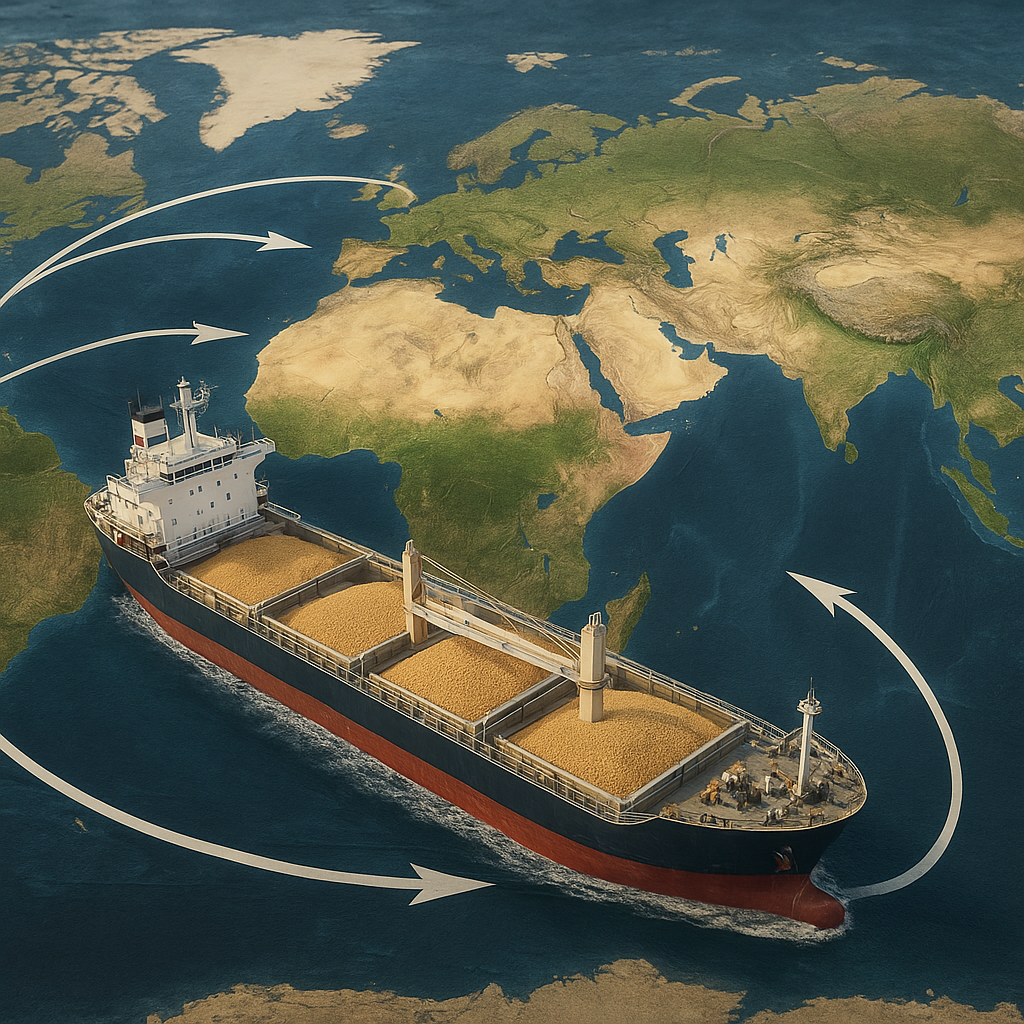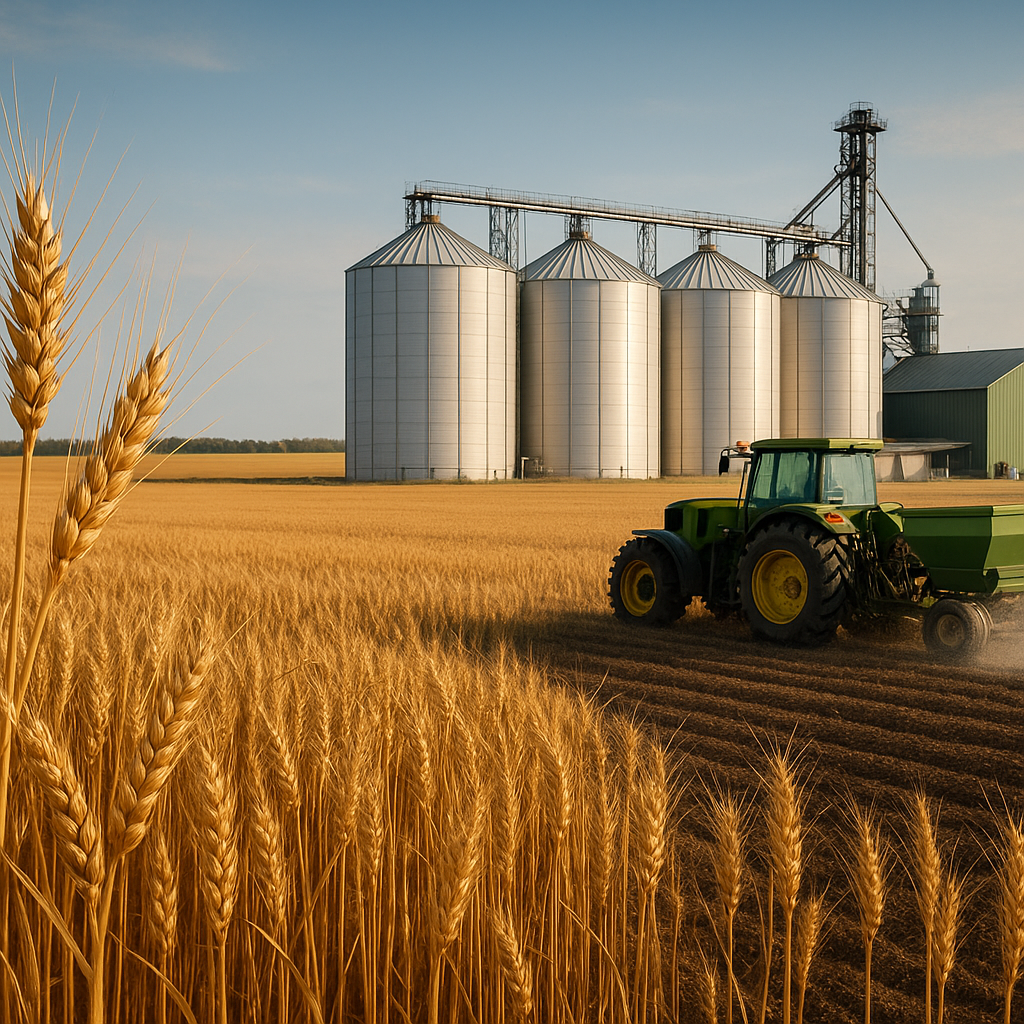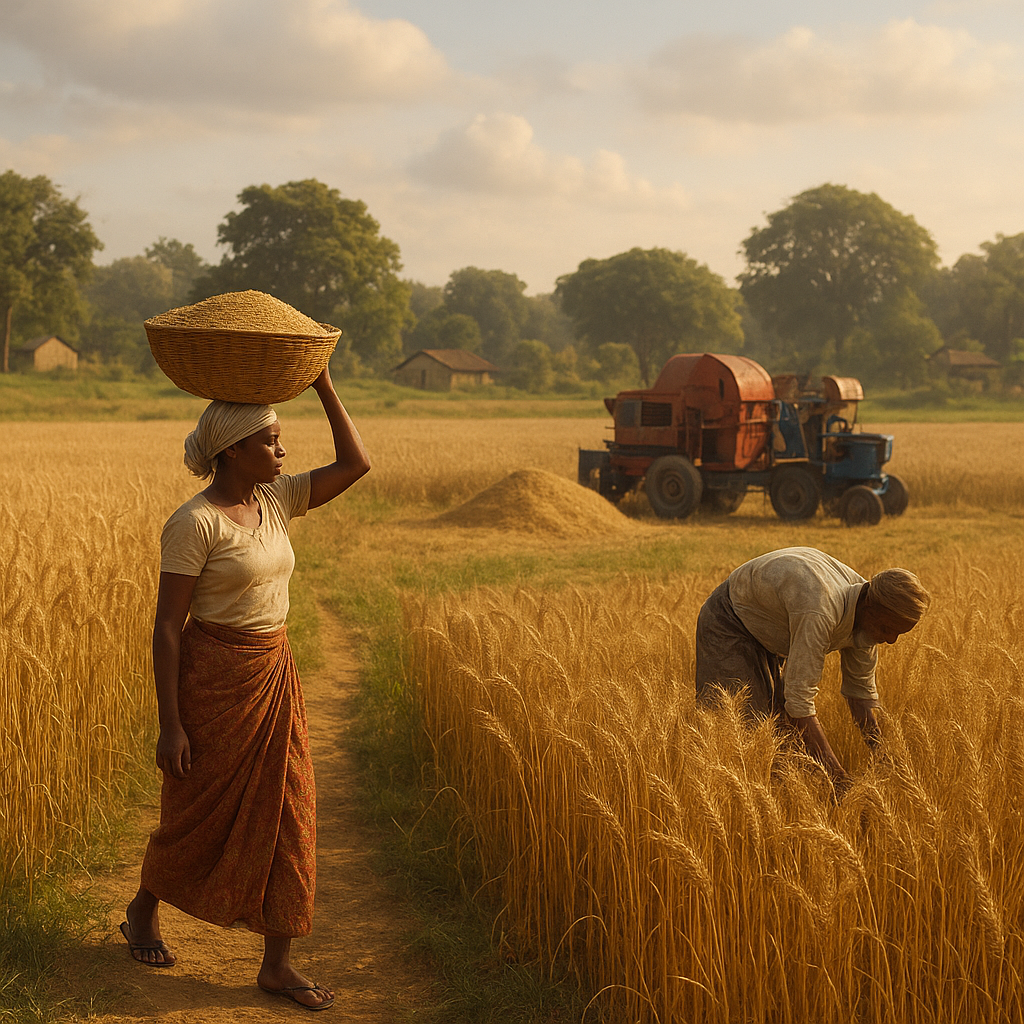





Africa’s agricultural landscape is undergoing a transformative shift as its grain production and distribution systems evolve to meet the demands of a rapidly growing population. From the vast wheat fields of North Africa to the maize corridors of East and Southern Africa, the momentum building behind grain markets is reshaping economies, driving rural development and strengthening regional cooperation. This article examines the principal factors propelling this growth, the role of emerging innovations, policy frameworks fostering integration, as well as the challenges and opportunities that lie ahead.
Drivers of Growth in African Grain Markets
Population expansion, urbanization and changing dietary preferences stand at the forefront of rising grain demand. Africa’s population is projected to double by 2050, and cities are home to more than 40% of the total. As consumers shift from subsistence staples to a more varied diet including wheat, rice and processed cereals, value is added along each step of the supply chain.
- Food security: Governments and NGOs prioritize boosting local output to reduce import bills and enhance resilience against global price shocks.
- Income growth: As disposable incomes rise, spending on processed and packaged grain-based foods accelerates, benefiting millers and distributors.
- Urban demand: Large cities create concentrated markets that justify investments in large-scale storage and processing facilities.
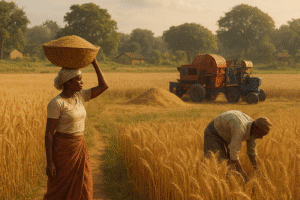
Alongside demand factors, improved agronomic practices—better seed varieties, conservation agriculture and fertilizer application—are raising per-hectare yields. Meanwhile, contract farming schemes link smallholders to commercial off-takers, offering inputs on credit and guaranteed purchase, thus incentivizing production of maize, sorghum, millet and wheat.
Role of Technology and Infrastructure
AgriTech Innovations
Digital platforms, satellite imagery and mobile-based extension services are revolutionizing farm management. Farmers can access weather forecasts, market prices and pest-control advice in real time. Startups and development agencies deploy drone-based mapping for soil health analysis, while remote sensing tools monitor crop growth and predict yields. Such technology interventions reduce post-harvest losses and optimize input use, directly contributing to higher volumes delivered to market.
Transport and Storage Networks
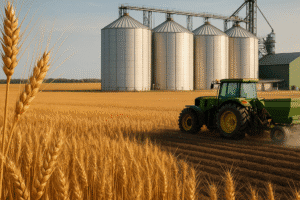
Upgraded roads, rail links and port facilities are vital to reduce transit times and spoilage. Investments in grain silos, cold storage and bagging plants ensure that harvests reach consumers in peak condition. Public-private partnerships have financed modern warehouses equipped with moisture control and fumigation systems. By streamlining logistics, countries reduce reliance on costly emergency imports and enhance cross-border trade efficiency.
Policy Reforms and Regional Integration
Success hinges not only on production but also on policy coherence and cross-border cooperation. The African Continental Free Trade Area (AfCFTA) is lowering tariff and non-tariff barriers, facilitating smoother flows of cereals between member states. At the same time, national strategies aligned with the Comprehensive Africa Agriculture Development Programme (CAADP) boost local supply and foster rural development.
- Harmonized standards: Common grading and quality benchmarks simplify certification and build trust among traders.
- Trade corridors: Dedicated grain corridors, such as the Mombasa-Nairobi-Kampala-Kigali axis, link surplus regions with deficit areas.
- Regulatory reforms: Streamlined licensing, transparent licensing fees and digitized customs procedures expedite clearance times.
These measures promote market integration, allowing producers in one zone to respond to price signals elsewhere, cushioning shocks and stabilizing regional supply.
Challenges and Opportunities
Despite promising trends, several hurdles must be addressed to sustain momentum. Climate variability poses a persistent threat: erratic rainfall patterns and extreme weather events can devastate yields. Financial constraints limit access to credit, particularly for women and youth-led enterprises. Fragmented land tenure systems and inadequate irrigation further hamper productivity. Yet, within these challenges lie opportunities for impact-driven solutions.
Climate Resilience Strategies
Heat-tolerant and drought-resistant crop varieties are under development through international breeding programs. Agroforestry and conservation agriculture techniques sequester carbon and stabilize soil moisture. Insurance schemes, backed by satellite-triggered payout systems, provide smallholders with protection against crop failures, incentivizing investment in inputs even in risk-prone areas.
Scaling Value Chains
Vertical integration—from farm to fork—offers margins at multiple stages. Edible oil extraction from maize germs, wheat-based baking industries and fortified flour production create added-value streams. Private investors are channeling investment into midstream activities such as grain milling, packaging and distribution, catalyzing employment and supporting ancillary service providers.
Outlook for the Future
With sustained commitment to agronomic innovation, policy alignment and capacity building, Africa can transform its grain sector into a powerhouse of economic growth. Enhanced digital marketplaces and traceability systems will increase transparency, while smart contracts and blockchain applications could streamline payment processes. Continued public investment in rural roads, irrigation schemes and storage infrastructure will underpin robust infrastructure networks capable of withstanding logistic disruptions.
As the continent harnesses its vast arable land and youthful workforce, partnership models that integrate research institutions, private firms, cooperatives and development agencies will be critical. By coordinating across scales and leveraging data-driven decision-making, African grain markets will not only meet domestic demand but also position themselves as reliable suppliers in global cereal trade. In doing so, the grain sector will advance livelihoods, build climate resilience and promote inclusive prosperity across the continent.