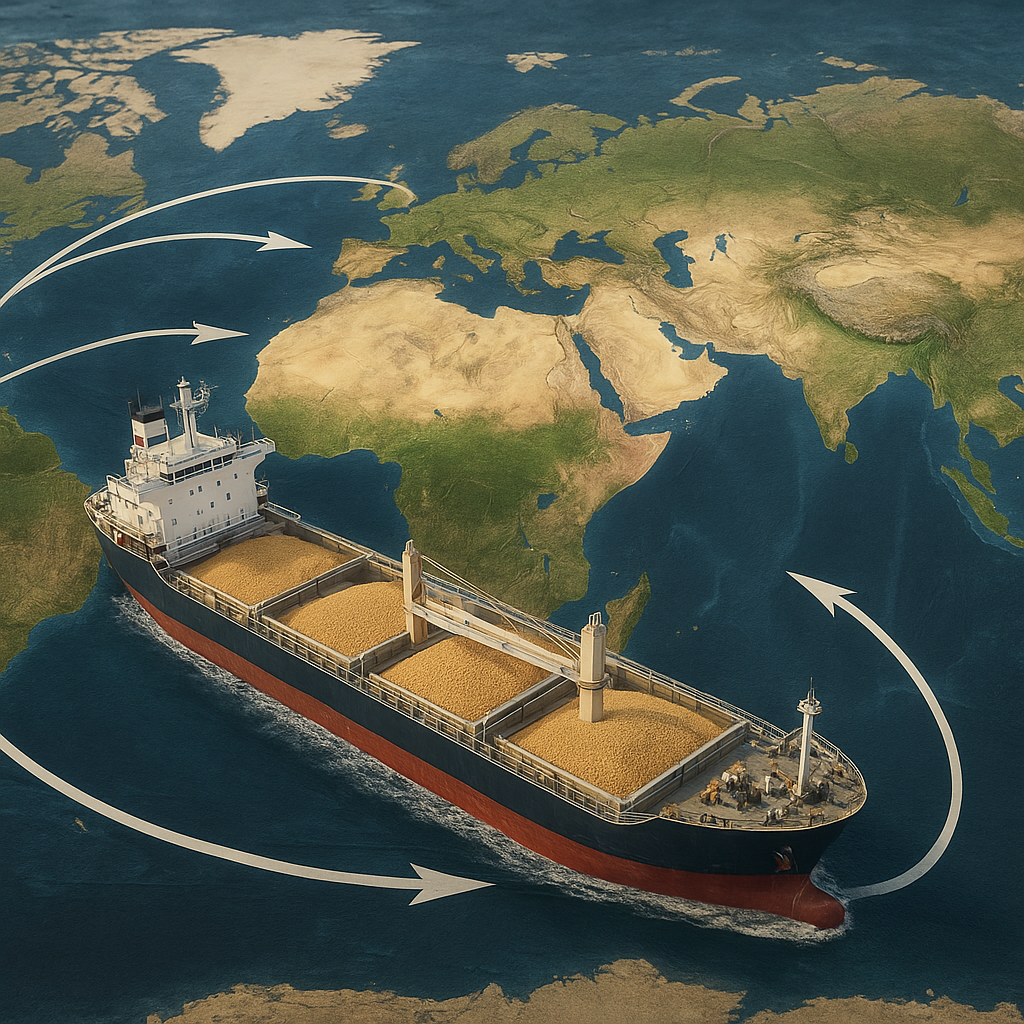









Global ports serve as vital conduits connecting producers, traders, and consumers in the ever-evolving arena of the grain market. These hubs facilitate the seamless movement of cereals such as wheat, corn, and rice across continents, underpinning food security and economic stability worldwide. By examining the multifaceted roles played by ports, we can better understand how they shape agricultural commerce, influence pricing dynamics, and respond to shifting geopolitical landscapes.
Importance of Ports in Grain Trade
Infrastructure and Capacity
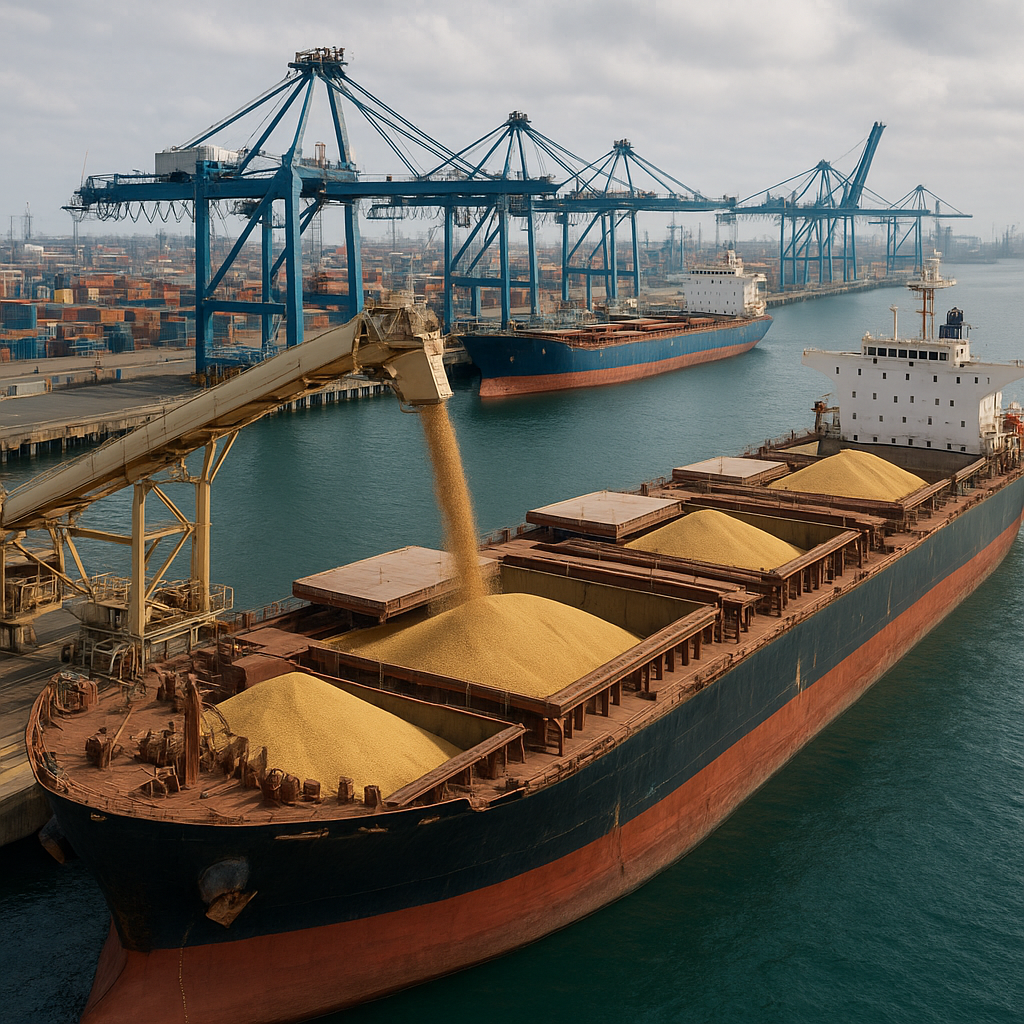
Ports are more than mere docking points; they embody complex systems designed to handle vast volumes of agricultural commodities. State-of-the-art storage facilities, dedicated rail and road connections, and specialized handling equipment all converge to ensure that grain shipments move with minimal delay. Robust infrastructure—including silos, conveyors, and grain elevators—determines the throughput capacity of a port. High-capacity terminals equipped with advanced fumigation and drying units preserve grain quality and prevent spoilage during storage and transshipment.
Strategic Locations
The positioning of a port along navigable waterways, near major production basins, or adjacent to bustling consumer markets greatly influences its competitiveness. Coastal gateways such as Rotterdam, New Orleans, and Santos have emerged as global powerhouses due to their proximity to hinterlands rich in cereal production. Inland river ports—like those on the Mississippi and the Danube—serve as crucial collection and aggregation points, linking farms to ocean-going vessels. These strategic sites optimize logistics chains and reduce transportation costs, ultimately impacting global grain prices.
Challenges Facing Grain Ports
Capacity Constraints and Congestion
Despite ongoing investments, many ports struggle to keep pace with surges in grain exports. Seasonal harvest peaks often overwhelm existing facilities, leading to berth congestion, extended waiting times, and elevated handling fees. Such bottlenecks can disrupt the delicate balance between supply and demand, triggering volatility in commodity markets. Efficient scheduling, real-time cargo tracking, and flexible labor arrangements are critical to alleviating these pressures.
Regulatory and Environmental Pressures
Ports operate under a complex web of international regulations, domestic policies, and environmental standards. Phytosanitary requirements, customs inspections, and safety protocols add layers of procedural checks that can slow down cargo flows. Simultaneously, increasing emphasis on sustainability compels port authorities to address air and water pollution, carbon emissions, and habitat conservation. Balancing stringent regulatory compliance with operational efficiency presents a significant management challenge.
Technological Innovations Enhancing Efficiency
Automation and Digitalization
Emerging technologies are revolutionizing how grain terminals function. Automated stacking cranes, robotics-driven conveyors, and drone surveys enable continuous operations with reduced human intervention. Digital platforms for cargo tracking, predictive maintenance, and berth allocation foster transparency across the entire value chain. By integrating Internet of Things (IoT) sensors and blockchain-based documentation, ports can optimize resource utilization, minimize errors, and enhance the overall efficiency of grain handling processes.
Sustainability Practices
Green initiatives have taken center stage as port operators strive to minimize environmental footprints. Shore power systems allow docked vessels—and the machinery that serves them—to draw electricity from land-based grids rather than burning diesel. Renewable energy installations such as solar panels and wind turbines reduce reliance on fossil fuels. Water recycling systems treat runoff from grain-cleaning operations, preventing contamination of local waterways. Such efforts not only support ecological balance but also bolster a port’s reputation among eco-conscious stakeholders.
Future Prospects and Emerging Trends
Expansion Plans and Investment Strategies
Anticipating growth in global cereal demand, many nations are channeling substantial capital toward port expansion projects. Deepening harbor channels to accommodate larger vessels, erecting additional storage terminals, and enhancing hinterland connectivity through rail and highway upgrades are common themes. Public-private partnerships drive much of this development, with investors seeking returns from long-term concessions and user fees. Optimizing the blend of public oversight and private sector agility remains key to realizing these ambitious expansion plans.
Global Collaboration and Policy Measures
International cooperation plays a pivotal role in stabilizing grain flows during times of crisis. Agreements among exporting and importing countries—covering aspects such as export quotas, price stabilization mechanisms, and emergency grain reserves—help mitigate the effects of supply shocks. Organizations like the Food and Agriculture Organization (FAO) and grain traders’ consortia facilitate dialogue on best practices, food safety standards, and market transparency. By harmonizing trade policies and fostering trust, stakeholders can build a more resilient global grain distribution network.
Case Studies Highlighting Port Impact
Santos: South America’s Grain Gateway
Brazil’s Port of Santos exemplifies how strategic development can transform a regional hub into a global contender. Continuous dredging projects allow access to Panamax and post-Panamax vessels, while new silos and berth expansions double the port’s grain-handling capacity. Cooperation with local rail operators and agricultural cooperatives ensures a steady supply of soybeans and corn from the heartland to export terminals.
New Orleans: Resilience through Diversification
Positioned at the mouth of the Mississippi River, New Orleans ports benefit from an extensive inland navigation network. Investments in grain-specific terminals, coupled with flexible bulk cargo facilities, have enabled the port to absorb fluctuations in demand and commodity mix. Collaborative initiatives involving port authorities, shippers, and river barge operators exemplify effective supply chain coordination.
Adapting to Climate Change and Geopolitical Shifts
Weather-Related Disruptions
Extreme weather events—ranging from hurricanes to floods—pose serious risks to port infrastructure and grain quality. Developing climate-resilient designs, such as elevated storage units and reinforced breakwaters, can reduce downtime and protect valuable inventories. Early-warning systems and contingency planning are equally vital to ensuring business continuity when natural disasters strike.
Trade Tensions and Sanctions
Geopolitical tensions and shifting alliances can trigger sudden export restrictions or tariff hikes, destabilizing grain markets. Ports must remain adaptable, diversifying their customer base and forging alternative trade routes to mitigate the fallout from sanction regimes. Real-time intelligence on policy developments, combined with agile contract management, helps port operators and traders navigate an unpredictable geopolitical environment.
Collaborative Models for Port Development
- Public-Private Partnerships leverage government support and private sector expertise to fund large-scale port projects.
- Community engagement programs address social and environmental concerns, fostering local buy-in and reducing opposition.
- Joint ventures among major grain traders, shipping lines, and terminal operators integrate end-to-end technology solutions across multiple facilities.
- Regional alliances among neighboring ports promote shared use of resources and synchronized scheduling to avoid redundant investments.