


The interplay between state action and agricultural commerce has shaped the trajectory of national and global food systems. Effective government involvement can mitigate extreme price volatility, bolster farmer incomes, and safeguard consumer welfare. This article explores the various tools and mechanisms by which authorities seek to maintain market equilibrium in the realm of grain, spanning direct support measures, strategic stock management, trade policies, and regulatory frameworks.
Government Interventions and Market Dynamics
Price Support Mechanisms
One of the most common instruments deployed by governments is the establishment of minimum price floors. Under such schemes, authorities guarantee to purchase output at a set price if market rates fall below a predefined level. This approach aims to protect producers against precipitous declines in revenue and to discourage speculative dumping during harvest gluts. While price supports can provide short-term relief, overreliance on them risks distorting supply signals, encouraging overproduction, and straining public budgets. Successful implementation often requires periodic calibration to reflect shifting production costs, exchange rates, and international benchmark prices.
Subsidies and Input Support
Direct payments and input subsidies—covering seeds, fertilizers, or irrigation—further enhance producers’ ability to sustain output during adverse conditions. These tools reduce cultivation expenses, enabling farmers to maintain planting decisions when market prospects are poor. Strategic deployment of subsidies can also target regions vulnerable to drought or pest outbreaks, promoting resilience. However, poorly designed support can entrench inefficiencies, hinder innovation, and trigger trade disputes. To contain such risks, many countries tie subsidies to environmental stewardship or adopt payment ceilings per enterprise.
Strategic Reserves and Food Security
Building and Managing Grain Reserves
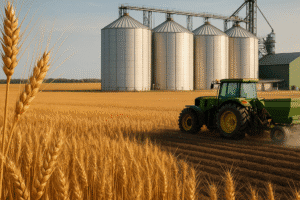
Maintaining strategic reserves constitutes a cornerstone of many national food security strategies. By procuring a buffer stock during periods of ample supply, governments accumulate a reserve that can be tapped when harvests fail or international markets tighten. The size of the buffer depends on a nation’s risk tolerance, storage capacity, and fiscal constraints. Well-governed reserves require robust warehousing infrastructure, quality control to prevent spoilage, and transparent accounting to avoid leakages.
Release Mechanisms to Counter Crises
Clear criteria for reserve release are vital to ensuring timely market intervention. Governments may trigger disbursements based on domestic price thresholds, humanitarian emergencies, or acute supply shortages in neighboring countries. Rapid-response release programs can dampen price spikes and stabilize consumer access. Nonetheless, excessive or unpredictable release schedules may deter private inventory management and reduce long-term market discipline. To strike the right balance, authorities often adhere to pre-announced trigger rules and coordinate with stakeholders.
Trade Policies and International Cooperation
Tariffs, Quotas, and Export Controls
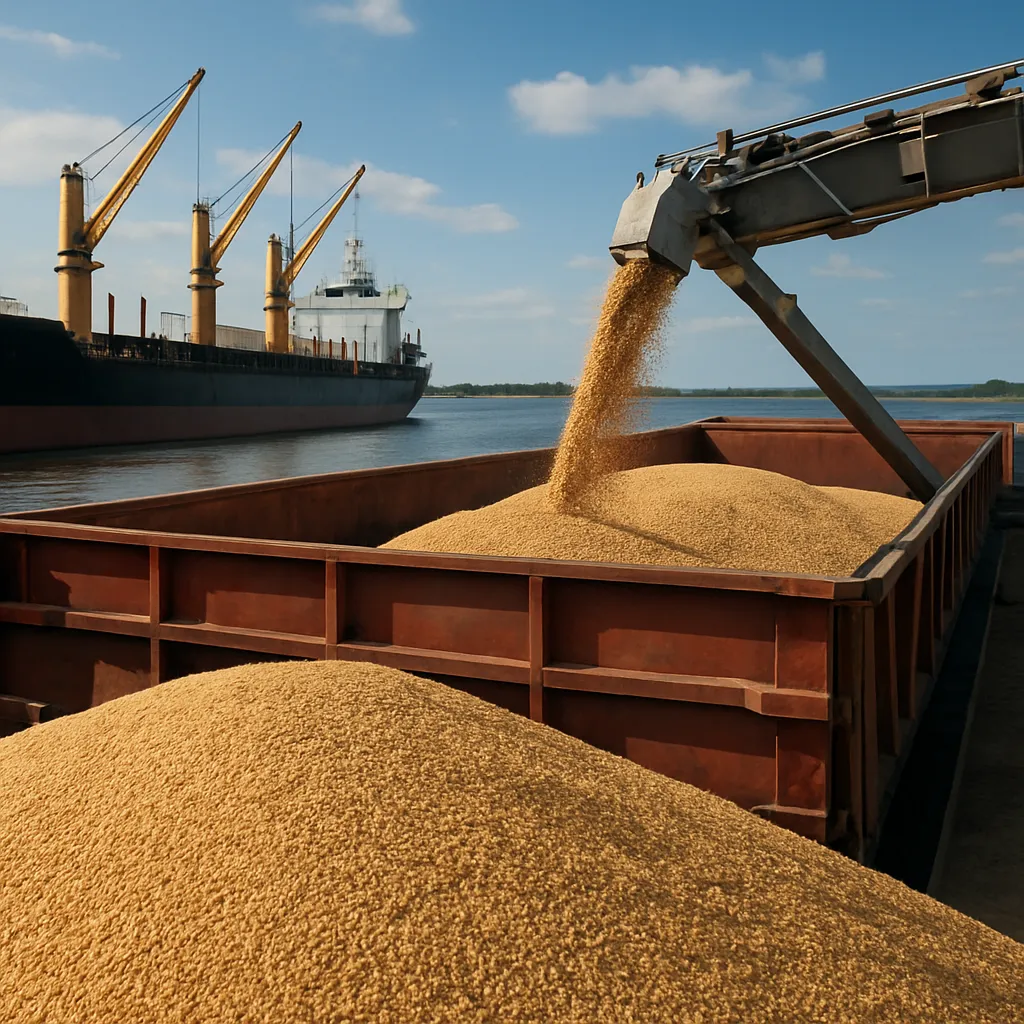
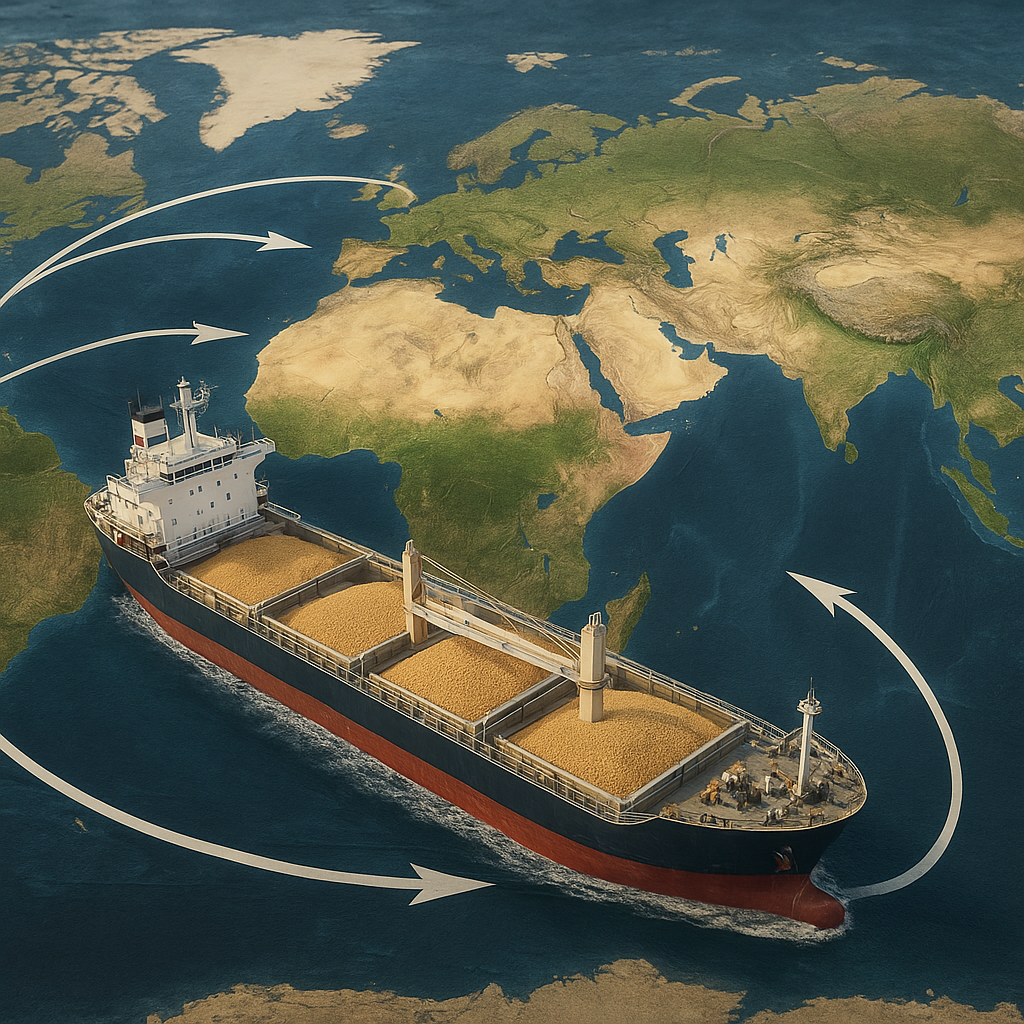
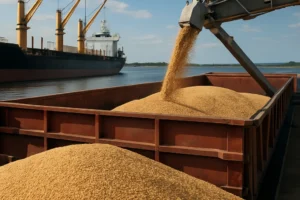
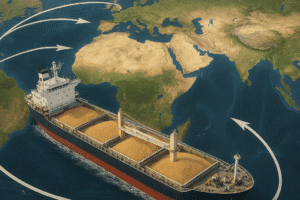
Border measures wielded by governments profoundly influence the flow of cereals across regions. Tariffs can shield domestic producers from cheap imports, while import quotas limit quantity inflows. Conversely, export controls—including taxes or outright bans—aim to retain supplies for local consumption during crisis periods. Although such interventions may provide immediate relief, they risk generating retaliatory measures, inflaming global price volatility, and eroding trust among trading partners. Consistent policy signals and adherence to international trade rules under organizations like the WTO help mitigate these downsides.
Collaborative Agreements and Multilateral Frameworks
Beyond unilateral action, governments often engage in bilateral or multilateral pacts to bolster cross-border cereal flows. Mechanisms such as food aid corridors, regional food security compacts, and early-warning systems foster collective resilience. For example, joint procurement platforms can aggregate demand, secure volume-based discounts, and distribute supplies swiftly to regions in distress. Collaboration through entities like the FAO and G20 agriculture ministers’ forums promotes policy harmonization and fosters rapid crisis response.
Regulatory Frameworks and Market Transparency
Standards, Quality Control, and Certification
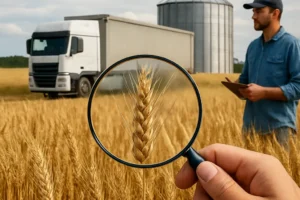
Robust regulation underpins confidence in cereal trade. Authorities establish phytosanitary and quality standards, monitor pesticide residues, and enforce grading systems. Certification processes guarantee that exported and imported batches meet domestic and international thresholds, reducing post-harvest losses and consumer health risks. Transparent labeling requirements enable processors and retailers to manage inventory, adjust pricing, and fulfill contractual obligations. When standards are harmonized across jurisdictions, transaction costs fall, and market integration deepens.
Information Systems and Price Monitoring
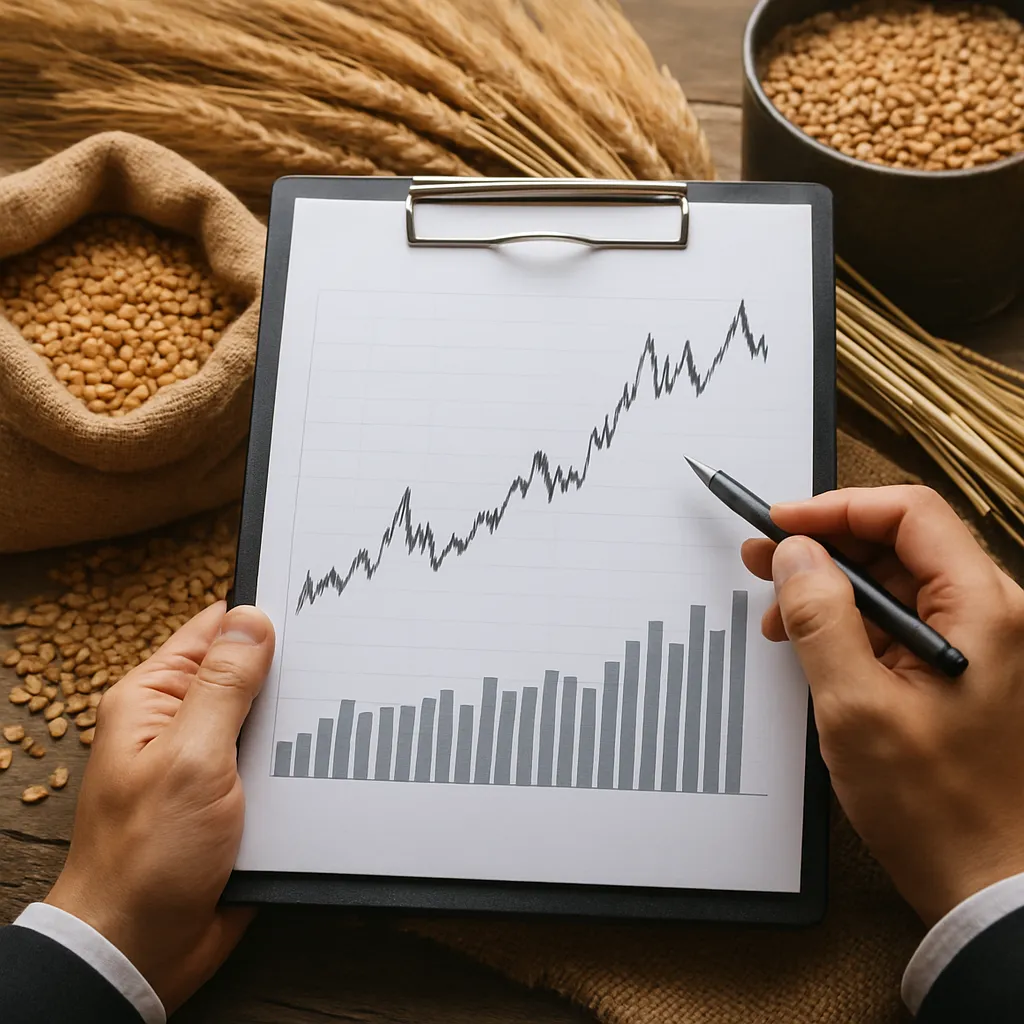
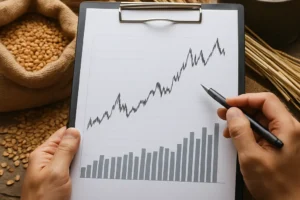
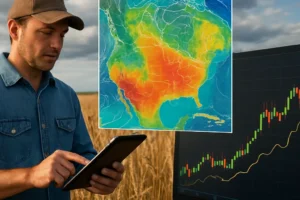
Accurate, timely data constitute a critical public good in the cereal sector. Governments maintain market intelligence units that track crop conditions, harvest progress, and global supply trends. Early-warning bulletins, monthly market reports, and online price platforms enhance stakeholders’ ability to make informed decisions. By disseminating real-time information on warehouse stocks, international quotations, and domestic sales, authorities deter rumor-driven panic buying and speculation. Such transparency tools complement other stabilization measures by aligning expectations across producers, traders, and consumers.
Sustainability, Innovation, and Future Outlook
Integrating Environmental Goals
Modern cereal policy increasingly intersects with ecological considerations. Incentives for conservation agriculture, agroforestry, and soil health management help reduce greenhouse gas emissions, protect biodiversity, and enhance long-term yield potential. By linking buffer stock procurement to sustainable production practices, governments can simultaneously advance food security and environmental resilience. Public–private partnerships mobilize funding for precision farming, remote-sensing technologies, and drought-tolerant seed varieties.
Leveraging Digital Platforms
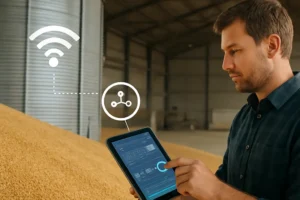
Emerging digital marketplaces and blockchain frameworks promise to revolutionize grain marketing. When governments support the rollout of e-auction platforms, mobile payment systems, and traceability solutions, supply chains become more efficient and less prone to fraud. Data analytics tools can forecast yield outcomes, simulate policy impacts, and optimize reserve release schedules. By integrating these innovations into existing stabilization frameworks, policymakers can anticipate market disruptions more effectively and tailor interventions with surgical precision.
Building Resilient Institutions
Ultimately, the success of stabilization efforts depends on institutional capacity. Transparent governance, anti-corruption safeguards, and stakeholder participation build legitimacy and trust. Periodic policy evaluations, independent audits, and academic collaboration ensure that interventions evolve alongside market dynamics. In an era of climate uncertainty, geopolitical tensions, and shifting consumption patterns, dynamic institutions—backed by adequate financing—will remain central to sustaining global grain stability.