

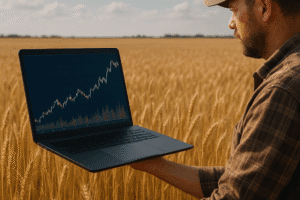

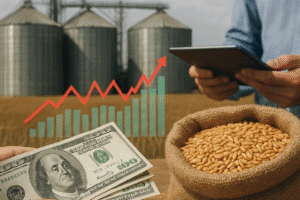

The agricultural commodities landscape is undergoing a profound transformation driven by the integration of advanced technologies and data-driven decision-making. Grain markets, traditionally characterized by human-driven trading floors and seasonal cycles, are now influenced by algorithmic trading platforms that execute orders at speeds and volumes previously unimaginable. This shift reflects a broader trend toward digitalization, as stakeholders seek to leverage predictive analytics, real-time price feeds, and automated risk controls to optimize supply chains and capture fleeting market opportunities. The rise of these systems has profound implications for farmers, grain elevators, commodity brokers, and end-users, reshaping market dynamics, price formation, and the interplay between global demand and supply.
Technology and Market Evolution
Over the past decade, rapid advancements in computing power and data storage have laid the groundwork for sophisticated trading algorithms in grain markets. High-capacity servers and cloud-based architectures now process terabytes of market and weather data daily, feeding machine-learning models that identify patterns and generate trading signals. These developments have accelerated the transition from traditional open-outcry pits to electronic exchanges, where high-frequency systems can open or close positions within milliseconds.
Key factors driving this evolution include:
- Liquidity Enhancement: Algorithmic participation has deepened order books on major grain exchanges, such as the Chicago Board of Trade (CBOT) and the Dalian Commodity Exchange (DCE), tightening bid-ask spreads.
- Data Democratization: Public and proprietary data feeds—ranging from satellite-based crop monitoring to real-time shipping logs—empower algorithms to anticipate supply disruptions and price spikes.
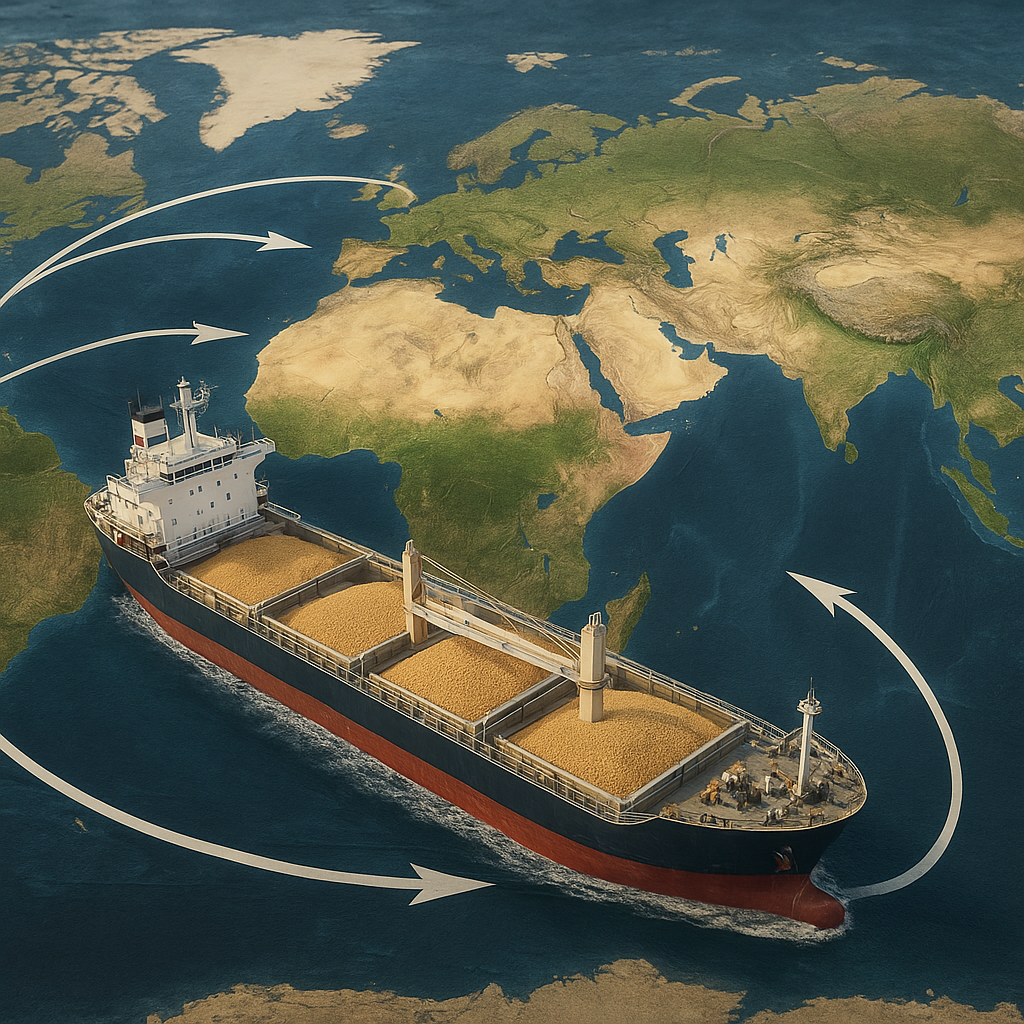
- Global Connectivity: API-driven access to multiple venues allows traders to arbitrage price discrepancies across continents, fostering greater market efficiency.
- Automation Tools: Pre-built algorithmic frameworks enable smaller firms to deploy complex strategies without extensive in-house programming.
This confluence of factors has lowered barriers to entry, inviting a diverse array of participants—from hedge funds and proprietary trading firms to agribusinesses seeking to hedge production risk.
Mechanics of Algorithmic Trading in Grains
At its core, an algorithmic trading system for grains ingests streams of market data, processes them through quantitative models, and issues orders based on predefined criteria. Common strategy types include trend-following, mean reversion, and event-driven approaches tied to supply chain disruptions or policy announcements. These strategies rely on several technological pillars:
- Order Management Systems (OMS): Software that routes orders to different exchanges, optimizing execution costs and slippage.
- Quantitative Models: Statistical or machine-learning models that forecast price movements using historical data and real-time indicators.
- Latency Optimization: Network and hardware enhancements that minimize round-trip time between the trading server and exchange matching engines.
- Risk Management Modules: Automated controls that enforce position limits, margin requirements, and loss thresholds to contain exposure.
Execution Strategies
Algorithms employ a variety of order types—such as iceberg orders, TWAP (Time-Weighted Average Price), and VWAP (Volume-Weighted Average Price)—to minimize market impact. For example, a VWAP algorithm splits a large order into smaller lots distributed over a predetermined time window, matching its trading pace to market volume. Conversely, a trend-following model might deploy market orders to capitalize on short-lived momentum spikes, accepting higher trading costs in exchange for capturing rapid price movements.
In agricultural markets, seasonality and weather news introduce unique challenges. Algorithms must adapt to daily crop reports, El Niño forecasts, and geopolitical developments affecting export bans or subsidies. This demands flexible architectures that can incorporate new data sources without compromising system stability or regulatory compliance.
Impacts on Price Volatility and Market Access
The integration of algorithmic trading into grain markets has elicited both praise and criticism. Proponents argue that increased participation by automated systems smooths price fluctuations, as continuous markets are better equipped to absorb large orders through deeper order books. Enhanced transparency, driven by systematic order placement and reporting, can reduce information asymmetry between large institutional actors and smaller participants.
Critics, however, warn of potential downsides: rapid algorithmic feedback loops may exacerbate volatility during stress events. When multiple strategies identify the same signal—such as a surprise USDA yield report—simultaneous order cancellations or market orders can induce price whipsaws. Moreover, reliance on similar data sets can lead to herding behavior, where algorithms herd into or out of positions en masse.
Despite these concerns, algorithmic trading has expanded market access for smaller players. Many platforms offer modular tools that allow grain producers and cooperatives to implement basic hedging strategies without the need for dedicated trading teams. Cloud-based terminals provide real-time risk dashboards and execution analytics, democratizing capabilities once reserved for large banks and commodity houses.
Challenges and Future Prospects
Looking ahead, the continued evolution of algorithmic trading in agricultural commodities will hinge on addressing several critical challenges. Ensuring robust risk management frameworks is paramount, as extreme weather events and geopolitical shocks grow in frequency and severity. Building resilience into trading systems—through stress testing and scenario analysis—will help prevent cascading failures during market turmoil.
Regulators, too, face the task of balancing innovation with market integrity. Crafting rules that curb manipulative practices—such as spoofing and layering—without stifling legitimate strategies remains a pressing concern. Collaborative efforts between exchanges, data providers, and algorithm developers can promote best practices, including standardized reporting protocols and transparency measures.
Another frontier lies in sustainability. By integrating environmental and social datasets—like carbon footprint metrics or labor practice audits—algorithms can help steer capital toward more sustainable supply chains. Such approaches may reward producers who adopt regenerative agriculture or precision farming techniques, aligning trading strategies with broader climate goals.
Finally, continued advancements in artificial intelligence promise to refine predictive accuracy and enhance adaptability. As neural networks become more adept at parsing unstructured data—from social media sentiment to satellite imagery—algorithms will generate richer insights into supply fluctuations and consumer demand. This synergy of technology and agriculture heralds an era of smarter, more responsive grain markets, where data-driven decisions optimize both profitability and resilience.