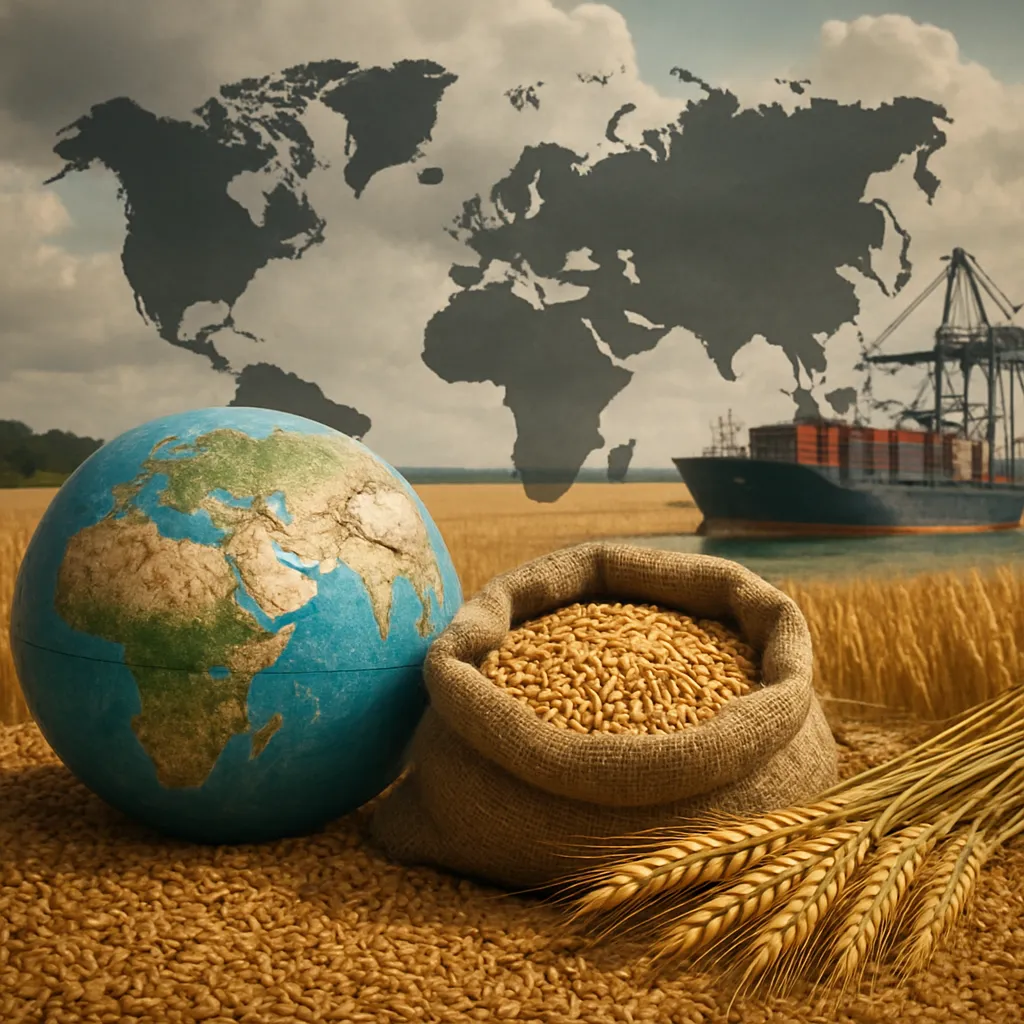



The global grain market serves as a barometer of economic health and social stability. When a severe financial crisis strikes, the intricate web of banking shocks, currency devaluations, and investment withdrawals can send shockwaves through staple commodities like wheat, corn, rice, and barley. These disturbances amplify existing vulnerabilities in supply chains, strain rural credit systems, and ignite bursts of speculation. By dissecting the impact of economic turmoil on agriculture, we gain insight into protective measures that support producers and safeguard food security for millions.
Global Grain Market Vulnerabilities
In the wake of a financial crisis, agricultural trade often finds itself at the mercy of broader market forces. Exchange rate swings and tightened lending conditions can undermine both importers and exporters, while disruptions in logistics magnify price pressures.
Currency Depreciation and Import Costs
- Rapid shifts in exchange rates raise the cost of importing fertilizers, machinery, and energy, driving input prices upward.
- Exporting countries may suddenly gain a competitive edge, but volatile currency moves discourage long-term contracts and investment in infrastructure.
Credit Crunch and Farm Financing
- Commercial lenders facing liquidity shortages impose stricter lending standards, triggering widespread credit constraints for farmers and agribusinesses.
- Reduced access to capital hampers planting decisions, delays procurement of seeds and chemicals, and forces many producers to operate below capacity.
Supply Chain Disruptions
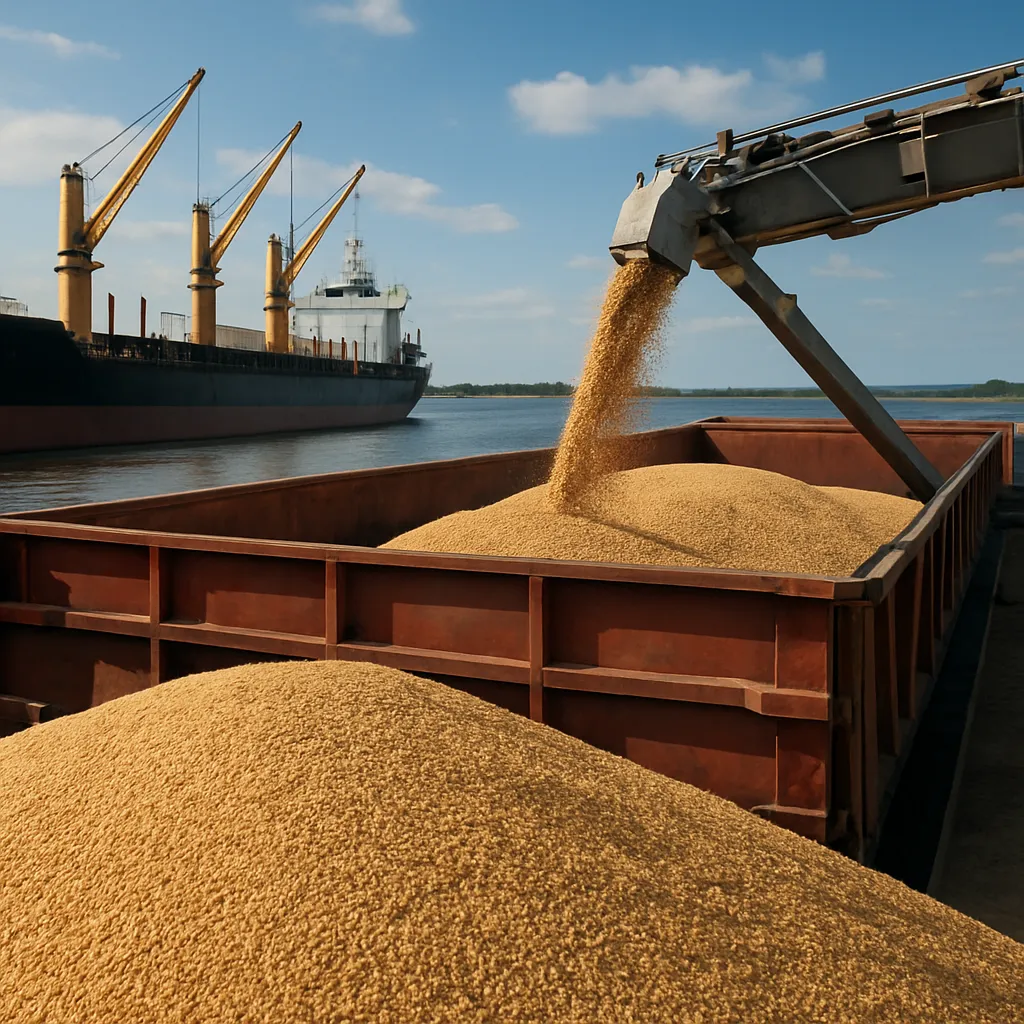
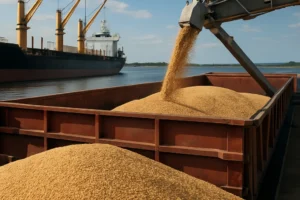
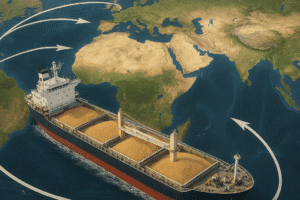
From port closures to trucking shortages, logistical bottlenecks pose a significant threat. When banks curb financing for trade transactions, letters of credit become scarce, further stalling cross-border flows of grain.
Price Volatility and Speculation Dynamics
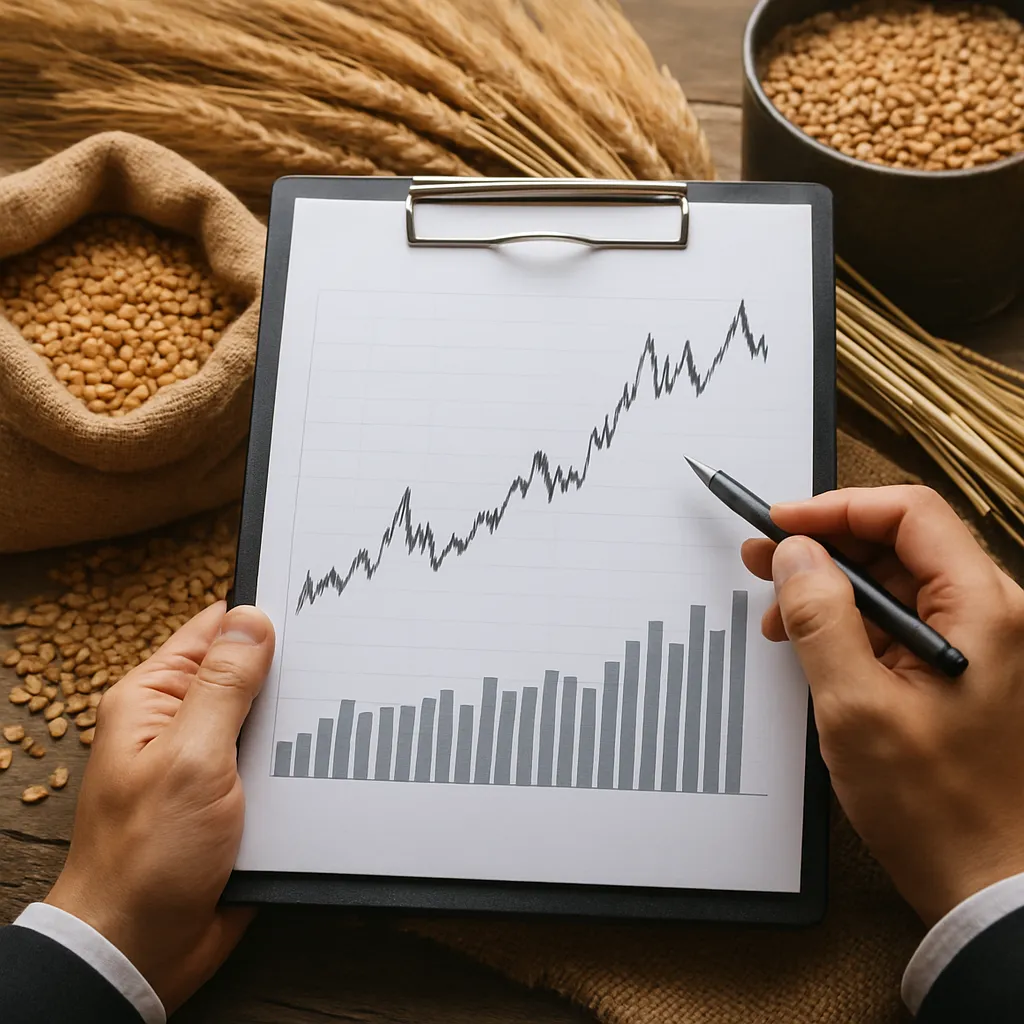
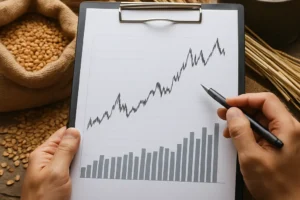
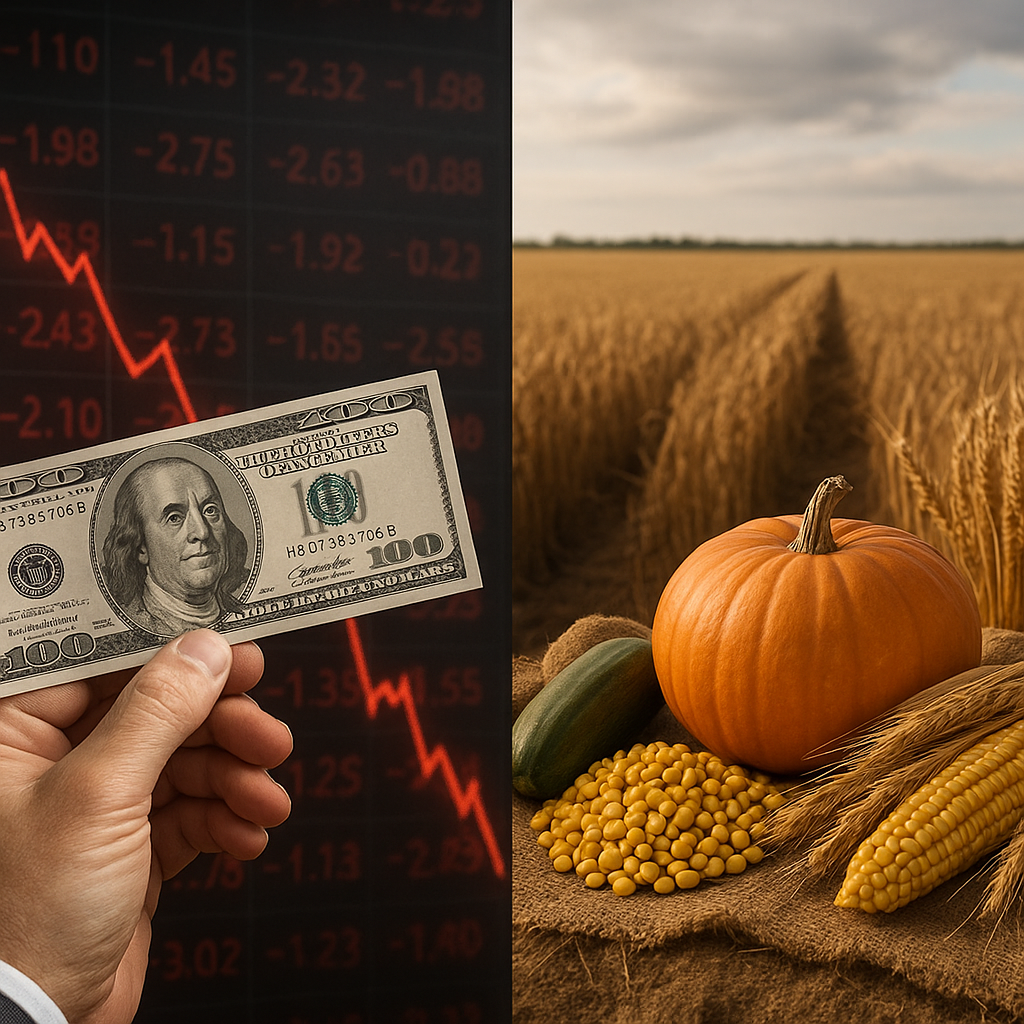
Market stress often translates into rapid swings in commodity prices. As investors retreat from equities and bonds, some divert capital to grain futures, seeking a hedge or a speculative haven. This influx can intensify price volatility on futures exchanges and physical markets alike.
Speculative Flows and Margin Calls
- In a flight to perceived safety, index funds and hedge funds amplify fluctuations by piling into or out of grain contracts.
- When prices dive, margin calls force leveraged traders to liquidate positions, triggering cascading sell-offs and further destabilizing markets.
Correlation with Energy and Financial Assets
Grain markets do not operate in isolation. Sharp moves in crude oil or global equity indices can prompt synchronized adjustments in agricultural futures. Such interlinkages reflect both cost structures—fuel for machinery and transport—and algorithmic trading models that bind asset classes together.
Impact of Derivatives and Algorithmic Trading
Automated trading strategies, designed to capture microsecond arbitrage, may exacerbate short-lived price spikes. Without robust circuit breakers or margin buffers, these systems can accelerate disorderly moves, eroding confidence among traditional market participants.
Impact on Producers and Consumers
Financial upheaval has a dual effect: it squeezes the profit margins of farmers while raising the food import bills of vulnerable populations. The consequences ripple through rural livelihoods and urban households alike.
Producer Challenges
- Elevated borrowing costs and restricted credit lines impede farmers’ ability to invest in new planting seasons or adopt improved technologies.
- Acute cash-flow shortages compel some producers to sell grain stocks at depressed levels, missing the opportunity for higher returns later in the cycle.
Consumer Pressures
- As wholesale prices climb, retailers pass on those increases to consumers, eroding purchasing power—especially in low-income communities.
- Food inflation spurs social unrest in countries heavily dependent on grain imports, putting pressure on governments to intervene.
Long-Term Socioeconomic Consequences
Protracted crises can provoke shifts in dietary patterns, malnutrition, and heightened migration from rural to urban areas. Persistent uncertainty discourages investments in rural infrastructure and education, undermining long-run market resilience.
Policy Responses and Risk Mitigation Strategies
Governments and multilateral agencies often deploy a suite of tools to calm markets and shield stakeholders. Effective measures balance immediate relief with structural reforms aimed at reducing future vulnerabilities.
Trade and Stockpile Interventions
- Export bans or quotas can temporarily stem domestic price inflation but risk deepening shortages abroad and eroding trust among trading partners.
- Strategic buffer stocks provide a cushion against supply shocks, but proper management is crucial to avoid market distortion or spoilage.
Financial Instruments and Credit Facilities
- Emergency credit lines for agricultural cooperatives and smallholders help maintain planting intentions and preserve rural incomes.
- Encouraging the use of forward contracts and hedging tools can stabilize revenues, though widespread adoption requires education and supportive regulation.
Technological and Structural Innovations
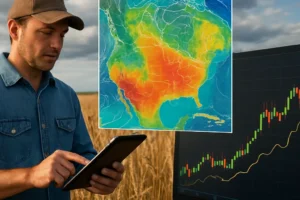
Investments in farm-level digital platforms, remote sensing, and improved storage facilities reduce post-harvest losses and increase transparency. Such technological innovation fosters better price discovery and more resilient distribution networks.
International Cooperation
Coordinated actions—such as swap lines between central banks and collective agreements on export policies—mitigate cross-border distress. Multilateral frameworks encourage data sharing on supply expectations, enhancing global preparedness for future financial shocks.