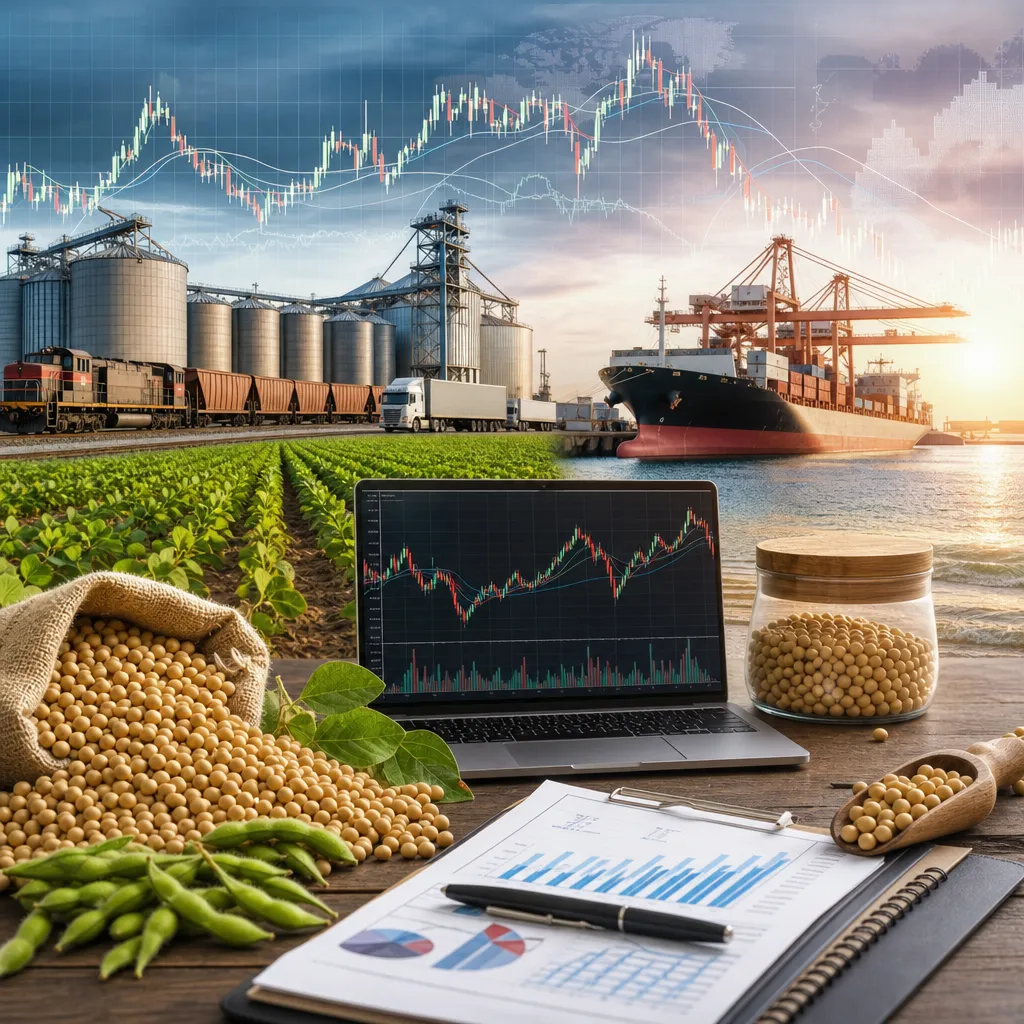



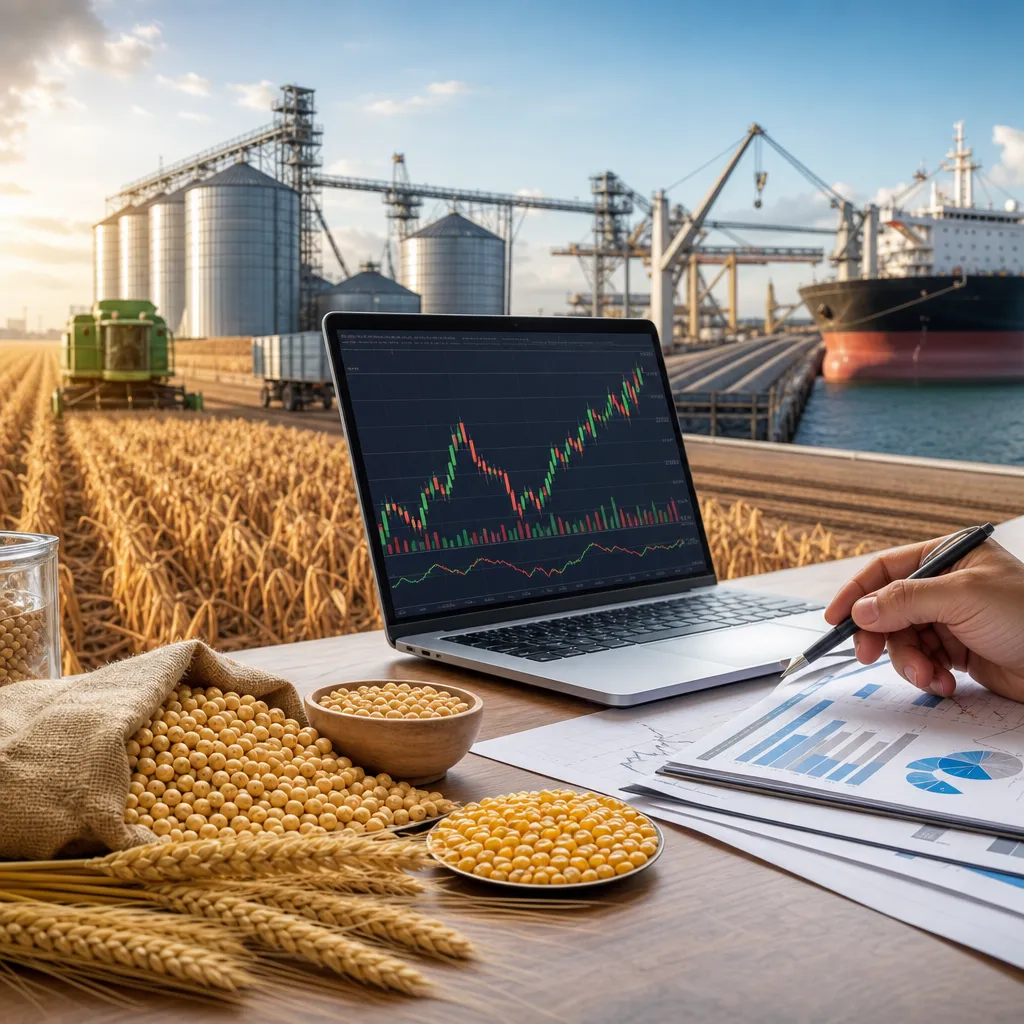
Argentina grain prices today usually refers to the current values for corn, soybeans, wheat, and sometimes sunflower in the Argentine physical market and in related futures markets. The geography matters: Argentina is a major South American grain and oilseed exporter, and much of its price discovery is tied to the inland production belt and to export positions around the Rosario area on the Paraná River, as well as other port zones such as Bahía Blanca and Quequén. In practice, there is no single “Argentina grain price” for a crop on a given day, because values differ by commodity, delivery point, quality, timing, currency, and whether the quote is a futures reference, an export indication, or an inland cash bid. Readers looking for today’s prices should therefore identify the crop, market location, pricing unit, and whether they want a screen-based derivative price or a real physical buying price.
Argentina commonly trades grain in metric tons, and prices may be discussed in Argentine pesos or in U.S. dollars depending on the market segment and contract structure. Local price formation is strongly influenced by global benchmarks such as Chicago futures for soybeans, corn, and wheat, but domestic cash values can diverge significantly because of basis, freight, port demand, exchange-rate conditions, local policy, storage costs, and competition among exporters, crushers, feed users, and mills.
What “Argentina grain prices today” means in practice
In Argentina, “grain prices today” can mean several different things, and mixing them up leads to bad decisions. A futures quote is not the same as a farm-gate bid, and an export reference at a port is not the same as a delivered value at an inland elevator.
The most common price categories are:
| Price type | Where it appears | What it means |
|---|---|---|
| Futures price | Exchange screen | A standardized contract for future delivery month exposure, used for hedging and trading. |
| Cash bid | Buyer, cooperative, merchant, or processor | What a buyer is willing to pay for physical grain at a specific place, quality, and timing. |
| Delivered price | Commercial contract | Price for grain delivered to a named destination such as a plant, warehouse, or port. |
| Export bid | Exporter or port market indication | A buying indication reflecting export demand for shipment or port delivery. |
| FOB price | Export trade reporting | Free on board vessel price at the export point, not the farm price. |
| CIF price | Import market reporting | Cost, insurance, and freight into a destination market; generally more relevant to importers than local producers. |
For Argentina, soybeans are also linked to a large domestic crushing industry, so prices can reflect not only export grain demand but also demand from processors making meal and oil. Corn and wheat prices often move with export parity, domestic feed use, milling demand, and the cost of moving grain from interior production zones to terminals.
Where the Argentine grain market operates
Argentina’s grain market is centered on the country’s main agricultural belt, especially the Pampas region. Provinces such as Buenos Aires, Córdoba, and Santa Fe are key production areas for soybeans, corn, and wheat. Physical grain moves from farms to local acopios, cooperatives, processors, and exporters, then toward domestic consumption points or export terminals.
For export-oriented pricing, the Rosario area is especially important because the Paraná River corridor hosts a large concentration of crushing plants, grain terminals, and export logistics. Bahía Blanca and Quequén also matter as maritime outlets, particularly for grain movement from southern and western producing areas. Because freight within Argentina can be substantial, two buyers may post different values for the same commodity simply because their destination, vessel program, or logistics differ.
That is why a reader searching “Argentina grain prices today” should always ask: price where? A Rosario-area delivery indication may differ from an interior Santa Fe bid, and both may differ from a southern Buenos Aires wheat bid near a port-oriented milling or export zone.
How prices are formed in Argentina
Argentine grain prices are shaped by both global and domestic variables. International grains are heavily benchmarked against U.S. futures markets, especially Chicago contracts for soybeans, corn, and wheat. Those futures help establish the broader direction of value, but the actual Argentine cash price is built from many local adjustments.
The main components usually include:
- International benchmark: global futures and world export values.
- Basis: the difference between local cash price and the reference futures value.
- Currency: local peso conditions and U.S. dollar relevance in grain trade.
- Location: distance to crushing plants, feed mills, export terminals, or warehouses.
- Quality: protein, moisture, test weight, foreign material, damaged grain, and other contract terms.
- Timing: nearby harvest pressure versus deferred delivery opportunities.
- Buyer competition: exporters, crushers, mills, and domestic users may compete differently by region.
- Policy and trade rules: export registration, taxes, quotas, or administrative changes can alter cash values.
Basis is especially important. If Chicago corn futures rise, an Argentine local corn bid does not automatically rise by the same amount. The local basis may weaken if harvest supplies are heavy, if logistics slow down, or if export demand softens. Conversely, basis may strengthen when nearby exporter demand is urgent, crusher margins improve, or weather disrupts supply movement.
| Factor | Typical effect on local prices | Why it matters in Argentina |
|---|---|---|
| Chicago futures move | Sets global direction | Argentina competes in world grain and oilseed trade. |
| Port demand | Can strengthen nearby bids | Export programs around Rosario and other ports drive large volumes. |
| Crushing margins | Supports soybean demand | Argentina is a major soybean processor and exporter of meal and oil. |
| Harvest pressure | Can weaken cash bids | Large seasonal arrivals often pressure nearby storage and logistics. |
| Freight and distance | Reduces net farm price inland | Transport cost to river or ocean terminals is a major pricing element. |
| Exchange-rate environment | Affects local conversion and marketing behavior | Grain is globally traded in dollars while domestic operations involve pesos. |
Where to check Argentina grain prices online
Because this is a price-related topic, the most practical answer is not to guess today’s number but to show where reliable market participants usually look. Readers should cross-check more than one source because screen prices, indicative bids, and executable physical offers are not always identical.
Useful places to check include:
- Matba Rofex: the main Argentine derivatives exchange for agricultural futures and options. This is relevant for futures references and hedging tools, not as a direct substitute for a local farm bid.
- Bolsa de Comercio de Rosario: an important source for market commentary and references connected to the main grain and oilseed commercial hub.
- Secretaría de Agricultura, Ganadería y Pesca: official Argentine agricultural information can help with market context, crop progress, and policy developments.
- USDA reports: especially for global balance-sheet context, export competition, and South American crop analysis.
- Local cooperatives, acopios, exporters, mills, and crushers: these are often the most relevant source for real physical bids available to a producer or merchant in a specific location.
When checking prices, confirm all of the following:
- The commodity: soybean, corn, wheat, sunflower, sorghum, or another grain/oilseed.
- The market type: futures, spot cash, forward cash, delivered plant, or port bid.
- The delivery point: inland warehouse, processor, Rosario-area terminal, Bahía Blanca, or Quequén.
- The currency: Argentine pesos or U.S. dollars.
- The unit: usually metric ton in Argentina.
- The date and timing: same-day indication, nearby delivery, or deferred shipment period.
How grain is physically bought and sold in Argentina
Physical grain trading in Argentina takes place through commercial relationships, not only through screens. Farmers, cooperatives, grain merchants, acopios, crushers, exporters, feed manufacturers, and flour mills all participate in the physical market.
A typical physical sale may work like this:
- A producer requests bids from local buyers or checks available indications through brokers, cooperatives, or merchants.
- The buyer quotes a price for a named commodity, quality standard, delivery period, and location.
- The seller evaluates freight, drying needs, storage costs, payment terms, and counterparty reliability.
- The parties agree on the contract type, such as spot, forward, or to-arrive style physical delivery terms.
- Grain is delivered to the agreed warehouse, plant, or terminal and is subject to weighing, grading, and quality verification.
- Final settlement reflects contract terms and any quality adjustments.
This real-world trade matters more to most producers than any isolated screen quote. A futures price may rise while a local bid fails to improve because trucks are scarce, port demand is weak, or moisture discounts increase. On the other hand, a strong nearby exporter program can lift the physical bid even if international futures are flat.
How futures and options are used for Argentina grain exposure
Futures and options are financial risk-management tools, not the same thing as owning grain in a bin or delivering trucks to a port. In Argentina, market participants may look at local derivatives through Matba Rofex and also monitor international benchmarks such as Chicago markets because world grain values influence local trade.
These tools are used by:
- Farmers hedging future sales.
- Exporters managing price risk between purchase and shipment.
- Processors protecting crush or input margins.
- Commercial traders arbitraging price relationships.
- Speculators seeking price exposure without handling physical grain.
Futures trading normally requires a brokerage relationship, account approval, and margin posting. Because futures are leveraged instruments, gains and losses move daily. A hedge can reduce price risk, but it does not eliminate basis risk. A soybean producer, for example, may hedge benchmark price exposure on an exchange and still face a weaker local basis at the time of physical sale.
Options may be used to define downside or upside exposure more flexibly, but they involve premiums and strategy complexity. For many physical market participants, the key point is simple: online futures trading can help manage price risk, but it does not replace negotiating a physical grain contract with a real buyer.
Argentina’s role in supply, demand, and export trade
Argentina is one of the world’s important agricultural exporters, especially in soy complex products and also in corn and wheat. Its domestic market is shaped by both internal consumption and export parity. Soybeans are distinctive because the country is not just a producer of beans; it also has a major processing sector that converts soybeans into meal and oil for global markets.
Corn demand can come from exporters, livestock feeding, and industrial users. Wheat is tied to both milling demand inside Argentina and export opportunities, depending on crop quality and international competitiveness. As a result, Argentina grain prices are highly sensitive to shifts in global weather, Black Sea competition, U.S. crop conditions, ocean freight direction, and the import demand of major buying countries.
Seasonality also matters. Harvest periods often increase market arrivals and pressure nearby storage and logistics. Planting conditions, soil moisture, and rainfall patterns can quickly change local expectations for yield and exportable surplus. In years of tight production, domestic users and exporters may compete harder for supplies, which can support local basis levels even when futures are not especially strong.
What to watch for price trends and forecasts
No responsible article should present certainty as a forecast, especially for “today” topics. The useful approach is scenario analysis. Argentine grain prices can strengthen, weaken, or move sideways depending on how several moving parts interact.
Key drivers to watch include:
- Weather: rainfall patterns, heat stress, and harvest disruptions can quickly alter output expectations.
- Planting and harvest progress: delays affect yield assumptions and logistics.
- Global competing supply: crops in the United States, Brazil, and the Black Sea region alter export competition.
- Currency conditions: local exchange-rate dynamics affect producer selling behavior and domestic price translation.
- Export demand: aggressive importer buying can improve port bids and basis.
- Domestic processing demand: crusher appetite matters especially for soybeans.
- Policy changes: export rules, taxes, and other administrative shifts can impact local values quickly.
- Freight and logistics: river conditions, trucking availability, and terminal congestion can influence net bids.
A bullish scenario would usually involve weather risk, tighter exportable supply, stronger international benchmarks, firm processor or exporter demand, and supportive basis. A bearish scenario would more often involve large crop expectations, smooth harvest logistics, heavy selling pressure, weaker global futures, or reduced buyer urgency.
Practical reading of today’s market
If you want to understand Argentina grain prices today in a practical way, start by separating market layers. First, look at the international benchmark direction. Second, check the Argentine futures reference if relevant. Third, compare that with actual local physical bids from buyers in your area or destination market. Fourth, evaluate basis and freight rather than focusing only on the headline number.
For exporters and commercial users, the important question is often parity: whether local grain can be bought, moved, and sold competitively into export channels. For farmers, the key question is net realizable value after transport, quality discounts, finance, and timing. For traders using exchanges, the key question is whether the hedge matches the physical exposure closely enough to manage risk effectively.
Where can I check Argentina grain prices today?
The most relevant places are Matba Rofex for futures references, Bolsa de Comercio de Rosario for market information, official Argentine agricultural sources for context, and local buyers such as cooperatives, acopios, exporters, mills, and crushers for executable physical bids.
Are Argentina grain prices quoted in pesos or dollars?
Both can be relevant. Argentina’s grain trade is strongly connected to U.S. dollar benchmarks, but domestic quotations and settlements may also be discussed in Argentine pesos depending on the contract and market segment. Always verify the currency before comparing prices.
What unit is normally used for grain prices in Argentina?
The usual commercial unit is the metric ton. This differs from some U.S. market reporting, where futures are commonly discussed in bushels.
Why is the local cash bid different from Chicago futures?
Because Chicago futures are only a benchmark. The local Argentine cash bid also reflects basis, freight, quality, delivery timing, buyer competition, exchange-rate conditions, domestic demand, and export logistics.
Can I use futures prices as my farm-gate selling price?
No. Futures are not the same as a local physical bid. They help show benchmark market direction and can be used for hedging, but the actual farm-gate or delivered value depends on local commercial terms.
How is grain physically sold in Argentina?
Usually through buyers such as cooperatives, merchants, acopios, processors, mills, or exporters. The sale is based on commodity, quality, location, timing, delivery terms, and payment conditions, with final value confirmed through weighing and grading.
What makes Rosario so important to grain pricing?
The Rosario area is a major commercial and export hub on the Paraná River, with concentrated grain terminals and soybean crushing capacity. Demand in that corridor often plays a major role in Argentine cash market formation.
What should I watch if I want to anticipate price direction?
Monitor weather, planting and harvest progress, Chicago futures, domestic basis, export demand, crusher demand, logistics, currency conditions, and any policy changes affecting export economics or local commercialization.
Sources
- Matba Rofex
- Bolsa de Comercio de Rosario
- USDA Foreign Agricultural Service