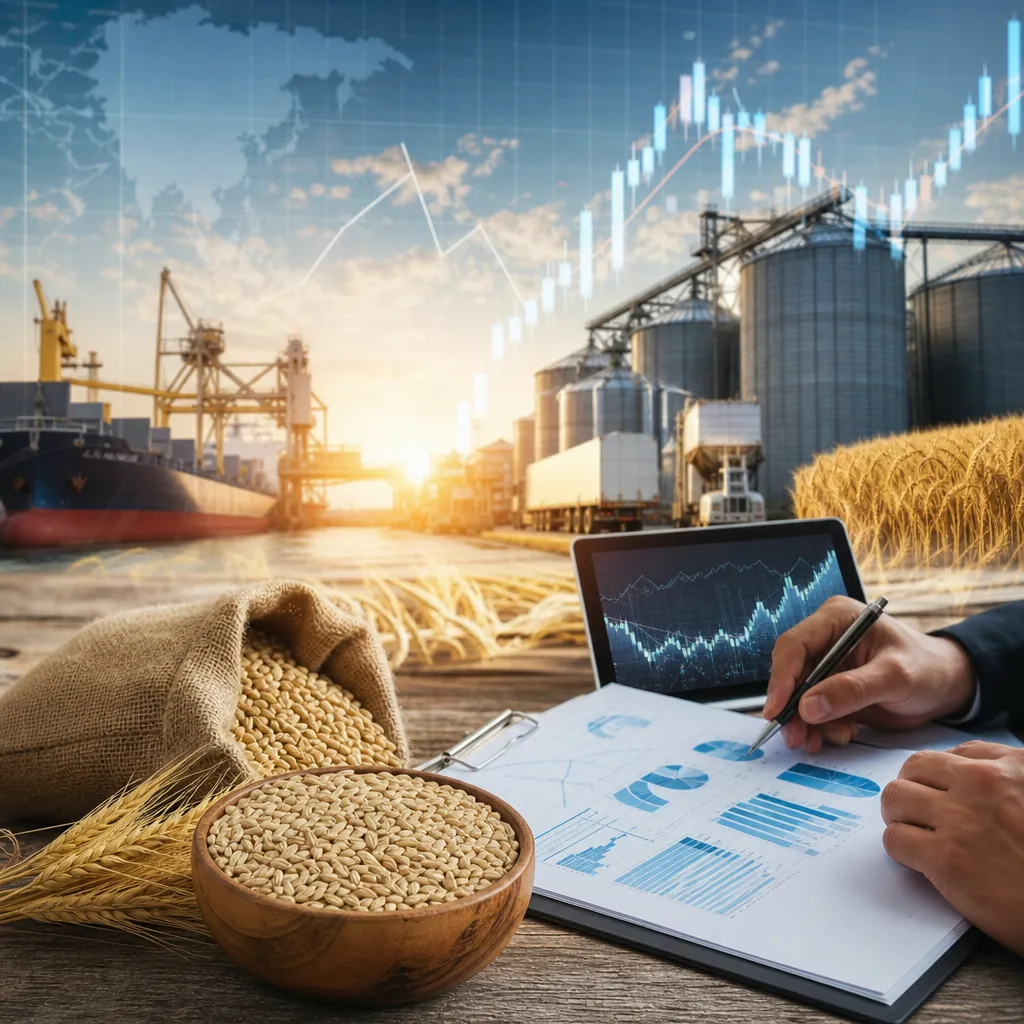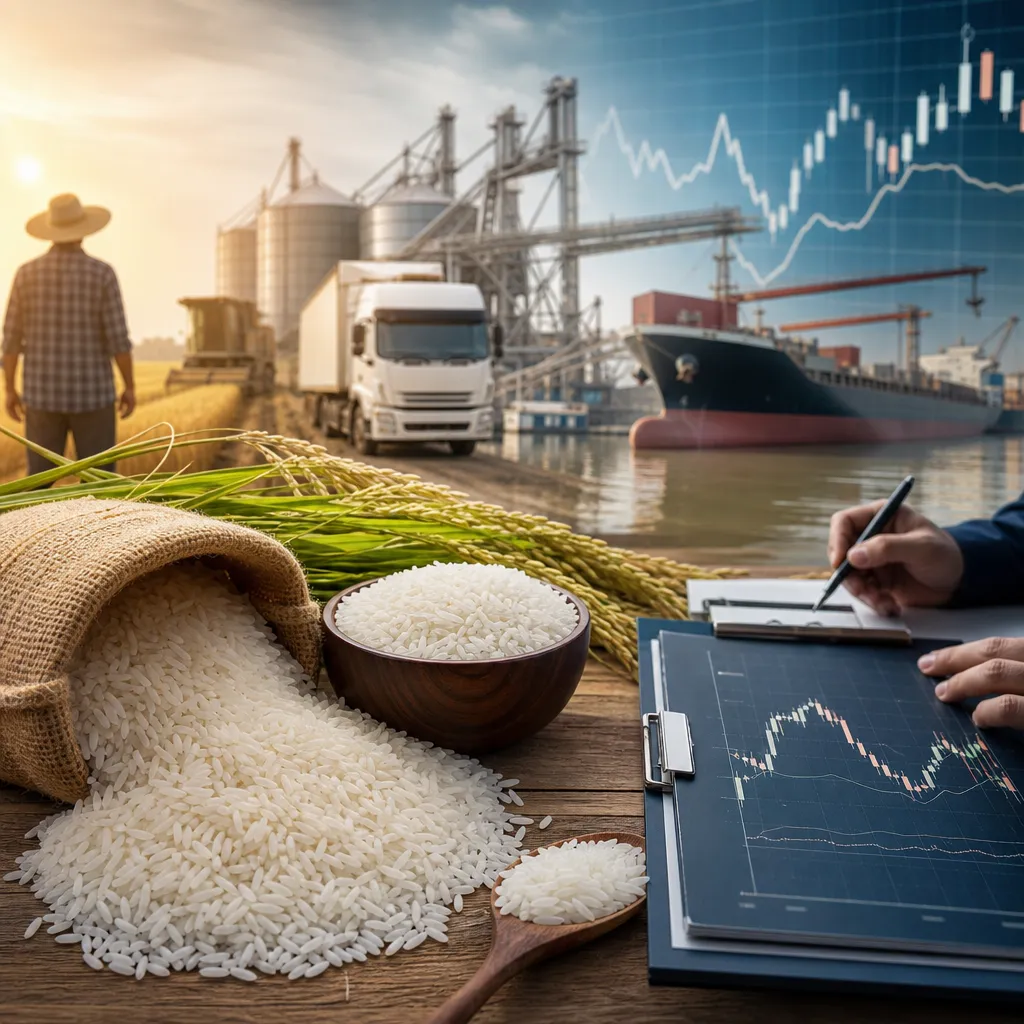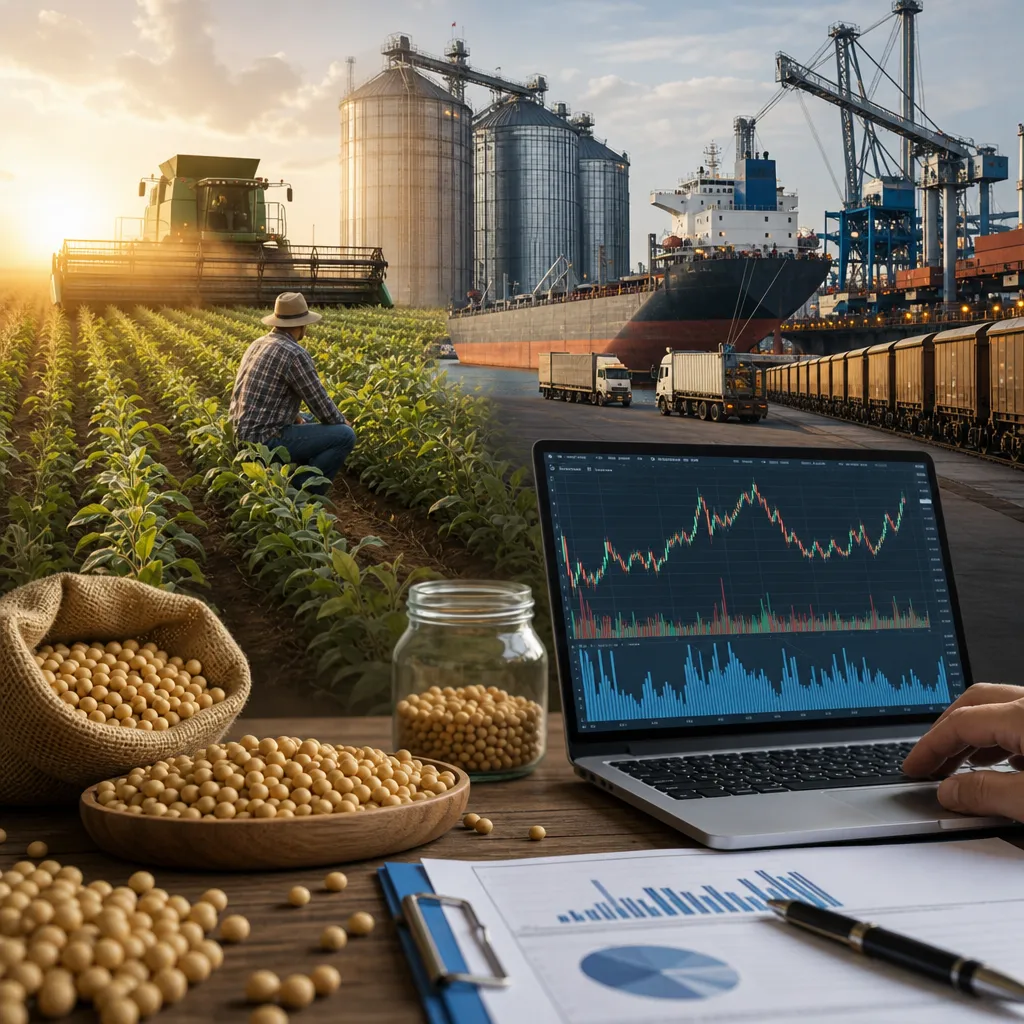
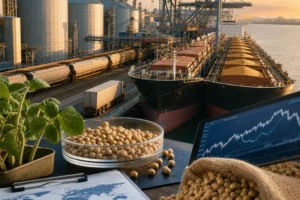
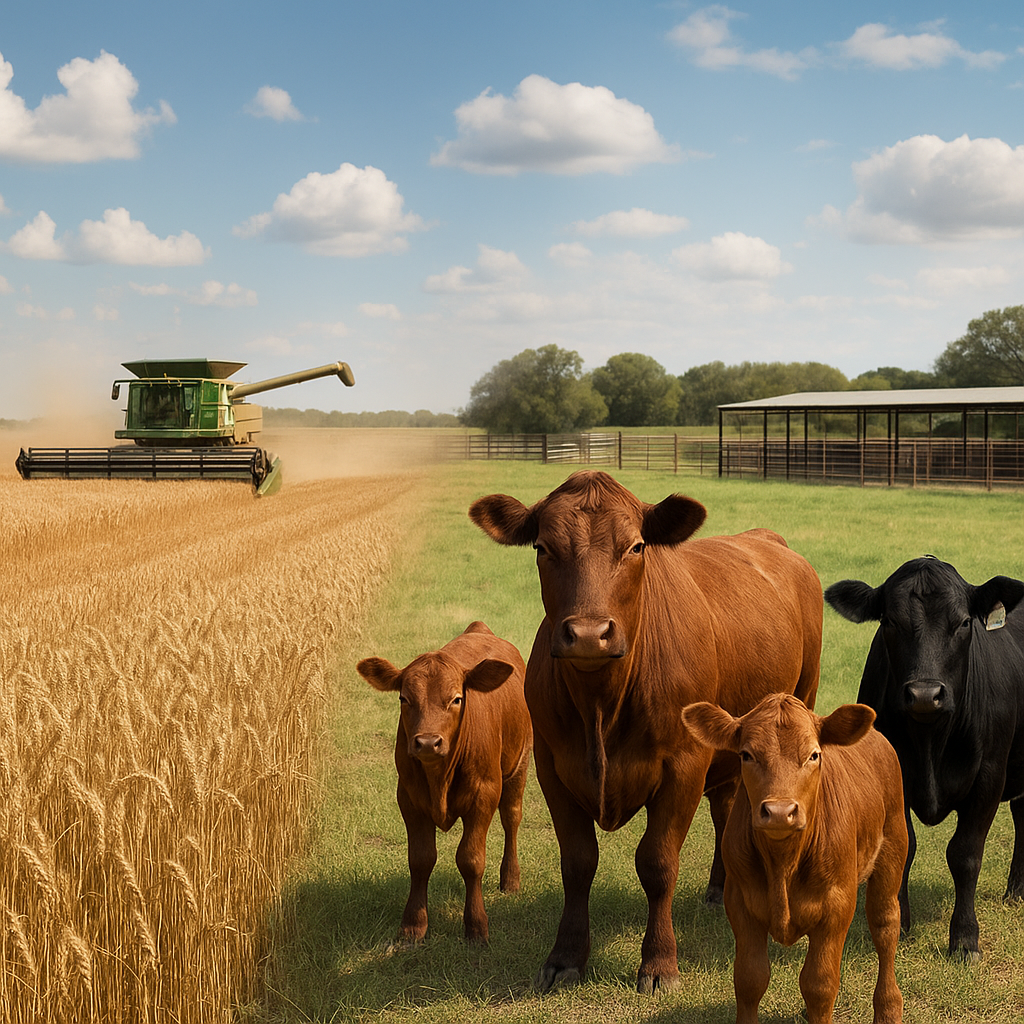
The global agricultural landscape is shaped by a complex interplay between crop production and animal husbandry. Understanding this synergy is vital for stakeholders ranging from farmers and processors to traders and policymakers. The dynamic relationship between grain and livestock sectors influences price formation, risk management, and long-term strategic decisions. By examining the channels through which grain costs impact meat and dairy output, and how feed markets respond to shifts in consumption patterns, one can appreciate the multifaceted nature of modern agribusiness.
Market Dynamics and Price Transmission
Linkages Between Grain Prices and Feed Costs
As primary inputs in animal production, cereals such as maize, wheat, and barley directly affect the profitability of livestock operations. When the cost of corn surges due to weather disturbances or policy changes, feed rations become more expensive. This, in turn, compresses margins for producers of pork, poultry, and beef. Price adjustments in the grain domain often transmit to the meat sector through:
- Feed conversion ratios that determine how much grain is required per unit of meat output.
- Contract structures in integrated supply chains where feed mills are linked to processing plants.
- Spot and futures markets that facilitate rapid price discovery and arbitrage.
Supply, Demand, and Volatility
Market equilibrium is governed by the interplay of supply and demand forces. A bumper harvest can flood the grain market, pushing prices down and incentivizing increased feed incorporation in livestock rations. Conversely, strong export demand or biofuel mandates can create tight inventories, triggering spikes in feed costs and provoking greater price volatility. Key drivers include:
- Seasonal planting and harvesting cycles.
- Geopolitical events that affect trade flows and tariffs.
- Speculative activity by financial players seeking to hedge against inflation.
Risk Management and Hedging Strategies
Futures and Options in Grain and Meat Markets
Producers and traders employ derivative instruments to manage price uncertainty. Grain futures contracts allow farmers to lock in selling prices months in advance, mitigating exposure to adverse movements. Similarly, meat processors can hedge by taking offsetting positions in live cattle or lean hog futures. Important considerations include:
- Basis risk arising from differences between local cash prices and exchange-traded contract prices.
- Margin requirements that demand collateral and affect cash flow.
- Option premiums, which provide asymmetric payoff profiles and protection against extreme swings.
Insurance, Vertical Integration, and Contract Farming
Beyond financial hedges, industry stakeholders adopt structural strategies to stabilize returns:
- Crop and livestock insurance schemes that compensate for yield losses or mortality from disease.
- Vertical integration models where farms, feed mills, and processing facilities operate under a single corporate umbrella, internalizing price risks.
- Contract farming arrangements that specify predetermined prices and quality standards, offering a measure of predictability for both growers and buyers.
Globalization, Sustainability, and Future Trends
Impact of Trade Policies and Global Links
International trade agreements and export restrictions exert profound effects on both grain and meat markets. Import tariffs or quotas in a major consumer country can divert shipments, altering global markets. Conversely, subsidies in producing nations may lead to overproduction, depressing world prices and pressuring smaller exporters. Key aspects include:
- Regional trade blocs that harmonize regulations and reduce barriers.
- Sanitary and phytosanitary measures intended to curb animal diseases, which can halt exports overnight.
- Currency fluctuations that influence competitiveness and purchasing power.
Role of Biofuels and Environmental Concerns
Growing demand for sustainable energy has redirected a portion of grain output toward ethanol and biodiesel production. This shift introduces competition between food, feed, and fuel uses, with significant implications:
- An increase in grain prices due to diversion of crops into biofuels facilities.
- Heightened scrutiny of land use change and greenhouse gas emissions in supply chains.
- Development of second-generation biofuels that utilize agricultural residues, potentially easing pressure on food supplies.
Strategies for Environmental and Economic Sustainability
To reconcile productivity goals with ecological stewardship, stakeholders are embracing innovative practices:
- Precision agriculture techniques that optimize fertilizer and water usage in grain production.
- Integrated crop-livestock systems that recycle nutrients and reduce waste.
- Genetic improvements and breeding programs aimed at resilient crop varieties and low-emission animal breeds.
Emerging Technologies and Digitalization
Big Data Analytics and Price Forecasting
Advances in data collection and machine learning enable more accurate predictions of crop yields, weather impacts, and consumer trends. Grain traders leverage satellite imagery and IoT sensors to assess field conditions in real time, while livestock producers monitor herd health via wearable devices. These digital tools can reduce uncertainties in both supply forecasts and feed cost projections.
Blockchain and Supply Chain Transparency
Blockchain platforms facilitate traceability from farm to fork, reassuring consumers about product origins and safety. Immutable ledgers record transactions at each stage—harvest, processing, transportation—enhancing trust and reducing the risk of fraud. Such transparency can command price premiums for high-quality or ethically produced commodities.
Conclusion of Key Insights
Integrated Approach to Globalization and Risk
Effective decision-making in agriculture necessitates a holistic view that links grain and livestock segments. Market participants must balance short-term risk mitigation with long-term investments in resilience. Public policy plays a pivotal role in shaping incentives, ensuring food security, and fostering innovation.
Outlook for Market Participants
As the sector navigates evolving consumer preferences, climate pressures, and technological breakthroughs, adaptability remains paramount. Those who master the interconnections between feed costs and animal production, and who deploy both financial and operational hedges, will be best positioned to thrive amid complexity. The future of agribusiness lies in harmonizing profitability with responsible resource management through collaborative efforts across the entire value chain.