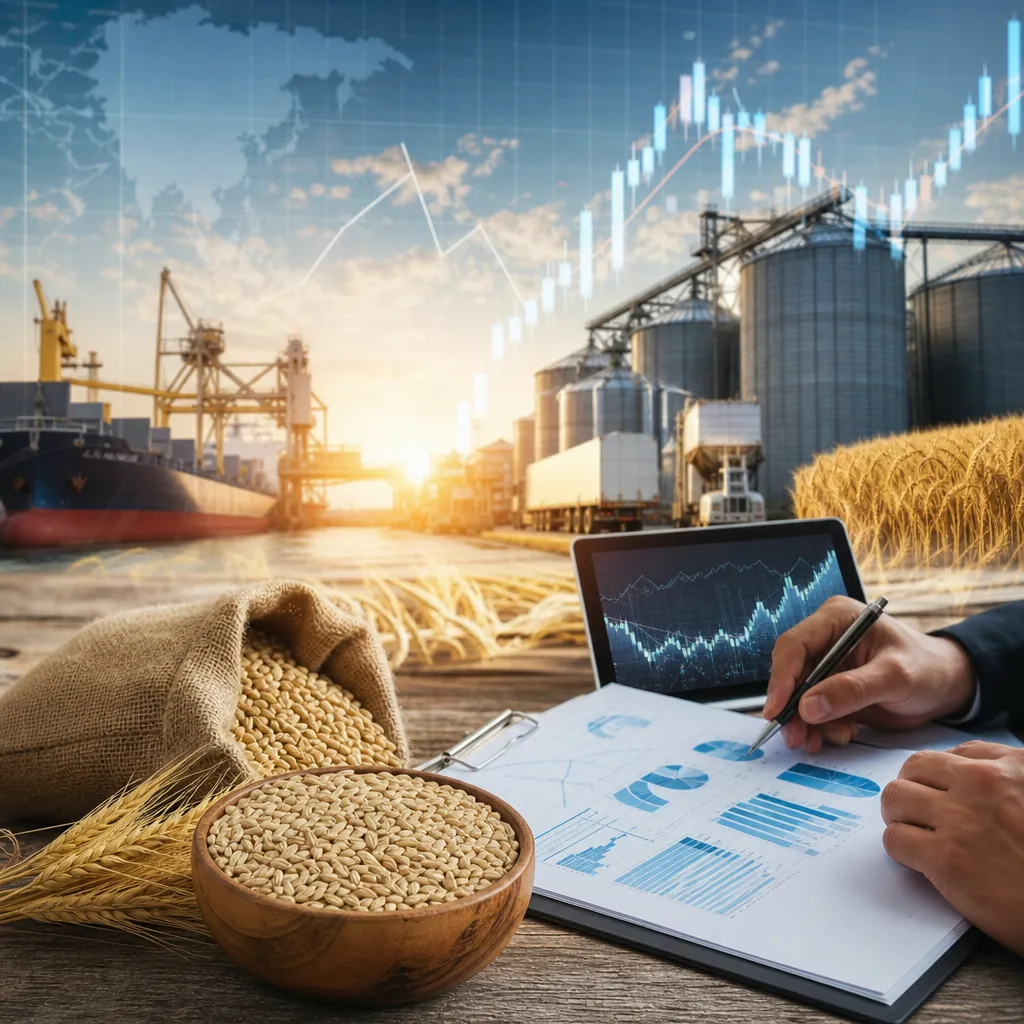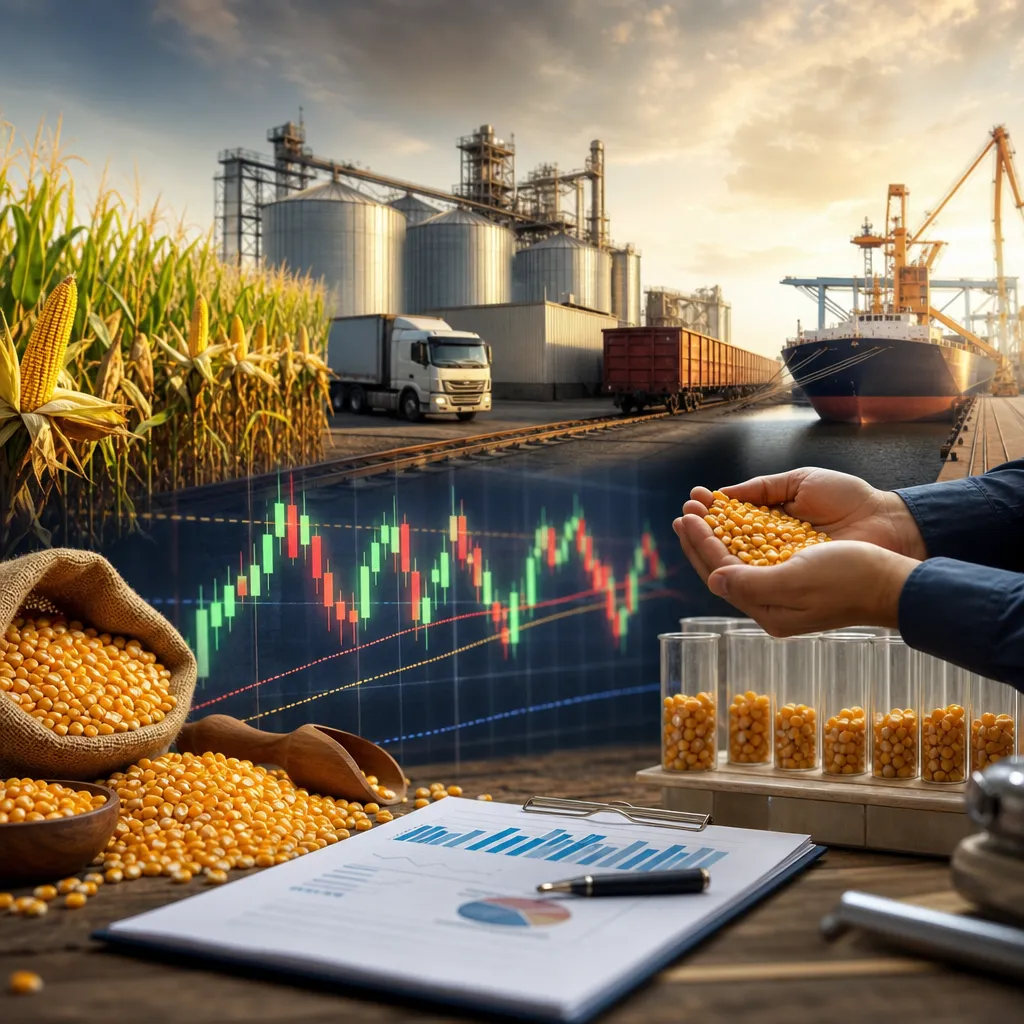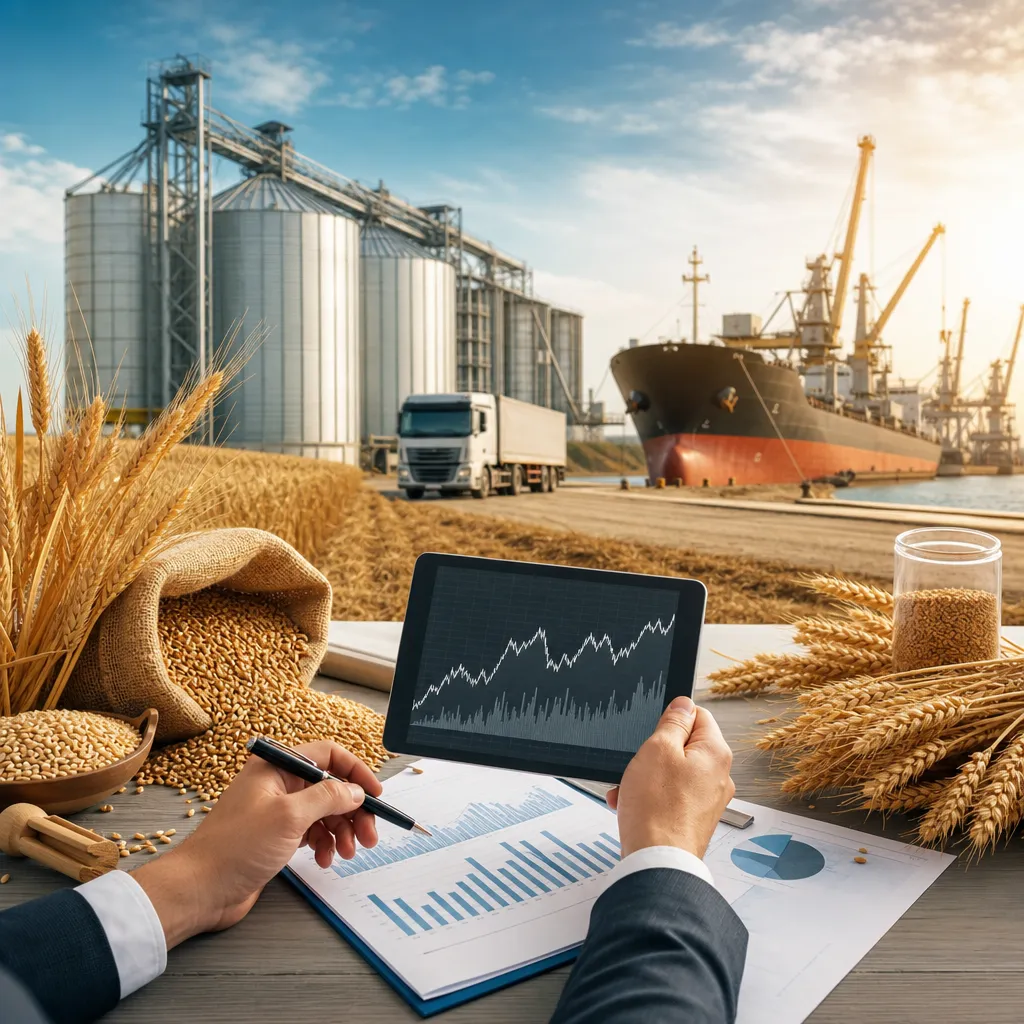


Global grain trade has historically relied on face-to-face negotiations, paper contracts and fragmented information channels. Over the past decade, a significant shift has occurred as digital platforms emerge to streamline transactions, optimize logistics and enhance market intelligence. These online grain marketplaces are reshaping relationships between producers, traders and end users by offering real-time data, standardized processes and secure payment gateways. The following sections explore the driving forces behind this transformation, the key functionalities that define modern grain platforms, and the challenges buyers and sellers face as they embrace digitalization.
Evolution of Grain Trading in the Digital Age
The grain market was once dominated by traditional brokers, regional exchanges and manual record-keeping. While those methods served a purpose, they often led to delays, miscommunications and uneven information distribution. As internet penetration improved in rural areas and agribusinesses demanded more agility, innovators introduced online portals that connect supply and demand across borders. These platforms now aggregate offers from farmers, cooperatives and grain elevators, enabling global buyers to compare quality, quantity and price in seconds.
From Paper Contracts to Smart Agreements
Adoption of blockchain and smart contracts allows counterparties to lock in terms securely on a distributed ledger. Once predefined conditions—such as inspection reports or shipping milestones—are met, funds are released automatically. This reduces counterparty risk and accelerates settlement cycles, replacing lengthy letter-of-credit procedures with near-instantaneous payments.
The Role of Data Analytics
Advanced data analytics engines integrated into grain platforms process satellite imagery, weather forecasts and historical yield statistics to forecast harvest volumes and price trends. By offering predictive insights, these tools empower buyers to hedge against price volatility and producers to time their sales for optimal margins. Detailed dashboards break down supply chain bottlenecks, enabling proactive decision-making at every stage, from field to export terminal.
Key Features of Modern Grain Marketplaces
Contemporary digital grain platforms differentiate themselves with a suite of features designed to tackle the industry’s most persistent pain points. Below are some of the core components that drive their value proposition.
- Online Market Listings: Comprehensive catalogs where sellers upload graded test results, photos and logistic options. Buyers filter listings by protein content, moisture level or delivery window.
- Real-Time Price Discovery: Live feeds of bids and offers from around the world, enabling participants to stay informed on prevailing market rates and emerging trends.
- Secure Escrow Services: Funds are held in escrow until all contractual obligations—inspection, loading and shipping—are verified, fostering trust between unfamiliar parties.
- Traceability Tools: End-to-end chain of custody tracking that records each transaction point, from farm harvest date to final warehouse delivery, ensuring full transparency for quality assurance and compliance.
- Mobile Accessibility: Responsive web apps and dedicated smartphone interfaces allow users to manage bids, monitor shipments and receive push notifications on critical events.
- Logistical Coordination: Integrated freight marketplaces match grain volumes with available carriers, optimizing routes and reducing idle time at ports and silos.
- Risk Management Modules: Options to purchase derivatives, set price alerts and consult with agronomists on weather and pest risk, supporting comprehensive strategy planning.
Enhancing Transparency and Trust
One of the most transformative aspects of digital platforms is their ability to deliver verifiable documentation at every milestone. Third-party inspectors upload tamper-proof reports to the platform, enabling stakeholders hundreds of miles apart to witness sampling outcomes simultaneously. This traceability capability not only mitigates fraud but also builds confidence among new market entrants who might otherwise rely on personal networks.
Optimizing Logistic Efficiency
Historically, fragmented communications among farmers, truckers, silo operators and port authorities created costly delays. Today’s platforms offer unified dashboards that coordinate pickup schedules, track truck locations via GPS and alert warehouse operators of incoming loads. This unified approach fosters logistical efficiency by minimizing dwell time and reducing spoilage risk in hot or humid climates.
Challenges and Future Directions
Despite rapid growth, the transition to fully digital grain markets encounters several obstacles. Below are key hurdles and the innovations poised to address them.
Digital Divide and Infrastructure Gaps
Rural connectivity remains inconsistent in many emerging economies. While urban agribusiness hubs enjoy high-speed broadband, smallholder farmers often rely on patchy mobile networks. Subsidized satellite connectivity and government-backed broadband initiatives aim to bridge this digital divide, enabling more participants to reap the benefits of mobile accessibility and online transaction tools.
Standardization of Quality Metrics
Variations in grading practices across regions complicate cross-border trade. Efforts are underway to develop universal quality indices for protein, hectoliter weight and mycotoxin levels. Harmonized standards, endorsed by international bodies, will reduce disputes and streamline contract enforcement.
Cybersecurity and Data Privacy
As platforms centralize sensitive information—financial records, production schedules and personal data—they become attractive cyber targets. Robust encryption, multi-factor authentication and regular security audits are essential to protect stakeholder interests. Upcoming regulations may require compliance with regional data privacy laws, adding another layer of complexity for multinational platforms.
Leveraging Artificial Intelligence
Machine learning models can further refine yield predictions, detect anomalies in quality data and optimize pricing strategies. By analyzing historical trade flows and global consumption patterns, AI-driven algorithms will recommend optimal sale timing and uncover new market opportunities. As these capabilities mature, the industry can expect even more precise risk management solutions and automated contract matching.
Expanding Financial Inclusion
Millions of small-scale producers lack access to formal credit, forcing them to sell at discounted rates immediately after harvest. Integrating microfinance providers and integrating digital lending solutions into grain platforms can unlock working capital for farmers, allowing them to hold inventory until market conditions improve. This synergy between online marketplaces and fintech services promises to create a fairer value chain for all participants.
Environmental and Social Governance
Consumers and regulators increasingly demand sustainable practices and ethical sourcing. Platforms that incorporate satellite-based deforestation monitoring, greenhouse gas footprint tracking and fair labor certifications will gain a competitive edge. Embedding environmental, social and governance (ESG) criteria into transaction workflows ensures that sustainability metrics are as visible as price and quality.
Conclusion of Ongoing Innovation
The intersection of agriculture and technology continues to reshape how grain is bought and sold on a global scale. Platforms offering transparency, improved supply chain coordination and advanced risk management are driving efficiencies once thought unattainable. As digital infrastructure expands and standards become more aligned, buyers and sellers alike stand to benefit from lower transaction costs, faster settlement and richer market intelligence. Embracing these innovations will be vital for all stakeholders striving to stay competitive in an increasingly complex and interconnected grain marketplace.