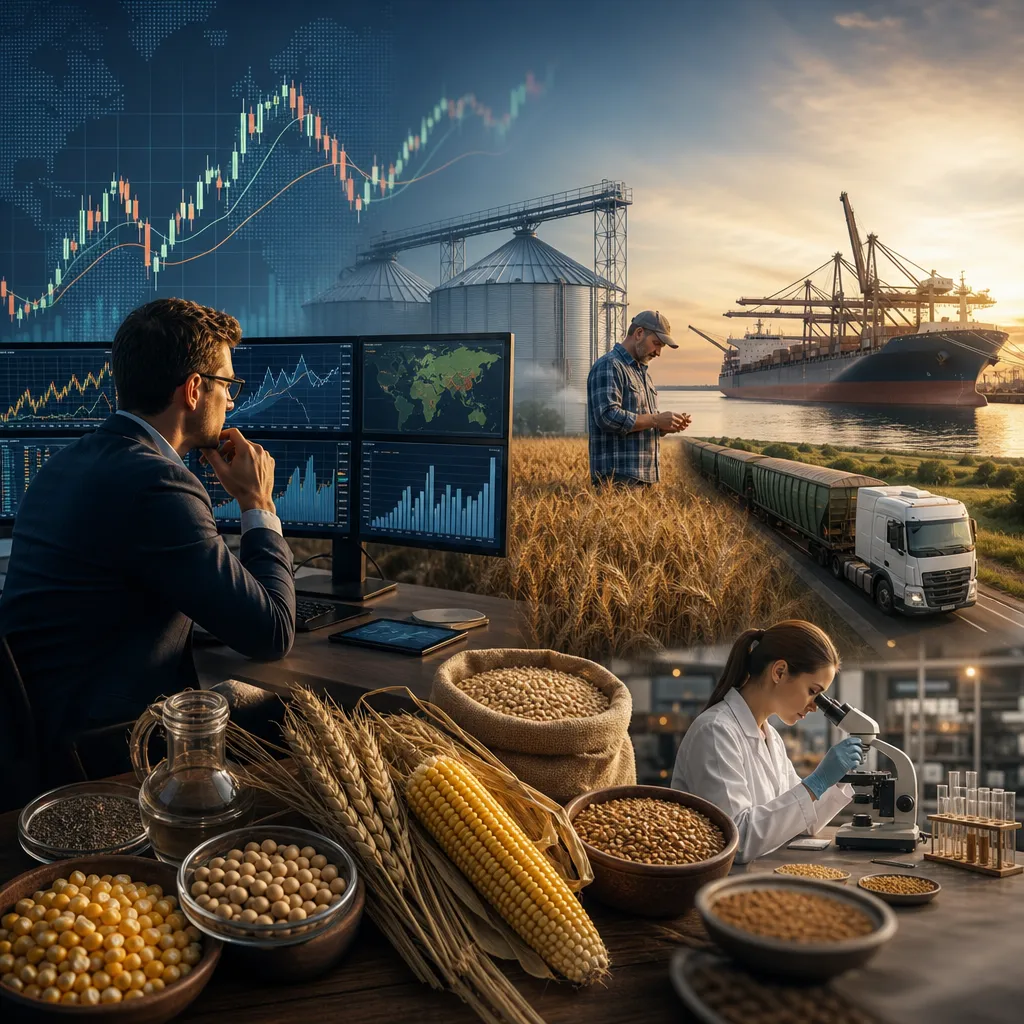


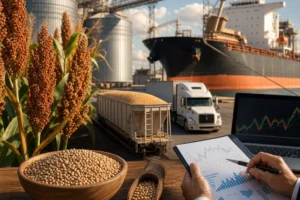
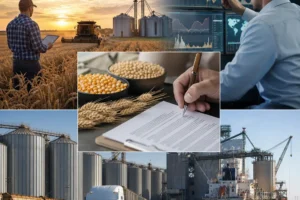
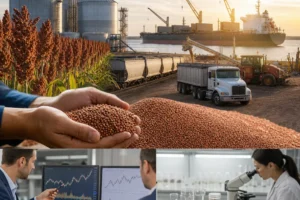

The grain industry stands at the intersection of agriculture, commerce, and global trade. As populations grow and diets shift, the demand for cereals, pulses, and oilseeds continues to climb. Within this landscape, the ability to move, store, and monitor bulk commodities with precision is no longer a luxury but an imperative. By optimizing each link in the distribution network, stakeholders can tap into new export markets, reduce losses, and bolster resilience against external shocks. Emphasizing logistics efficiency thus emerges as a cornerstone for unlocking the full potential of the grain market.
Global Market Dynamics and Demand Patterns
Grain trade is influenced by complex interactions among harvest yields, consumer preferences, geopolitical shifts, and climate variability. Rapid urbanization and rising incomes in developing economies drive higher consumption of wheat, rice, and maize. At the same time, biofuel policies, livestock feed requirements, and processed food industries add further layers of demand. Traders and producers must stay ahead of these trends by leveraging robust market intelligence platforms. Real-time data on price movements and stock levels empowers decision-makers to adapt allocations across regions, maximizing returns. Moreover, an integrated supply chain approach helps align production forecasts with shipment schedules, reducing mismatches that can inflate costs or prompt emergency procurement.
- Tracking import quotas and tariff changes
- Analyzing consumption trends by region
- Forecasting yield variations due to weather
- Coordinating with government agencies on export licenses
Transportation Networks and Infrastructure Challenges
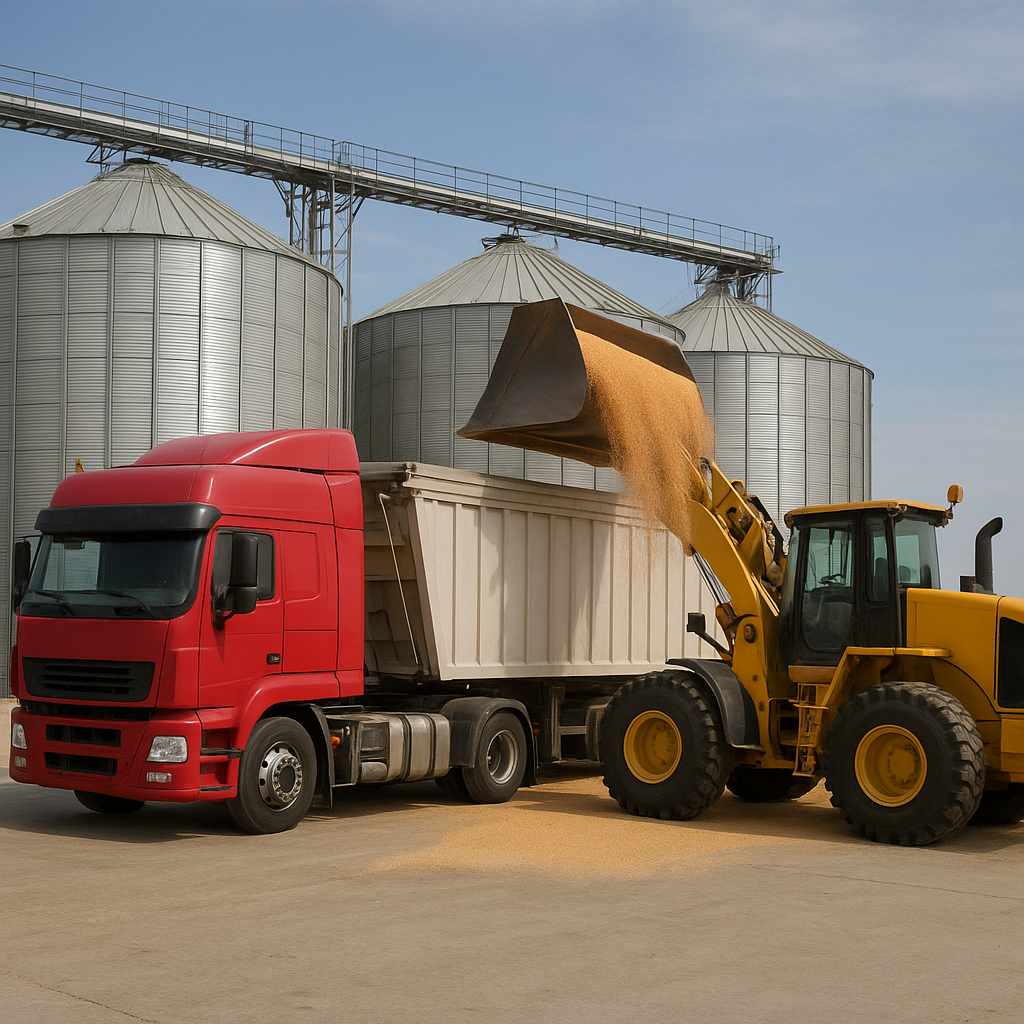
Transporting grain involves multiple modes: trucks, railcars, barges, and container vessels. Each mode entails specific constraints—road congestion, rail scheduling bottlenecks, port berth availability, and shipping lane congestion. Choosing the optimal route hinges on distance, volume, and time sensitivity. Improved yield-to-load ratios in trucking, for instance, can cut per-ton freight charges, while precise rail car sequencing reduces idle time at terminals. Investments in port upgrades and inland terminals not only enhance capacity but also enable faster turnaround, critical in peak harvest seasons. Stakeholders must also navigate regulations governing weight limits, axle spacing, and hazardous cargo handling, ensuring compliance without compromising delivery speed.
Strategies to boost transportation efficiency include:
- Collaborative scheduling platforms linking shippers, carriers, and terminal operators
- Real-time vehicle tracking integrated with route optimization tools
- Public-private partnerships to finance rail and port expansions
- Modular loading systems to streamline intermodal transfers
Storage Solutions and Quality Preservation
Once harvested and in transit, grains remain susceptible to pests, moisture ingress, temperature fluctuations, and mechanical damage. Proper storage plays a pivotal role in maintaining grain integrity for domestic use or export. High-capacity silos equipped with aeration systems, moisture sensors, and controlled ventilation help preserve grain quality over extended periods. Grain elevators with multiple bins enable segregation by grade and origin, facilitating tailored blends for specific markets. At origin and destination, automated sampling and grading stations reduce handling times and ensure buyers receive certified quality. By minimizing deterioration and off-grade downgrades, agribusinesses can safeguard margins and uphold reputation.
Key practices for robust storage management:
- Routine inspections using infrared thermography to detect hotspots
- Automated fumigation systems to curb insect infestations
- Segregated handling lines for specialty grains and non-GMO batches
- Integration of inventory management software with procurement and sales modules
Traceability, Transparency, and Risk Management
Modern grain buyers demand full visibility into the journey from field to fork. Traceability systems, often leveraging blockchain and IoT devices, capture each milestone—planting date, harvest conditions, transfer points, and lab test results. Such transparency not only reassures end consumers about non-contamination and sustainable farming practices but also helps resolve disputes swiftly. In the event of a quality claim, stakeholders can pinpoint affected lots, conduct targeted recalls, and minimize financial exposure. Furthermore, real-time monitoring mitigates risks from theft, tampering, or route deviations. Insurance premiums for cargo in transit can be reduced when carriers demonstrate adherence to verified tracking protocols.
Elements of an effective risk management framework:
- Digital ledgers to log every transaction and movement
- Geo-fencing alerts to flag unauthorized handling
- Predictive analytics for weather disruptions and potential supply shortages
- Contractual clauses for force majeure and demurrage protection
Sustainability and Future Innovations
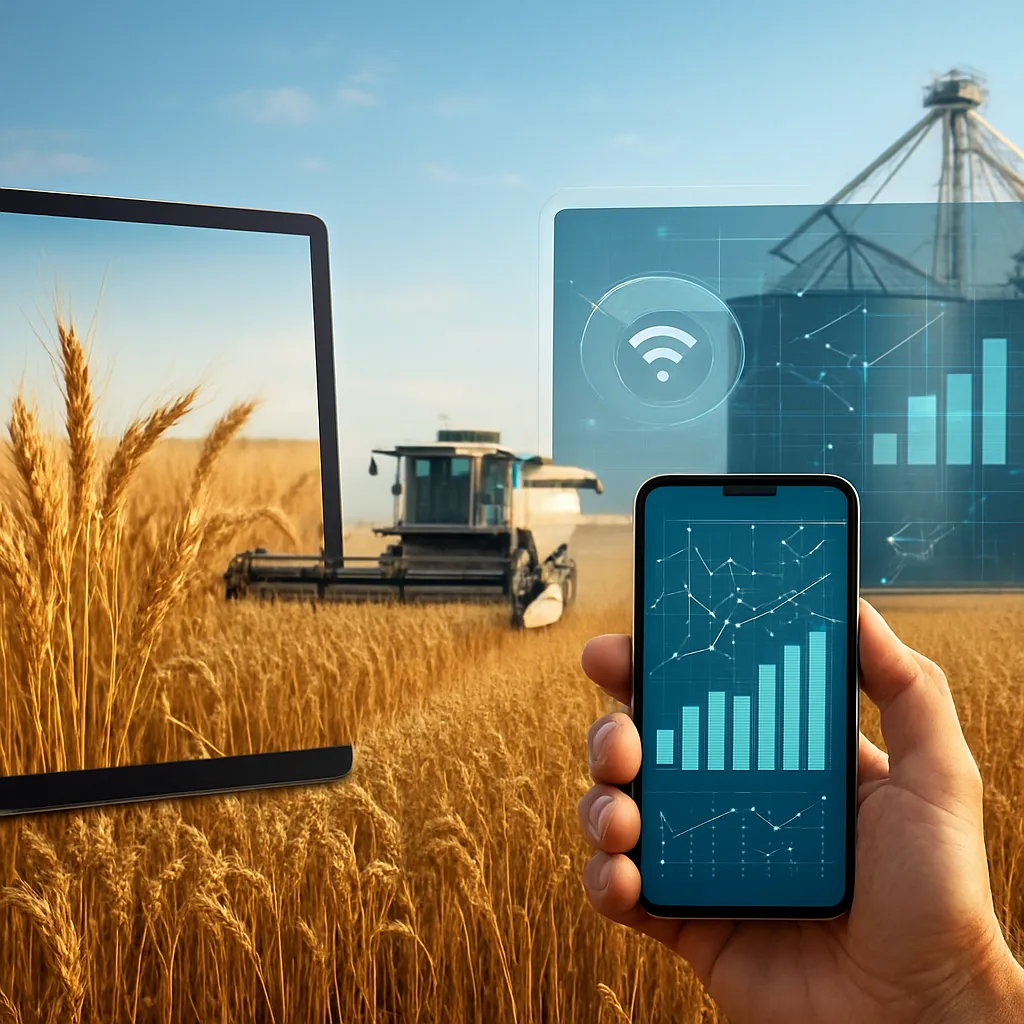
The grain supply chain faces growing pressure to reduce carbon footprints and adopt environmentally responsible processes. Shippers are exploring alternative fuels for fleets, optimizing load factors, and investing in low-emission port machinery. Circular economy ideas are gaining traction: repurposing grain dust for bioenergy and recycling packaging materials. Meanwhile, precision agriculture tools—drones, satellite imaging, and AI-driven analytics—enhance yield predictability and lessen resource waste. By integrating these advancements into logistics planning, stakeholders can achieve a dual benefit of operational excellence and environmental stewardship. Forward-thinking companies are also piloting autonomous vehicles for yard movement, robotic sorting at terminals, and 3D-printed spare parts for machinery maintenance.
As the global grain market continues to evolve, the edge will belong to those who master both the tangible infrastructure and the digital ecosystems that underpin trade. Efficient logistics not only trims costs and bolsters profitability but also fosters resilience in the face of volatility. Embracing innovation, enhancing collaboration, and prioritizing quality assurance will remain critical levers for success in the ever-competitive world of grain commerce.