






Organic grain markets are experiencing a transformative surge, driven by shifting dietary preferences, environmental priorities, and advances in agricultural methods. This article examines how changing consumer patterns, cutting-edge technologies, policy frameworks, and emerging challenges are reshaping the global organic grain landscape. Key themes include rigorous certification, robust traceability, and strategies to bolster supply chain resilience.
Global Demand and Consumer Trends
Growing awareness of food provenance and health benefits is fueling soaring demand for organic grains. Consumers seek products free from synthetic pesticides and genetically modified ingredients, often willing to pay a premium for assurances of quality and ecological stewardship. Market data reveals double-digit growth rates in major regions, from North America and Europe to parts of Asia-Pacific.
Drivers of Expansion
- Health and wellness focus: A desire for nutrient-dense and chemical-free staples.
- Environmental concerns: Consumers prioritizing sustainability and reduced carbon footprints.
- Ethical considerations: Support for fair labor practices and smallholder farmers.
Segmentation and Purchasing Behaviors
- Urban professionals: Emphasis on convenience, branded organic cereals, and snack bars.
- Rural consumers: Integration of organic grains into traditional diets and home cooking.
- Food service and institutional buyers: Bulk procurement for restaurants, schools, and hospitals.
As consumer education deepens, niche categories such as heritage grains, ancient wheats, and sprouted cereals are gaining traction, promoting biodiversity and artisanal appeal.
Technological Innovations and Sustainable Practices
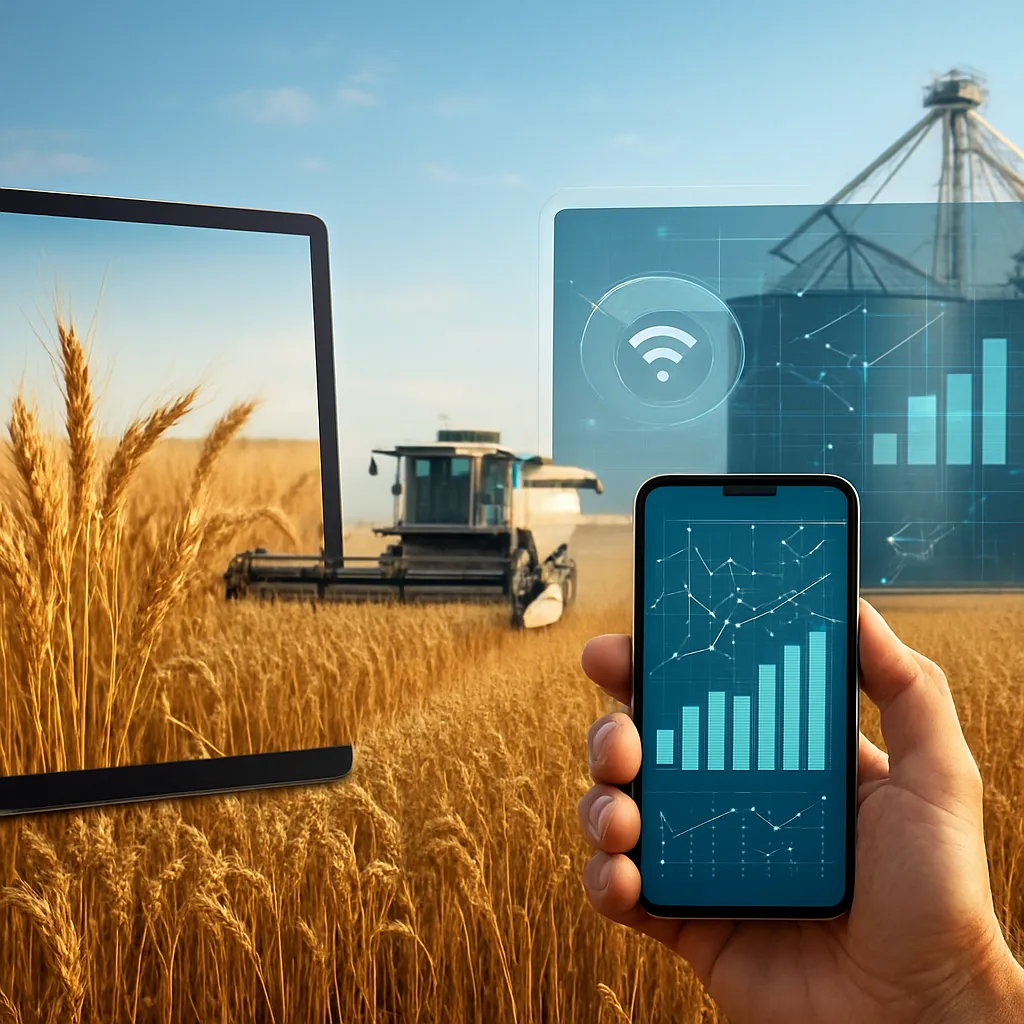
The adoption of advanced agri-solutions is critical to meeting organic yield targets while preserving soil health. Precision farming tools enable optimized resource usage, reducing waste and enhancing output. At the same time, digital platforms and IoT sensors provide real-time monitoring of moisture, nutrient levels, and pest pressures.
Regenerative Agriculture and Soil Management
Regenerative practices, including cover cropping and minimal tillage, foster biodiversity in the field and improve carbon sequestration. These methods enhance ecosystem services, bolster soil structure, and support long-term productivity.
Blockchain and Data-Driven Traceability
Blockchain networks offer immutable records of every transaction, shipment, and quality test. Such transparency underpins consumer trust and facilitates rapid response to any contamination or supply interruption. Pairing blockchain with QR-code labeling helps customers verify origin and handling history.
Biotechnology Alternatives
- Biological pest control using beneficial insects or microbial inoculants.
- Biofertilizers derived from composted organic matter and nitrogen-fixing bacteria.
- Seed enhancements that improve stress tolerance without genetic modification.
Overall, harnessing innovation and precision methods allows organic growers to close the gap on conventional yield levels, ensuring both profitability and ecological balance.
Market Dynamics and Regulatory Frameworks
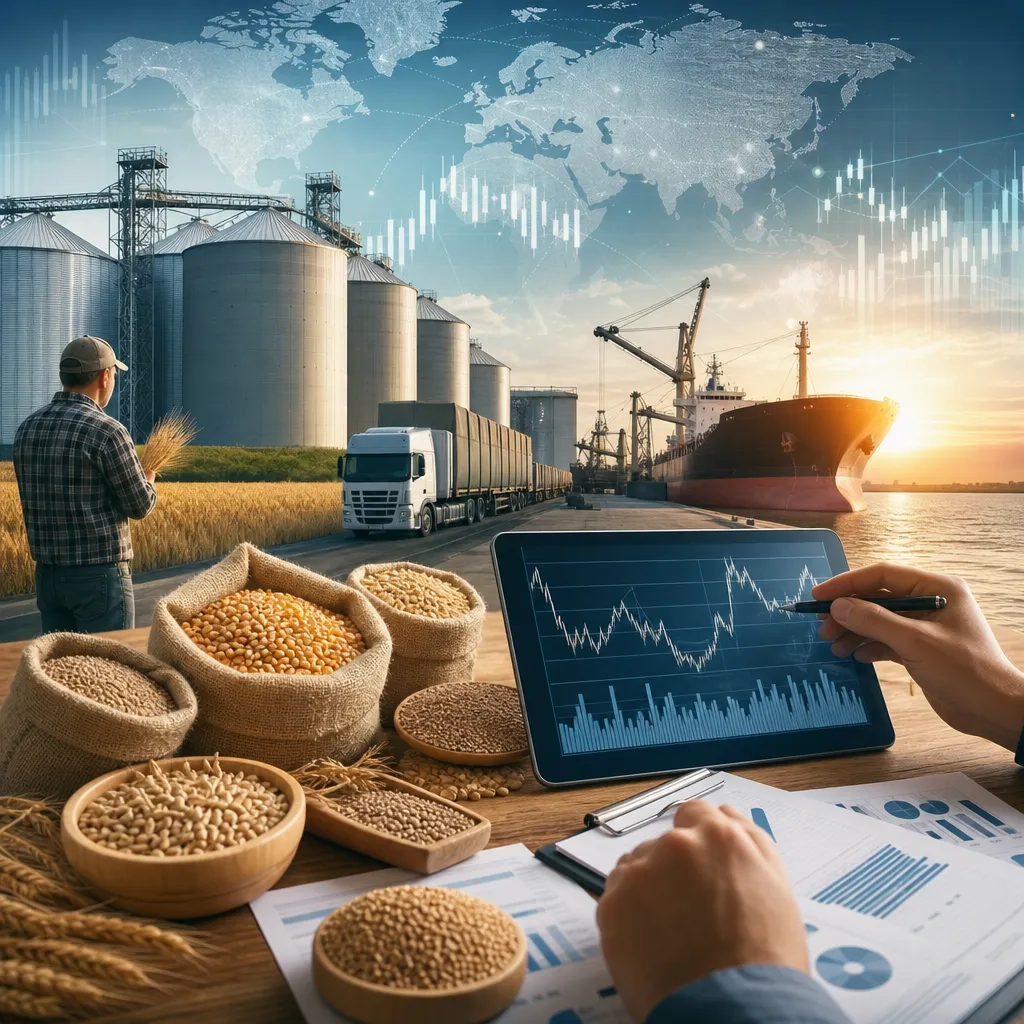
Organic grain transactions traverse complex domestic and international supply chains. Adherence to rigorous standards is non-negotiable, with regulatory bodies enforcing strict guidelines on permissible inputs, harvesting processes, and post-harvest handling.
Key Certification Schemes
- USDA Organic: A globally recognized benchmark with annual audits and spot checks.
- EU Organic Regulation: Harmonized rules across member states, focusing on chemical restrictions.
- JAS (Japan Agricultural Standards): Emphasis on traceability and pesticide residue limits.
Trade Policies and Tariff Implications
Preferential tariff rates for certified organic grains in trade agreements can make export markets more accessible. Collaborative initiatives between exporting and importing nations help align labeling requirements and reduce administrative barriers.
Pricing and Market Access
- Price premiums typically range from 20% to 100% above conventional grain prices.
- Contract farming and forward purchasing protect both growers and buyers against volatility.
- Cooperatives and grower associations improve bargaining power and shared infrastructure.
Efficient logistics, cold chain management, and warehousing solutions are vital to preserving grain integrity and ensuring compliance with stringent organic standards.
Challenges and Future Outlook
While growth prospects remain strong, the organic grain sector faces hurdles including climate extremes, labor shortages, and rising input costs. Farmers must adapt to unpredictable weather patterns and invest in adaptive measures such as drought-resistant cultivars and water-conserving irrigation.
Risk Management and Adaptation
- Crop insurance schemes tailored to organic practices.
- Collaborative research into pest-resistant and heat-tolerant grain varieties.
- Financial incentives for transitioning hectares from conventional to organic production.
Building Market Resilience
Strengthening local processing facilities reduces reliance on distant distribution hubs. Diversifying product lines—such as milling, baking, and snack production—can capture additional value along the chain. Strategic alliances between growers, processors, and retailers foster shared investment in resilience and market stability.
Long-Term Strategies
- Expanding public and private R&D funding for organic agronomy.
- Encouraging multi-stakeholder platforms to harmonize standards and support smallholders.
- Advancing consumer education campaigns that highlight ecosystem services and nutrient profiles.
Ultimately, aligning policy, technology, and market incentives will secure the future of organic grain markets. Stakeholders who embrace collaboration, transparency, and continuous improvement are well-positioned to thrive in a rapidly evolving global food system.