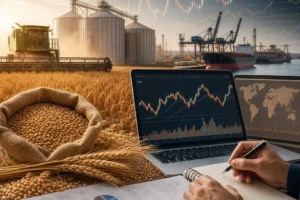
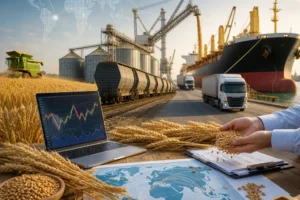
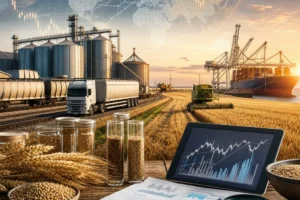
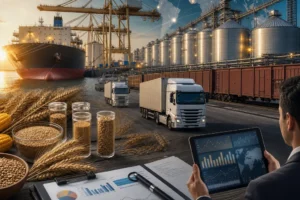
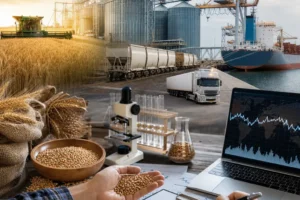
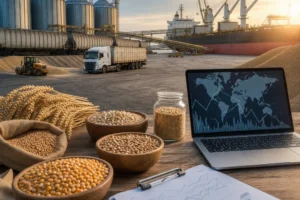
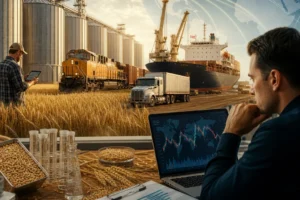
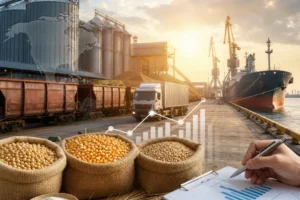
The global grain sector faces an enduring challenge: reducing post-harvest losses that threaten food security and market stability. Innovative technologies are transforming every stage of the grain value chain, offering scalable solutions to minimize spoilage and enhance profitability. By integrating sensors, automation, and data-driven optimization, stakeholders can better monitor environmental conditions, streamline logistics, and ensure quality preservation. This article explores the profound impact of cutting-edge tools across storage, transportation, and processing, highlighting how synergy between traditional practices and modern technology is reshaping the future of the grain industry.
Quantifying Grain Losses and Their Economic Impact
Accurate measurement of grain wastage is the first step toward effective mitigation. Globally, estimates suggest that up to 20% of harvested cereals never reach consumers due to spoilage, pests, and inefficient handling. Beyond the moral imperative to feed a growing population, these losses represent billions of dollars in unrealized revenue and heightened sustainability concerns. Farmers, cooperatives, and traders now leverage digital weighing systems, portable moisture meters, and remote monitoring stations to obtain real-time insights.
Modern handheld devices equipped with near-infrared spectroscopy (NIRS) allow field technicians to assess grain composition within seconds. By detecting moisture content, protein levels, and foreign matter, these tools help determine optimal drying thresholds and storage parameters. Moreover, integration with cloud-based platforms facilitates data aggregation across multiple silos or warehouses, generating actionable analytics on spoilage trends. Armed with precise metrics, supply chain managers can prioritize high-risk lots, adjust inventory rotation, and negotiate better insurance terms.
Economic models now incorporate sensor-derived data to estimate potential losses under varying environmental scenarios. Weather forecasts, humidity fluctuations, and temperature differentials feed into machine-learning algorithms, predicting spoilage probability for each storage bin. This predictive capability helps stakeholders allocate resources proactively, scheduling maintenance or grain movement when conditions threaten quality. In a market where price volatility is common, the ability to anticipate and control wastage becomes a strategic advantage, safeguarding margins and bolstering resilience.
Advanced Storage Technologies Preserving Quality
Traditional grain storage methods often rely on periodic manual inspections and passive ventilation, leaving significant gaps in risk management. Today’s silos and bunkers are evolving into dynamic, sensor-rich environments. Internet of Things (IoT) networks embed temperature and humidity sensors at multiple depths, continuously transmitting readings via wireless gateways. If thresholds exceed safe limits, automated aeration fans or desiccant dehumidifiers engage immediately, restoring optimal conditions with minimal human intervention.
Some large-scale facilities employ fumigation chambers with controlled atmospheres, replacing air with inert gases like nitrogen to suppress insect activity without chemical residues. Combined with RFID-tagged grain bags, every pallet becomes traceable, ensuring that older lots are moved first and quarantined bins are clearly identified. These technologies significantly reduce reliance on periodic chemical treatments and labor-intensive inspections, lowering operational costs and environmental footprint.
Another breakthrough involves blockchain-enabled traceability. Each storage transaction—receiving, sampling, transfer, or dispatch—is recorded on a distributed ledger accessible to authorized parties. Buyers gain confidence in grain provenance and quality history, while regulators can audit compliance with sanitary standards. By eliminating data silos and forging trust among participants, blockchain systems foster more efficient commodity exchanges and reduce disputes that often lead to unnecessary rejections or destructive testing.
Digitizing the Supply Chain: From Harvest to Market
Logistics challenges, including inadequate packaging, rough handling, and unoptimized transport routes, contribute heavily to grain damage. Modern fleets equipped with telemetry devices monitor vibration, tilt, and ambient temperature inside bulk carriers or containerized grain shipments. Drivers receive real-time alerts if conditions threaten quality, enabling rerouting or adjusting trailer ventilation.
Smart Contracts and Automated Settlements
Integration of blockchain-based smart contracts automates payment release upon delivery confirmation and quality verification. Smart scales and moisture probes report final lot conditions, triggering escrow disbursement without manual paperwork. This streamlined approach reduces administrative overhead and builds confidence among international trading partners.
AI-Driven Demand Forecasting
Artificial Intelligence and advanced analytics forecast regional demand patterns by analyzing historical consumption, export flows, and macroeconomic indicators. Grain elevators adjust procurement strategies to align with projected needs, reducing overstocking risks and minimizing short-term storage durations. This dynamic alignment between supply and demand curbs the time grain spends in vulnerable storage phases, directly cutting down wastage.
The Road Ahead: Emerging Innovations and Collaborations
The convergence of AI, robotics, and biotechnology promises unprecedented improvements in grain preservation. Autonomous drones equipped with multispectral cameras can conduct aerial surveys of open-air granaries, detecting hotspots or pest infestations before they escalate. Robotic grain samplers harvest representative kernels without manual effort, feeding them to laboratory-grade analyzers for rapid quality assessment.
Meanwhile, biotechnological advances in seed coatings and natural preservatives are extending shelf life at the cellular level, reducing reliance on chemical fungicides. Pilot programs exploring nanotechnology-based packaging films demonstrate exceptional moisture barriers and antimicrobial properties, offering further protection during long-distance shipments.
Achieving widespread adoption requires robust partnerships among agritech startups, governments, and multilateral institutions. Public-private collaborations can fund pilot installations in developing regions, where grain losses currently exceed global averages. Training programs for local technicians ensure sustainable operation and local capacity building. In parallel, standardized data-sharing protocols will foster interoperability among diverse technology platforms, ensuring that the entire supply chain—from smallholder farmer to global trader—benefits from collective intelligence.
As populations grow and climate variability intensifies, reducing grain wastage is imperative. By embracing a holistic approach that marries traditional expertise with next-generation automation and data science, the agricultural sector can safeguard food security, stabilize markets, and foster sustainable development for future generations.