



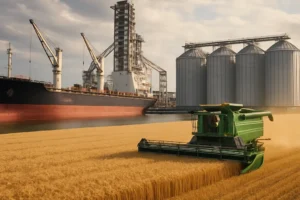

Understanding the significance of grain quality standards is essential for anyone involved in the agricultural supply chain. These benchmarks determine how grain is graded, traded, and utilized across the world. From the farm to the mill, adherence to specific criteria ensures that farmers receive fair prices, processors maintain efficient operations, and consumers enjoy safe, nutritious products. This article delves into key aspects of grain quality standards, exploring definitions, global trade implications, assessment techniques, and future challenges.
Defining Grain Quality Standards
Grain quality standards refer to the set of criteria established by official bodies, industry organizations, and market participants to classify and grade cereal crops such as wheat, maize, barley, and rice. These standards often include parameters like:
- Moisture content
- Foreign material percentage
- Protein and starch levels
- Contaminants (e.g., mycotoxins, pesticide residues)
- Color and test weight
- Presence of damaged kernels
Establishing common benchmarks promotes transparent transactions and reduces disputes between buyers and sellers. Organizations such as the International Grains Council (IGC), the United States Department of Agriculture (USDA), and the European Union define official grades that serve as references for shipping contracts, stock management, and insurance policies.
Impact on Global Trade and Market Dynamics
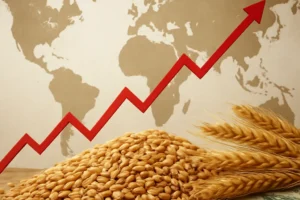
Global grain trade is a multi-billion-dollar industry, and standards play a pivotal role in shaping export volumes and pricing. When quality criteria are clearly defined, producers can tailor their agronomic practices to meet target markets, while importers can estimate processing yields and consumer satisfaction.
Price Differentials and Premiums
Grains that exceed minimum requirements often command premiums over standard lots. For example, high-protein wheat may fetch significantly higher prices in regions with advanced baking industries. Conversely, crops with excessive moisture or visible defects may be discounted or even rejected.
Compliance and Trade Barriers
Countries impose regulations to protect domestic consumers and maintain food safety. Imported grain must comply with local residue limits or fumigation standards. Failure to meet checkpoints at ports can result in detentions, rejection, or re-exportation, leading to financial losses and supply disruptions.
Supply Chain Transparency
Traceability systems enable tracking grain from the field to the final product, ensuring accountability and authenticity. Digital platforms and blockchain solutions are emerging to document every transaction, helping stakeholders validate claims of organic production, sustainability practices, or specific varietal traits.
Assessment Methods and Technologies
Accurate measurement of quality parameters is crucial. Advances in laboratory equipment, on-farm testing tools, and inspection protocols have improved efficiency and reliability.
- Near-Infrared Spectroscopy (NIRS): Non-destructive analysis for protein, moisture, and oil content.
- Gas Chromatography–Mass Spectrometry (GC-MS): Detecting pesticide residues and volatile compounds.
- High-Performance Liquid Chromatography (HPLC): Quantifying mycotoxins such as aflatoxins.
- Image Analysis Systems: Automated sorting and defect detection using cameras and AI algorithms.
- Handheld Moisture Meters: Portable devices for rapid in-field moisture assessment.
Quality control laboratories follow standardized procedures outlined in methods like AACC International and ISO guidelines. Regular cross-validation and proficiency testing ensure that results remain consistent across different facilities and regions.
Challenges and Future Innovations
Despite robust frameworks, the grain sector faces evolving challenges that demand continuous innovation in quality management.
Climate Change and Variability
Changing weather patterns affect crop development, altering protein synthesis and moisture dynamics. Droughts or excessive rainfall can increase the risk of fungal infections, raising the incidence of harmful mycotoxins. Adaptive standards may be required to accommodate new risk profiles without compromising safety.
Adoption of Digital Technologies
Digitization offers the promise of real-time monitoring and remote auditing. Internet of Things (IoT) sensors can track storage conditions in silos, while machine learning models predict quality outcomes based on environmental data. These innovations could revolutionize testing protocols and reduce reliance on time-consuming lab analyses.
Harmonization Versus Regional Specificity
Global alignment of standards simplifies trade but may overlook local consumer preferences and dietary habits. For instance, grain destined for traditional flatbread production might require different criteria than that used for industrial starch extraction. Balancing universal benchmarks with market-specific needs remains a key policy debate.
Food Safety and Consumer Confidence
Ensuring that grain and grain products are free from hazards is fundamental to public health. Initiatives such as the Codex Alimentarius aim to protect consumers by setting maximum residue limits and contamination thresholds. Ongoing research into rapid detection kits and decontamination methods contributes to bolstering safety throughout the supply chain.
Strengthening Collaboration and Capacity Building
Effective implementation of quality standards relies on education, training, and cooperation among stakeholders. Producers require access to best practices in harvesting and post-harvest handling to prevent losses, while extension services must provide updated knowledge on emerging threats. Meanwhile, laboratories and regulatory bodies need well-trained personnel to conduct inspections and certify shipments.
- Workshops and seminars for farmers on pre-cleaning and drying techniques
- Public-private partnerships to upgrade testing facilities in developing regions
- Online courses covering international grading systems and compliance procedures
- Multilateral forums for sharing research on drought-resistant or low-fumonisin hybrids
By fostering a culture of continuous improvement and knowledge sharing, the grain industry can uphold high standards while adapting to new challenges. Ensuring consistent, reliable quality not only secures economic value but also sustains consumer trust in one of the world’s most vital food commodities.