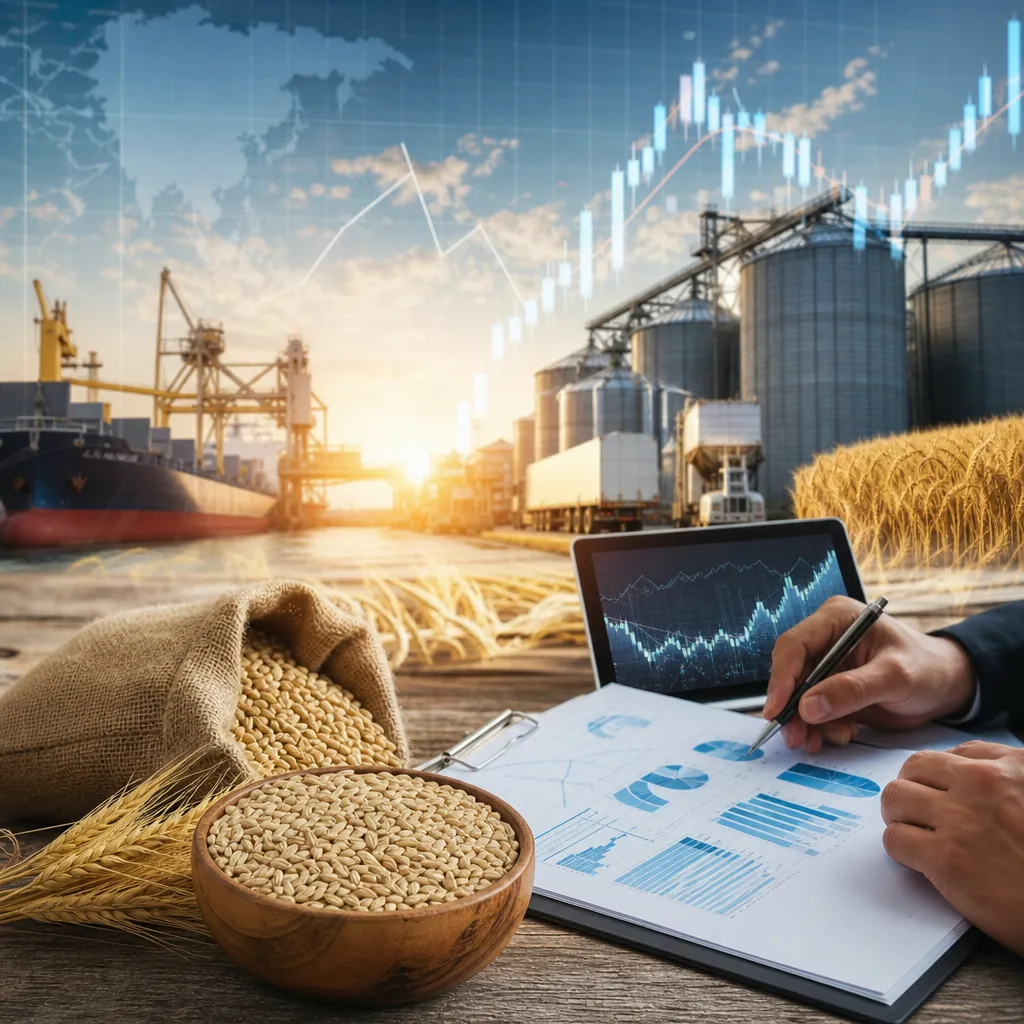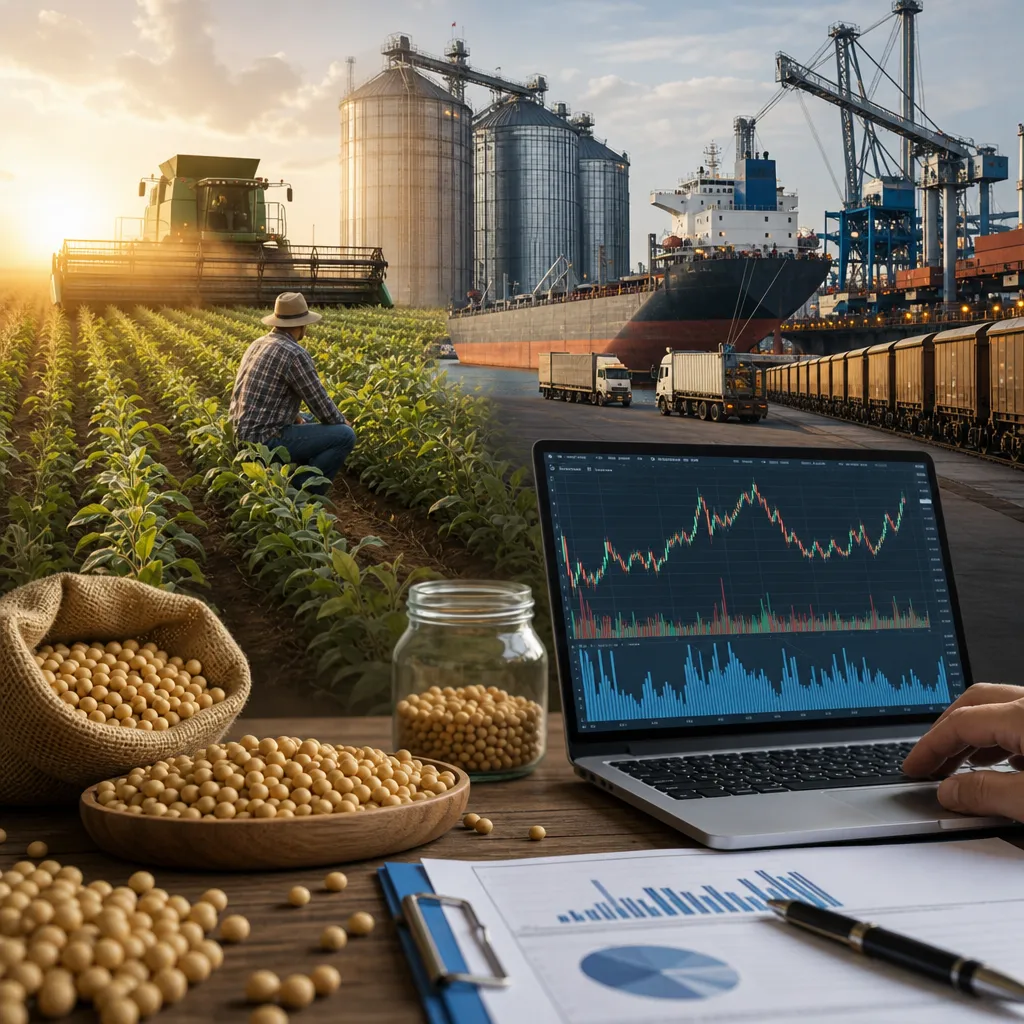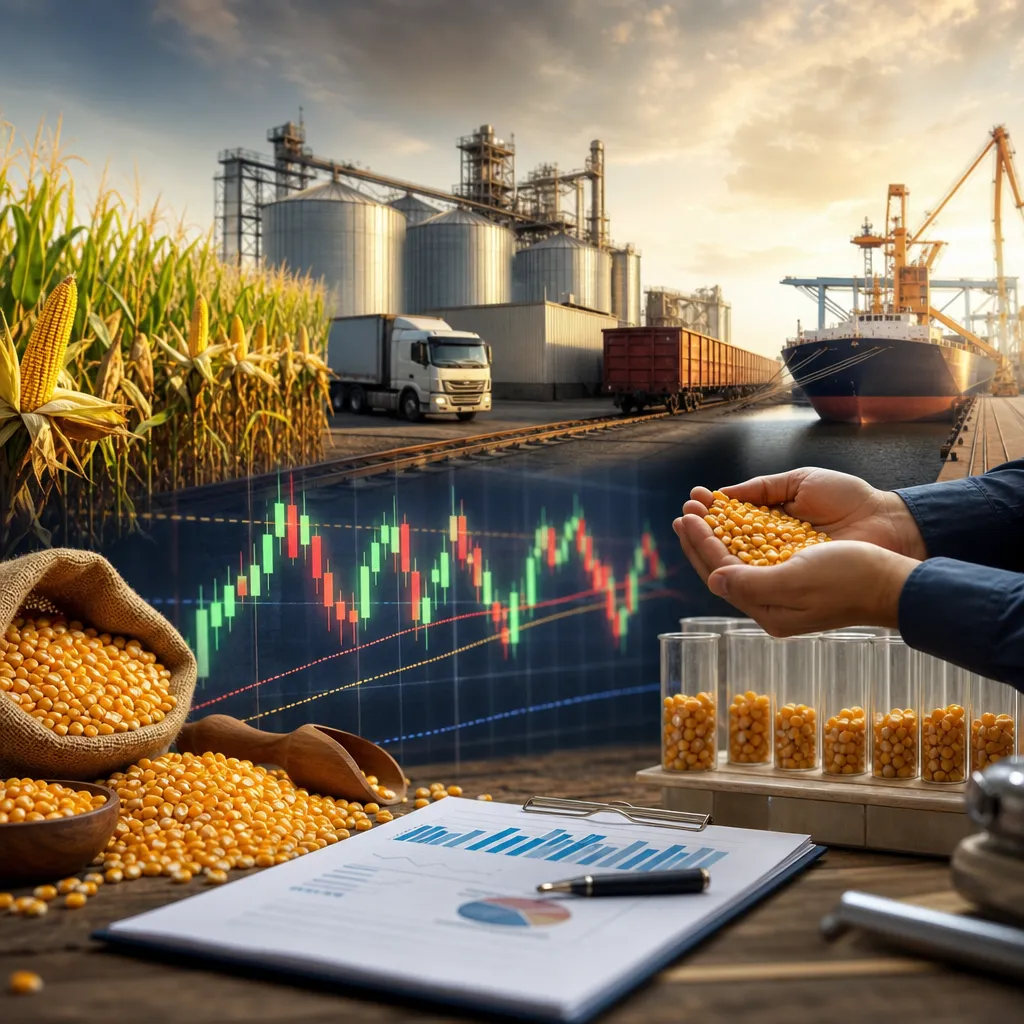




Grain markets operate under a unique interplay of supply, demand, and environmental forces. For traders who navigate these markets, **volatility** can present both opportunities and threats. Among the innovative solutions available, weather derivatives stand out as specialized financial instruments that enable grain traders to hedge against unpredictable climate shifts. This article explores how weather derivatives reshape risk management approaches, safeguard margins, and align with broader hedging strategies in the global grain trade.
Understanding Grain Market Dynamics
Before exploring the specifics of weather derivatives, it is essential to grasp the inherent complexity of the grain market. Factors influencing price movements and trading positions include:
- Crop Yields: Seasonal yields depend on planting densities, fertilization, and disease control.
- Supply Chains: From farm gate to port, transportation bottlenecks and storage capacity affect availability.
- Global Demand: Emerging markets and biofuel mandates influence consumption patterns.
- Currency Fluctuations: Exchange rates alter the competitiveness of exported grain.
- Government Policies: Subsidies, tariffs, and quotas can reshape domestic and international flows.
Market participants must also consider the impact of climate variability. Droughts, floods, unseasonal frosts, and extreme heat waves can devastate harvests and trigger sharp price swings. Traditional risk management tools like futures and options cover price shifts, but they do not directly address weather-specific losses. That gap has given rise to tailored solutions: weather derivatives.
The Role of Weather Derivatives in Risk Management
Unlike standard commodity derivatives, weather derivatives derive their value from measured weather indices rather than underlying commodity prices. Key characteristics include:
- Index-based payoffs tied to weather metrics (e.g., rainfall, temperature).
- No physical delivery obligation, simplifying settlement.
- Customized triggers aligned with the trader’s exposure window.
- Transparent pricing models using historical meteorological data.
How Payoff Conditions Work
A weather derivative contract specifies a premium paid up front by the buyer. The contract then defines a trigger condition. For instance, a maize trader concerned about insufficient rainfall during a critical growth phase might purchase a rainfall put option. If cumulative precipitation falls below a predetermined threshold, the derivative pays out a pre-agreed formula:
- Payment = Notional Amount × (Threshold – Actual Rainfall)
This straightforward index approach eliminates basis risk associated with physical hedges. It provides immediate cash to offset revenue loss, granting traders the liquidity to cover margin calls or secure alternative supplies.
Designing Effective Weather Derivatives for Grain Traders
Selecting the Right Weather Index
The choice of index is paramount. Traders must align contract parameters with the agronomic calendar:
- Growing Degree Days (GDD) for temperature-sensitive crops like wheat.
- Cumulative rainfall metrics for rice, corn, and soybeans.
- Heatwave or frost event triggers for vineyards or sensitive forage crops.
A well-structured contract will reflect:
- Geographical precision: Use weather station data nearest to the core growing regions.
- Temporal alignment: Match the contract period to the crop’s critical growth stages.
- Contract size: Calibrate notional amounts to the trader’s exposure and balance sheet capacity.
Pricing and Calibration
Pricing weather derivatives involves statistical modeling and historical data analysis:
- Monte Carlo simulations to forecast weather index distributions.
- Regression techniques to correlate weather anomalies with grain yield impacts.
- Seasonal adjustment to account for long-term climate trends.
Risk managers collaborate with specialized brokers and meteorological data providers to calibrate fair premiums. Too low, and the seller assumes excessive risk; too high, and traders may decline participation. The goal is a balanced pricing structure that incentivizes both counterparties.
Integrating Weather Derivatives into a Comprehensive Hedging Program
Weather derivatives serve best when combined with traditional commodity hedges. A diversified risk management framework might include:
- Futures contracts to lock in baseline commodity prices.
- Options to preserve upside participation if favorable market moves occur.
- Weather derivatives to mitigate adverse weather impacts on yield or logistics.
For example, a trader holding long corn futures can overlay a rainfall call option to protect against excessive moisture that could delay harvest and inflate carrying costs. Similarly, a processor concerned about heat stress during grain drying may purchase a temperature call option to offset higher energy expenses.
Benefits and Limitations
Weather derivatives provide notable advantages:
- Direct correlation to weather risk without basis mismatches.
- Faster settlement and reduced counterparty complexity.
- Flexibility to design tailor-made contracts.
However, they also carry limitations:
- Index risk if local weather conditions deviate from reference stations.
- Data quality concerns in regions with sparse meteorological coverage.
- Potential model risk if historical patterns fail under climate change.
Mitigating these drawbacks requires rigorous data vetting, ongoing contract recalibration, and collaboration with experienced risk advisors.
Ensuring Regulatory Compliance and Market Best Practices
Weather derivatives fall under specialized regulatory frameworks. Grain traders should ensure compliance with:
- Commodity Futures Trading Commission (CFTC) guidelines in the United States.
- European Securities and Markets Authority (ESMA) rules for over-the-counter derivatives.
- Local exchange requirements when listing weather contracts on regulated platforms.
Best practices include transparent valuation disclosures, margin management protocols, and regular stress testing of hedging portfolios against extreme weather scenarios.
Conclusion
By integrating weather derivatives into their risk management arsenal, grain traders gain a powerful cushion against climate-driven uncertainties. These tailor-made instruments complement conventional hedges, enhance liquidity in adverse conditions, and strengthen the resilience of trading strategies. As climate patterns evolve, savvy market participants will continue refining these tools to navigate the complex intersection of agricultural markets and environmental risk.