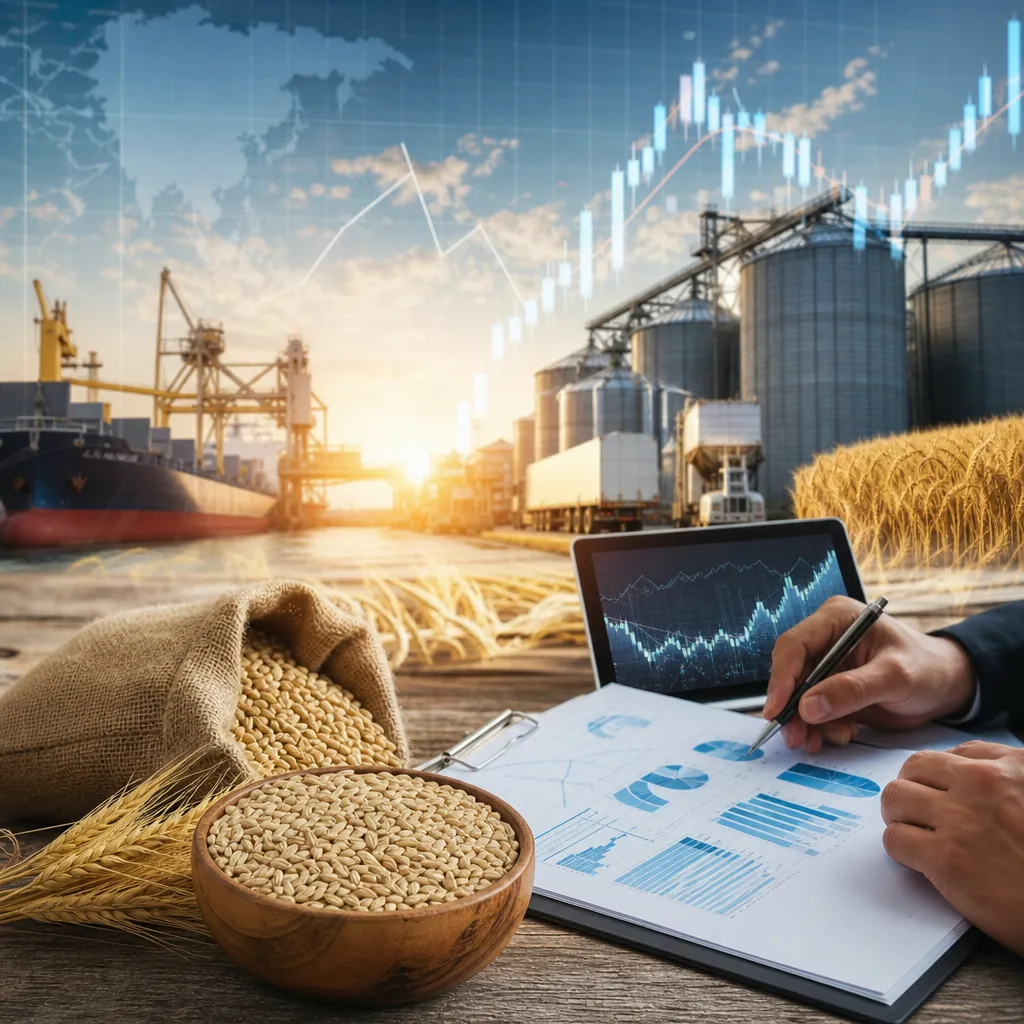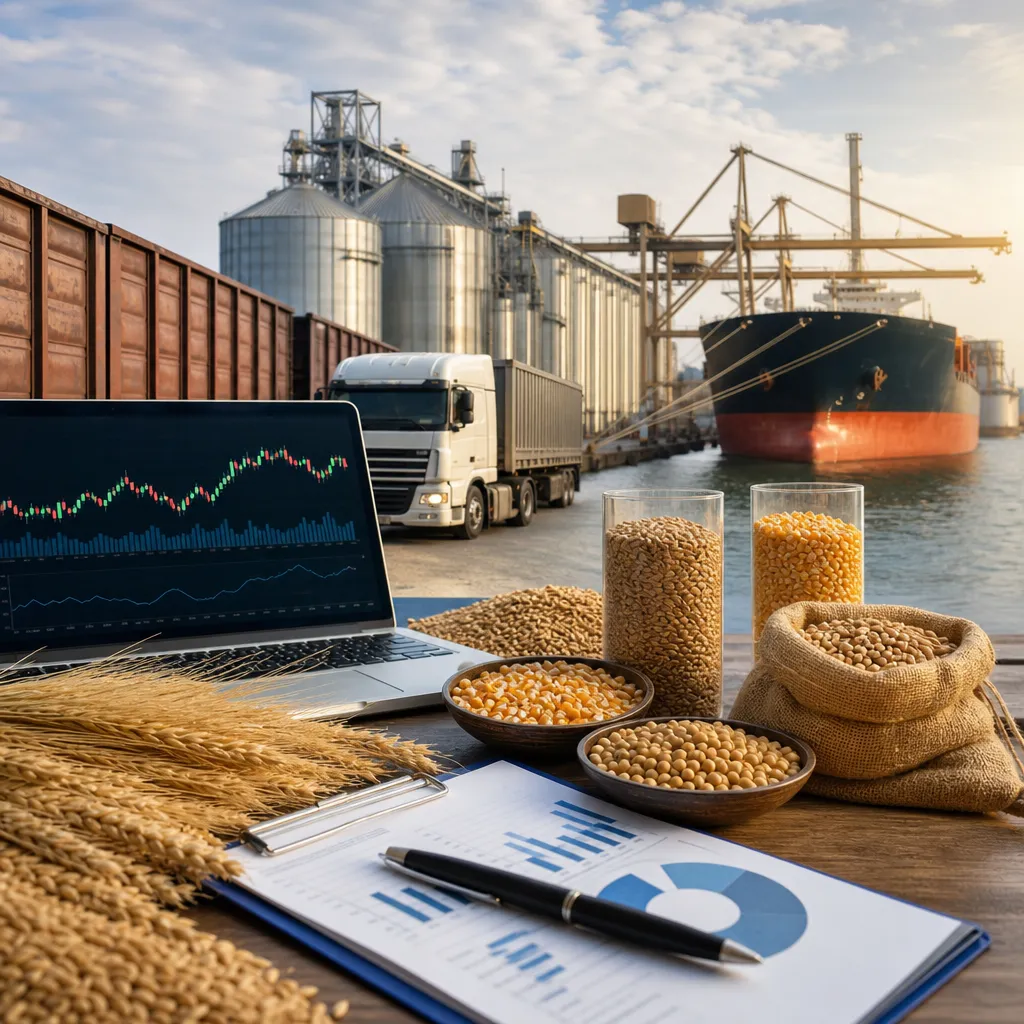








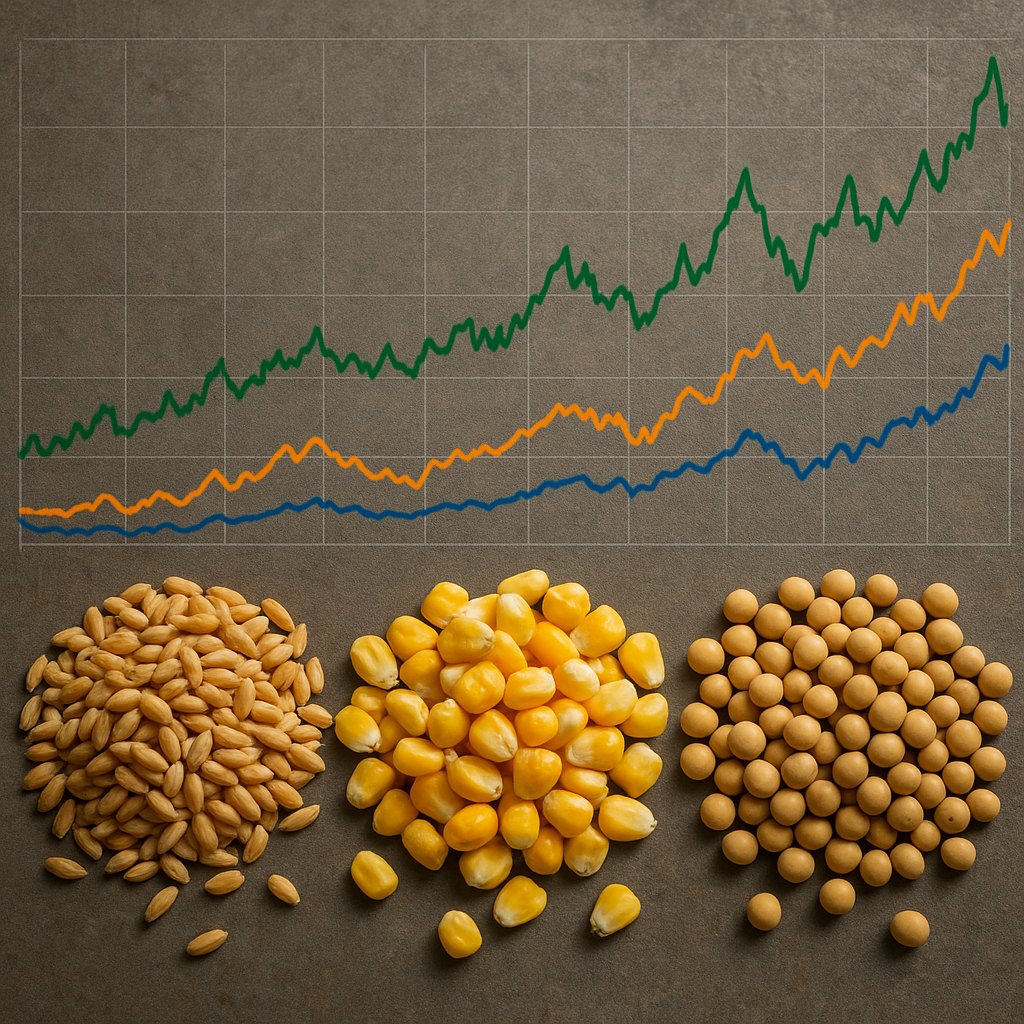
Grain markets stand at the intersection of agricultural production and global trade dynamics, where prices of wheat, corn, and soybeans often move in tandem. Understanding these interdependencies is crucial for farmers, traders, and policymakers aiming to navigate the complexities of supply shocks, demand shifts, and financial flows. This article delves into the underlying forces shaping grain price correlations and offers insights into risk management in an increasingly interconnected marketplace.
Price Dynamics in Global Grain Markets
The world’s three major grains—wheat, corn, and soybeans—exhibit notable patterns of co-movement driven by common factors such as weather events, currency fluctuations, and energy costs. Periods of drought in key growing regions can trigger sharp spikes in volatility, while ample harvests may depress prices across all three crops simultaneously. Seasonal cycles amplify these effects: planting and harvest windows determine supply flow, influencing spot and futures markets alike.
Energy markets also play a pivotal role. Corn and soybeans are primary feedstocks for biofuels, tying grain prices to oil and ethanol futures. When crude oil prices rise, the incentive to divert corn to ethanol increases, tightening feedstock supplies and elevating corn prices. This dynamic often spills over into wheat markets, as livestock producers switch between feed grains to optimize costs.
Currency movements affect export competitiveness. A weakening US dollar makes American grains cheaper on world markets, boosting demand for wheat, corn, and soybeans. Conversely, dollar strength can hamper export volumes, pressuring prices downward. Traders monitor the US dollar index and interest rate trajectories to anticipate shifts in cross-border demand and pricing power.
Analytical Methods for Correlation and Covariance
Quantifying the relationship among grain prices requires robust statistical tools. Rolling-window correlation analysis reveals how linkages evolve over time, highlighting periods of divergence when one grain responds uniquely to localized events. Multivariate GARCH models capture time-varying covariance, assisting risk managers in forecasting joint price movements and stress-testing portfolios under adverse scenarios.
- Pearson correlation coefficients measure linear co-movement but may overlook tail dependencies during extreme market events.
- Copula functions capture nonlinear relationships, essential when price distributions exhibit skewness or kurtosis.
- Principal component analysis reduces dimensionality, isolating common factors driving price changes across multiple grains.
Advanced machine learning techniques, such as random forests and neural networks, are increasingly applied to forecast price co-movements by incorporating a wide range of explanatory variables—weather forecasts, macroeconomic indicators, shipping rates, and geopolitical risk metrics. These models enhance predictive accuracy but require extensive data calibration and continuous monitoring to adapt to regime shifts.
Supply Chain Complexities and Policy Interventions
The global grain supply chain encompasses production, storage, transportation, and distribution, each segment susceptible to disruptions. Port congestion, labor strikes, and infrastructure bottlenecks can decouple price movements temporarily, creating arbitrage opportunities. However, prolonged delays often feed through to higher on-farm prices as local demand outpaces available shipments.
Policy measures, such as export quotas, tariffs, and subsidy programs, further influence price linkages. For instance, an export ban on wheat by a major supplier can lift global wheat prices, indirectly boosting corn and soybean values as feed and milling industries adjust their raw material sourcing. In contrast, decoupled farm support schemes may insulate domestic producers from global price swings, reducing correlation with international benchmarks.
Regulatory changes in biofuel mandates impact the corn-soy spread. When governments increase blending targets for ethanol or biodiesel, demand for corn and soybean oil surges, tightening overall grain balances. Such policies often aim at enhancing food security and reducing carbon emissions, but they introduce additional layers of complexity into price forecasting and correlation analysis.
Strategic Approaches to Risk Management
Effective risk management relies on diversified tools and strategies to mitigate exposure to adverse price movements. Grain market participants employ a combination of physical and financial instruments:
- Hedging with futures and options contracts locks in selling or purchasing prices, protecting against unfavorable swings in wheat, corn, and soybean values.
- Cross-commodity spreads allow traders to offset risks between grains, capitalizing on changes in relative prices rather than absolute levels.
- Forward contracts with supply chain partners guarantee delivery and price terms, reducing uncertainty for producers and processors alike.
- Insurance products against yield losses or revenue shortfalls provide an additional safety net, particularly in regions prone to extreme weather events.
- Diversification across geographic markets and crop types helps balance exposure, taking advantage of varying seasonal calendars and regional demand drivers.
Integrating real-time market intelligence—satellite imagery, crop health indices, shipping manifests—enhances decision-making by delivering early warnings on supply disruptions. Risk managers establish trigger points for rolling or adjusting hedges when correlation breakdowns occur or when volatility regimes shift significantly.
Future Outlook and Market Integration
As global trade networks become more intertwined, grain price correlations are likely to strengthen, though localized factors will continue to introduce episodic decoupling. Technological advancements, such as blockchain-based traceability and automated trading algorithms, promise greater transparency and liquidity, further smoothing price differentials. However, climate change remains an unpredictable wildcard, with extreme weather events capable of disrupting established correlation patterns.
Market participants must stay vigilant, updating models to reflect new drivers and reassessing correlation metrics regularly. In an era of rapid information flow, the ability to interpret data, anticipate policy shifts, and respond swiftly to emerging trends will define success in the grain trading arena. Stakeholders who master the interplay between wheat, corn, and soybean markets will secure a competitive edge, turning complex interdependencies into strategic opportunities.