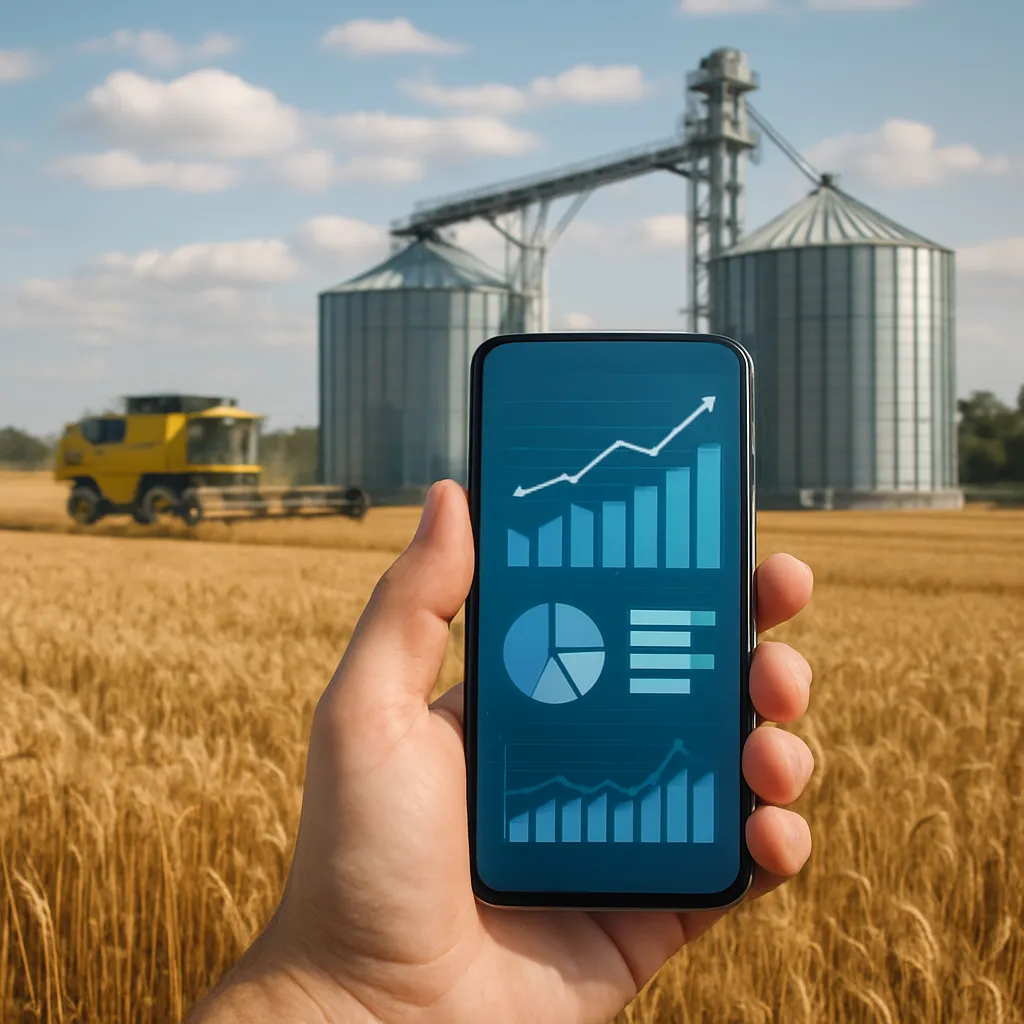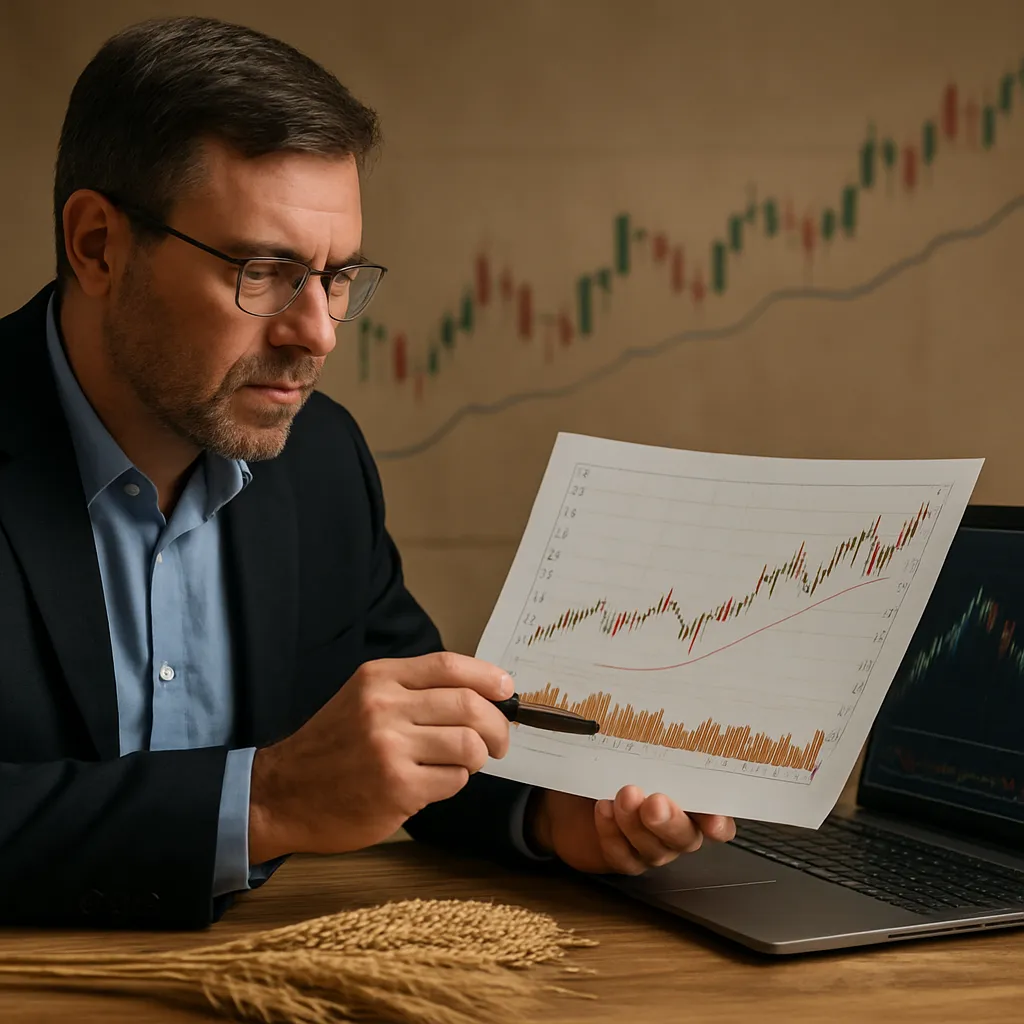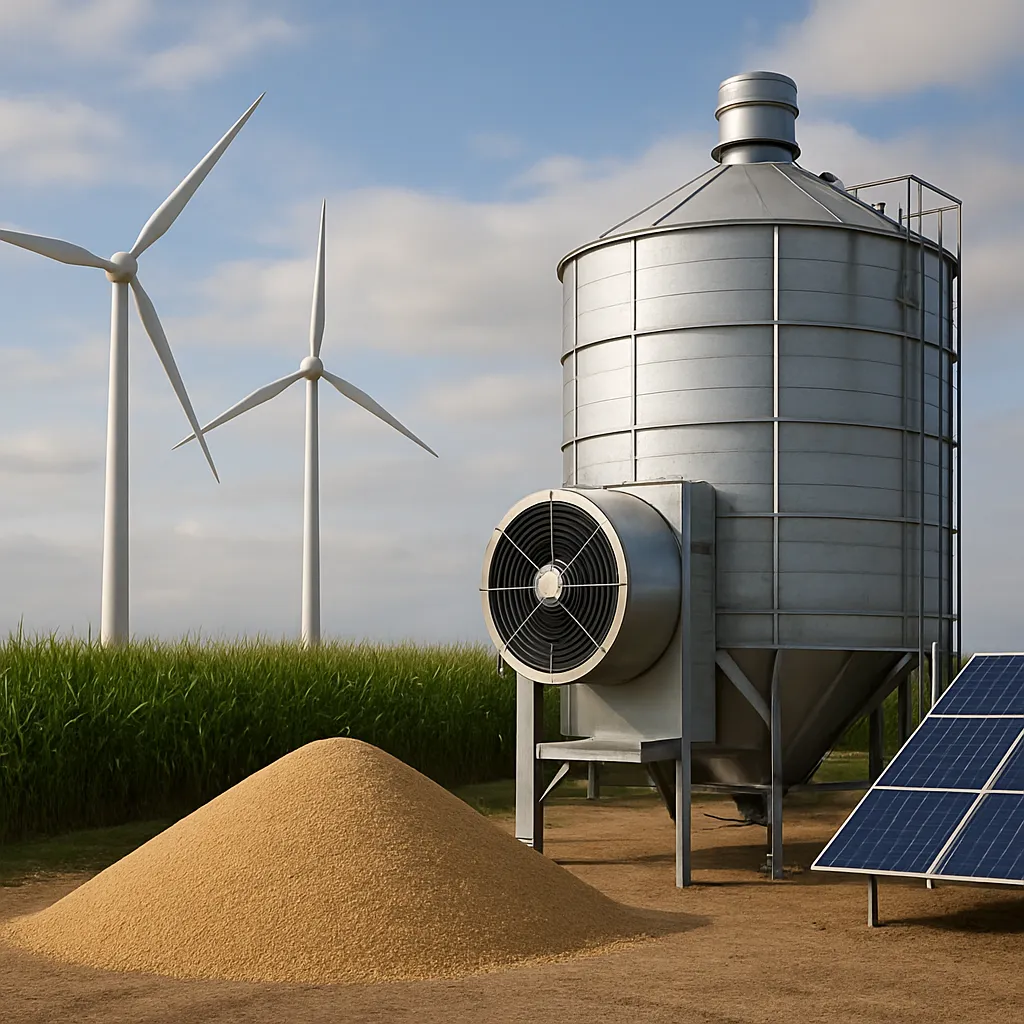
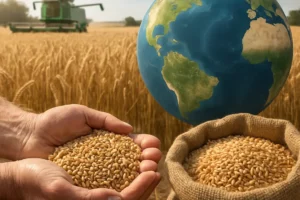

The grain market operates at the intersection of agriculture, economics, and meteorology, where accurate weather forecasting can mean the difference between profit and loss. Traders, analysts, and producers rely on meteorological data to guide planting schedules, optimize harvests, and anticipate fluctuations in global supply and demand. Understanding how atmospheric conditions influence crop development is essential for making informed decisions that protect investments and enhance sustainability.
Weather Patterns and Grain Yields
Variations in temperature, precipitation, and atmospheric pressure directly affect the physiological processes of cereal crops such as wheat, corn, and barley. Consistent monitoring of seasonal climate trends helps agronomists predict the potential yield outcomes months before harvest. Early signs of drought stress can prompt farmers to adjust irrigation schedules, while forecasts of excessive rainfall may trigger preventive measures against root diseases and lodging.
- Temperature Extremes: Heatwaves during flowering stages can reduce kernel formation, whereas unexpected frosts may damage young seedlings.
- Precipitation Patterns: Both water scarcity and waterlogging undermine grain quality; distribution of rainfall is as critical as its total volume.
- Wind Events: High winds can cause physical damage to stalks, leading to lodging, which complicates mechanical harvesting.
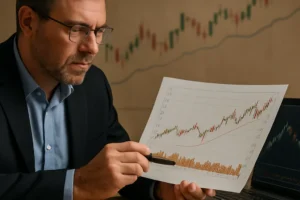
By correlating historical weather data with agronomic records, traders build predictive models that quantify the likely volume and quality of upcoming harvests. These models serve as the foundation for forecasting global grain stocks and evaluating export capacities, thus influencing futures pricing on commodity exchanges.
Weather Forecasting Tools and Techniques
Advances in meteorological science have equipped the grain industry with an array of analytical instruments. From satellite imagery to ground-based sensors, each tool contributes to a composite view of atmospheric behavior.
Satellite Observations
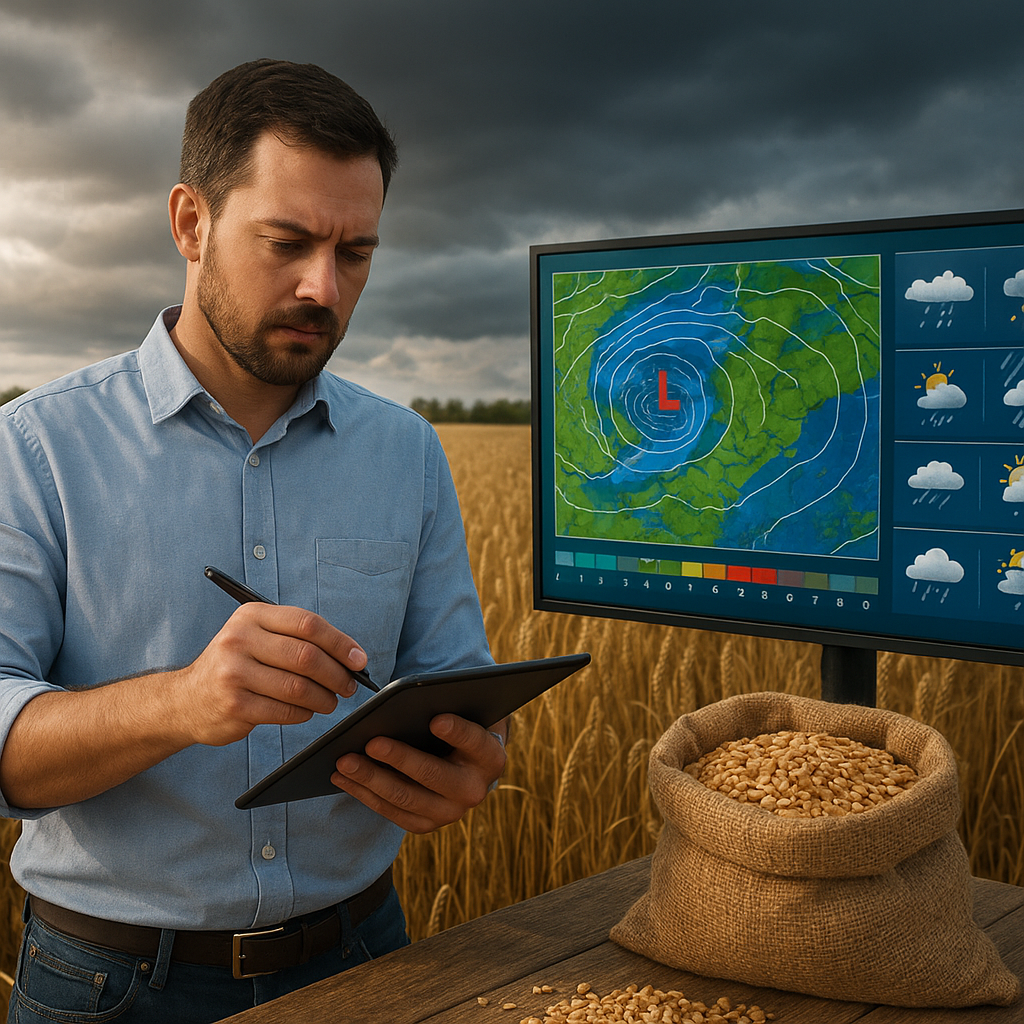
Geostationary and polar-orbiting satellites offer continuous monitoring of cloud cover, soil moisture, and vegetation health. High-resolution imagery enables early detection of drought zones and flood risks across major grain-producing regions.
Radar and Remote Sensors
Radar systems track precipitation intensity and movement in real time. Soil probes and surface stations measure temperature gradients and humidity levels at multiple depths, providing insights into crop stress thresholds.
Algorithmic Models
Complex numerical weather prediction (NWP) algorithms process terabytes of historical and observational data to simulate future scenarios. Machine learning enhancements refine these models by identifying patterns that traditional methods might overlook. The integration of algorithmic models into trading platforms offers dynamic updates that adjust risk assessments on the fly.
Impact on Market Dynamics and Risk Management
Global grain prices react swiftly to new meteorological information. A forecast of a late-season frost in a key producing area can trigger immediate price volatility, while reports of ideal growing conditions may stabilize markets. Traders use these signals to initiate or liquidate positions in futures contracts, options, and swaps.
- Hedging Strategies: Producers lock in favorable prices by selling futures ahead of harvest, shielding themselves from adverse weather-driven price drops.
- Speculation: Traders anticipate supply shocks by analyzing forecast anomalies, taking leveraged positions to capitalize on expected shortages or surpluses.
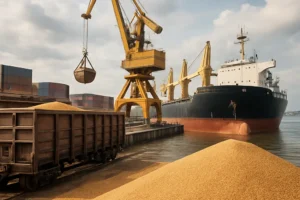
- Supply Chain Planning: Logistics companies schedule shipping and storage based on predicted harvest volumes, ensuring that port congestion and storage capacity align with anticipated grain flows.
Sound risk management hinges on the reliability of forecast data. Uncertainties in model outputs require the establishment of tolerance thresholds and contingency plans. Insurance firms also rely on trusted forecasts to underwrite crop policies, setting premiums that reflect the probability of extreme events.
Strategic Decision-Making Based on Forecast Data
Integrating weather intelligence into corporate strategies elevates operational efficiency and competitive edge. Grain traders who leverage real-time meteorological updates can adjust procurement timelines, storage allocations, and distribution routes in response to shifting conditions.
For instance, anticipating a dry spell may encourage accelerated purchases of feed grains, while signs of abundant rainfall could prompt the deferral of storage contracts until market prices soften. At the policy level, governments monitor weather-driven harvest projections to determine export quotas and implement buffer stock releases that maintain market stability.
- Investment in agile analytics platforms fosters swift interpretation of forecast revisions.
- Collaboration between climatologists, agronomists, and financial analysts enhances cross-disciplinary insights.
- Scenario planning exercises model the impact of extreme weather events, guiding capital allocation and infrastructure development.
Ultimately, the integration of precise weather forecasting into grain trading operations underpins resilient supply chains and promotes long-term sustainability in the face of climatic uncertainty. By harnessing cutting-edge tools and adopting proactive strategies, stakeholders can navigate the inherent variability of agricultural markets with greater confidence.