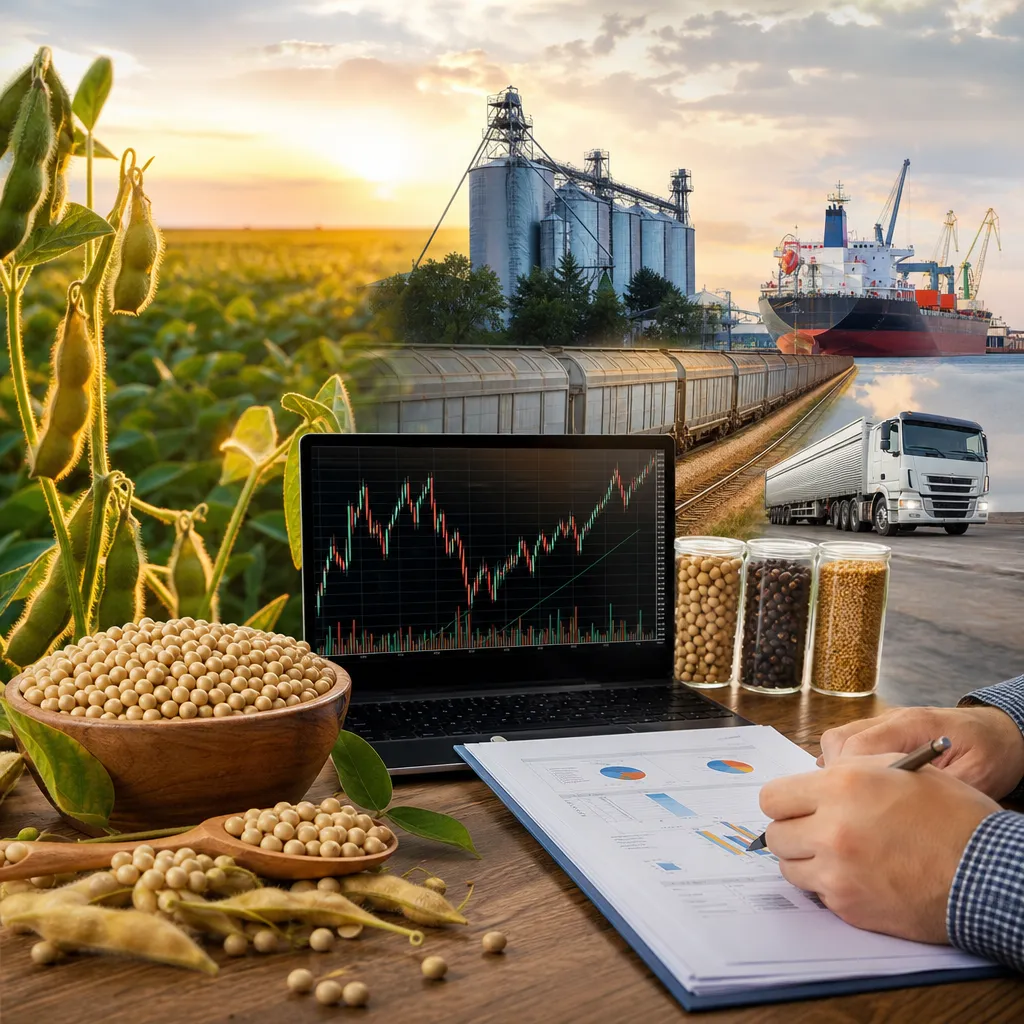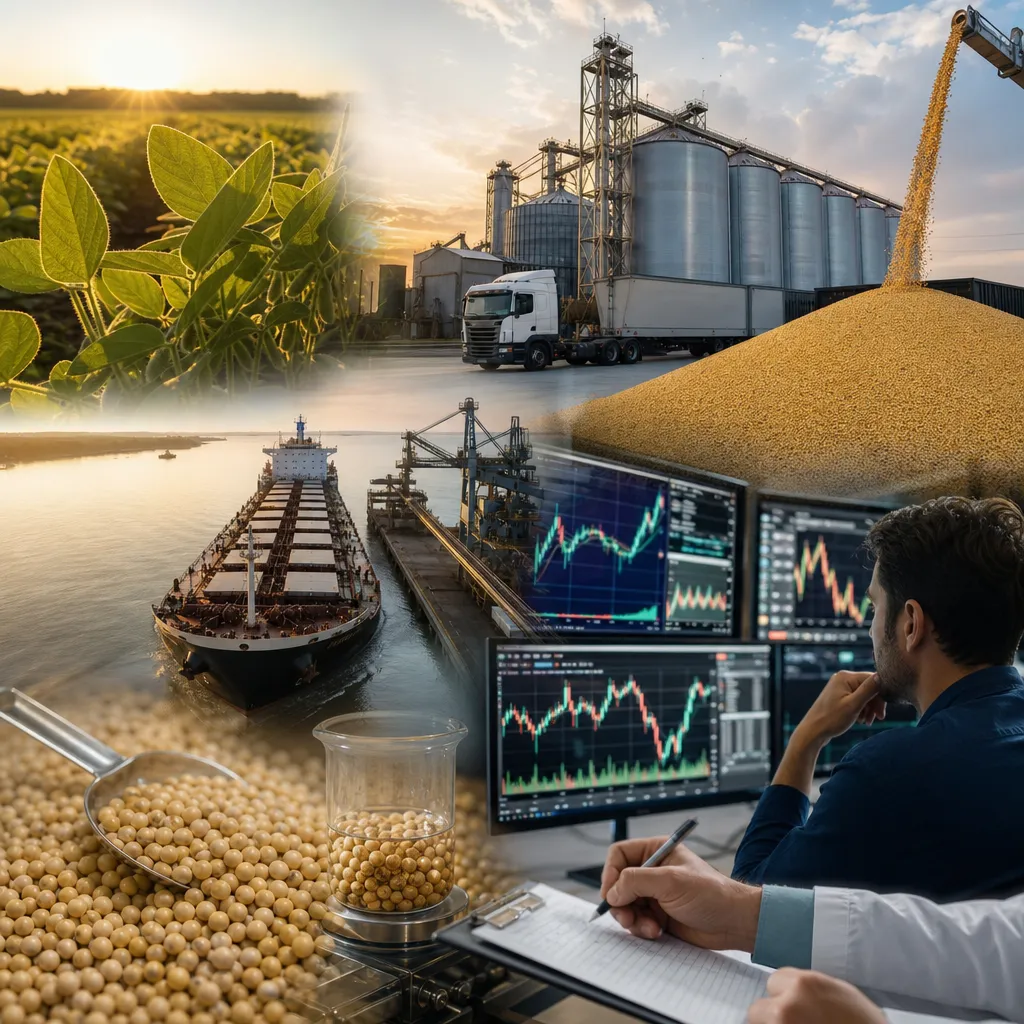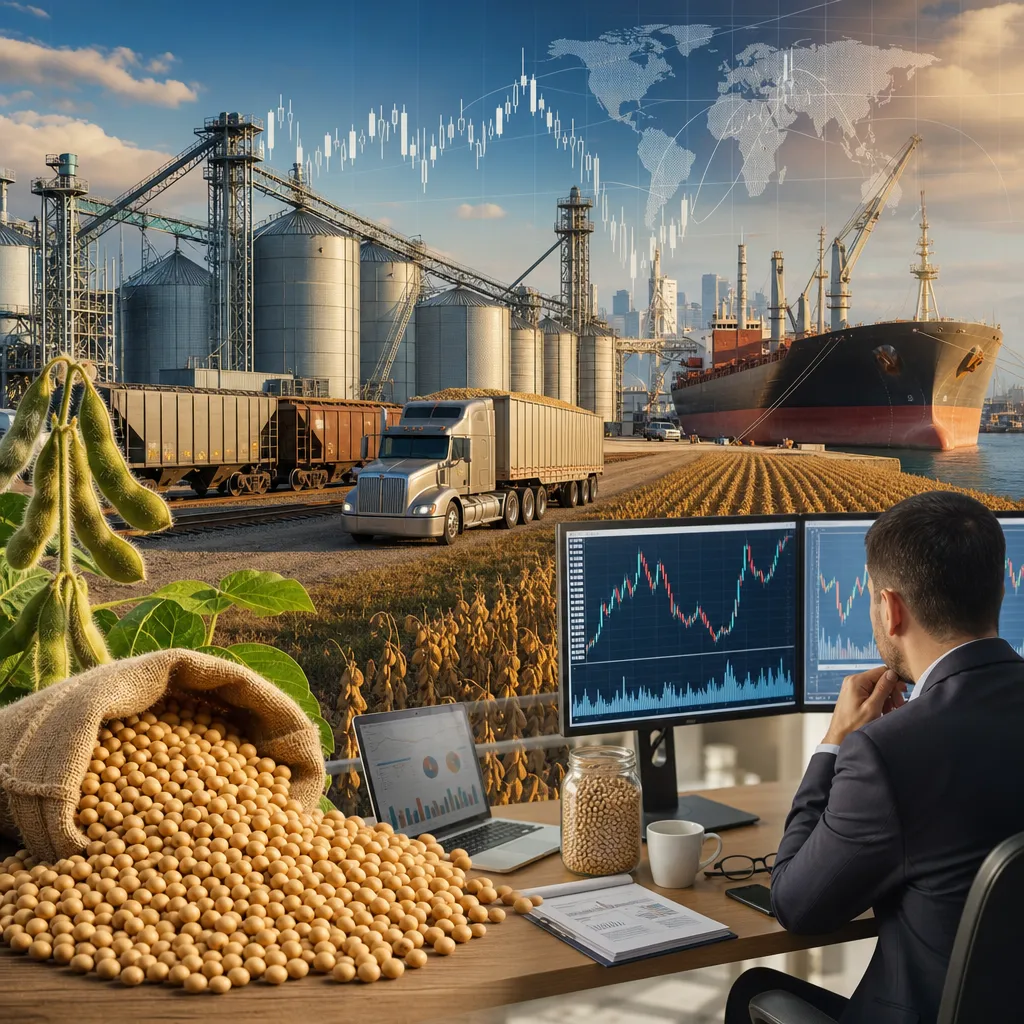
Grain options are exchange-traded contracts that give the buyer the right, but not the obligation, to buy or sell a grain futures contract at a fixed price before expiration. They are mainly used to manage price risk in crops such as corn, wheat, soybeans, oats, canola, and related products, although the exact contracts available depend on the exchange. In practice, grain options are accessed through a regulated futures broker and settled against futures, not by directly loading trucks with physical grain. For farmers, elevators, feed mills, processors, exporters, and traders, options are a flexible hedging tool because they can protect against adverse price moves while keeping some upside open.
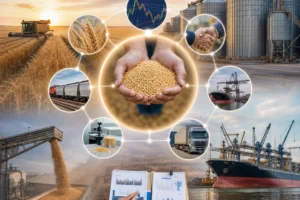
To understand how grain options work, it helps to separate three markets: the exchange-traded options market, the underlying futures market, and the local physical cash market. The option is linked to a futures contract listed on an exchange such as CME Group. The futures price is a benchmark, while the actual cash price a farmer receives or a buyer pays is usually a local bid adjusted by basis, quality, freight, and delivery terms. That distinction matters because an option may hedge futures risk well, but it does not eliminate local basis risk.
What a grain option actually is
A grain option is a contract on a grain futures contract. The two main types are call options and put options.
- Call option: gives the buyer the right to buy a futures contract at a stated strike price.
- Put option: gives the buyer the right to sell a futures contract at a stated strike price.
The buyer pays a premium upfront. That premium is the most the buyer can lose if the option expires worthless. The seller, often called the writer, receives the premium but takes on potentially large risk, especially if the option is not covered by another hedge.
Most grain options are based on standardized exchange contracts. The exchange defines the contract month, tick size, trading rules, expiration, and clearing process. Buyers and sellers do not negotiate those terms individually the way they might in an over-the-counter contract.
How grain options work in practice
Suppose a corn producer expects to harvest in the fall and wants downside protection without fully locking in a sale price. The producer may buy a put option on a relevant corn futures month. If futures prices fall, the put option may gain value, helping offset lower cash sale prices. If futures prices rise, the farmer can let the put expire and still participate in stronger cash prices, less the premium paid.
A feed mill or grain buyer with concern about rising input costs may instead buy a call option. If corn or wheat futures rise sharply, the call can gain value and offset more expensive cash purchases. If prices stay flat or fall, the buyer can let the option expire and only loses the premium.
Options can be used in several ways:
- Buying puts to create a price floor for grain sellers.
- Buying calls to create a price ceiling for grain buyers.
- Selling covered calls or selling covered puts as part of more advanced hedging structures.
- Using spreads, such as buying one option and selling another, to reduce upfront premium at the cost of limiting protection.
The option’s value comes from two broad components:
- Intrinsic value: the amount by which the option is already favorable relative to the strike price.
- Time value: the extra value based on time remaining, expected volatility, and market uncertainty.
As expiration approaches, time value declines. This is why options can lose value even when the underlying futures price has not moved much.
Where grain options are traded and how to access them
Grain options are usually traded on regulated commodity exchanges through a licensed or regulated futures broker, depending on the country. In the United States, many benchmark grain options are associated with CME Group agricultural futures, including corn, soybeans, wheat, soybean meal, soybean oil, and oats. Other regions may have their own exchange-listed agricultural contracts, but contract liquidity varies widely.
You generally do not buy grain options from a local elevator in the same way you sell physical grain. Instead, you open a futures and options trading account with a broker that offers agricultural markets. The broker provides the trading platform, statements, risk disclosures, order entry, and clearing access through the exchange clearing system.
What is normally needed:
- A brokerage account approved for futures and options trading.
- Sufficient funds to pay option premiums and commissions or other trading costs.
- Understanding of contract month selection, strike prices, expiration, and hedge ratio.
- A risk plan that fits your physical grain exposure or trading objective.
Online trading platforms typically provide quotes, option chains, order entry, and account reporting. Market data may be delayed unless the account includes real-time exchange data. Professional users often supplement broker data with exchange data, charting platforms, and government reports.
| Market type | What it is used for | Where it normally exists | Typical users |
|---|---|---|---|
| Options market | Hedging or speculating on futures price moves with limited-risk premium purchase | Regulated exchange accessed through futures brokers and trading platforms | Farmers, merchants, processors, funds, traders |
| Futures market | Benchmark pricing and direct price risk transfer | Regulated exchange | Commercial hedgers and speculators |
| Physical cash market | Actual purchase and sale of grain | Elevators, cooperatives, mills, feed companies, processors, exporters, merchants | Farmers, end users, grain handlers |
How options relate to physical grain sales and purchases
Grain options hedge price exposure, but they are not the same as a cash grain contract. A farmer selling wheat to an elevator typically negotiates or accepts a local cash bid based on futures plus or minus basis, adjusted for location, quality, and logistics. The option affects the financial side of the futures benchmark, not the local handling terms.
For example, a farmer may:
- Sell physical corn at harvest to a local elevator for the posted cash bid.
- At the same time, have previously bought a put option to protect against lower futures prices.
- Still face basis changes, drying charges, storage charges, test-weight discounts, dockage, and freight differences.
A processor or feed buyer may do the reverse:
- Secure physical supplies through direct contracts, elevator purchases, or merchant purchases.
- Buy call options to protect against a futures rally before all needs are covered.
- Still manage basis, freight, and quality risk separately.
In short, options can hedge the exchange-traded benchmark, but local cash execution still happens in the physical market through commercial grain channels.
Main terms that determine how a grain option behaves
Several practical factors affect the cost and usefulness of a grain option.
| Term | What it means | Why it matters |
|---|---|---|
| Strike price | The futures price level at which the option can be exercised | Determines how much protection or participation the option offers |
| Premium | Upfront price paid by the buyer | The buyer’s maximum loss if held to expiration |
| Expiration | Last date the option remains active | Protection disappears after this date unless the position is closed or exercised earlier |
| Volatility | Expected price movement in the underlying futures | Higher volatility often means more expensive options |
| Time decay | Loss of option value as expiration gets closer | An option can lose value even without a major futures move |
| Basis risk | Difference between local cash price and futures price | An option does not fully protect against local cash market changes |
Who uses grain options and why
Farmers often use puts to establish a minimum futures price while keeping upside open if weather or demand pushes prices higher. This can be attractive when pre-harvest production risk makes straight forward cash contracting feel too rigid.
Elevators and cooperatives may use options to manage ownership risk, offer minimum-price contracts, or structure merchandising programs for producers. These programs vary and should be reviewed carefully because the commercial firm’s contract terms, service charges, and basis treatment matter.
Processors, mills, and feed manufacturers may buy calls to cap replacement cost risk. If they need physical coverage later, a call can serve as temporary protection against rising futures.
Merchants and exporters may use options around freight uncertainty, origin risk, and sales programs when they want flexibility instead of a fixed futures hedge.
Speculators and funds use options to express a directional or volatility view. This activity can add liquidity, but it also means options prices are influenced by more than pure farm supply and demand.
Where to check grain option prices, market data, and supporting reports
For exchange-listed grain options, the first place to look is the relevant exchange’s market data and contract specifications. CME Group provides contract details, expiry calendars, and quotes for major listed grain futures and options. Futures brokers also provide option chains and tradable bid-ask markets through their platforms, though access to full data may depend on account permissions.
To understand what may move option values, market participants usually follow official supply-and-demand and position data:
- USDA WASDE: global and U.S. balance sheet outlooks for major crops.
- USDA Crop Progress: planting, condition, and harvest updates during the season.
- USDA Grain Stocks: quarterly stock estimates that can shift supply expectations.
- USDA Export Sales: weekly export demand indicators.
- CFTC Commitments of Traders: shows how categories of traders are positioned in futures and options combined or futures only, depending on the report.
For local cash context, farmers and buyers usually check:
- Local elevator or cooperative bid sheets
- Processor bids
- Export terminal indications where relevant
- Agricultural market reporting services published by government agencies or regional trade groups
This is important because the exchange option may be priced off a central benchmark, while the actual physical margin comes from basis and logistics in a specific region.
Practical steps to use grain options for hedging
If you are considering grain options for a real hedge rather than speculation, the process is usually straightforward but requires planning.
- Define the exposure. Are you selling future production, protecting inventory, or defending against rising purchase costs?
- Match the crop and timing. Choose the futures month that best lines up with your expected sale or purchase window.
- Choose the strategy. A grain seller commonly looks at puts; a grain buyer commonly looks at calls.
- Compare strike prices and premium cost. Lower-cost options often provide less protection or require a larger price move before they gain value.
- Place the trade through a futures broker. This is done online or through a broker representative, not through a physical grain delivery ticket.
- Monitor both futures and basis. The option may work as planned while the local basis moves against you.
- Decide whether to offset, exercise, or let expire. Many users close the option position before expiration rather than holding into the final days.
Common mistakes include choosing the wrong contract month, ignoring basis risk, waiting too long and paying high volatility premiums, and selling options without fully understanding the margin exposure.
Key risks, costs, and limitations
Buying options limits loss to the premium paid, but that does not make them cheap or automatically effective. If the market does not move enough, the option can expire worthless. During weather scares or high uncertainty, premiums may be expensive because implied volatility rises.
Selling options carries much greater risk. A seller may face margin calls if the market moves sharply. This is especially important in grain markets, where crop reports, drought, export disruptions, or policy changes can trigger abrupt price moves.
Other limitations include:
- Basis risk: local cash price may not improve even if the futures hedge works.
- Liquidity differences: some contract months or crops may trade less actively than major corn or soybean options.
- Timing risk: the option may expire before the physical transaction occurs.
- Execution costs: broker commissions, exchange fees, and data costs may apply.
- Complexity: multi-leg strategies can behave differently than expected in volatile markets.
For many commercial users, options work best when integrated with a broader grain marketing plan that also covers storage, seasonal basis patterns, crop insurance, cash flow needs, and delivery logistics.
Frequently asked questions
Where can I trade grain options?
Normally through a futures broker that provides access to a regulated commodity exchange. Trading is usually done on the broker’s platform or through a broker-assisted order desk. It is not the same as selling grain to a local elevator.
Are grain options the same as buying or selling physical grain?
No. A grain option is a financial contract tied to a futures market. Physical grain is bought and sold through elevators, cooperatives, merchants, processors, feed mills, exporters, and similar commercial channels.
Where do I check grain option prices and contract details?
The relevant exchange is the primary source for contract specifications and benchmark quotes. Brokers provide tradable option chains. For supporting market analysis, many users also watch USDA reports and CFTC positioning data.
Can a farmer use options without delivering on the exchange?
Yes. Most farm hedgers use options financially and then separately sell grain in the local cash market. The option is used to manage price risk, while the actual crop is delivered to the usual commercial buyer.
What is the difference between a futures price and a local cash bid?
The futures price is an exchange-traded benchmark. The local cash bid reflects that benchmark adjusted for basis, freight, local supply and demand, quality, storage, and handling conditions. They are related but not identical.
Do grain options require margin?
Buying an option generally requires paying the premium upfront. Selling or writing options usually involves margin exposure and can lead to margin calls if the market moves against the position.
Which reports matter most for grain option users?
USDA WASDE, Crop Progress, Grain Stocks, and Export Sales are widely followed for market fundamentals. CFTC Commitments of Traders helps show how large trader groups are positioned. Exchange contract calendars are also important for expiry management.
Can options remove all price risk in grain marketing?
No. They can help manage futures price risk, but they do not remove basis risk, quality risk, production risk, counterparty risk in physical contracts, or logistical problems such as storage and freight constraints.
Sources
- CME Group
- United States Department of Agriculture
- U.S. Commodity Futures Trading Commission