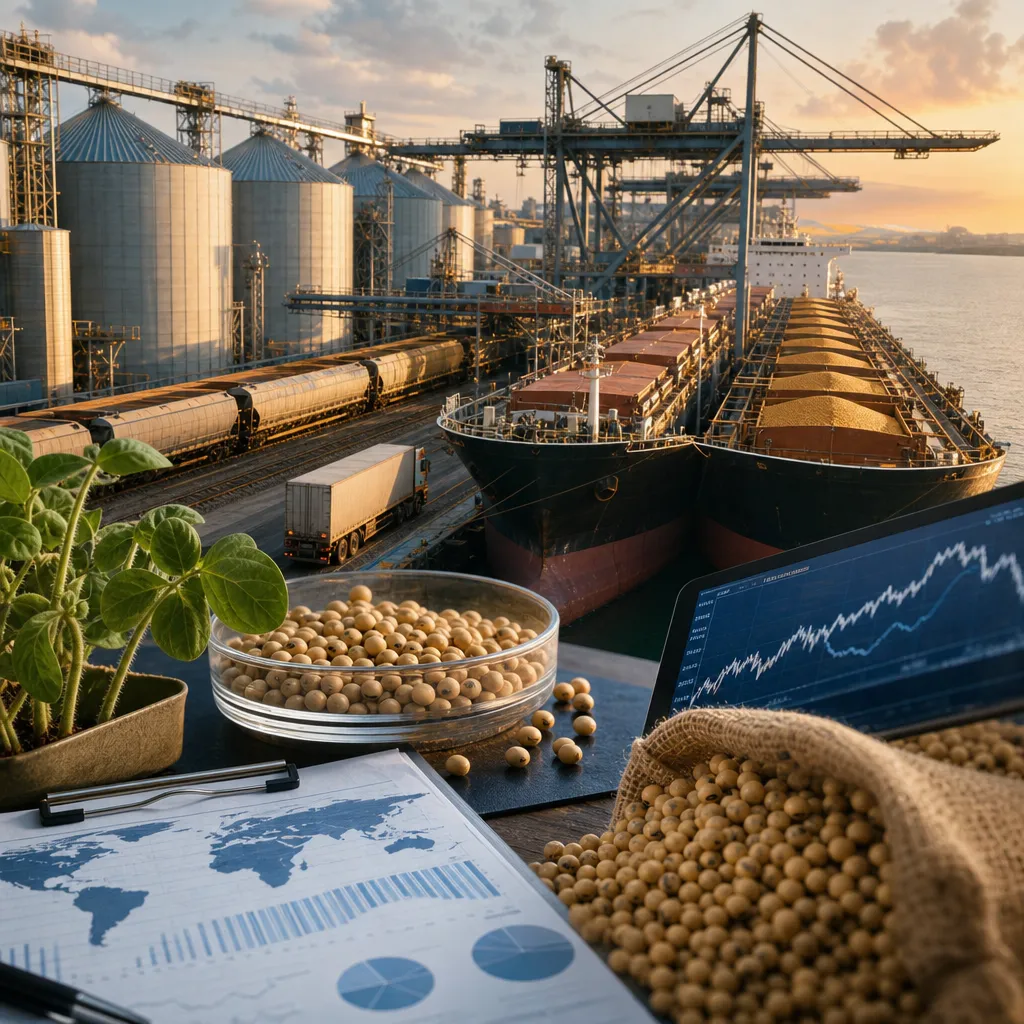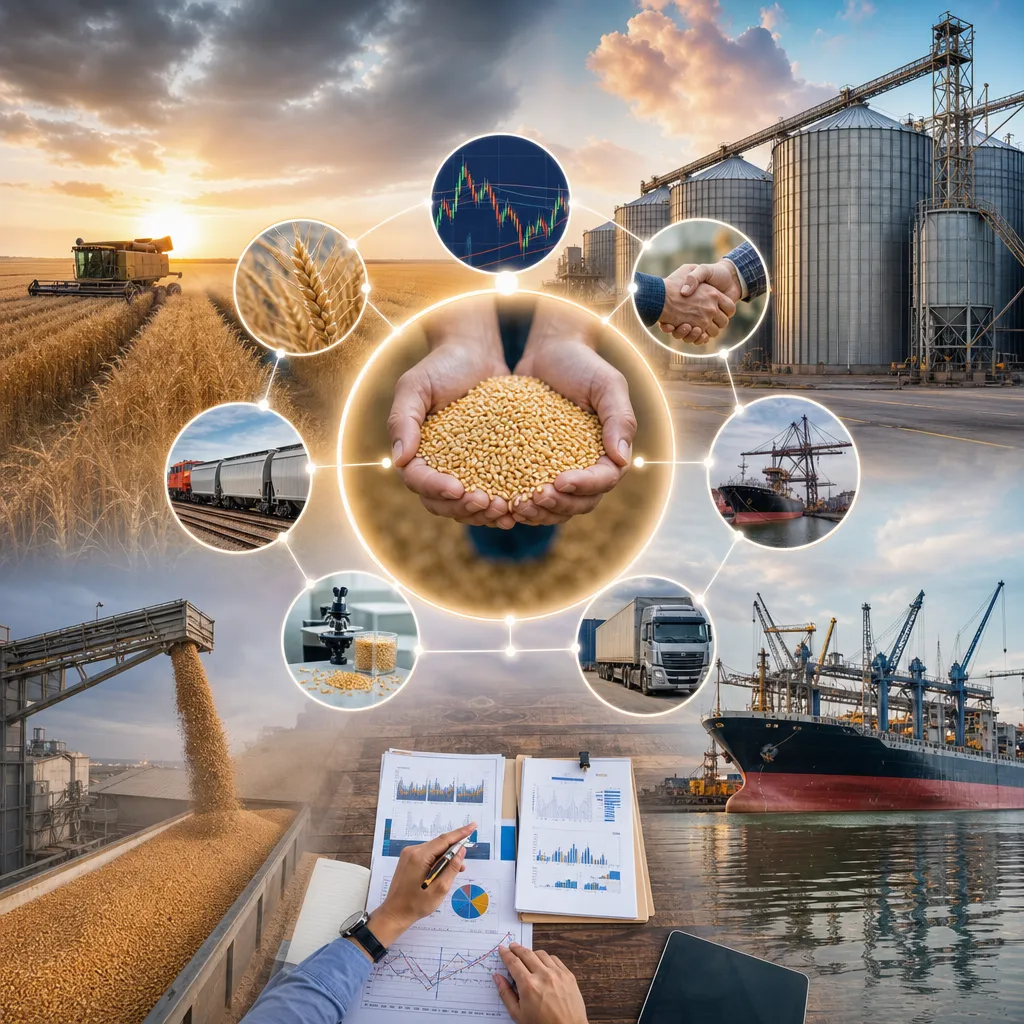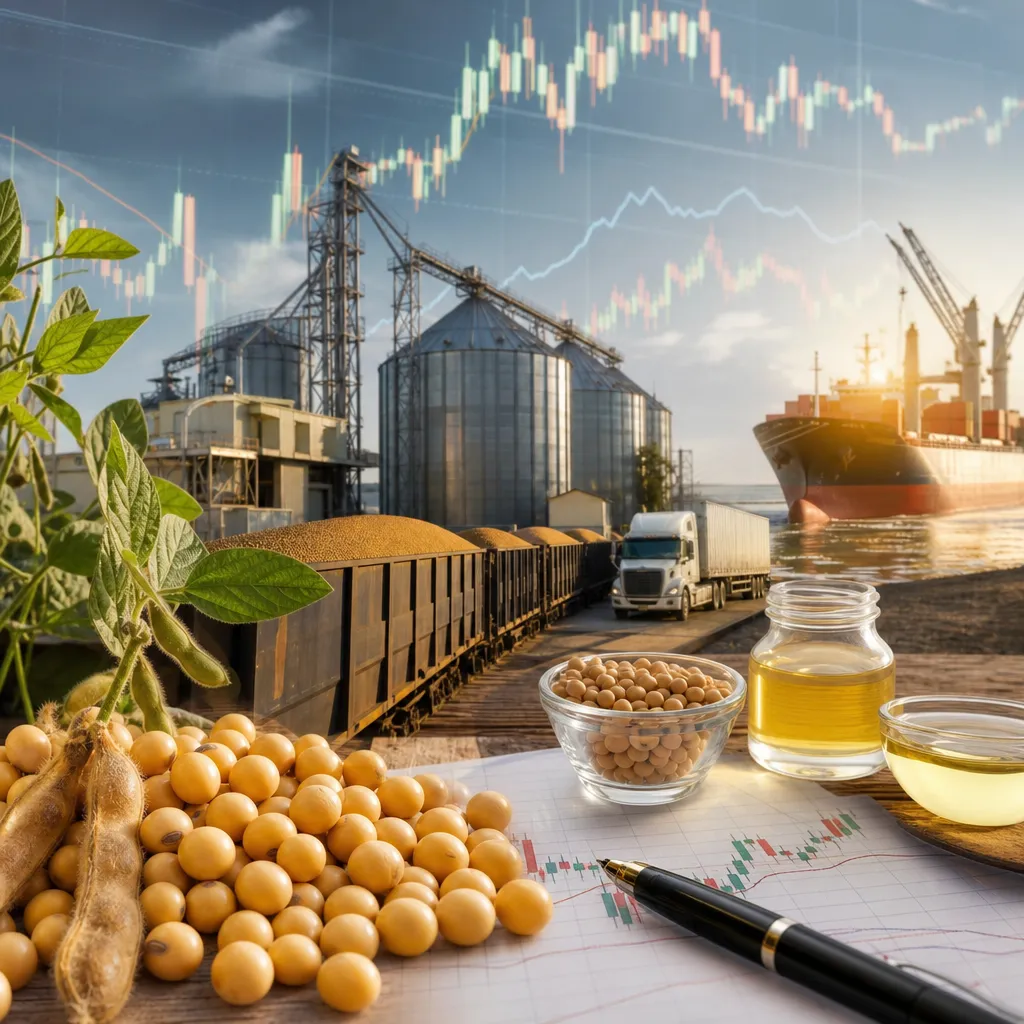
Wheat futures are standardized exchange contracts that let farmers, grain buyers, exporters, mills, processors, and traders manage wheat price risk or take a market view without immediately moving physical grain. In practice, they work as a financial market built around a reference price, while the real-world wheat trade still happens through elevators, cooperatives, merchants, mills, feed companies, and export channels. The key point is that a wheat futures quote is not the same thing as a local cash bid: futures set a benchmark, and local cash prices are adjusted from that benchmark by basis, freight, quality, and local supply-demand conditions. Understanding how the contract, margin system, delivery rules, and basis fit together is what makes wheat futures useful rather than confusing.
What wheat futures are
A wheat futures contract is a legally standardized agreement traded on a regulated futures exchange. The contract specifies the commodity, contract size, delivery month, quality parameters, and delivery mechanism. The buyer and seller are not usually dealing directly with each other after the trade; instead, the exchange clearing system stands between both sides and manages performance through margin.
For wheat, the best-known benchmark contracts are traded through CME Group in the United States. Market participants commonly follow Chicago soft red winter wheat, Kansas City hard red winter wheat, and Minneapolis spring wheat futures because each reflects a different class of wheat with different end uses and production regions. These contracts are financial benchmarks for risk management, even when the actual wheat sold in the physical market differs in grade, protein, origin, or destination.
Futures are used by two broad groups:
- Hedgers, such as farmers, elevators, flour mills, or exporters, who want to reduce price risk tied to physical wheat.
- Speculators, such as proprietary traders, funds, or individual traders, who do not necessarily handle physical grain but trade price movements.
How the contract works in practice
When someone buys or sells a wheat futures contract, they are taking a position in a standardized market rather than negotiating a truckload or vessel cargo of wheat. Each contract has a stated delivery month, such as March, May, July, September, or December, depending on the exchange contract structure. Most positions are closed out before delivery, meaning the trader offsets the position by making the opposite trade.
The exchange uses a daily mark-to-market system. That means gains and losses are settled every trading day through the trader’s brokerage account. To hold a futures position, the trader must post margin, which is not a down payment on wheat but a performance bond. If the market moves against the position, more funds may be required. This is why futures are leveraged and why they can be risky even when the contract is being used for a sensible hedge.
For example, a farmer concerned that harvest prices may fall can sell futures before harvest. If cash wheat prices drop, the farmer may receive less in the local cash market but gain on the futures short position. A mill worried about rising wheat prices can buy futures to offset the risk of higher cash purchase costs later.
| Market element | How it works | Who uses it |
|---|---|---|
| Futures contract | Standardized exchange-traded agreement referencing wheat for a specific delivery month | Farmers, elevators, mills, exporters, traders, funds |
| Margin | Cash or collateral posted to support open positions and cover daily gains or losses | All futures account holders |
| Offsetting trade | Closes a futures position before delivery by taking the opposite side | Most hedgers and speculators |
| Delivery process | Applies if a position is held into delivery under exchange rules and approved locations | Commercial firms more often than retail traders |
Where wheat futures trade and how to access them
Wheat futures trade on regulated commodity exchanges, not through local grain elevators. In the US benchmark market, wheat futures are associated with CME Group’s agricultural futures complex. A trader normally accesses these markets through a licensed futures broker or futures commission merchant. That broker provides the trading platform, order routing, account statements, and margin administration.
For an individual or business wanting to trade wheat futures, the usual steps are:
- Open a futures trading account with a regulated broker that offers agricultural futures access.
- Complete identity, financial suitability, and risk-disclosure documentation required by the broker and local regulation.
- Fund the account with sufficient capital for margin and risk tolerance.
- Use the broker’s platform to trade the relevant wheat contract month.
- Monitor daily profit and loss, margin calls, and contract expiration dates.
This is different from buying physical wheat. If a flour mill wants actual grain, it usually buys through grain merchants, cooperatives, country elevators, brokers, or direct producer contracts. If a farmer wants to sell physical wheat, the sale is usually made to an elevator, cooperative, merchant, feed buyer, or processor based on a local bid, not by simply selling a futures contract.
Readers looking for contract specifications, trading hours, tick size, contract months, and delivery details normally check the exchange contract pages and broker documentation. Those are the correct sources for how the financial instrument works. They do not replace local cash bid sheets or grain purchase contracts.
Futures price versus cash price: the role of basis
The most common misunderstanding is to assume the futures price is the local farmgate or elevator price. It is not. Physical wheat is priced as:
Cash price = futures reference price + or – basis
Basis reflects local conditions. It can strengthen or weaken depending on freight costs, export demand, rail or barge availability, local storage pressure, protein or test weight needs, and whether buyers urgently need wheat. Basis also varies by region, crop class, and delivery point.
A farmer in one region may see a very different local bid from a farmer in another region even when both are looking at the same exchange futures month. A mill may pay a premium for stronger quality or a discount for lower grade wheat. Exporters may calculate bids based on port demand, elevation costs, and ocean freight relationships. This is why hedging with futures reduces price risk but does not eliminate basis risk.
| Item | Futures market | Physical cash market |
|---|---|---|
| Where it exists | Regulated exchange through broker platforms | Elevators, cooperatives, merchants, mills, exporters, feed users |
| What is traded | Standardized contract | Actual wheat with quality, location, and freight terms |
| Price quoted as | Exchange benchmark by contract month | Local bid or negotiated contract, often based on futures plus or minus basis |
| Main risk | Market volatility and margin calls | Basis, quality, logistics, counterparty, storage, and freight risk |
| How delivery works | Under exchange delivery rules if held to delivery | Under negotiated commercial terms and delivery locations |
How hedging with wheat futures works
Hedging means taking a futures position intended to offset price risk in the physical market. It is not designed to guarantee the best possible price; it is designed to make outcomes more predictable.
Farmer hedge
A farmer expecting to harvest wheat later may sell futures before harvest to protect against falling prices. At harvest, the farmer sells physical wheat to an elevator or buyer and buys back the futures. If futures prices fell during that period, the futures gain may offset some or most of the lower cash sale price. The result still depends on basis at the time of sale.
Elevator or merchant hedge
An elevator buying wheat from farmers may own physical inventory while being exposed to falling prices. It can sell futures against that inventory. Later, when the wheat is sold to a mill, processor, or exporter, the elevator lifts the hedge. This helps it manage inventory price exposure while earning from basis, handling, storage, and merchandising margins.
Mill or processor hedge
A flour mill worried that wheat prices may rise before its purchase window can buy futures. When it later buys physical wheat, it offsets the futures. This can help stabilize input costs, though local basis and quality premiums still matter.
Many commercial firms also use options on wheat futures. Options can create price floors or ceilings with known premium cost, though they have their own complexity and time-value risk.
Delivery, storage, and logistics in the real wheat market
Most wheat futures positions do not end in physical delivery, but delivery rules matter because they anchor the contract to the real grain trade. Exchange delivery typically involves approved delivery locations, approved warehouse or shipping documentation, and specific grade standards. Those rules are commercial and technical; they are not the same as delivering wheat to any local buyer.
In the physical market, actual wheat moves through a chain that may include farm storage, truck delivery to a country elevator, rail loading, barge movement, inland terminal handling, port elevation, export loading, or delivery to a domestic mill or feed user. Practical wheat pricing depends on:
- Grade and quality factors such as moisture, protein, foreign material, test weight, and damage
- Location and freight to destination
- Storage availability and carrying costs
- Inspection and weighing
- Timing of delivery versus buyer demand
- Payment terms and counterparty reliability
A farmer or grain owner deciding whether to store wheat after harvest typically compares three things: the current cash bid, the potential futures carry structure, and expected basis improvement. Storage can add value if basis strengthens later, but it also introduces shrink, handling, interest, and quality risk. Futures alone do not solve storage economics; they only help manage part of the price exposure.
What moves wheat futures prices
Wheat futures react to both agricultural fundamentals and broader financial conditions. Prices can move rapidly when weather or policy changes alter market expectations for production, trade, or stocks.
Key drivers usually include:
- Weather in major wheat-producing regions, especially during planting, dormancy, spring development, and harvest
- USDA reports on acreage, yield, production, exports, and ending stocks
- Global supply from major exporters such as the United States, Russia, the European Union, Canada, Australia, Argentina, and Ukraine
- Import demand from major buyers in North Africa, the Middle East, and Asia
- Currency moves, because wheat competes in world export markets
- Corn and feed grain relationships, since wheat can compete in some feed rations
- Logistics disruptions, such as rail constraints, river conditions, port problems, or geopolitical events
No single report gives the whole answer. Traders combine exchange prices, cash basis signals, crop conditions, export pace, and world trade flows.
Where to check prices, reports, and market data
To follow wheat futures properly, it helps to separate benchmark market data from local physical bids.
For futures prices and contract details: market participants commonly check exchange data, broker platforms, and commercial market-data services. CME Group is a primary source for contract specifications and official settlement information for its wheat contracts. Brokers provide trading access and account-level pricing streams, although the level of real-time data may depend on the service arrangement.
For local cash bids: farmers and merchandisers usually check nearby elevators, cooperatives, grain company bid sheets, processor bids, or regional agricultural market reporting systems where available. In many regions, elevators publish bids online or through mobile tools, but those are local commercial offers and can change independently from the headline futures move.
For government and market reports:
- USDA WASDE is widely used for global and US wheat supply-demand balances.
- USDA Crop Progress helps track crop conditions and harvest pace.
- USDA Export Sales shows weekly export commitments and shipments.
- CFTC Commitments of Traders helps analysts assess speculative and commercial positioning in futures markets.
- FAO provides global agricultural market context, especially for international readers.
Analysts, traders, and farm managers often combine these official sources with private weather services, commercial charting platforms, merchandising software, and basis-history tools. The right tool depends on whether the user is trading futures, merchandising cash grain, or managing farm sales.
Common risks, costs, and limitations
Wheat futures are practical, but they are not simple or risk-free.
- Margin risk: a correct hedge can still produce cash-flow pressure if adverse futures moves trigger margin calls before the physical transaction is completed.
- Basis risk: local cash prices may not move in perfect line with futures.
- Contract mismatch: the exchange benchmark may differ from the physical wheat class or location being hedged.
- Expiry risk: traders who ignore first notice day, delivery periods, or rollover timing can face avoidable problems.
- Liquidity differences: some contract months trade more actively than others.
- Operational risk: errors in hedge size, contract month, or timing can reduce the value of the hedge.
Before using wheat futures, commercial participants usually define the physical exposure first: what class of wheat, what quantity, what time period, and what delivery point. Only then does the futures hedge make sense. A futures account is a trading tool, not a substitute for a grain contract, warehouse receipt, freight booking, or quality agreement.
Where can I check current wheat futures prices?
You can normally check benchmark wheat futures through exchange market-data pages, futures broker platforms, and commercial data terminals. For contract specifications and official settlement references, CME Group is a primary source for US benchmark wheat contracts. Remember that live futures quotes are benchmark prices, not local cash bids.
Where do farmers check the actual price they can receive for wheat?
Farmers usually check local elevator bids, cooperative bids, processor bids, or merchant offers in their region. These may be posted online, sent through bid-alert tools, or provided directly by merchandisers. The local bid reflects futures plus or minus basis, along with grade, moisture, protein, and delivery terms.
Can I buy physical wheat by buying a wheat futures contract?
Not in the practical commercial sense for most users. A futures contract is primarily a financial risk-management tool traded through a broker. Physical wheat is normally bought through grain merchants, elevators, cooperatives, mills, feed buyers, or exporters under separate commercial terms covering quality, location, freight, and payment.
Do most wheat futures contracts end in delivery?
No. Most are offset before delivery. Delivery rules still matter because they connect the contract to the physical grain market, but most hedgers and speculators close or roll positions before the delivery process begins.
What is basis in wheat trading?
Basis is the difference between the local cash price and the relevant futures price. It reflects regional supply and demand, freight, storage, quality, and buyer needs. Basis is central to hedging because futures can manage flat-price risk, while basis remains a separate risk.
What reports matter most for wheat futures?
The reports most commonly watched are USDA WASDE, USDA Crop Progress, USDA Export Sales, and CFTC Commitments of Traders. These help market participants track supply-demand changes, crop conditions, export pace, and market positioning.
Who typically uses wheat futures?
Users include farmers, grain elevators, cooperatives, exporters, flour mills, feed manufacturers, commodity merchants, hedge funds, and individual traders. Commercial users often hedge a physical exposure, while financial traders may trade only price expectations.
What is the biggest mistake new users make?
The biggest mistake is treating futures and physical grain as the same market. A wheat futures trade does not automatically secure a local sales price, freight arrangement, storage space, or quality acceptance. New users also often underestimate leverage and margin-call risk.
Sources
- CME Group
- United States Department of Agriculture
- U.S. Commodity Futures Trading Commission