


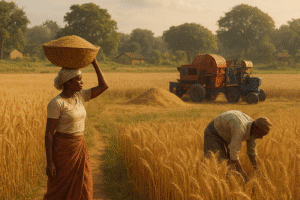





The Black Sea corridor has emerged as a cornerstone in meeting the world’s ever-growing need for staple crops. With its expansive fertile plains and strategic coastal access, this region not only drives agriculture output but also underpins critical supply chains that span continents. Understanding the multifaceted dynamics of grain production, export, and trade routes here is essential for grasping how global food markets respond to shocks and adapt to shifting demands.
Strategic Importance of the Black Sea Region
Fertile Soils and Ideal Climate
The Black Sea Region boasts some of the richest chernozem soils on Earth, characterized by high organic matter content and excellent moisture retention. These features, combined with a temperate continental climate, enable farmers to achieve impressive yields of wheat, barley, corn, and sunflower. Annual precipitation patterns, moderate winters, and long growing seasons create an environment where crop productivity can consistently outpace many other major grain-producing areas.
Scale of Production
- Ukraine and Russia together account for roughly one-third of global wheat exports, making the region a powerhouse for grain supply.
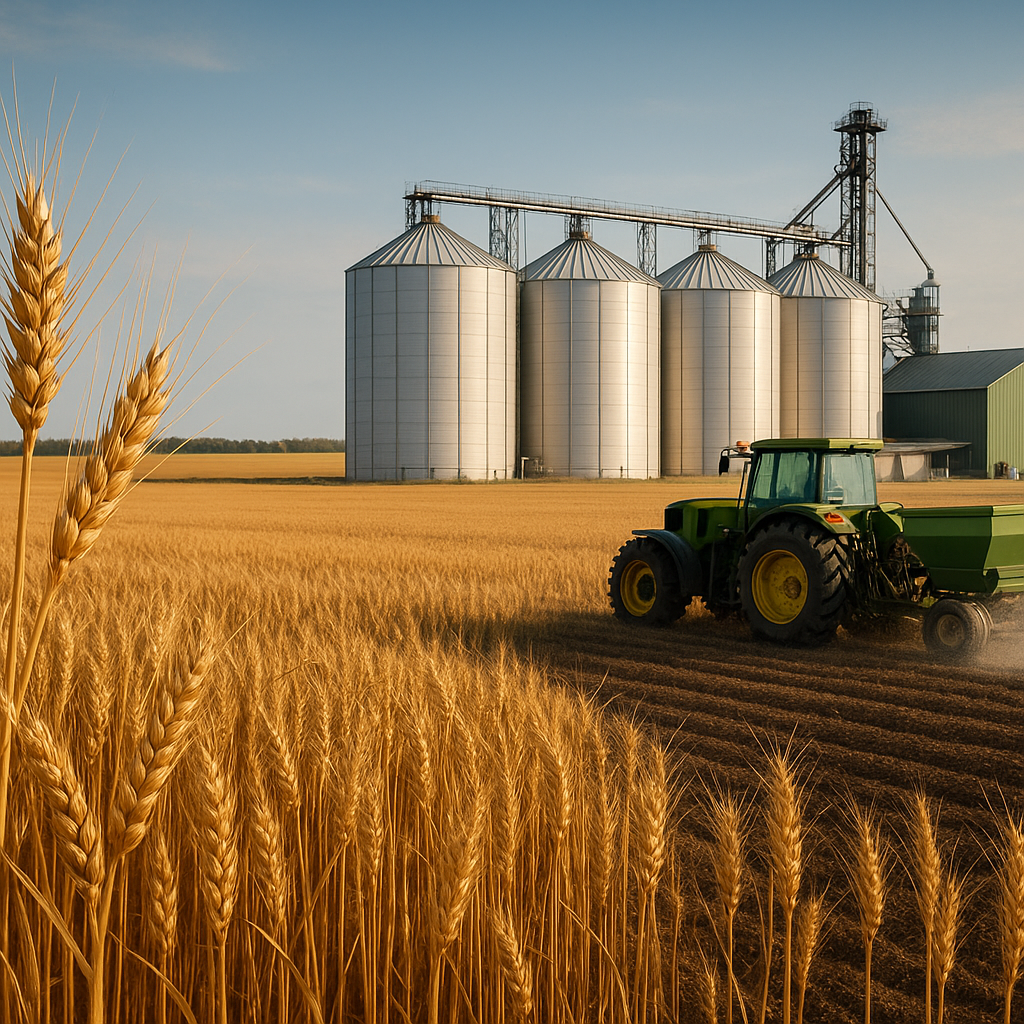
- The vast tracts of arable land—totaling nearly 70 million hectares—allow for modular scaling of cultivation, with modern machinery boosting planting and harvest efficiency.
- Integration of precision farming technologies has begun to accelerate improvements in productivity and resource use efficiency, positioning the region for continued growth.
Infrastructure and Logistics
Major ports such as Odesa, Novorossiysk, and Constanța serve as vital gateways, connecting Black Sea grain to global consumers via the Mediterranean and beyond. Rail and highway networks link inland production zones to these coastal hubs, while river transport on the Danube provides supplementary capacity. Despite occasional bottlenecks, ongoing investments in port expansions, storage facilities, and inland terminals are critical to reducing transit times and cutting logistics costs.
Export Dynamics and Global Market Impact
Trade Routes and Market Access
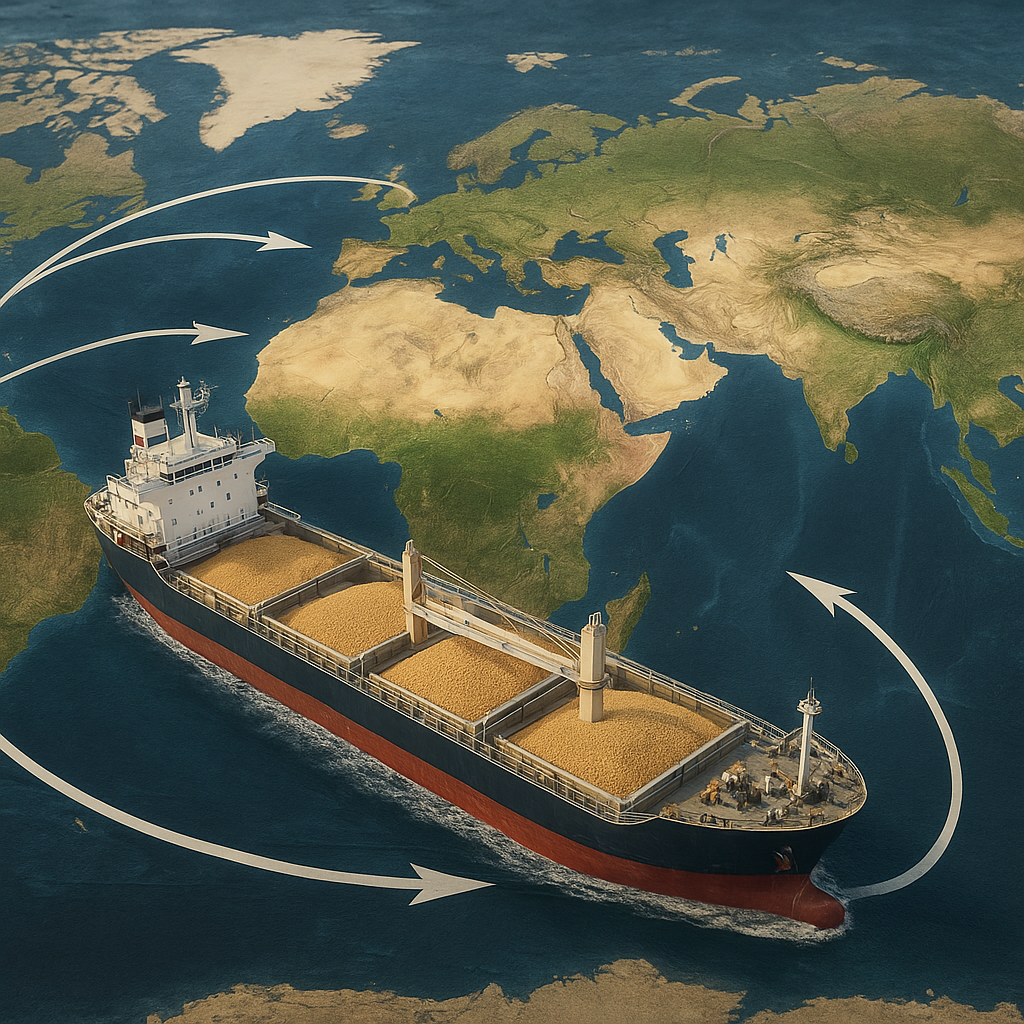
Grain from the Black Sea typically follows two primary corridors:
- Western route through Turkey’s Bosphorus and Dardanelles straits into the Mediterranean, servicing Europe, North Africa, and the Middle East.
- Eastern route via the Suez Canal, offering cost-effective delivery to Asia, including major importers like China and India.
Price Formation and Volatility
Due to its substantial export volume, the Black Sea Region heavily influences global grain benchmarks such as the FOB (Free on Board) price. A minor disruption—whether geopolitical tension or port congestion—can ripple through futures markets in Chicago and Paris, driving sudden spikes or dips in commodity volatility. For policymakers and traders, monitoring regional developments is crucial in anticipating price movements and hedge strategies.
Diversification of Buyer Base
Emerging markets in Sub-Saharan Africa and Southeast Asia are diversifying their grain sources, turning to the Black Sea to reduce dependency on traditional suppliers. This shift is fueled by competitive pricing and rapidly improving logistics channels. Meanwhile, long-term contracts with governments and private grain traders stabilize revenue flows for exporter countries.
Geopolitical and Economic Challenges
Regional Instability and Risk Management
Political tensions and conflict can derail grain flows, as evidenced in recent years. Disruptions in Black Sea shipping lanes or sanctions can elevate global food insecurity by constricting supply. Stakeholders increasingly rely on:
- Insurance mechanisms to mitigate shipping risks
- Alternate inland routes through the EU rail network
- Government-to-government agreements that secure export corridors even during crises
Currency Fluctuations and Trade Finance
Export revenues are sensitive to ruble and hryvnia exchange rates. Rapid currency swings can erode farmers’ margins or trigger speculative hoarding. To cushion these effects, financial institutions offer forward contracts and commodity-backed credit lines, ensuring adequate liquidity across the planting and harvesting cycles.
Environmental Limitations
Despite its advantages, the region faces environmental stressors:
- Soil erosion linked to intensive monoculture
- Water scarcity in summer months
- Vulnerability to extreme weather events due to climate change
Sustainable resource management and crop rotation practices are becoming imperative to maintain long-term security of supply.
Innovation and Sustainability Initiatives
Precision Agriculture and Digital Tools
Adoption of satellite imagery, drone monitoring, and soil sensors allows farmers to optimize fertilizer application and reduce environmental footprints. Real-time data analytics lead to more efficient water use, higher yields, and lower input costs. Private and public partnerships are funding digital platforms that pool agronomic data, enhancing decision-making from sowing to sale.
Climate-Resilient Crop Varieties
Research institutions in the region are developing drought-tolerant wheat strains and disease-resistant hybrids. These varieties not only endure increasingly erratic weather but also help stabilize output year over year. Collaboration with international seed companies accelerates the distribution of improved genetics to smallholders and large-scale producers alike.
Green Logistics and Circular Economy
Efforts to decarbonize the transport leg include:
- Transitioning to LNG- and electric-powered port equipment
- Upgrading rail wagons for higher payloads and lower emissions
- Implementing precision loading systems that minimize cargo spillage and waste
Moreover, repurposing grain byproducts for bioenergy or animal feed establishes a sustainable circular model that adds value while reducing environmental impact.
Future Outlook: Balancing Growth and Resilience
Expanding Market Reach
With Belt and Road trade corridors evolving, the Black Sea Region can tap into new Asian markets via rail connections through Central Asia. Emerging free trade agreements with African and Latin American blocs may further diversify destinies of grain exports.
Strengthening Regional Cooperation
Institutions like the Black Sea Economic Cooperation (BSEC) forum promote dialogue on transportation, agriculture policy, and risk mitigation. By harmonizing standards and streamlining cross-border customs procedures, neighbors can boost the overall resilience of the grain supply chain.
Investment in Human Capital
Training programs for agronomists, logistics managers, and data analysts will sustain the region’s competitive edge. Encouraging youth engagement in modern farming practices ensures a skilled workforce capable of driving the next wave of innovation.
Leveraging Technology Partnerships
Collaboration with leading agritech firms and research universities worldwide will continue to introduce groundbreaking solutions—ranging from gene editing to autonomous machinery. These synergies will help the Black Sea Region maintain its position as a linchpin of global food systems in an era of growing demand and environmental uncertainty.