

An in-depth exploration of grain resources around the world reveals how delicate balances between supply and demand shape markets, influence food security, and drive geopolitical strategies. Understanding global inventories requires examining production cycles, regional storage capacities, and the complex web of logistics that moves cereals from fields to consumers. This article delves into key aspects of the international grain ecosystem through multiple lenses, uncovering the forces behind shifting prices and evolving trade patterns.
Fundamentals of Global Grain Inventories
Defining Inventories and Stockpiles
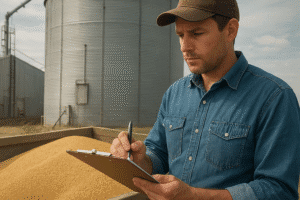
At its core, an inventory represents the volume of agricultural commodities held in reserve by producers, governments, and private firms. Stockpiles buffer against harvest shortfalls, abrupt demand spikes, and supply chain disruptions. Analysts categorize these reserves into:
- Producer-held reserves: farms and cooperatives retaining portions of harvests.
- Commercial stocks: privately owned warehouses and silos managed by traders.
- Strategic government reserves: sovereign buffers for food security and price stabilization.
Accurate measurement hinges on standardized reporting. Organizations like the Food and Agriculture Organization (FAO) and the United States Department of Agriculture (USDA) compile data on key cereals—wheat, rice, corn, barley, and sorghum—to estimate global and regional inventories.
The Role of Consumption and Demand Patterns
Global consumption trends directly influence how much grain remains unutilized at the end of marketing years. Factors driving demand include:
- Population growth in emerging economies.
- Dietary shifts toward protein-rich foods, increasing feed grain needs.
- Biofuel policies boosting corn and sugarcane usage.
As consumption expands, maintaining adequate reserves becomes crucial. Underestimating end-user requirements can trigger price surges, while persistent oversupply depresses farmer incomes.
Major Players and Regional Dynamics
Top Producing Nations
Certain countries dominate cereal output and thus wield significant influence over global supply chains:
- United States: a perennial leader in corn and soybean crop volumes.
- China: largest rice producer, also major wheat and corn cultivator.
- India: second in rice and wheat production, relying heavily on monsoon patterns.
- Brazil and Argentina: rising corn and soy exporters with expanding acreage.
These producers’ harvest sizes and storage decisions ripple through international trade networks, affecting availability in importing regions.
Import-Dependent Regions
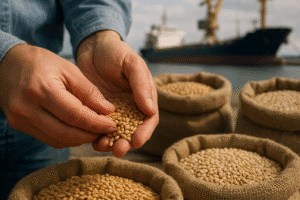
Countries in North Africa, the Middle East, and parts of East Asia lack sufficient arable land or face climatic constraints. They depend on imports to maintain domestic grain reserves and food security. Key considerations include:
- Port infrastructure capacity and efficiency.
- Exchange rate volatility impacting import costs.
- Geopolitical stability along transport corridors.
Government strategies often involve securing long-term contracts or diversifying supplier portfolios to mitigate risks.
Supply Chains and Storage Challenges
From Farm to Warehouse
Harvested grains traverse a complex network before reaching storage facilities:
- Drying and cleaning processes to prevent spoilage.
- Transportation by truck, rail, or barge, each with unique cost structures.
- Temporary accumulations at collection centers and cooperatives.
At every node, delays or inefficiencies can erode quality, shrink effective reserves, and elevate transaction costs.
Preserving Quality in Extended Storage
Long-term retention of cereals demands strict environmental controls. Temperature, humidity, and pest management determine the shelf life of stored grain. Innovations in grain storage include:
- Hermetic sealing techniques to curb insect infestations.
- Automated monitoring systems tracking moisture and temperature.
- Grain conditioning treatments for mycotoxin prevention.
Fitness-for-use criteria vary by end application—seeds, feed, or food—requiring tailored storage protocols.
Market Implications and Price Volatility
Impact of Inventory Swings on Prices
Large changes in inventories relative to consumption ratios often trigger market reactions. Key indicators include:
- Stocks-to-use ratio: a barometer of supply tightness.
- Carryout levels: quantifying end-of-season surpluses or deficits.
- Forward pricing curves reflecting market expectations.
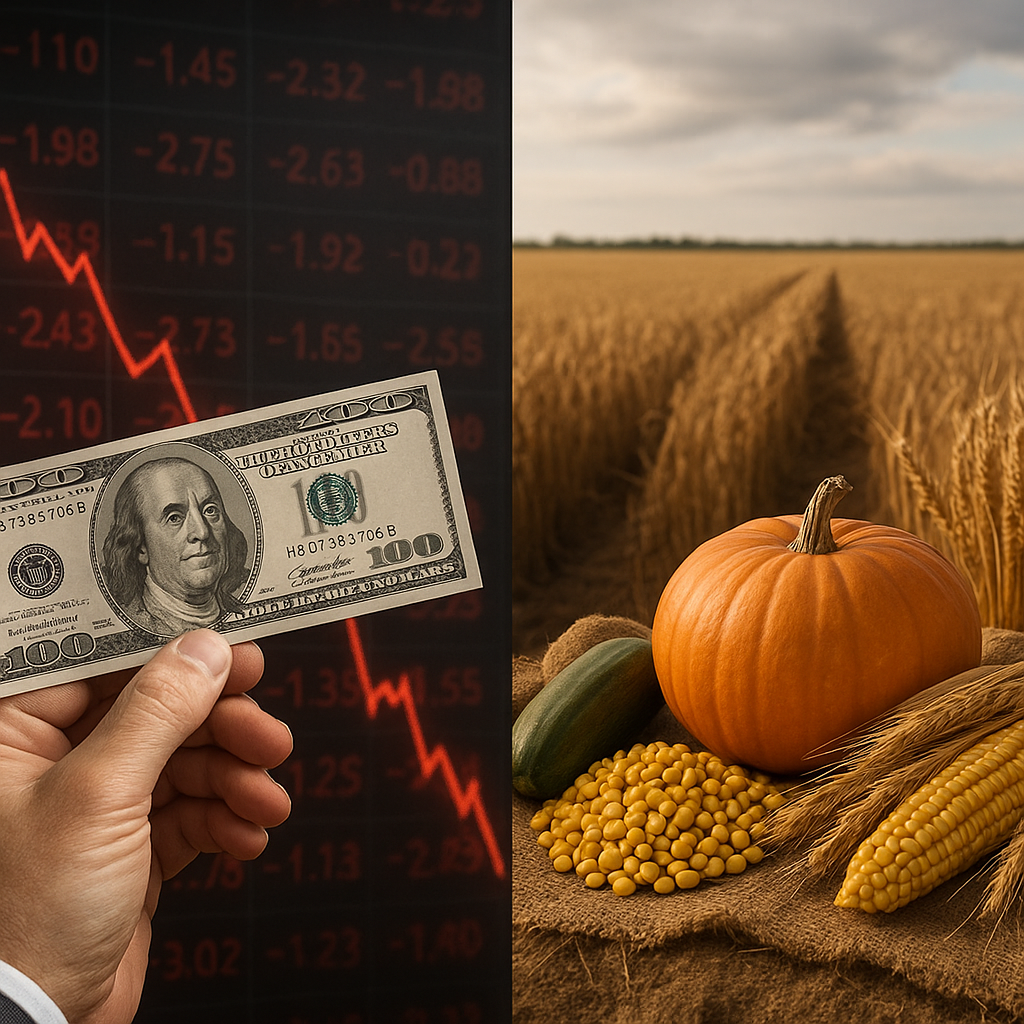
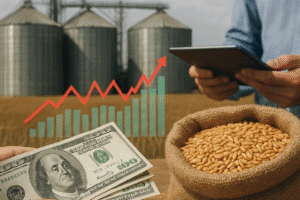
When stockpiles shrink unexpectedly—due to weather shocks or policy shifts—spot prices can spike, fueling speculative trading and hedging activities.
Speculation and Risk Management
Financial markets offer instruments to manage exposure to crop failures and storage uncertainties:
- Futures contracts hedging against price swings.
- Options providing asymmetric risk profiles.
- Exchange-traded funds (ETFs) tracking grain indices.
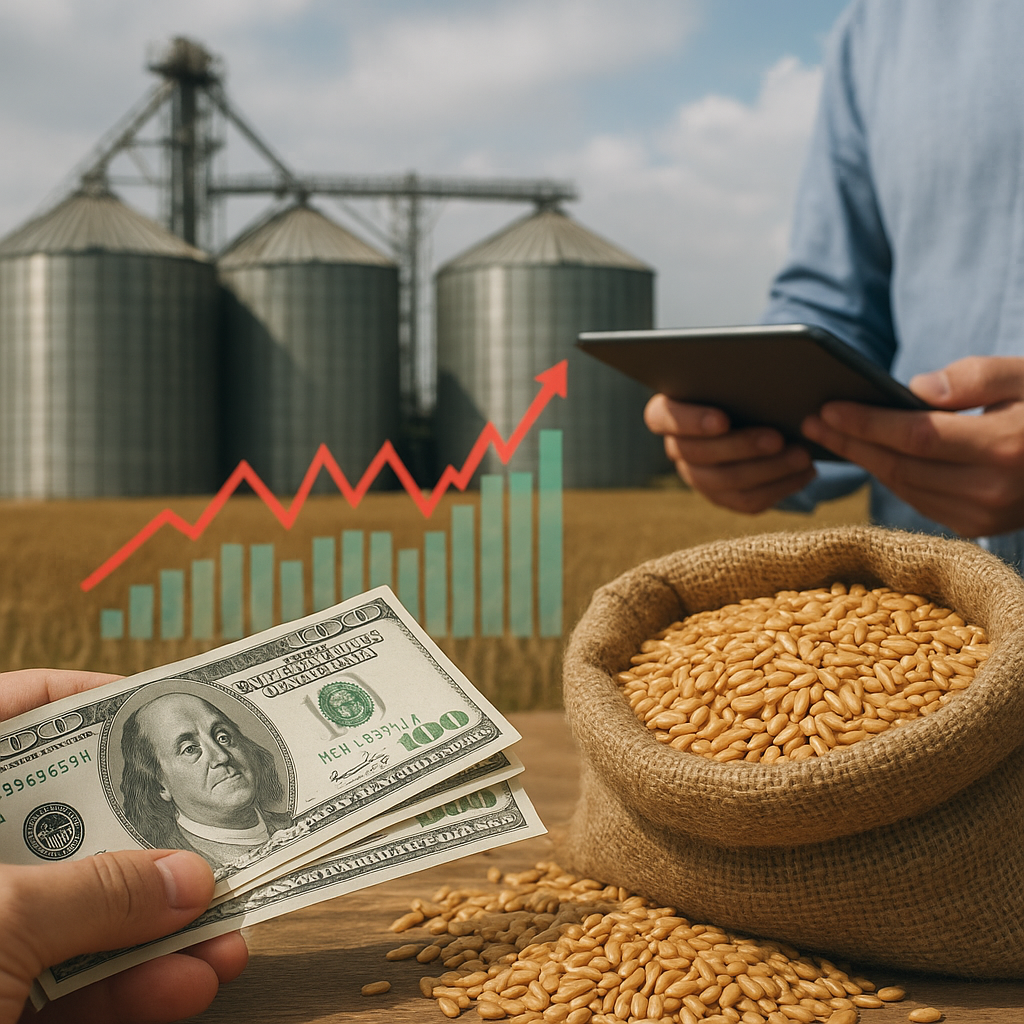
Robust risk management helps stakeholders from farmers to multinational trading houses navigate volatile environments while maintaining adequate inventories.
Technological Innovations and Future Trends
Digitalization of Inventory Tracking
Advances in blockchain, Internet of Things (IoT), and data analytics promise transparency and efficiency gains:
- Real-time ledgering of deposit weights and movements.
- Sensor networks providing granular storage condition data.
- Predictive analytics forecasting demand and optimizing reserve levels.
Such tools enable stakeholders to reduce waste, allocate capacity dynamically, and anticipate market shifts.
Sustainability and Circular Approaches
Rising environmental concerns drive innovation across the grain value chain. Prominent developments include:
- Low-carbon drying methods powered by renewable energy.
- Upcycling of grain byproducts into novel feed, bio-materials, and bioenergy.
- Integrated farm-to-fork platforms minimizing transport footprints.
These strategies align economic incentives with ecological stewardship, shaping how future production, storage, and trade evolve worldwide.