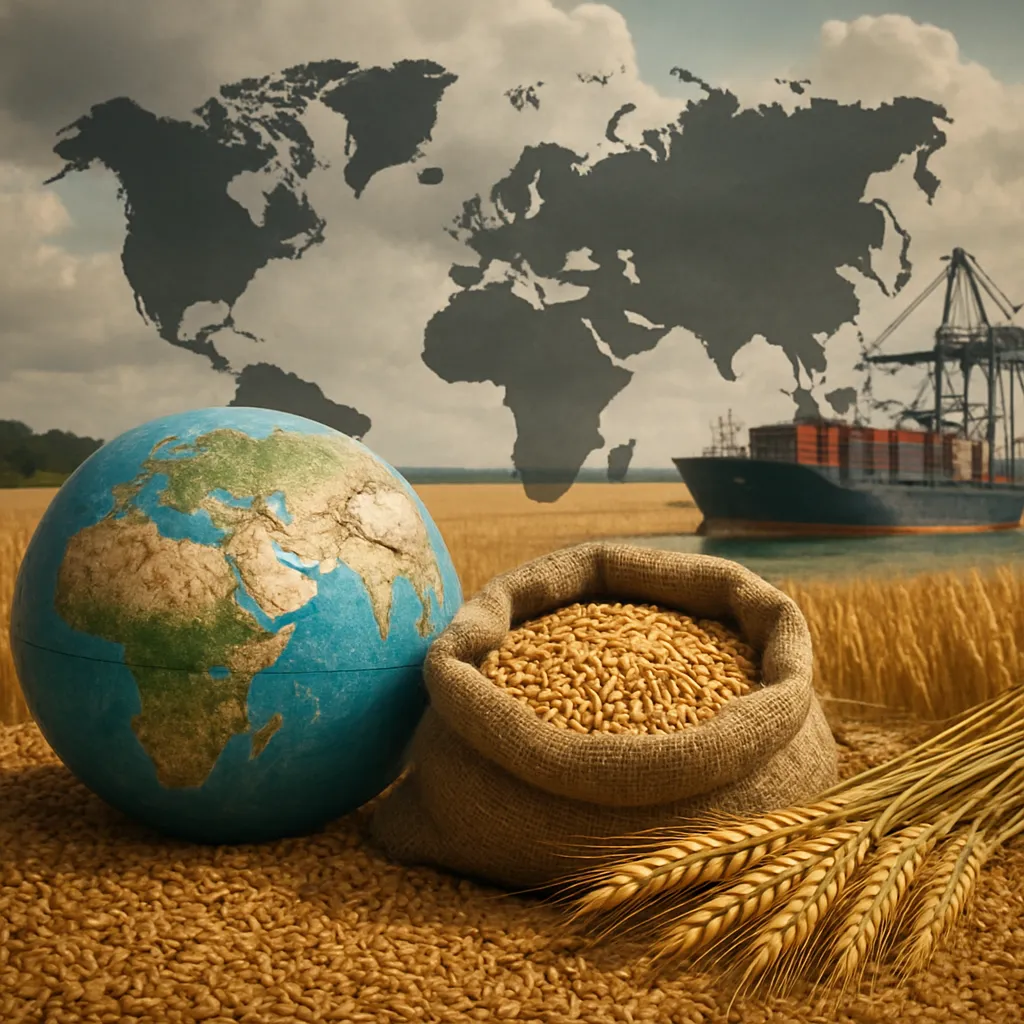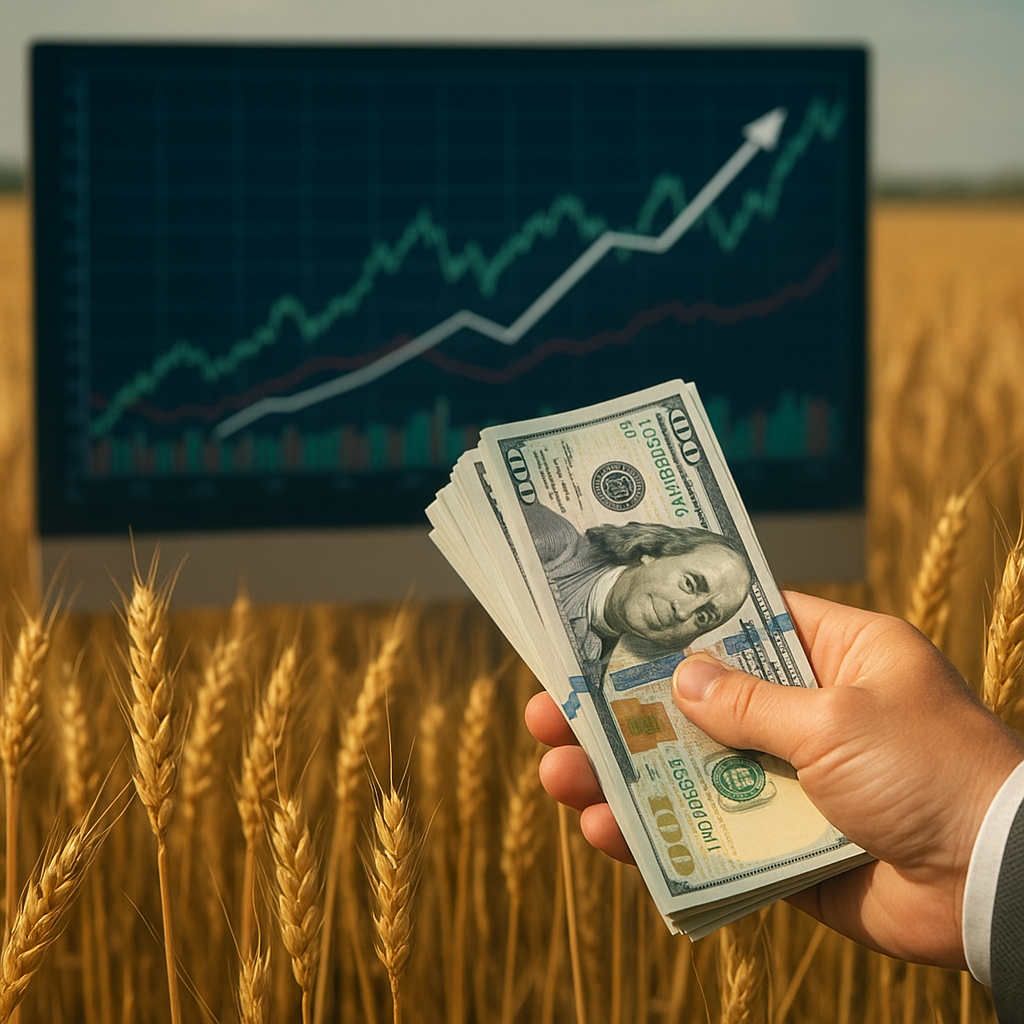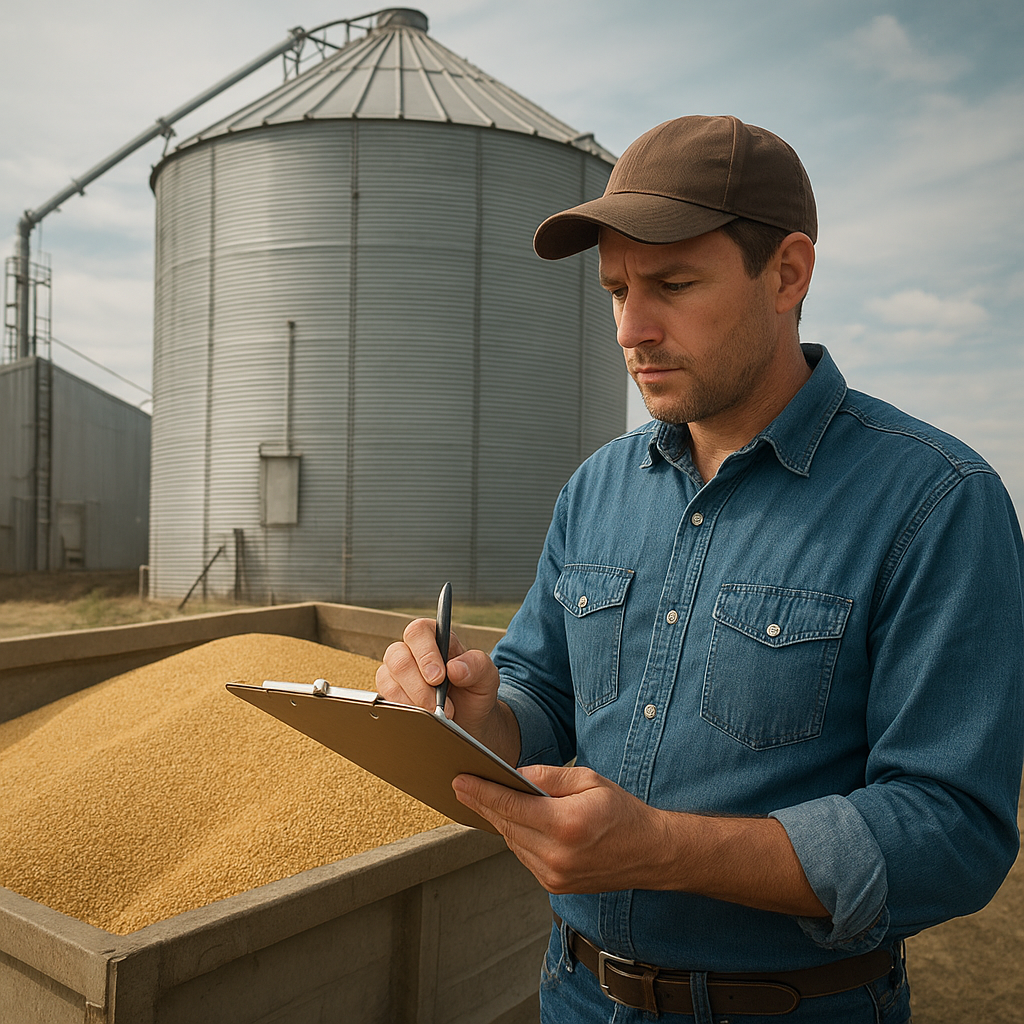

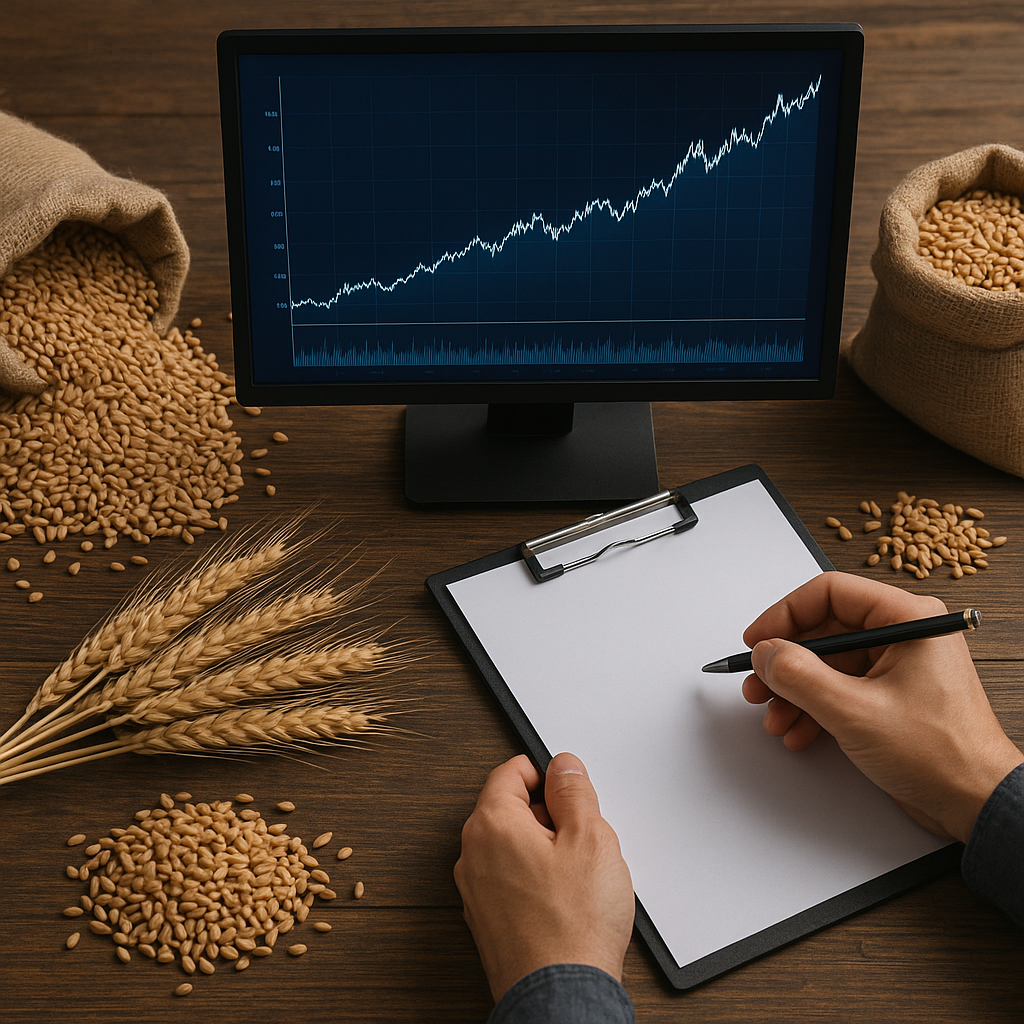
The grain market operates at the intersection of agriculture, finance, and global trade, with futures contracts serving as vital instruments for managing price risk and facilitating trade. These contracts enable buyers and sellers to agree on delivering a specified quantity of grain at a predetermined date and price. Understanding their structure, pricing mechanisms, and strategic applications can empower farmers, processors, traders, and investors to navigate market complexities and seize opportunities effectively.
Fundamentals of Grain Futures Contracts
At their core, grain futures are standardized agreements traded on regulated exchanges such as the Chicago Board of Trade (CBOT) or the Kansas City Board of Trade (KCBT). Each contract specifies the type of grain (e.g., wheat, corn, soybeans), delivery location, contract size, and month of settlement. Standardization ensures uniform quality and quantity, facilitating liquidity and efficient price discovery.
Contract Specifications
- Grain grade and quality benchmarks
- Delivery months and trading calendars
- Minimum tick sizes and price increments
- Delivery points and storage requirements
- Margin requirements for opening and maintaining positions
Role of Margins
Participants must post an initial margin—a fraction of the contract’s notional value—to establish a position. Daily price changes are settled through a process called mark-to-market, wherein gains and losses are credited or debited from margin accounts. Maintaining the required maintenance margin is essential to avoid margin calls and potential forced liquidation.
Clearinghouse and Counterparty Risk
The exchange’s clearinghouse acts as the intermediary between buyers and sellers, effectively eliminating direct exposure to a counterparty. By novating trades—becoming the buyer to every seller and the seller to every buyer—the clearinghouse guarantees contract performance, reducing default risk.
Market Dynamics and Price Influencers
Grain futures prices reflect an amalgam of supply-and-demand factors, speculative forces, and macroeconomic variables. Understanding these influences is critical for predicting price movements and developing robust trading or hedging strategies.
Seasonality and Crop Reports
Grain production follows seasonal cycles—planting, growing, and harvest periods—which introduce predictable fluctuations in supply. Key reports such as the USDA’s World Agricultural Supply and Demand Estimates (WASDE) and Crop Progress reports provide critical data on acreage, yield projections, and stock levels, often triggering sharp market moves.
Weather and Environmental Risks
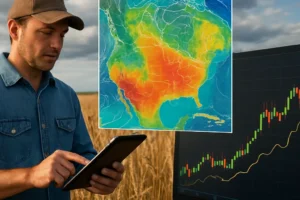
Adverse weather events—droughts, floods, heat waves—can drastically alter crop prospects. Crop insurance markets and weather derivatives offer additional layers of protection, but futures prices frequently react swiftly to weather forecasts and anomalies.
Global Trade Policies
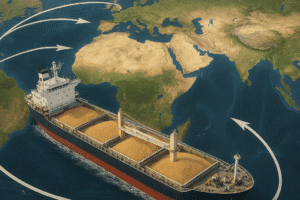
Tariffs, export bans, and trade agreements shape international grain flows. Sudden policy shifts can disrupt traditional supply chains, creating volatility. For instance, export restrictions by major producers or changes in biofuel mandates can send ripple effects through global price structures.
Currency and Macro Trends
Since grains are often traded in US dollars, currency fluctuations impact demand from foreign buyers. A stronger dollar can make US grain less competitive abroad, while macro factors such as interest rates and inflation influence carrying costs and investor sentiment.
Hedging Strategies and Risk Management
Hedging with futures contracts allows producers, processors, and end-users to lock in prices and protect profit margins against adverse movements. Effective hedging hinges on matching physical exposures with appropriate contract sizes and delivery windows.
Short Hedge for Producers
- Farmers expecting future grain output sell futures contracts to secure a guaranteed selling price.
- Upon harvest, they offset their short futures position by purchasing contracts, effectively neutralizing price risk.
- Basis risk arises from discrepancies between local cash prices and futures prices at delivery.
Long Hedge for Consumers and Processors
- Millers and feedlot operators purchase futures to lock in input costs.
- When grain is needed, they sell futures contracts to offset their long position and take delivery of the physical commodity.
- This strategy stabilizes production costs and supports budgeting accuracy.
Cross-Hedging Techniques
In situations where local grain varieties lack direct futures contracts, participants may use related contracts (e.g., corn futures to hedge sorghum exposure). Cross-hedging introduces additional basis risk but can provide partial protection when direct hedging vehicles are unavailable.
Use of Options on Futures
Options offer asymmetric risk profiles: a put option grants the right to sell futures at a specified strike price, protecting producers from price declines while allowing participation in favorable rallies. Calls serve as insurance for buyers against rising costs. Combining options with futures enables customizable risk-return structures.
Speculation and Trading Techniques
Speculators contribute liquidity and facilitate price discovery but also introduce additional volatility. They profit by anticipating price changes and employing advanced trading strategies.
Trend Following and Momentum
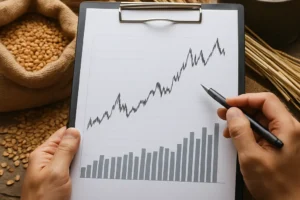
- Technical traders analyze charts and indicators—moving averages, relative strength index (RSI), Bollinger Bands—to capture sustained price trends.
- Automated systems and algorithmic models can execute high-frequency strategies, capitalizing on minute price inefficiencies.
Spread Trading
- Inter-commodity spreads (e.g., wheat-corn) exploit pricing relationships between different grains.
- Calendar spreads involve buying and selling contracts in different delivery months to benefit from seasonal price differentials.
- These strategies typically require lower margin and carry less directional risk compared to outright positions.
Arbitrage Opportunities
When price discrepancies arise between futures contracts and cash markets—or between contracts on different exchanges—arbitrageurs step in to lock in risk-free profits. Their activity helps align prices and maintain market efficiency.
Risk and Position Limits
Exchanges impose position limits to prevent market manipulation and excessive speculation. Traders must monitor open interest and comply with regulatory requirements to avoid penalties and ensure orderly markets.
Technological Innovations and Future Trends
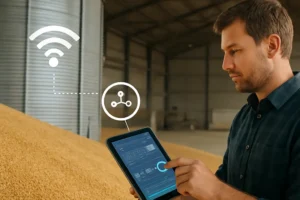
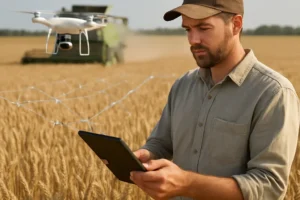
Advances in data analytics, blockchain, and electronic trading platforms are transforming the grain futures landscape. Real-time satellite imagery and IoT-based farm sensors enhance crop monitoring, feeding into predictive models for yield estimation and price forecasting. Blockchain applications promise transparent supply chain tracking, potentially integrating physical delivery records with contract settlements. Meanwhile, emerging markets in Asia and Africa are expanding liquidity pools, creating new opportunities and challenges for global participants.
Digital Platforms and Accessibility
Retail traders now access grain futures via online brokers, mobile apps, and social trading networks. Democratization of market access increases participation but also underscores the need for education on margin risks and market mechanics.
ESG and Sustainable Finance
Environmental, Social, and Governance (ESG) considerations are gaining prominence. Sustainable grain production practices and carbon offset markets may lead to new derivatives tied to greenhouse gas reductions or regenerative agriculture outcomes.
Conclusion Without Summary
Grain futures contracts remain indispensable tools for managing price risk, facilitating trade, and enabling price transparency. Whether employed for hedging, speculation, or portfolio diversification, understanding their underlying mechanics and market drivers is essential for all participants in this dynamic sector.