The management of carry costs in grain storage often determines the competitive edge of producers and traders alike. By understanding the interplay between storage expenses, financing obligations, and market dynamics, stakeholders can refine their strategies to maximize returns. Detailed analysis of each cost component sheds light on where inefficiencies reside and how they can be mitigated. This article delves into the essential aspects of carry costs, identifies their driving forces, and explores practical solutions to harness capital effectively in volatile agricultural markets.
Fundamental Principles of Carry Cost
At its core, carrying grain from harvest to sale involves four principal factors: interest on invested funds, storage charges, opportunity costs, and the inherent risk of deterioration or price fluctuation. Each plays a pivotal role in shaping the break-even point for holding inventory. When producers delay selling, they must offset these expenses with anticipated gains from higher market prices. If prices rise sufficiently to cover total carry costs and generate profit, the storage decision pays off; otherwise it erodes margins.
Recognizing the time value of money is essential. Funds tied up in grain inventory could be deployed elsewhere—perhaps in farm machinery upgrades or debt reduction—generating alternative returns. Thus, the capital committed to storage carries an implicit cost equal to the forgone yield on that capital. In highly capital-intensive farming regions, this opportunity cost can rival direct storage fees in its impact on overall carry costs.
Key Components of Carry Cost
Storage Fees and Infrastructure
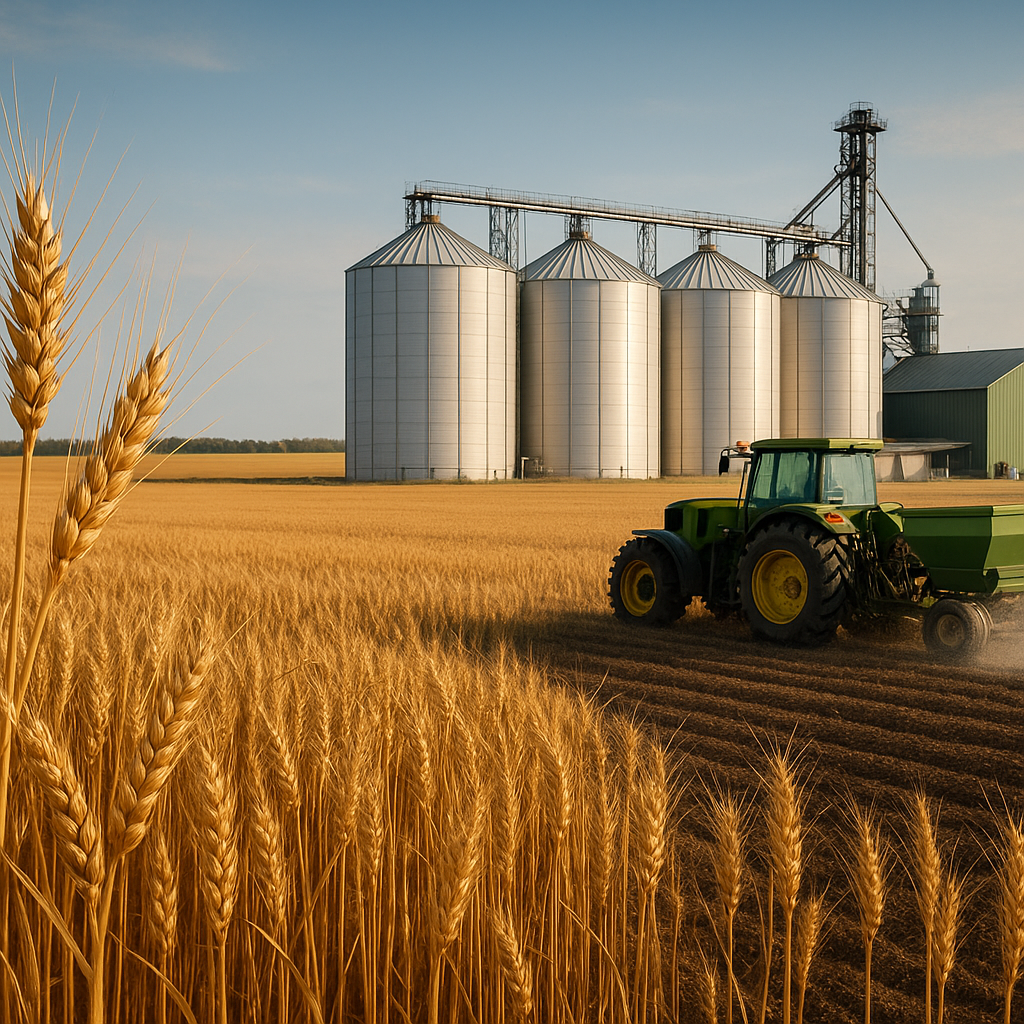
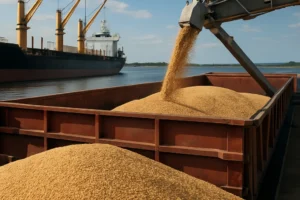
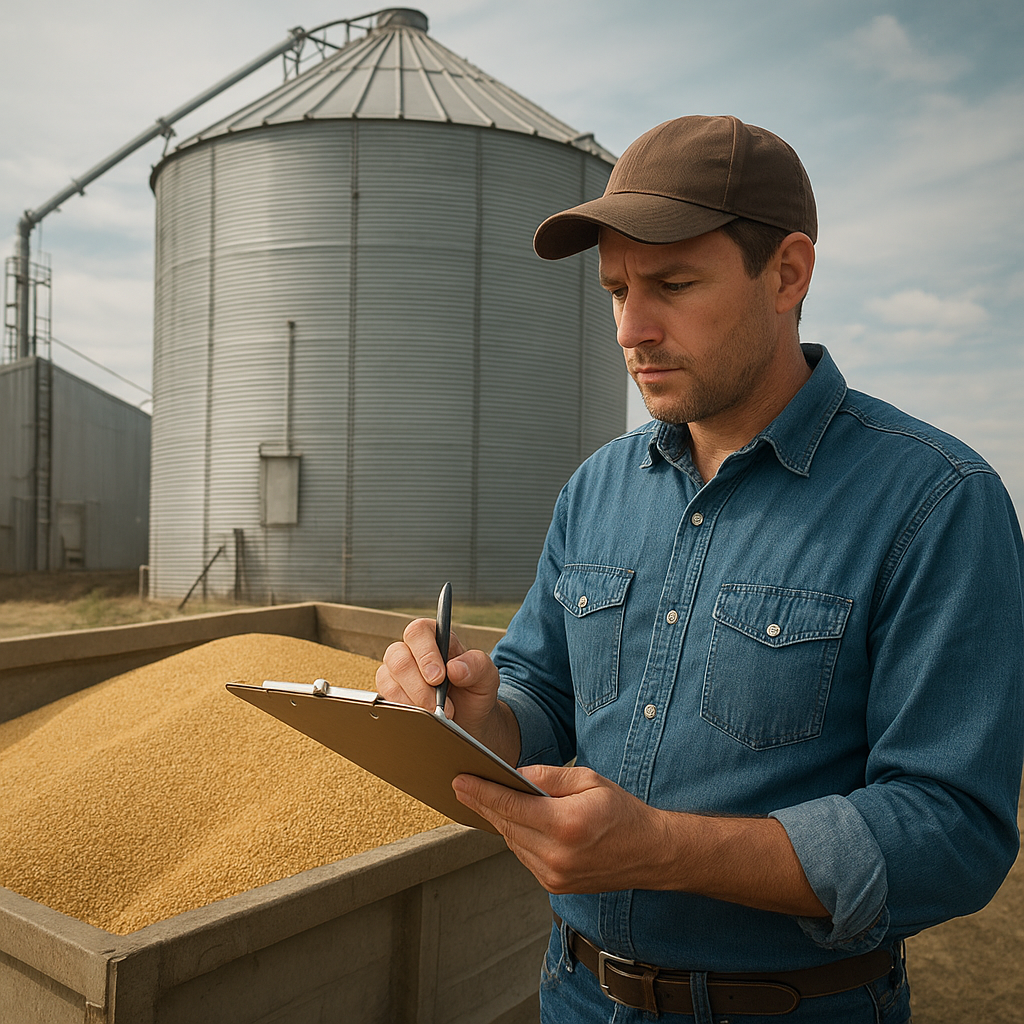
Physical storage demands reliable facilities capable of maintaining grain quality. Silos, warehouses, and bulk bins differ in construction, location, and management expenses. Operators must budget for maintenance, energy consumption (for ventilation and drying), and labor for monitoring and handling. These logistics costs vary regionally. For instance, facilities prone to extreme humidity or temperature swings incur higher utility bills to prevent spoilage.
Financing and Interest Expenses
Securing working capital to finance grain inventories typically involves lines of credit, loans, or receivables financing. Interest rates fluctuate with macroeconomic conditions and credit risk profiles. A producer with high leverage or weaker credit may face a steeper borrowing cost, inflating the financing portion of carry costs. Forward contracts, warehouse receipts, or inventory-backed loans serve as collateral, often reducing interest rates but introducing complexities in contract negotiation and risk management.
Deterioration, Insurance, and Shrinkage
Grain quality naturally degrades over time due to moisture migration, insect activity, and fungal growth. Insurance policies mitigate the financial impact of fire, theft, or pest outbreaks, but premiums add to the total cost structure. Additionally, shrinkage—weight loss from moisture evaporation or handling—translates directly to lost revenue. Effective risk control measures, such as aeration systems and fumigation protocols, can curb these losses but represent further investments that factor into overall carry costs.
Strategies to Optimize Carry Costs
Improving Storage Efficiency
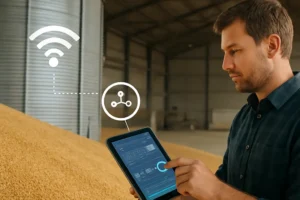
Adopting best-in-class technology can drive down both direct and indirect costs. Automated monitoring systems track temperature and humidity in real time, enabling swift corrective actions that preserve quality. Energy-efficient fans and sensors reduce utility bills, while modular storage units permit flexible scaling—minimizing underused capacity. By optimizing floor space utilization and cycle times, operators can reduce labor and energy expenses, lowering the inventory burden.
Hedging and Market Instruments
Price risk can be managed through futures, options, and basis contracts. Hedging allows producers to lock in sale prices at harvest, effectively shifting market risk to speculators. While this does not eliminate carry costs, it stabilizes expected revenue, making financing decisions more predictable. Some traders use calendar spreads to exploit seasonal price differentials, receiving premium income that offsets storage fees.
Collaborative Storage Models
Pooling resources through cooperatives or public-private partnerships offers economies of scale. Shared facilities reduce per-unit costs and facilitate bulk handling discounts. Cooperative members benefit from collective bargaining power on insurance premiums and financing rates. Transparent governance frameworks ensure equitable allocation of storage slots and costs, aligning incentives for efficient inventory turnover.
Impact on Grain Markets and Trading
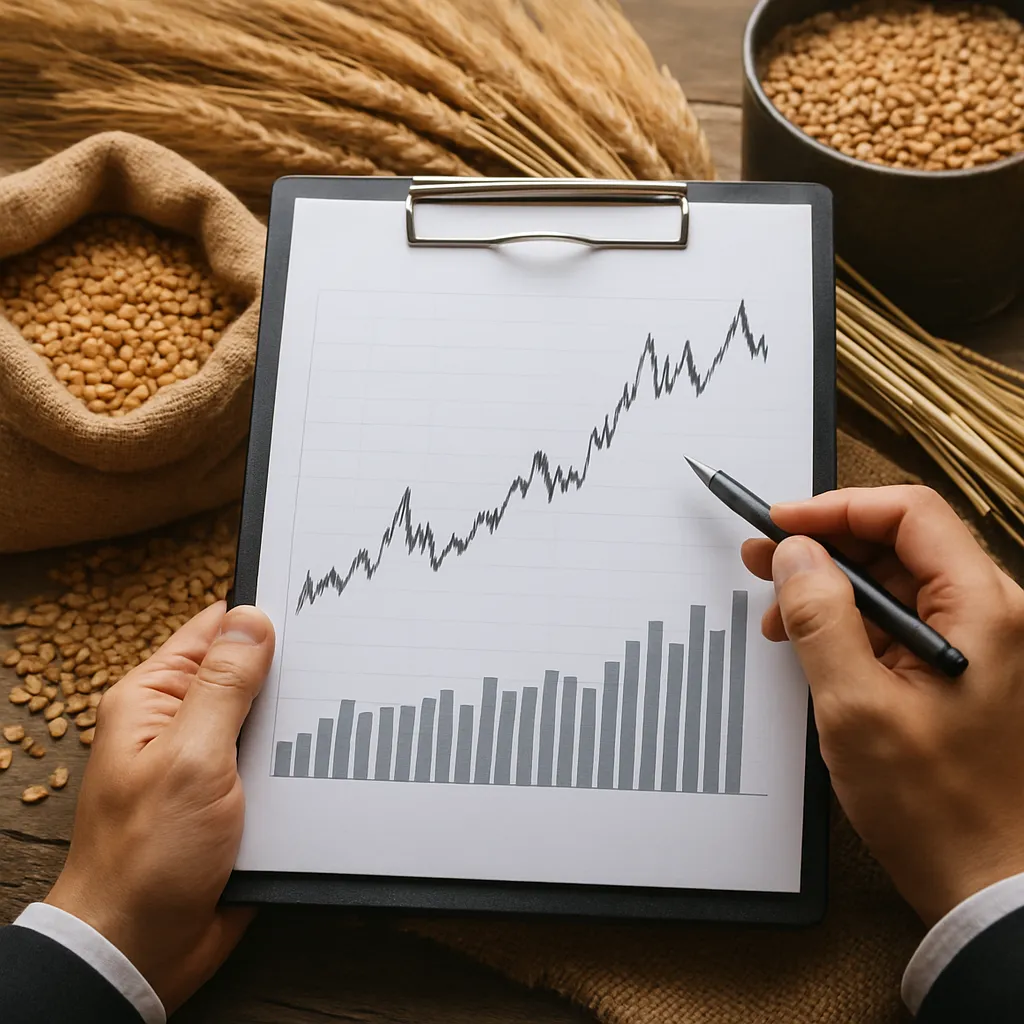
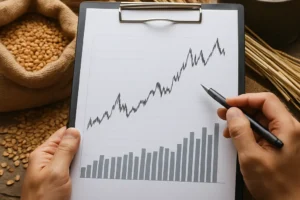
Carry costs influence pricing structures across the supply chain, prominently reflected in the forward curve. A contango market—where future prices exceed spot prices—signals positive carry costs, incentivizing storage. Conversely, backwardation indicates negative carry, prompting immediate sales. Traders monitor these patterns closely to execute arbitrage strategies, storing grain when contango margins exceed expenses and selling when conditions invert.
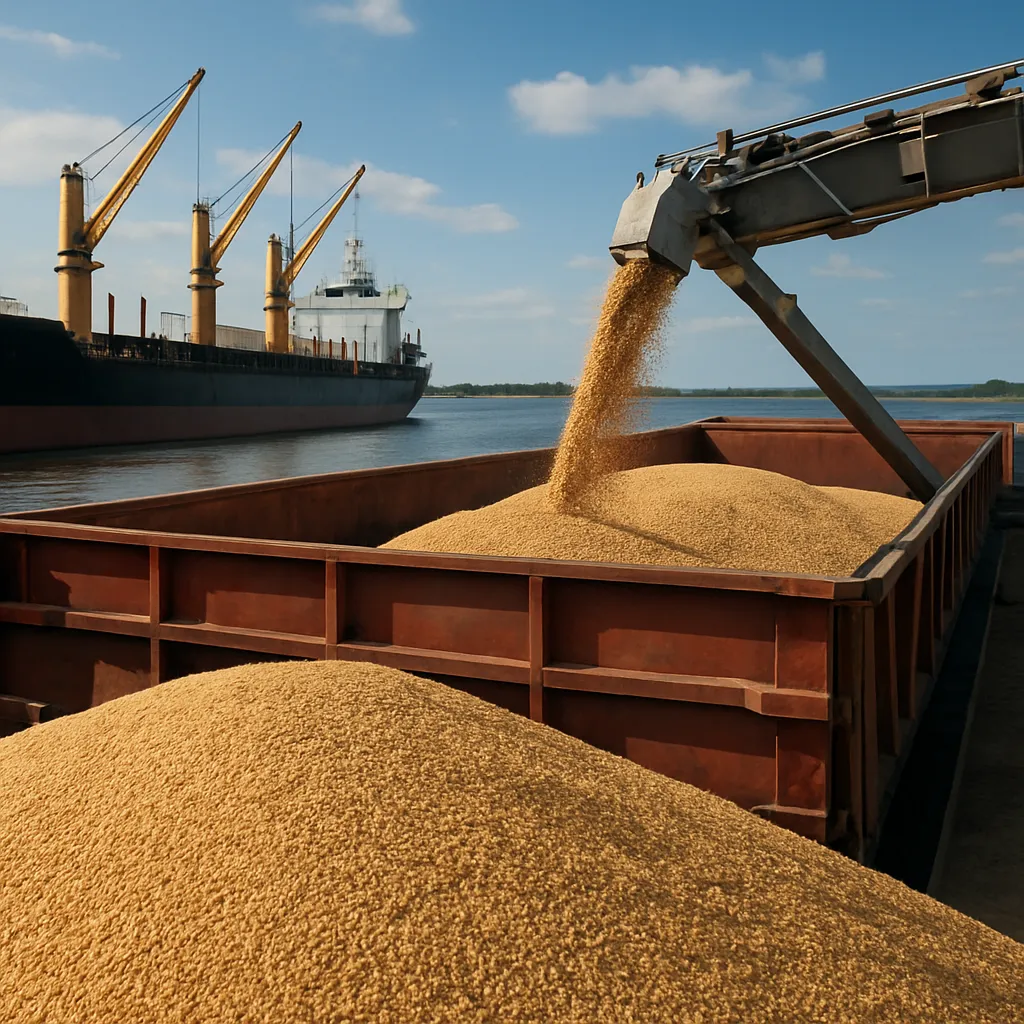
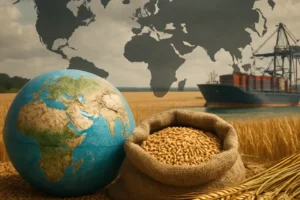
International trade flows respond dynamically to carry conditions. High storage costs in one region may divert exports to alternative suppliers offering more attractive forward pricing. This reallocation affects global basis levels, shaping local-to-world price relationships. Governments and industry bodies track carry cost indicators to inform policy decisions on stockpiling, export quotas, and infrastructure investments.
Ultimately, mastering carry costs enhances market resilience. Producers who skillfully manage storage, financing, and risk mitigate volatility, capture seasonal premiums, and secure improved returns. As digital platforms streamline trading and analytics, stakeholders gain greater visibility into cost drivers, empowering data-driven decisions. In a landscape defined by shifting weather patterns, geopolitical tensions, and fluctuating demand, efficient carry cost management remains a foundational pillar of sustainable grain markets.