



The concept of basis plays a pivotal role in the grain trade, bridging the gap between cash market prices and futures quotations. Understanding how basis behaves can empower growers, grain merchants, and end users to make informed decisions, mitigate risk, and optimize revenue. This article explores the nuances of basis, examines the drivers behind its fluctuations, and outlines practical strategies for effective risk management in today’s dynamic grain marketplace.
Definition and Significance of Basis
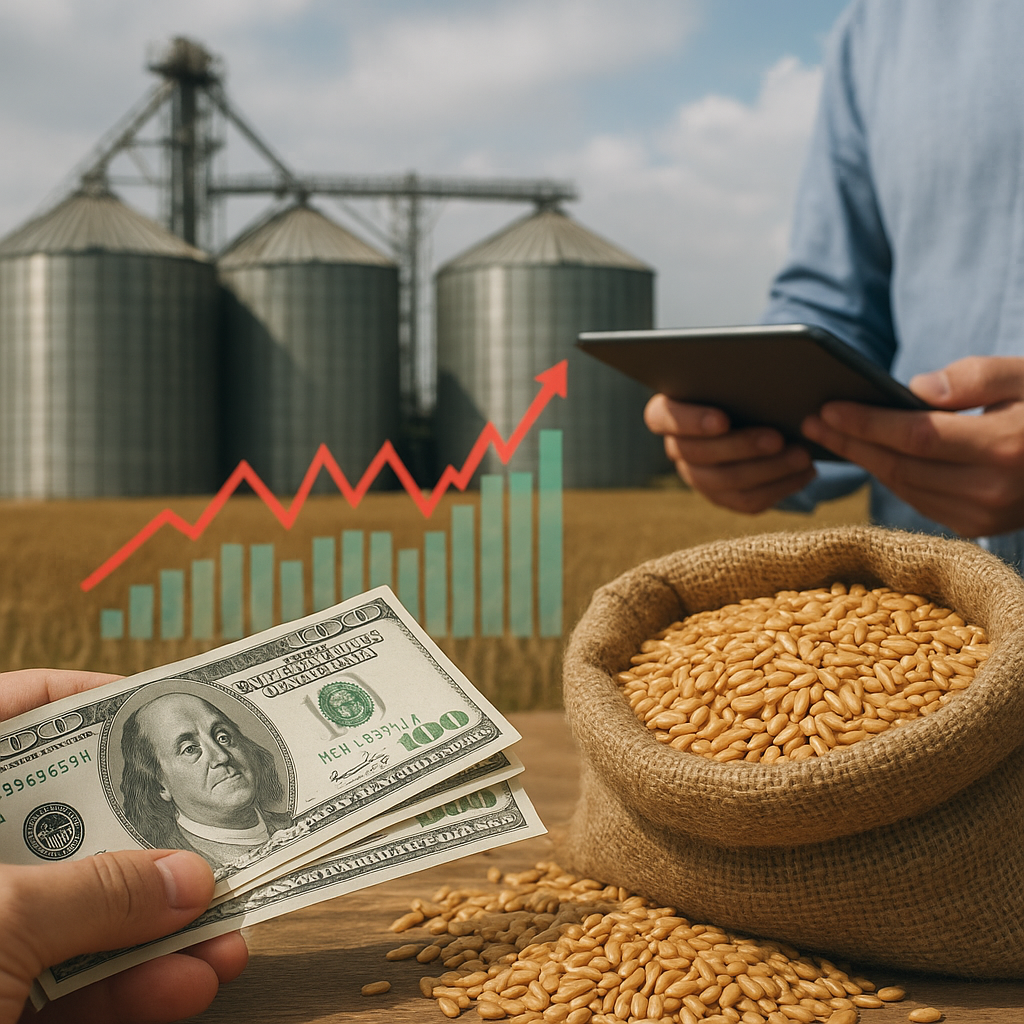
At its core, basis is the difference between the local cash price of a commodity and the corresponding futures price quoted on a recognized exchange. Mathematically, it can be expressed as:
- Basis = Cash Price – Futures Price
When the basis is positive, cash prices exceed futures, indicating strong local demand or tight supply. Conversely, a negative basis suggests weaker local conditions relative to futures. Producers and buyers scrutinize this spread to identify profitable opportunities and to gauge market sentiment.
The importance of basis extends beyond mere pricing. It serves as a barometer for:
- Local supply-and-demand dynamics
- Transportation capacity and infrastructure efficiency
- Storage availability and carrying costs
- Regional export or milling demand
By monitoring basis levels over time, stakeholders can detect emerging trends, anticipate price reversals, and tailor their marketing plans accordingly. A stable basis environment reduces uncertainty, whereas volatile spreads can amplify risk and necessitate more active management.
Key Drivers of Basis in Local Markets
Basis fluctuations are rarely arbitrary; several fundamental factors interact to shape local cash price relative to futures. Awareness of these drivers is essential for market participants looking to interpret signals correctly and act decisively.
Transportation and Logistics Constraints
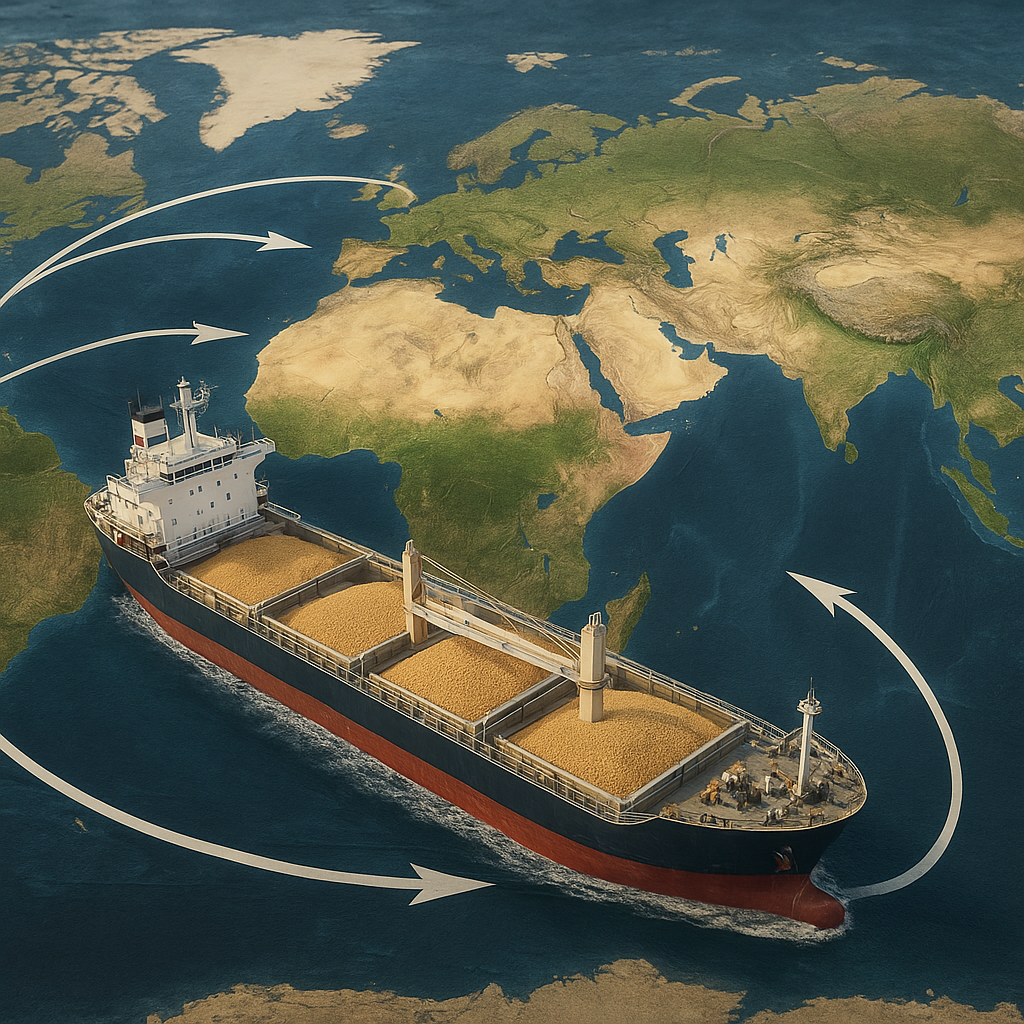
Distance to major delivery points, seasonal congestion, and policy changes can all affect the cost of moving grain. When railcars or barge space tightens, local cash bids may adjust to reflect higher freight costs. An unexpected rail blockade or port backlog might push the basis deeper into a discount as buyers factor in loading delays.
Regional Supply and Demand Balances
Grain availability in a specific area can swing dramatically based on recent harvest yields, crop quality, and quality discounts for protein or moisture content. Surpluses often lead to widening negative basis as producers compete to unload grain, whereas local shortages tighten basis, sometimes creating a premium above futures.
Storage and Carrying Charges
When warehouse rates rise due to limited capacity or increased handling fees, the cost to carry grain until a more favorable delivery date influences the basis. Seasonal patterns, such as post-harvest buildup or spring planting withdrawals, cause predictable shifts in storage demand and thus in the local cash-futures spread.
Government Policies and Export Programs
Subsidies, export incentives, or regulatory adjustments can reshape international competitiveness. For instance, a new export credit guarantee may boost demand for local origin grain, lifting basis levels. Conversely, tightening of phytosanitary regulations might restrict cross-border trade, depressing cash prices relative to futures.
Strategies for Managing Basis Risk
Effective grain marketing involves not only forecasting futures prices but also actively managing basis exposures. Employing structured tactics can protect margins and ensure more predictable outcomes.
- Hedging with futures or options:
- Lock in a futures price and then watch local basis; when basis is attractive, deliver or sell cash grain.
- Use options to cap downside risk while retaining upside potential if cash and futures converge favorably.
- Basis contracts:
- Enter into agreements fixing the basis differential in advance, leaving the futures leg to be managed externally.
- Benefit from greater certainty on the local cash component while still participating in favorable futures moves.
- Storage and timing decisions:
- Monitor seasonal basis trends to time the sale of grain when local premiums are historically strongest.
- Consider on-farm or commercial storage to delay sale until a targeted basis move occurs.
- Geographic arbitrage:
- Compare basis levels across different locations and capitalize on regional spreads.
- Transport grain to areas with the most advantageous basis, after accounting for freight and handling costs.
Analyzing Basis Trends: Data and Tools
Modern grain professionals leverage a suite of analytical resources to monitor and forecast basis movements:
- Online grain marketing platforms with real-time cash bids in multiple elevators
- Interactive basis charts overlaying local versus futures trends
- Satellite imagery and weather analytics projecting crop conditions
- Economic reports covering export volume, domestic consumption, and inventory levels
Combining these data feeds with historical patterns allows for robust basis modeling. Many risk managers employ software that integrates basis metrics into overall margin simulations, ensuring that both futures prices and local spreads are factored into strategic decisions.
Emerging Trends and Technological Innovations
Advances in precision agriculture and supply chain transparency are reshaping basis analysis. Blockchain-enabled grain tracking enhances confidence in quality and origin, reducing price differentials caused by uncertainty. Meanwhile, artificial intelligence models now predict regional basis swings based on machine learning applied to weather, logistics, and market data.
Other notable developments include:
- IoT-enabled storage sensors that update carrying-cost estimates in real time
- Automated bid-aggregation tools scanning hundreds of elevators for the best available basis
- Mobile apps providing timely alerts on basis thresholds, allowing rapid execution of basis contracts
Such innovations help market participants capitalize on fleeting basis opportunities and minimize exposure to unexpected market shifts.
Common Pitfalls and Best Practices
Even experienced grain traders can fall into basis-related traps if they overlook key considerations:
- Rushing hedges without understanding seasonal basis cycles
- Assuming futures moves guarantee equal changes in local cash prices
- Ignoring freight or quality-adjustment costs when comparing regional bids
Adopting disciplined practices can enhance outcomes:
- Document and review past basis performance for each delivery point
- Establish clear marketing plans that define target basis levels before selling
- Stay informed on infrastructure projects and regulatory changes that may alter logistics costs
By marrying quantitative analysis with on-the-ground intelligence, grain market participants can navigate basis fluctuations with confidence and precision.