



Recent shifts in dietary patterns and agricultural practices are reshaping the global landscape of grain consumption. This article delves into evolving trends across major grain staples, examines regional disparities, and highlights the driving forces behind market fluctuations and future prospects.
Global Overview of Grain Consumption
The synergy between production and consumption has become more complex as populations grow and income levels rise. Wheat, rice, maize and barley remain the cornerstones of food security, supplying over 50% of global caloric intake. However, changing preferences for processed foods, plant-based diets and biofuel feedstocks are altering traditional grain flows.
Key Statistics
- Annual world grain output surpassed 2.8 billion tonnes in the latest cycle.
- Per capita consumption varies from 150 kg to 200 kg for wheat in developed nations, versus 50–70 kg in low-income countries.
- Maize utilization for animal feed accounts for nearly 60% of total maize consumption globally.
These figures underscore the scale at which grain underpins both direct human nutrition and industrial applications. The balance between supply and demand remains delicate, influenced heavily by external shocks such as extreme weather, trade policy shifts and currency volatility.
Regional Patterns and Emerging Markets
Regional consumption profiles are shaped by cultural traditions, economic development and local agro-ecological conditions. While North America and Europe maintain stable consumption levels, Asia and Africa are witnessing rapid growth driven by population booms and evolving diets.
Asia’s Expanding Appetite
- China and India alone account for over 40% of global rice and wheat consumption.
- Rising urbanization has increased demand for processed grain products, boosting imports of wheat flour and starch derivatives.
- Investment in innovation such as precision farming and high-yield seed varieties is key to meeting regional needs.
Africa’s Accelerating Demand
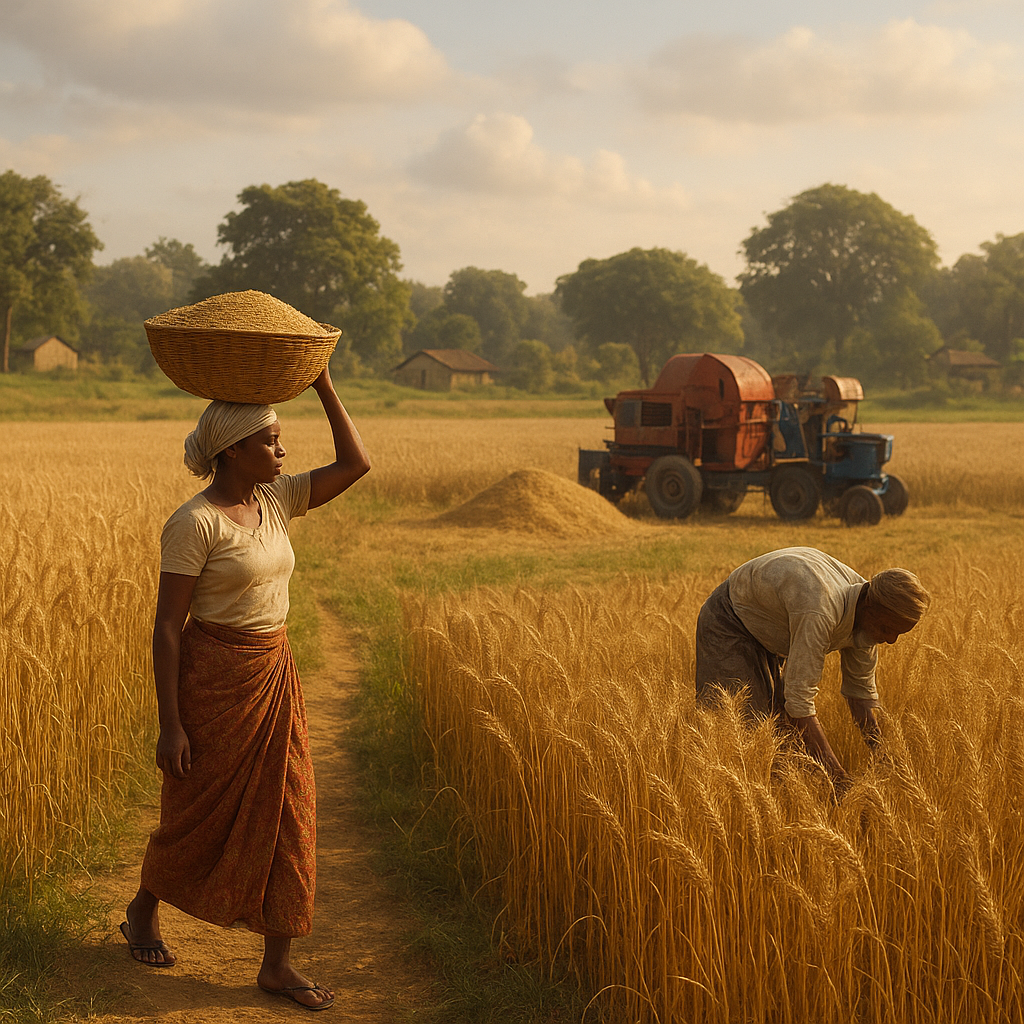
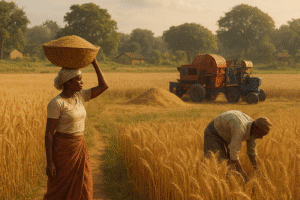
- Per capita consumption remains below global averages, but growth rates exceed 3% annually.
- Infrastructure gaps and logistical bottlenecks often lead to unpredictable supply chain disruptions.
- Regional initiatives aim to enhance cross-border trade and bolster local production capacity.
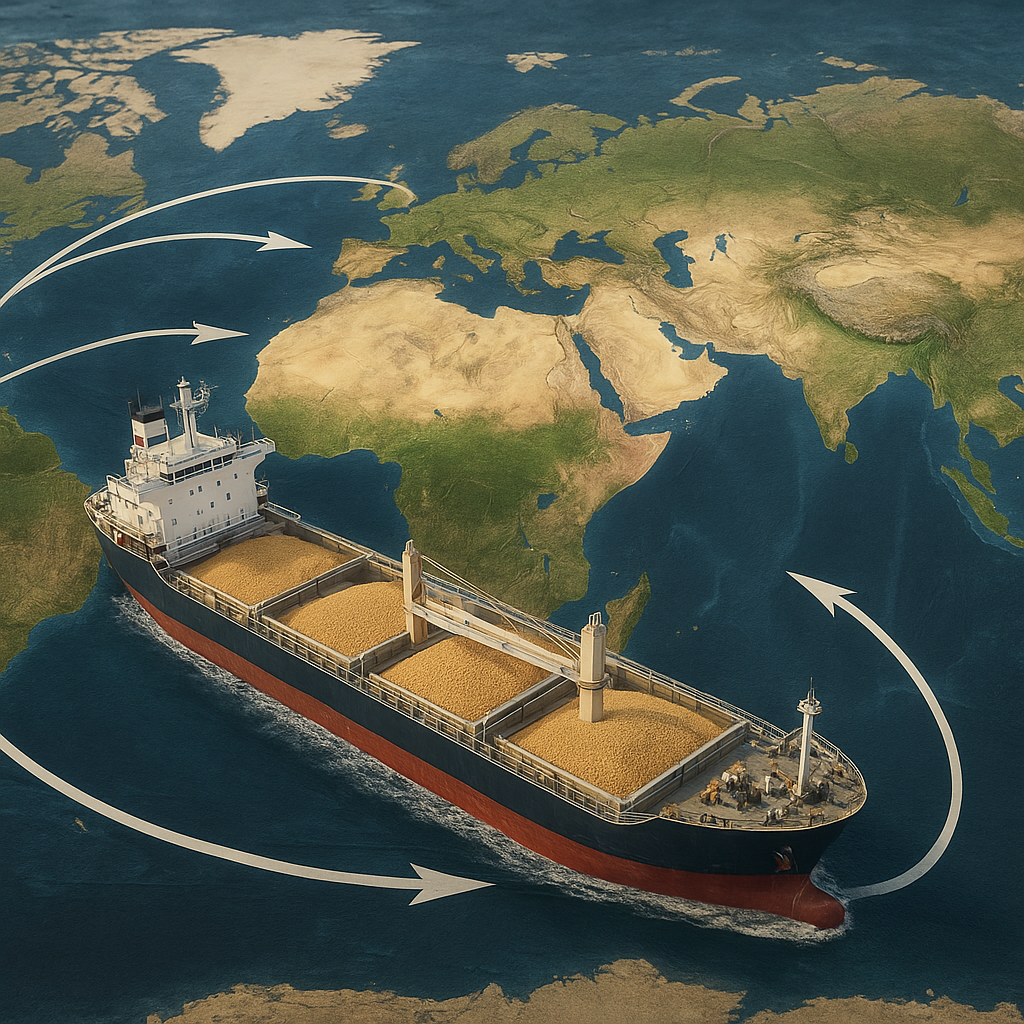
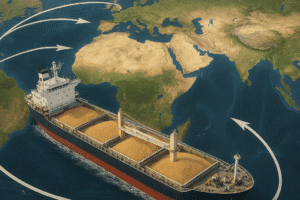
Meanwhile, Latin America and the Middle East are refining their roles as both exporters and importers, leveraging climatic advantages or strategic port access. This interplay of regional strengths and weaknesses shapes global commodity flows.
Drivers of Change in the Grain Sector
Understanding the major catalysts behind consumption trends is essential for stakeholders across the value chain. Four primary factors stand out:
1. Climate Variability and Environmental Stress
- Erratic rainfall patterns and rising temperatures affect yield stability in key breadbaskets.
- Water scarcity intensifies competition between food crops and industrial uses, such as bioethanol production.
- Growing emphasis on sustainability compels farmers to adopt conservation tillage and crop rotation techniques.
2. Technological Advancements and Innovation
- Advances in genetic modification and CRISPR gene editing are producing drought-tolerant and pest-resistant grain varieties.
- Digital agriculture—using satellite imagery, IoT sensors and data analytics—optimizes input application and predicts disease outbreaks.
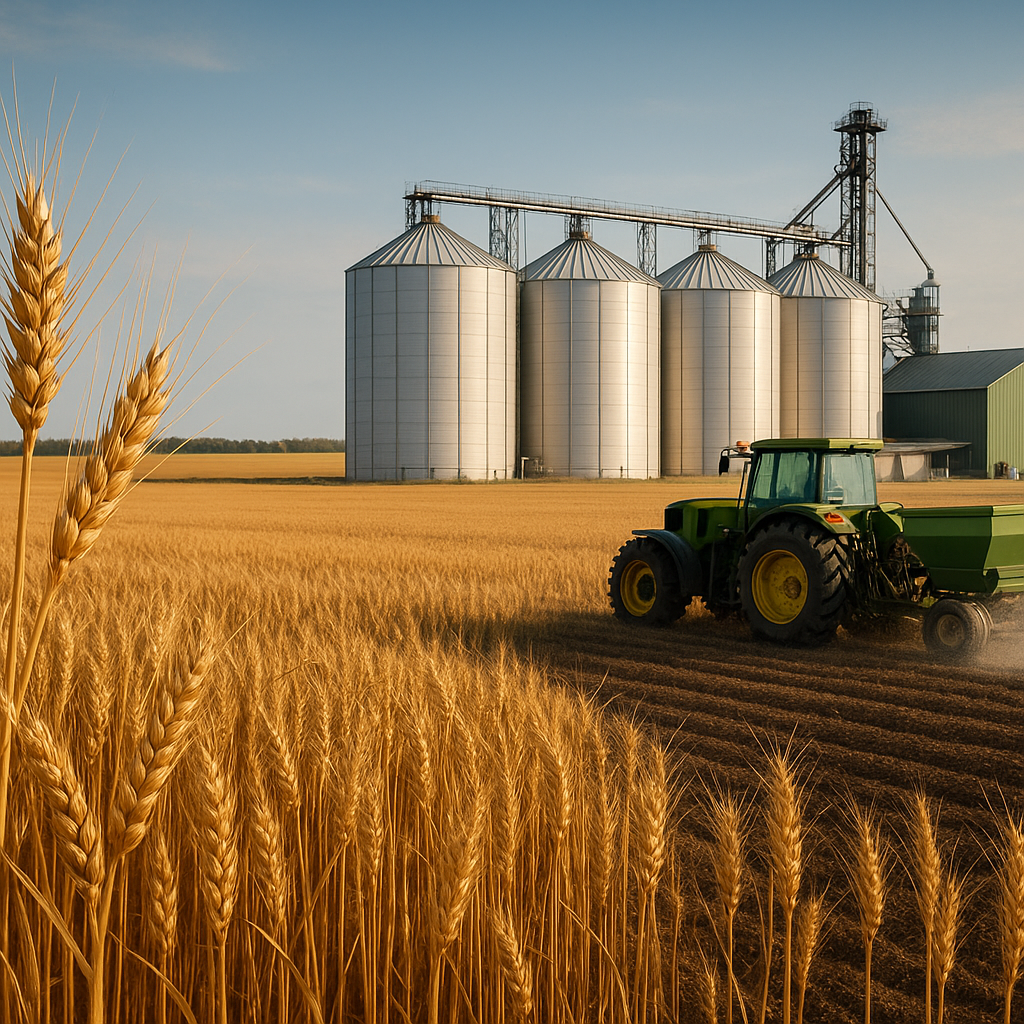
- Automation in harvesting and post-harvest handling reduces losses and maintains quality along supply chains.
3. Policy Frameworks and Trade Agreements
- Tariff adjustments and non-tariff barriers influence regional pricing and market access.
- Strategic reserves and export restrictions can trigger global price volatility.
- International collaborations, such as the African Continental Free Trade Area, aim to smooth intra-regional grain flows.
4. Changing Consumer Preferences
- Rising interest in whole grains, ancient cereals (e.g., quinoa, millet) and gluten-free products.
- Health and wellness trends driving demand for high-fibre and low-glycemic-index grains.
- Ethical and organic certification programs influence purchasing decisions in premium markets.
Market Dynamics and Price Volatility
Grain markets have long been characterized by cyclical swings in prices. Several forces shape these fluctuations:
Supply Shocks
- Severe droughts or floods in major producing regions can cut harvests by over 20% in a single season.
- Pests and diseases, such as locust outbreaks, pose sudden threats to vast tracts of farmland.
Geopolitical Tensions
- Trade sanctions and embargoes disrupt traditional export routes, pushing buyers to seek alternative suppliers.
- Currency devaluations affect import costs for grain-dependent nations, often at the expense of smallholder farmers.
Speculative Trading
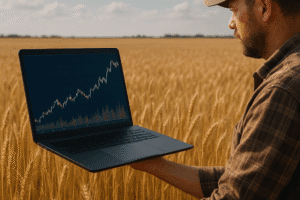
- Futures markets allow hedging but can also amplify price swings when speculative capital enters or exits positions en masse.
- Transparency measures, including improved reporting standards, help reduce informational asymmetries.
Collectively, these factors contribute to a complex and often unpredictable market environment. Stakeholders must blend risk management tools with real-time data to navigate volatility effectively.
Strategies for Enhancing Resilience
Building a robust global grain system requires coordinated action at farm, industry and policy levels. Key strategies include:
Diversification of Cropping Systems
- Intercropping and cover cropping improve soil health and reduce dependence on a single staple.
- Incorporating legumes and oilseeds enhances nutrient cycling and market flexibility.
Strengthening Supply Chains
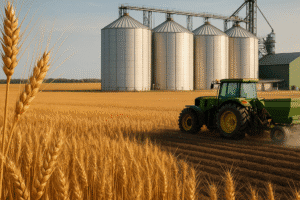
- Upgrading storage facilities to minimize post-harvest losses, which can exceed 15% in some regions.
- Implementing blockchain-based traceability systems to build consumer trust and ensure quality.
Investing in Human Capital
- Training farmers in climate-smart practices and integrated pest management.
- Supporting agribusiness entrepreneurship to create local processing and value-added opportunities.
Policy Integration and Collaboration
- Aligning agricultural, trade and environmental policies to promote equitable growth.
- Fostering public–private partnerships to fund research and infrastructure expansion.
These measures, when combined, enhance the resilience of the grain sector and help safeguard food security for millions worldwide.