




The grain market stands as one of the most dynamic and complex sectors of global agriculture. This article examines the multifaceted role that speculators play in shaping prices, influencing liquidity and facilitating risk transfer. By delving into historical precedents, trading mechanisms and emerging trends, readers will gain a comprehensive understanding of how market participants—beyond traditional producers and consumers—impact the grain supply chain.
Origins of Grain Speculation
Speculative trading in grains traces back centuries to the earliest commodity exchanges, where merchants sought to lock in prices ahead of harvests. Over time, the development of the futures market provided a formal structure for these transactions. Initially created to help hedgers—such as farmers and millers—protect themselves from adverse price swings, speculation evolved as traders recognized profit opportunities from anticipating market moves.
Key milestones in this evolution include:
- The formation of the Chicago Board of Trade in 1848, which standardized contracts for wheat and corn.
- Post–World War II advancements in communications, enabling faster price discovery across continents.
- Integration of electronic trading in the late 20th century, drastically increasing transaction speed and volume.
Throughout these phases, speculators have added liquidity to the market by constantly buying and selling contracts, ensuring that risk-transferring instruments remain accessible to all participants.
Mechanisms and Trading Strategies
Speculators deploy a variety of tactics to capture gains from price differentials, often using leverage to amplify their exposure. The most common tools include:
- Futures contracts: Obligating the purchase or sale of a specified quantity of a commodity at a future date and predetermined price.
- Options: Granting the right, but not the obligation, to transact at a set price, offering more flexible risk profiles.
- Cash and carry arbitrage: Exploiting price discrepancies between spot and futures markets by buying the physical grain while selling futures contracts.
- Spread trading: Simultaneously buying and selling related contracts (for example, wheat versus corn) to profit from relative price movements.
These strategies hinge on accurate forecasting of supply and demand drivers—weather patterns, geopolitical events, currency fluctuations and logistical disruptions. Advanced data analytics and real-time market feeds empower speculators to fine-tune their positions, yet they also heighten systemic interconnectedness and the potential for rapid price swings.
Impact on Volatility and Market Efficiency
Although often portrayed negatively, speculators perform critical roles in enhancing market efficiency. By reacting to new information, they help embed fresh supply-demand data into prices, facilitating smoother resource allocation. Their presence counterbalances the more conservative actions of hedgers, who typically prefer to lock in stable prices.
On the other hand, excessive speculation can accentuate volatility, especially when large players accumulate outsized positions. Such concentration may lead to abrupt price spikes or collapses, as forced liquidations create cascading effects across related commodity markets. Key contributions include:
- Improving price discovery: By actively bidding and offering, speculators narrow bid–ask spreads, making it easier for farmers and processors to transact.
- Providing liquidity: Heightened trading volume ensures that contracts can be entered and exited without significant price disruption.
- Transferring risk: Speculators assume volatility risk from producers, allowing them to focus on core agricultural activities.
Ultimately, a balanced level of speculation is essential: too little, and the market becomes illiquid and unresponsive; too much, and it risks destabilizing basic food supply chains that millions depend upon.
Regulatory Environment and Risk Controls
Given the dual nature of speculative activity, authorities worldwide have instituted measures to align trading behavior with broader economic interests. Among the most prominent regulatory frameworks are position limits, reporting requirements and anti-market-manipulation rules.
Risk Controls and Limits
- Position limits cap the number of contracts a single entity can hold, preventing excessive concentration.
- Daily price fluctuation limits suspend trading if benchmarks move beyond preset thresholds, allowing market participants to reassess risks.
- Margin requirements mandate collateral deposits, ensuring that traders maintain sufficient funds to meet potential losses.
- Transparency measures require large traders to disclose their holdings, enabling regulators to monitor accumulation trends.
In addition, exchanges often implement circuit breakers to pause trading during periods of extreme price movements. These safeguards aim to curb panic-driven selling or buying, which can exacerbate market dislocations.
Meanwhile, firms employ sophisticated risk management practices—stress testing portfolios, diversifying across commodities and using volatility-based hedges—to mitigate potential blow-ups stemming from leveraged speculation.
Emerging Trends and Technological Innovation
The grain market continues to transform as new technologies and global pressures reshape trading dynamics. Algorithmic strategies now execute thousands of orders in milliseconds, exploiting minute price inefficiencies across international platforms. Meanwhile, blockchain initiatives promise to enhance supply-chain traceability, linking physical grain movements to digital tokens and potentially creating novel trading instruments.
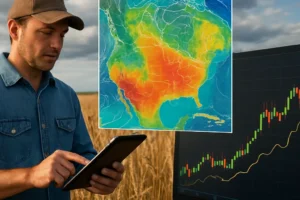
Speculators must also navigate evolving environmental considerations. Climate variability influences crop yields unpredictably, prompting the integration of satellite imagery, weather models and AI-driven forecasts into trading algorithms. These tools help refine demand projections, but they also underscore the complexity of accurately pricing a commodity that depends heavily on nature’s whims.
Looking forward, key factors that will influence speculative behavior in the grain market include:
- Geopolitical shifts affecting export controls and trade agreements.
- Advancements in agricultural biotechnology, altering supply dynamics.
- Financial market linkages, where macroeconomic trends drive cross-asset flows into commodity futures.
- Regulatory evolutions addressing digital assets and tokenized commodities.
As these developments unfold, speculators will remain central to ensuring that the grain market adapts, balancing risk and opportunity in an ever-changing landscape.