





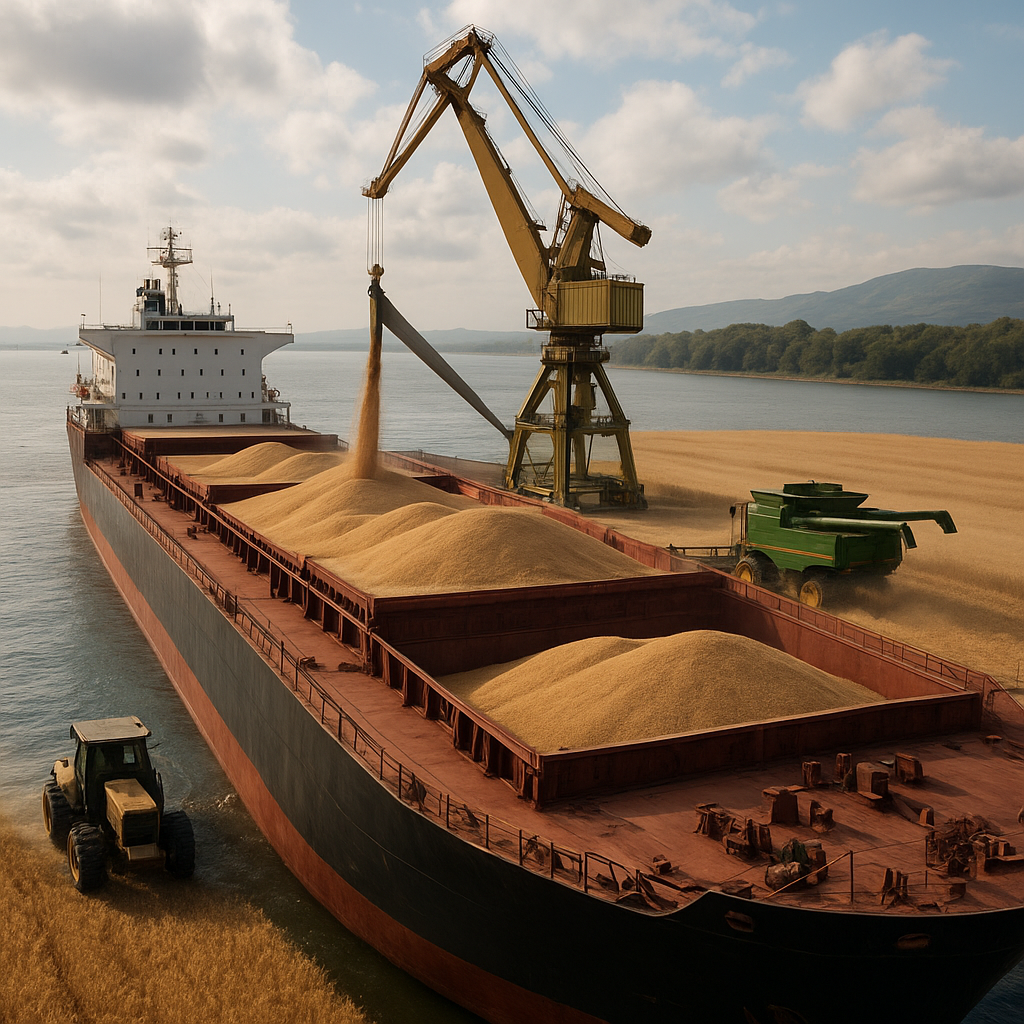
Latin America has emerged as a pivotal player in the global grain supply chain, combining vast arable lands, diverse climates, and a growing emphasis on modern agricultural practices. From the rolling pampas of Argentina to Brazil’s cerrado and Mexico’s fertile valleys, this region has steadily increased its share of the world’s cereal, oilseed, and pulse production. Technological advances, strategic investments in infrastructure, and evolving trade agreements have further strengthened Latin America’s capacity to meet burgeoning global demand.
Expanding Production Landscape
Latin America’s agricultural expansion has been driven by both natural advantages and deliberate policy initiatives. Argentina, Brazil, and Paraguay have converted millions of hectares of grasslands into highly productive fields, while Mexico and Colombia leverage mountainous terrain for specialized cultivation. These varying agroecological zones offer unique production portfolios:
- Argentina: Major producer of wheat and maize, benefiting from temperate climates and high-yield farming techniques.
- Brazil: World-leading exporter of soybeans and corn, capitalizing on the cerrado region and extensive research by EMBRAPA.
- Mexico: Key supplier of sorghum and barley, with growing wheat output in northern states.
- Paraguay: Rapidly expanding soybean and corn farming, with a focus on smallholder integration and mechanization.
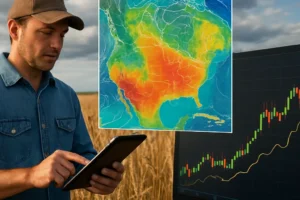
Beyond sheer acreage, Latin American farmers increasingly adopt precision agriculture technologies—satellite monitoring, GPS-guided equipment, and data analytics—to optimize input use, enhance yields, and reduce environmental impact. This shift reflects an ongoing commitment to innovation and efficiency, essential for competing in global markets with established exporters such as the United States and Russia.
Infrastructure and Logistics Challenges
While production volumes have soared, Latin America’s ability to deliver these commodities to international buyers hinges on robust infrastructure and streamlined logistics. Transport bottlenecks, high port tariffs, and limited rail networks pose significant hurdles. Major corridors include:
- The Paraná–Paraguay waterway, crucial for Argentine and Paraguayan grain shipments to the Atlantic.
- The North–South rail link in Brazil, under development to expedite movement of soy and corn from Mato Grosso to export terminals.
- Pacific coastal routes in Peru and Chile, serving as alternative outlets for Brazilian and Argentine cereals bound for Asian markets.
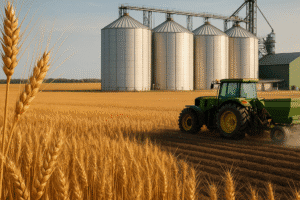
Public-private partnerships are increasingly vital for funding port expansions, paving highways, and modernizing storage facilities. Investment in deep-water terminals and grain elevators not only reduces transit times but also improves grain quality by minimizing spoilage and contamination. Governments are also exploring digital solutions, such as blockchain tracking, to enhance supply chain transparency and trust among global buyers.
Market Dynamics and Trade Patterns
Latin American countries enjoy diversified export destinations. China remains the largest importer of Brazilian soybeans, while the European Union sources wheat and maize from Argentina. Mexico, on the other hand, balances domestic consumption with exports to Central America. The following points illustrate key market dynamics:
- Shift to Asia: Growing Asian demand, particularly from China and Vietnam, has redirected trade flows from traditional Atlantic routes to Pacific ports.
- Trade Agreements: Mercosur partnerships, USMCA, and bilateral pacts with the EU and China facilitate tariff reductions and bolster export competitiveness.
- Price Volatility: Fluctuating global commodity prices force exporters to hedge risks, using futures contracts and currency swaps to stabilize revenues.
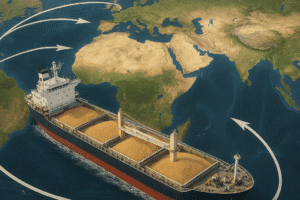
The interplay of exchange rates, shipping costs, and geopolitical tensions has a profound impact on regional exporters. For instance, a weaker Brazilian real makes soy more affordable to foreign buyers, while logistical disruptions in the Panama Canal can reroute shipments through longer paths, increasing expenses and delivery times. To adapt, shippers negotiate multi-modal transport agreements and invest in regional hubs that can serve as transshipment points.
Sustainability and Future Outlook
Environmental concerns and social pressures are reshaping agricultural practices across Latin America. Efforts to uphold biodiversity and reduce deforestation in the Amazon have led to certifications and zero-deforestation commitments by major agribusinesses. Additionally, water management, soil health, and carbon footprint mitigation are central to achieving long-term sustainability. Key initiatives include:
- Agroforestry systems that integrate trees with crops, enhancing carbon sequestration and habitat conservation.
- Cover cropping and no-till methods, preserving soil structure and reducing erosion.
- Renewable energy projects on farms, such as solar-powered irrigation and biogas generation from crop residues.
Looking ahead, the region’s resilience will depend on continued technological adoption, infrastructure improvements, and adaptive policies. Digital platforms that connect farmers with real-time weather data and market intelligence can further optimize planting decisions and price negotiations. Moreover, emerging opportunities in high-value grains, such as quinoa and sorghum, present avenues for diversification. By balancing productivity with environmental stewardship, Latin America is poised to reinforce its status as a cornerstone of the global grain supply chain.