





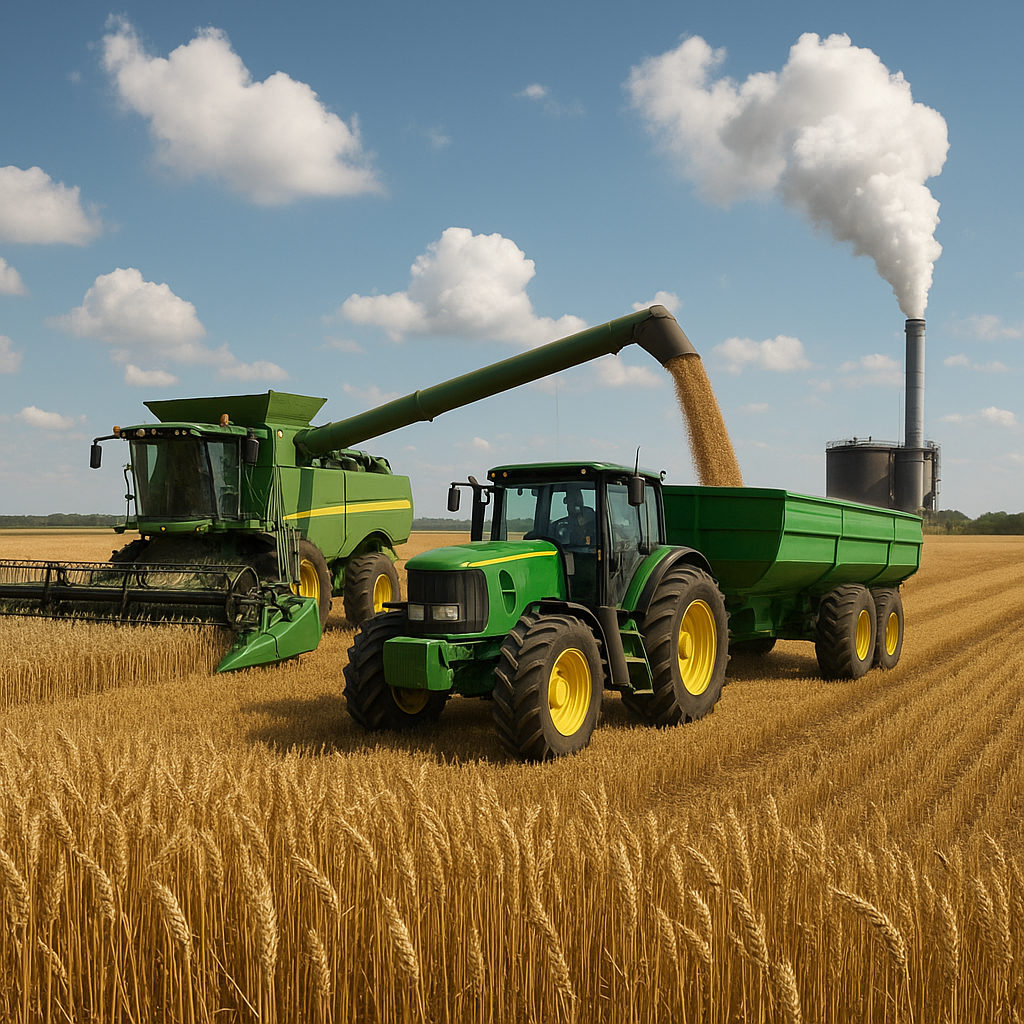
The global interplay between renewable energy initiatives and agricultural markets has transformed the role of grains from purely food and feed commodities into pivotal components of the bioeconomy. As governments and industries prioritize low-carbon alternatives, the grain sector has witnessed a profound shift in demand patterns. This article explores how the expansion of biofuel production influences grain consumption, pricing dynamics, and the broader agricultural landscape, addressing economic, environmental, and policy-driven factors that shape the future of both markets.
Growth of Biofuel Production and Grain Usage
Over the past two decades, the rapid rise of biofuels has reshaped the trajectory of grain markets. Ethanol and biodiesel, the two leading biofuel categories, rely heavily on cereal and oilseed crops. Corn-based ethanol dominates in North America, while sugarcane ethanol leads in Brazil. Meanwhile, the production of biodiesel often incorporates soybean oil, rapeseed, and palm oil. These feedstocks anchor the link between energy policy and agricultural production, driving upgraded milling capacities, storage facilities, and logistics networks to handle surging volumes.
Key factors contributing to this growth include:
- Mandated blending ratios that compel fuel suppliers to integrate a set percentage of biofuel into gasoline or diesel.
- Subsidies and tax incentives designed to reduce greenhouse gas emissions and bolster rural economies.
- Technological advances that have increased conversion efficiencies, lowering production costs and expanding market viability.
As a result, global grain demand for biofuel feedstocks has soared, with corn and wheat acreage adjusting to meet this new energy-driven requirement.
Economic Impacts on Grain Markets
The intersection of energy and agriculture markets produces significant economic reverberations. When crude oil prices hike, biofuel production becomes more competitive, prompting farmers to shift crop allocations toward higher-return feedstocks. This cascading effect influences commodity prices, input costs, and trade balances.
Price Transmission and Volatility
Increased utilization of grains for biofuel can compress available supplies for food and feed, amplifying price signals across global markets. Evidence suggests that spikes in oil prices often translate into elevated corn futures, as producers exploit the lucrative ethanol window. However, this interdependence also introduces market volatility, challenging risk management strategies for agribusinesses and consumers alike.
Trade Flows and Competitiveness
Countries with efficient production systems and supportive regulatory frameworks emerge as biofuel leaders, exporting not only fuel but also influencing grain trade patterns. For instance, U.S. corn ethanol exports have grown, while Argentina and Indonesia leverage palm oil–based biodiesel to capture energy markets. Such shifts affect global competitiveness, compelling major grain exporters to recalibrate both domestic policies and foreign service offerings.
Environmental and Policy Considerations
The push for sustainability and carbon neutrality underpins many biofuel policies. Lifecycle analyses assess the net environmental benefits of biofuels by accounting for land-use changes, fertilizer application, and processing emissions.
Greenhouse Gas Balances
While biofuels can reduce tailpipe CO2 emissions, indirect effects—such as deforestation or diversion of food crops—may offset gains. Advanced biofuels, derived from non-food feedstocks like agricultural residues and algae, aim to minimize competition with food crops and further lower net emissions.
Regulatory Frameworks
Key legislation, including renewable fuel standards and carbon pricing mechanisms, shapes biofuel uptake. In jurisdictions where policy certainty prevails, investment flows toward infrastructure and research, bolstering second-generation biofuel projects. Conversely, abrupt policy reversals can stall progress, leaving facilities underutilized and farmers exposed to demand swings.
Implications for Food Security and Rural Development
Redirecting grains toward fuel production raises concerns about food availability, particularly in regions vulnerable to supply disruptions. Balancing energy and nutritional needs requires multi-faceted strategies:
- Implementing flexible mandates that adjust blend rates in response to food price crises.
- Supporting smallholder farmers through extension services and access to markets, enabling them to benefit from biofuel-driven demand without compromising local food supplies.
- Investing in yield-enhancing technologies—such as precision agriculture and drought-resistant varieties—to increase overall production sustainably.
When managed effectively, the integration of biofuel crops into agricultural systems can catalyze rural development, create jobs, and stimulate ancillary industries, from equipment manufacturing to logistics.
Future Trends and Innovations
Emerging technologies and shifting market conditions will continue to redefine the grain-biofuel nexus. Promising areas include:
- Cellulosic ethanol derived from crop residues, which reduces competition with food grains and leverages existing biomass streams.
- Genetically optimized energy crops that yield higher lipid content or sugar profiles better suited for conversion processes.
- Integrated biorefineries that co-produce fuels, chemicals, and animal feeds, maximizing resource efficiency.
- Advanced policy frameworks linking biofuel mandates to verified sustainability metrics, encouraging carbon credit trading and cross-border cooperation.
These developments underscore the evolving role of renewable energy in shaping agricultural landscapes. As nations pursue decarbonization targets, the synergy between grain markets and biofuel production will remain a dynamic frontier, demanding continual adaptation from producers, processors, and policymakers alike.