



The stability of global cereal production faces constant threats from various insect and pathogen pressures. Effective grain cultivation demands not only fertile soil and favorable weather but also robust defenses against relentless invasions by pests. Understanding the intricate relationship between outbreak dynamics and market consequences equips stakeholders with tools to safeguard both food security and financial returns.
Understanding Pest Dynamics in Grain Cultivation
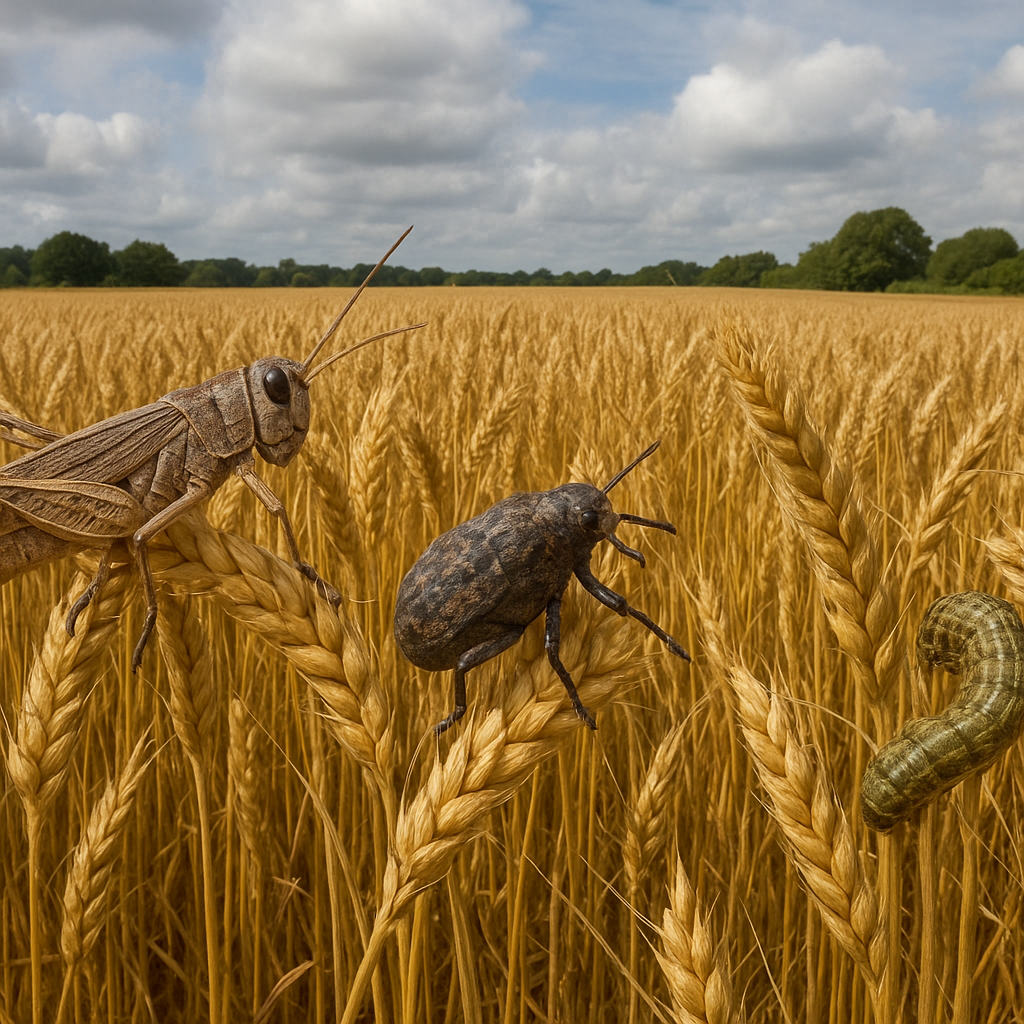
Pest species such as aphids, armyworms, and certain fungi can drastically lower yield potential by feeding on plant tissues or transmitting diseases. These organisms multiply rapidly under favorable conditions, leading to sudden pest outbreaks that overwhelm crop defenses. Key factors influencing outbreak severity include:
- Weather patterns: Warm, humid conditions accelerate insect reproduction and fungal growth.
- Monoculture practices: Large expanses of a single grain species reduce natural barriers to spread.
- Resistance breakdown: Overreliance on certain resistant varieties can lead to adaptive pest populations.
Ecologists emphasize that a comprehensive grasp of pest biology—life cycles, dispersal mechanisms, and host preferences—is necessary for timely interventions. Remote sensing and field scouting complement one another to assess infestation levels and trigger management actions.
Economic Consequences of Pest Infestations
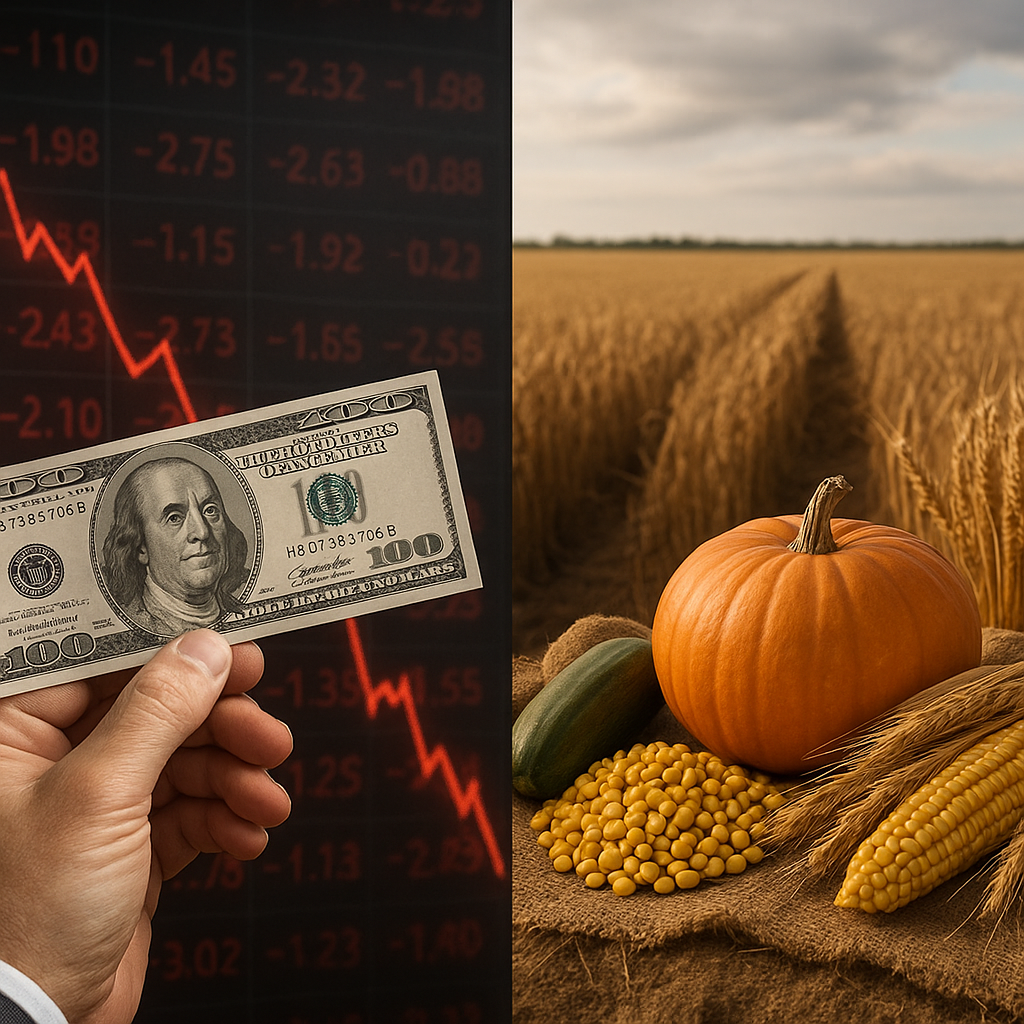
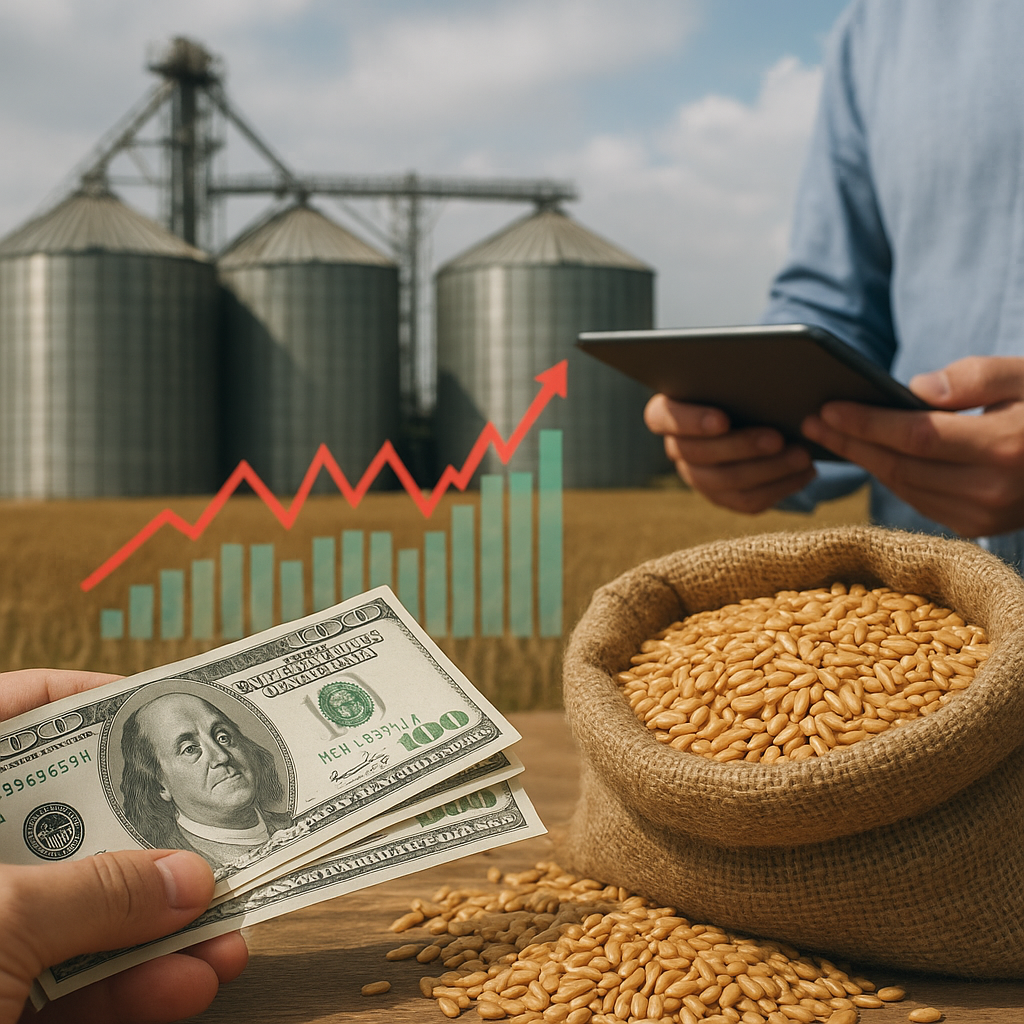
Global grain markets reflect supply shocks promptly. A significant infestation in major producing regions can depress international stocks and spike prices. For example, a locust swarm in a top wheat-exporting country can translate into hundreds of millions of dollars in economic loss. Market participants respond swiftly:
- Traders adjust futures contracts to hedge against shortages.
- Governments release strategic reserves or impose export restrictions.
- Processors seek alternative sourcing, sometimes at higher cost.
These actions often ripple through commodity exchanges, elevating volatility. Consumers may face higher retail prices for bread, pasta, and other staples. Producers, meanwhile, must balance the cost of additional crop protection measures against potential revenue declines.
Strategies for Integrated Pest Management
Adopting an integrated pest management (IPM) framework offers a sustainable path forward. IPM relies on a combination of cultural, biological, and chemical tactics designed to maintain pest populations below economic threshold levels:
- Cultural Controls: Crop rotation and intercropping disrupt pest life cycles.
- Biological Controls: Beneficial insects and pathogens serve as natural predators.
- Selective Pesticides: Targeted applications minimize non-target impacts and resistance buildup.
One pioneering approach involves pheromone trapping to monitor insect flights and deploy control agents more precisely. Enhancing crop diversity on farmland not only deters outbreaks but also builds broader agroecosystem resilience. Education and extension programs play a vital role in equipping farmers with decision-support tools and best-practice guidelines.
Technological Innovations and Future Directions
Advances in digital agriculture open new frontiers for pest surveillance and control. Unmanned aerial vehicles (UAVs) fitted with multispectral cameras detect early stress signs on cereal canopies. Coupled with predictive analytics, such systems forecast likely infestation hotspots before visible damage occurs. Key innovations include:
- Real-time pest population modeling based on weather station data.
- Automated sprayer drones that adjust dosage according to infestation intensity.
- Genetic approaches to develop pest-resistant grain varieties.
Biotechnological breakthroughs, such as RNA interference (RNAi), promise species-specific control options with minimal collateral harm. Meanwhile, global collaboration networks are sharing outbreak data, enabling more coordinated responses. Governments and private firms alike invest in public–private partnerships to catalyze research on novel biopesticides and beneficial microbes.
Policy Implications for Grain Markets
Effective regulation and policy design can enhance the resilience of grain markets against pest-induced shocks. Key policy measures include:
- Funding for public-sector entomology research to keep pace with emerging threats.
- Standardized reporting frameworks for cross-border pest detections.
- Incentives for farmers adopting IPM or conservation agriculture.
Insurance schemes tailored to biological risk factors help producers hedge against unpredictable yield fluctuations. Trade agreements can incorporate phytosanitary provisions to minimize inadvertent pest transfer via imported agricultural goods. Addressing pest pressures thus requires a holistic strategy that blends science, economics, and governance.
Building Sustainable Grain Production Systems
Long-term food security hinges on the ability to manage pest pressures without compromising environmental health. Embracing agroecological principles enhances sustainability by reducing reliance on broad-spectrum chemicals and preserving beneficial organisms. Key components of sustainable systems include:
- Soil health management through cover cropping and minimal tillage.
- Biodiversity corridors that support natural enemies of grain pests.
- Continuous monitoring and adaptive management to respond to evolutionary shifts.
Investment in extension services ensures that the latest IPM techniques reach smallholder farmers in developing regions. Strengthening local capacity fosters self-reliance and reduces vulnerability to market volatility triggered by pest emergencies.
Conclusion
Responding effectively to pest outbreaks is paramount for safeguarding both sustainability and profitability within the global grain sector. By combining cutting-edge technology, robust policy frameworks, and ecologically sound practices, stakeholders can mitigate losses, stabilize markets, and secure the cereal harvests that nourish billions worldwide.