



The transformation of grain market analytics has unfolded over centuries, shaped by innovations in technology, shifts in global trade, and evolving environmental considerations. As the world’s population continues to grow, the demand for grains such as wheat, corn, and rice intensifies, driving stakeholders—from farmers to multinational agribusinesses—to seek cutting-edge tools for decision-making. This article delves into the multifaceted evolution of grain market intelligence, exploring historical milestones, current technological breakthroughs, and the challenges that lie ahead.
Historical Foundations of Grain Market Analysis
Centuries ago, grain trading was dominated by local market observations, word of mouth, and rudimentary record-keeping. Farmers relied on communal knowledge to anticipate weather patterns and plan sowing seasons, while merchants estimated supply and demand based on harvest yields. The advent of print media in the 19th century marked a significant turning point. Newspapers began publishing price quotations, and government statistical bureaus introduced periodic reports on production figures and trade volumes.
The early analytical frameworks, though primitive by today’s standards, laid the groundwork for systematic market monitoring. Key developments included:
- Statistical aggregation: Governments collected data on acreage, yield, and total output, allowing for aggregated insights into national production.
- Price reporting: Exchange boards and commodity markets emerged in major cities, standardizing price quotations for bulk transactions.
- Risk pooling: Grain traders began using basic risk-sharing mechanisms, distributing the burden of crop failures across multiple investors.
Despite these advances, information remained fragmented, and transportation limitations hindered real-time coordination between distant regions. The necessity for more robust forecasting tools became apparent as global trade expanded in the early 20th century.
Technological Innovations Driving Analytics
The latter half of the 20th century ushered in a wave of technological breakthroughs, fundamentally changing how grain markets are analyzed:
- Satellites and remote sensing: Aerial imagery provided unprecedented visibility into crop health and acreage, enabling more accurate yield estimates before harvest.
- Computing power: Mainframes gave way to personal computers and, eventually, cloud infrastructures, democratizing access to complex modeling tools.
- Data integration: APIs and data-sharing platforms connected disparate sources—weather, trade flows, and financial markets—into unified dashboards.
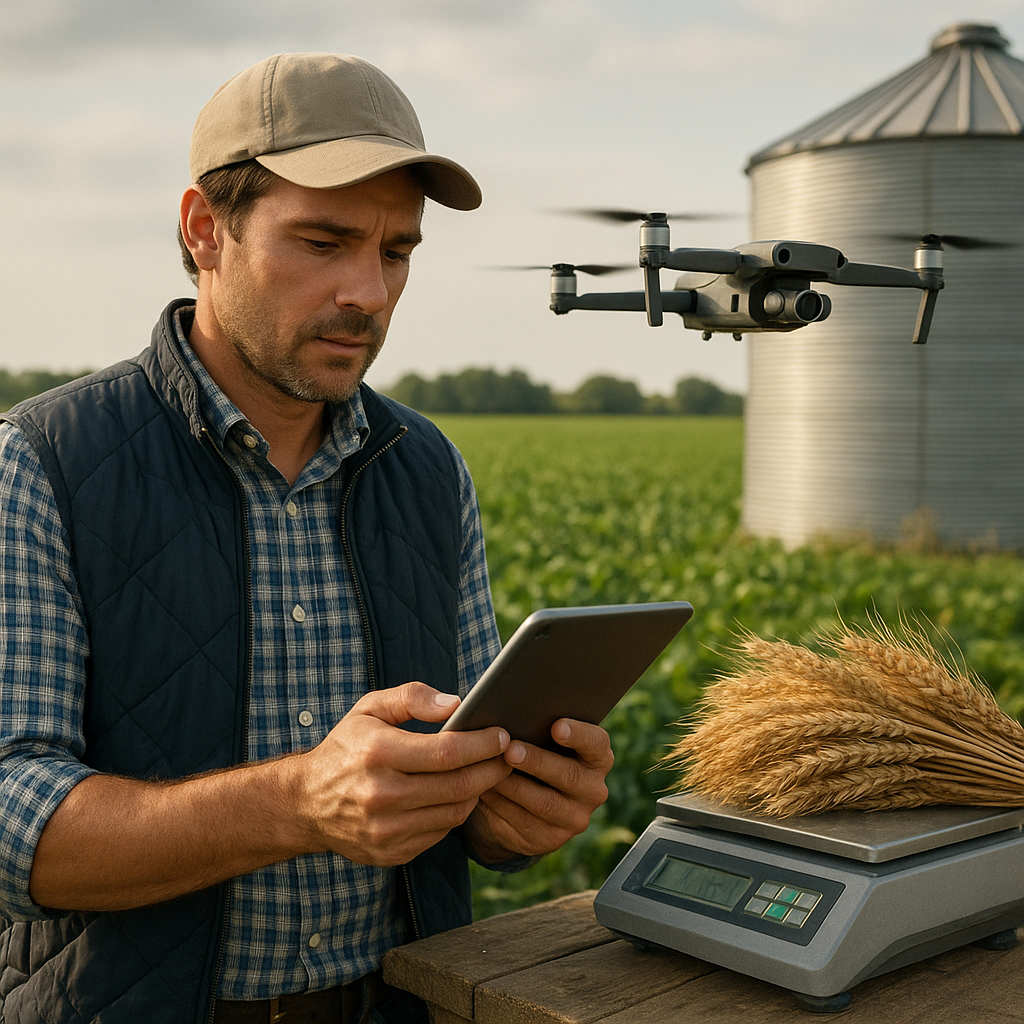
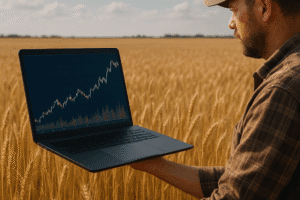
Today’s market participants harness big data from hundreds of sources. By applying predictive modeling, analysts can forecast price movements, detect supply chain bottlenecks, and adjust trading strategies in near real time. Precision agriculture platforms equip farmers with IoT sensors that collect soil moisture, nutrient levels, and local climate readings. These insights, when combined with market signals, help optimize planting schedules and input usage, boosting productivity and minimizing waste.
Moreover, the rise of blockchain technology promises to enhance transparency in grain supply chains. Immutable ledgers record each transaction—from seed sale to final shipment—ensuring traceability and reducing the risk of fraud. Corn traders, for instance, can verify the origin of every bushel, satisfying regulatory requirements and appealing to conscientious consumers.
Case Studies in Grain Market Transformation
Several practical examples illustrate the potency of modern analytics:
- In North America, a cooperative of farmers collaborated to develop a real-time grain auction platform. By pooling harvest data, they achieved more accurate price discovery, reducing market volatility and improving revenue predictability.
- A European trading firm implemented machine learning algorithms to analyze shipping schedules, customs delays, and port congestion. This approach slashed delivery times and cut demurrage costs by over 15%.
- In Southeast Asia, a government agency introduced a mobile app that delivers daily market price updates and planting recommendations to smallholder farmers. The initiative closed information gaps, increased adoption of best practices, and enhanced food security in remote villages.
These success stories underscore the role of market intelligence in driving efficient allocation of resources and promoting equitable growth. Yet, they also reveal disparities in access to technology and education, particularly among underserved farming communities.
Challenges and Future Directions
While the trajectory of grain market analytics is undeniably upward, some obstacles persist:
- Data quality and standardization: Inconsistent reporting formats and missing data can compromise model accuracy.
- Infrastructure gaps: Limited internet connectivity and lack of digital literacy in rural areas restrict adoption of advanced tools.
- Regulatory complexity: Divergent policies across nations complicate cross-border trade analytics.
Looking ahead, industry leaders are prioritizing sustainability metrics within their analytical frameworks. Environmental concerns—such as soil degradation, water scarcity, and greenhouse gas emissions—are now integral to risk assessments. By linking agronomic practices to carbon credits and ecosystem services, stakeholders can incentivize responsible farming.
Emerging frontiers include:
- Edge computing solutions that perform data analysis directly on farm equipment, reducing latency and bandwidth demands.
- Collaborative consortiums that pool anonymized data to overcome privacy barriers while enriching predictive models.
- AI-driven anomaly detection systems that flag irregular patterns in trading activity, enhancing market integrity.
Through continuous innovation and stakeholder collaboration, the grain sector is poised to address global food security challenges while fostering resilient, transparent, and efficient markets.