


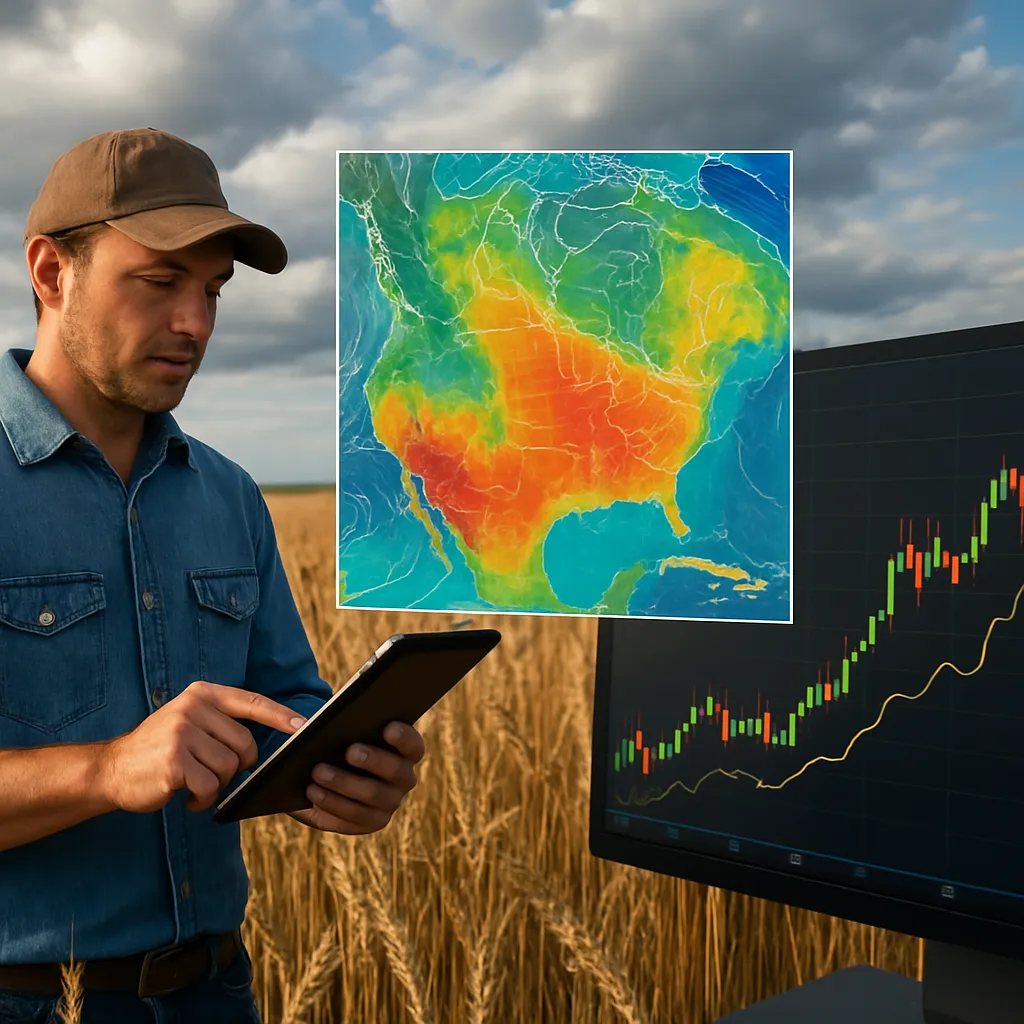
Advancements in weather models have reshaped the landscape of grain market analysis by providing deeper insights into crop yields, supply trends, and price movements. Market participants—from farmers to commodity traders—rely on sophisticated forecasting tools that incorporate atmospheric dynamics and remote sensing data. This article explores how integrating meteorological science into grain market strategies enhances decision-making, reduces exposure to market volatility, and drives more accurate projections for global grain supply.
Understanding the Role of Weather Models in Grain Markets
Weather conditions profoundly influence every stage of grain production, from planting to harvest. Variations in temperature, precipitation, and extreme events like droughts or floods can lead to significant fluctuations in yield. Traditional market forecasts often struggled to capture these dynamics, leading to unexpected price swings. With the advent of advanced weather modelling, analysts now integrate climate variables directly into economic simulations, allowing for a more nuanced assessment of potential outcomes.
- Historical Analysis – Leveraging multi-decade climate records to identify long-term trends and anomalies.
- Short-term Forecasting – Utilizing daily and weekly model outputs to anticipate immediate disruptions.
- Seasonal Outlooks – Projecting seasonal weather patterns to aid strategic planning for planting and logistics.
By understanding these forecasts, agribusiness managers can adjust their planting schedules, inventory buffer levels, and hedging strategies. For example, anticipating a wetter planting season in the Midwest United States can prompt early procurement of drying equipment and increased contract coverage to mitigate spoilage risks.
Key Types of Weather Models and Their Applications
Several modeling frameworks serve different forecasting horizons and scales. Each model type contributes unique strengths, from global circulation simulations to high-resolution regional projections.
Global Climate Models (GCMs)
GCMs simulate interactions between the atmosphere, oceans, land surfaces, and ice. While they operate at coarse spatial scales (typically 100–300 kilometers), these models excel at capturing large-scale patterns such as El Niño–Southern Oscillation and the North Atlantic Oscillation. Grain analysts use GCM outputs for:
- Assessing broad climate trends over months to decades.
- Estimating risks of persistent anomalies like drought conditions in major production regions.
- Advising long-term investment decisions in storage infrastructure and transport networks.
Mesoscale Models
Operating at intermediate resolutions (1–50 kilometers), mesoscale models resolve regional circulations, convective systems, and topographic influences. Key applications include:
- Forecasting heavy rainfall events that can delay harvest operations.
- Detecting frost risks during critical growth phases for wheat and barley.
- Anticipating heatwaves that could accelerate crop maturation and reduce kernel quality.
Nowcasting and Convective-Allowing Models
With resolutions finer than 1 kilometer, these high-frequency simulations focus on short-term events over hours. Grain companies integrate nowcasts to optimize day-to-day logistics:
- Adjusting grain transport schedules around severe thunderstorms.
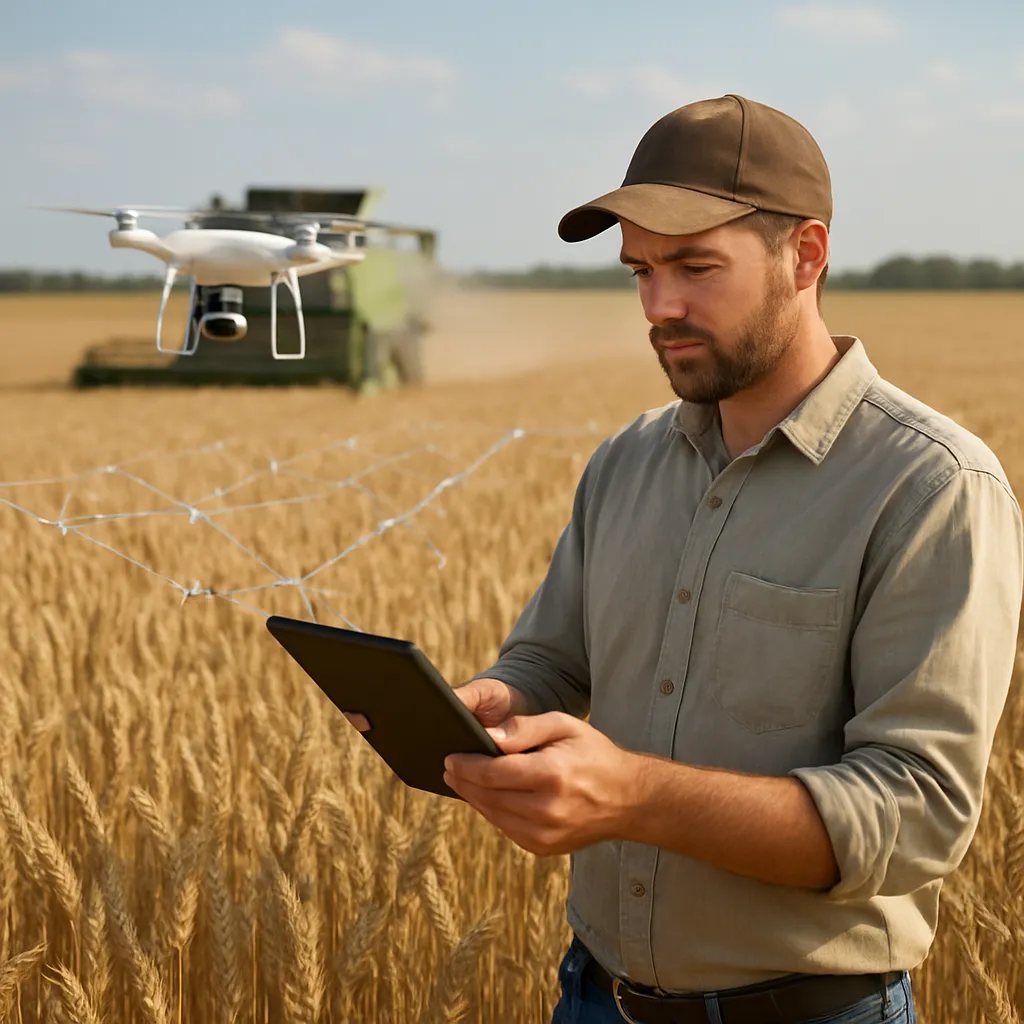
- Deploying field sensors or drones ahead of hailstorms to assess immediate damage.
- Deciding on in-field harvesting operations with minimal weather-induced downtime.
Combining these model outputs with on-the-ground observations, firms create a dynamic monitoring system that feeds into real-time risk assessments and machine learning algorithms for predictive analytics.
Integrating Weather Forecasts into Grain Market Strategies
An effective strategy begins with consolidating data from various meteorological sources into a unified analytics platform. Grain traders and portfolio managers then overlay these insights onto supply–demand models to refine price forecasts.
Crop Yield Estimation
Precise yield forecasting demands a layered approach:
- Satellite Imagery: Monitoring vegetation indices to track crop health.
- Soil Moisture Models: Assessing water availability and root-zone conditions.
- Thermal Analysis: Gauging stress from extreme heat or cold.
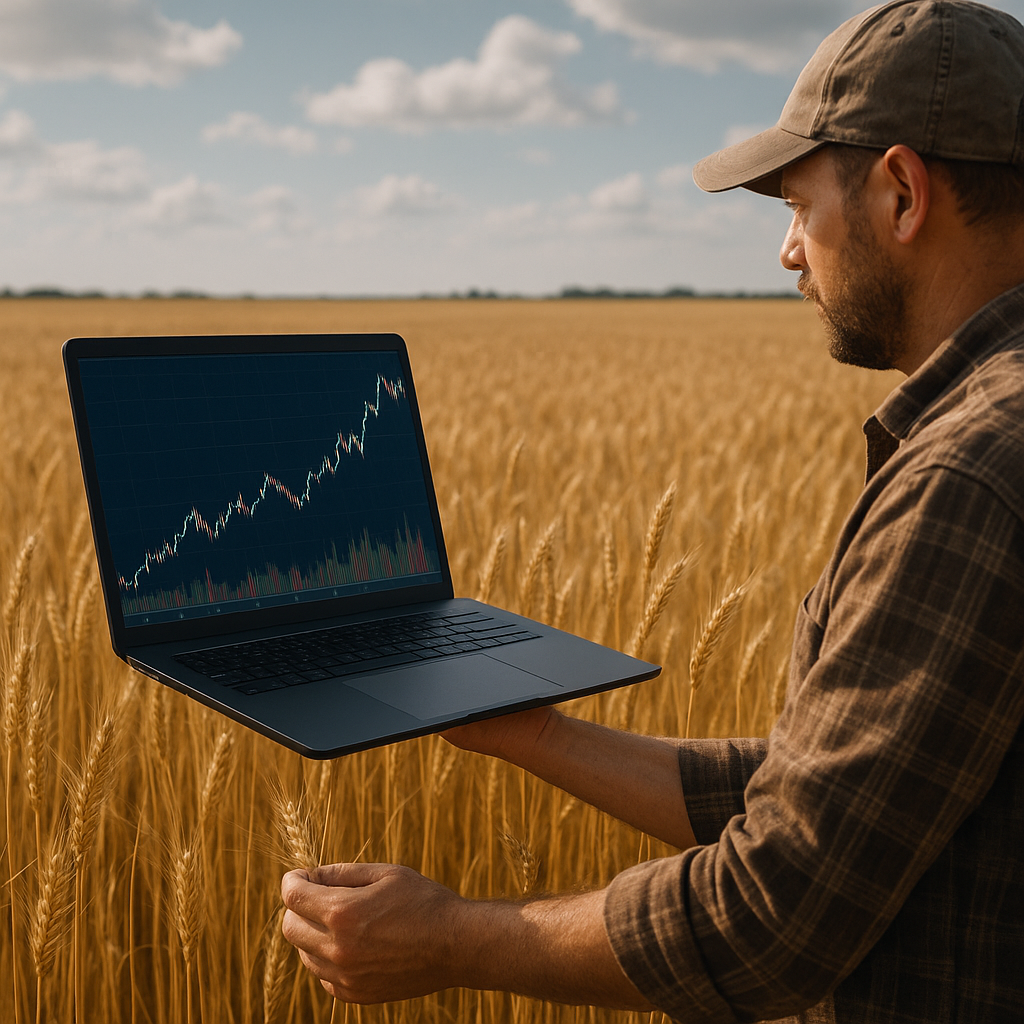
Integrating these elements yields more robust projections of harvest volumes, enabling traders to calibrate their positions on futures markets and structure options contracts effectively.
Hedging and Risk Management
Armed with weather-driven projections, risk managers can:
- Determine optimal strike prices for put and call options, aligning protection with anticipated weather scenarios.
- Establish dynamic collateral reserves that adjust to real-time forecasts of supply disruptions.
- Implement cross-commodity hedges, for instance, pairing corn and soybean positions when simultaneous yield threats emerge in the same region.
Supply Chain Optimization
Weather insights extend beyond the field to the entire value chain. Logistics coordinators use precipitation and temperature forecasts to:
- Plan rail and barge movements around flooding events on major rivers.
- Schedule grain elevator operations to avoid temperature-induced spoilage during storage.
- Adjust shipping routes proactively in response to tropical storms or winter storms, reducing demurrage costs.
This end-to-end approach ensures that grain moves efficiently from farm gates to end-users, minimizing disruptions and risk management expenses.
Future Directions: AI, Data Fusion, and Market Transparency
Next-generation forecasting platforms harness artificial intelligence to fuse disparate datasets—weather model outputs, soil sensors, market orders, and social media sentiment. The result is a powerful engine capable of generating near-instantaneous scenario analyses.
- Deep Learning Models – Training neural networks on decades of climate and commodity price data.
- Data Fusion Techniques – Merging radar, satellite, and station observations for enhanced model accuracy.
- Blockchain-based Transparency – Recording weather-sensitive contract triggers on immutable ledgers to streamline dispute resolution.
These innovations promise to elevate the precision of grain market forecasts while democratizing access to high-quality information. As weather extremes become more frequent, the synergy between meteorology and market analysis will remain indispensable for stakeholders aiming to navigate an increasingly complex global grain landscape.