




Building a robust strategy for the grain market demands a deep dive into the factors that drive price movements, from weather patterns to geopolitical tensions. Successful traders and producers rely on precise analysis of supply chains, evolving consumption trends, and macroeconomic indicators. By mastering these elements, stakeholders can enhance their decision-making process, capitalize on price swings, and safeguard returns against unexpected market shifts. This guide outlines a systematic approach to formulating a grain market strategy that balances opportunity with caution, leveraging both technical tools and sound risk-management principles to stay ahead in a fast-moving sector.
Understanding Market Fundamentals
At the core of any grain strategy lies the study of market fundamentals. These factors define the long-term trajectory of prices and create the backdrop against which short-term trade opportunities emerge.
Supply Dynamics
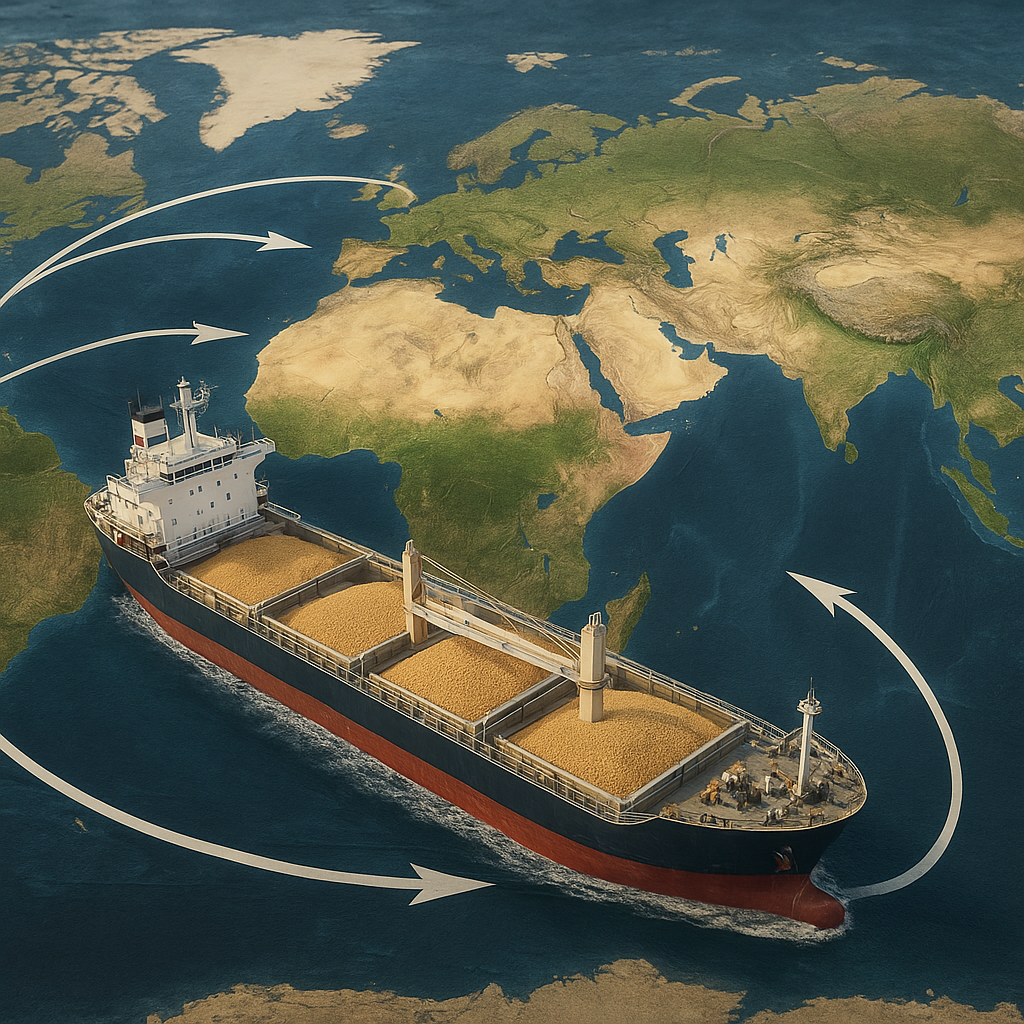
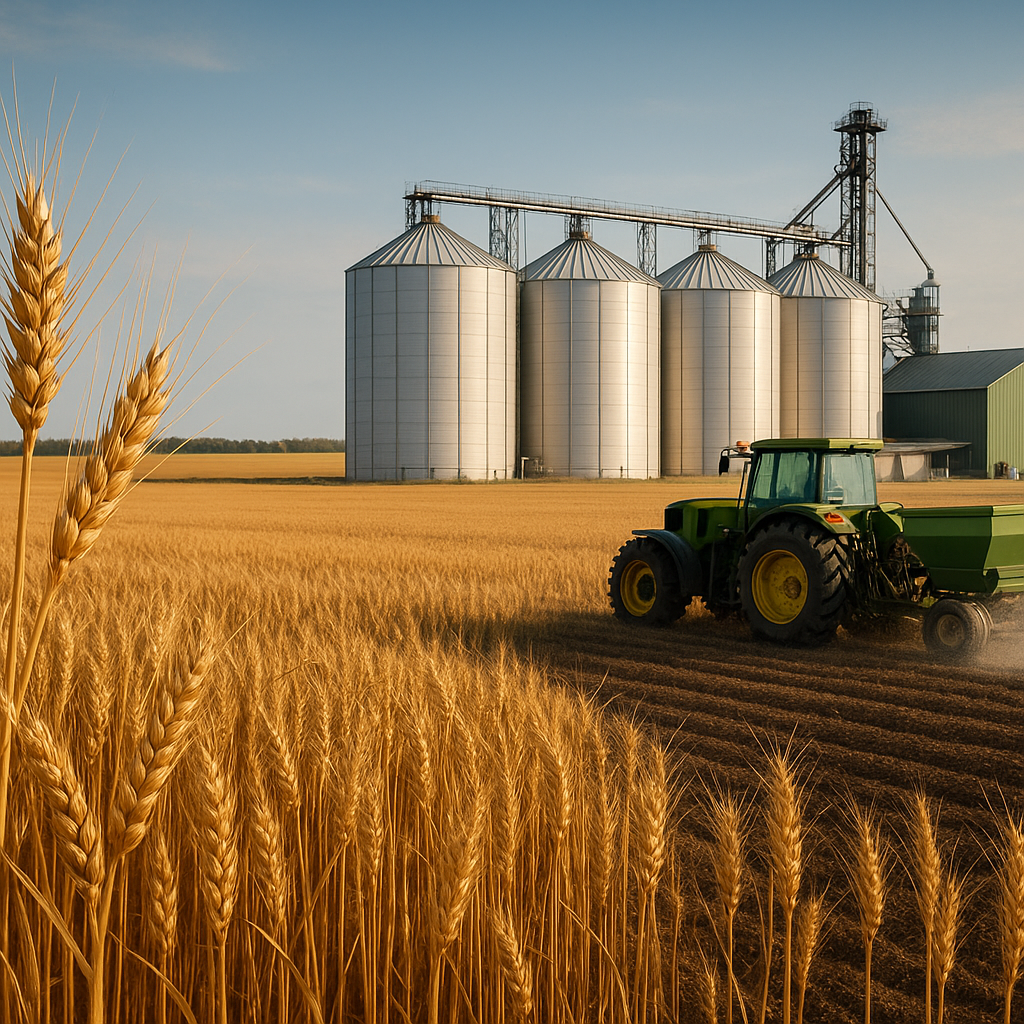
Global crop output varies under the influence of weather events, planting decisions, and input costs. Key regions such as the U.S. Midwest, Brazil, and the Black Sea zone dominate production of major commodities like wheat, corn, and soybeans. Tracking satellite data, planting reports, and fertilizer prices helps anticipate changes in supply levels. A sudden drought can tighten availability, driving prices upward, while record harvests may spur downward pressure.
Demand Drivers
Consumption trends in animal feed, biofuels, and human nutrition shape the outlook for demand. Population growth in emerging markets and policy support for ethanol blend mandates are among the critical influences. By analyzing import and export statistics alongside trade policies, strategists can forecast shifts in trade flows and spot emerging consumption hotspots.
- Livestock industry growth and feed conversion ratios
- Renewable energy targets and ethanol quotas
- Food security initiatives and strategic reserves
Technical and Seasonal Analysis
While fundamentals set the stage, technical tools provide precise entry and exit points for grain trades. Seasonality further refines timing, revealing predictable price cycles tied to planting and harvest calendars.
Chart Patterns and Indicators
Traders commonly use moving averages, Bollinger Bands, and RSI readings to gauge market momentum and overbought or oversold conditions. Identifying support and resistance levels on daily or weekly charts can uncover breakout opportunities during periods of heightened volatility. Combining volume data with price action offers insights into market conviction and potential reversals.
Seasonal Trends
Corn prices often peak in late spring when planting intentions come into focus, while wheat can rally in autumn as yields are assessed post-harvest. By overlaying historical seasonal patterns onto current price charts, strategists can anticipate recurring price swings and adjust positions accordingly.
Risk Management and Hedging
Effective grain strategies rest on the foundation of robust risk controls. Hedging via futures and options allows market participants to lock in prices, manage margin requirements, and mitigate downside exposure.
Futures Contracts
Using exchange-traded futures on platforms like CBOT or Euronext, producers can sell upcoming harvest output at known prices, while processors may buy protected quantities in advance. Proper contract sizing and roll-over timing are crucial to maintain coverage without incurring excessive carrying costs.
Option Strategies
Options offer tailored protection: producers often employ put spreads to set a minimum sale price while still retaining upside potential. Buyers can use call options to cap maximum purchase prices, guarding against price spikes. Understanding implied volatility and option Greeks helps in selecting optimal strike prices and maturities.
- Calendar spreads to capture time decay advantages
- Straddles for volatility plays during earnings or weather reports
- Risk reversals to align protection with directional bias
Developing an Actionable Strategy
Integrating insights from fundamental studies, technical readings, and risk-management tools yields a cohesive game plan. Diversifying across instruments, timeframes, and market segments can reduce reliance on any single factor.
Portfolio Diversification
Allocating capital to multiple grain markets—such as corn, wheat, and soybeans—improves resilience. Spreading positions between cash, futures, and options helps balance liquidity needs and profit potential. Including related assets like ETF products or managed accounts further broadens exposure.
Performance Monitoring
Regularly reviewing P&L statements and position reports ensures alignment with strategic objectives. Key performance indicators might include win rate, average profit per trade, and drawdown limits. Adapting stop-loss levels and profit targets prevents small losses from ballooning and locks in gains as markets move favorably.
Continuous Improvement
Backtesting new setups against historical data refines entry rules and position-sizing models. Maintaining a trading journal—documenting the rationale behind each decision—facilitates learning from mistakes. Periodic strategy audits ensure the approach remains relevant amid evolving market structures and regulatory changes.
- Set clear objectives and risk thresholds
- Automate alerts for key price levels and news triggers
- Review trade outcomes and eliminate underperforming tactics