

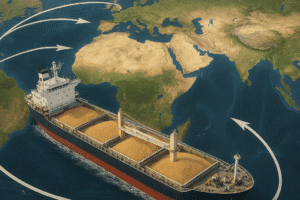
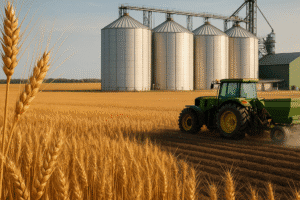

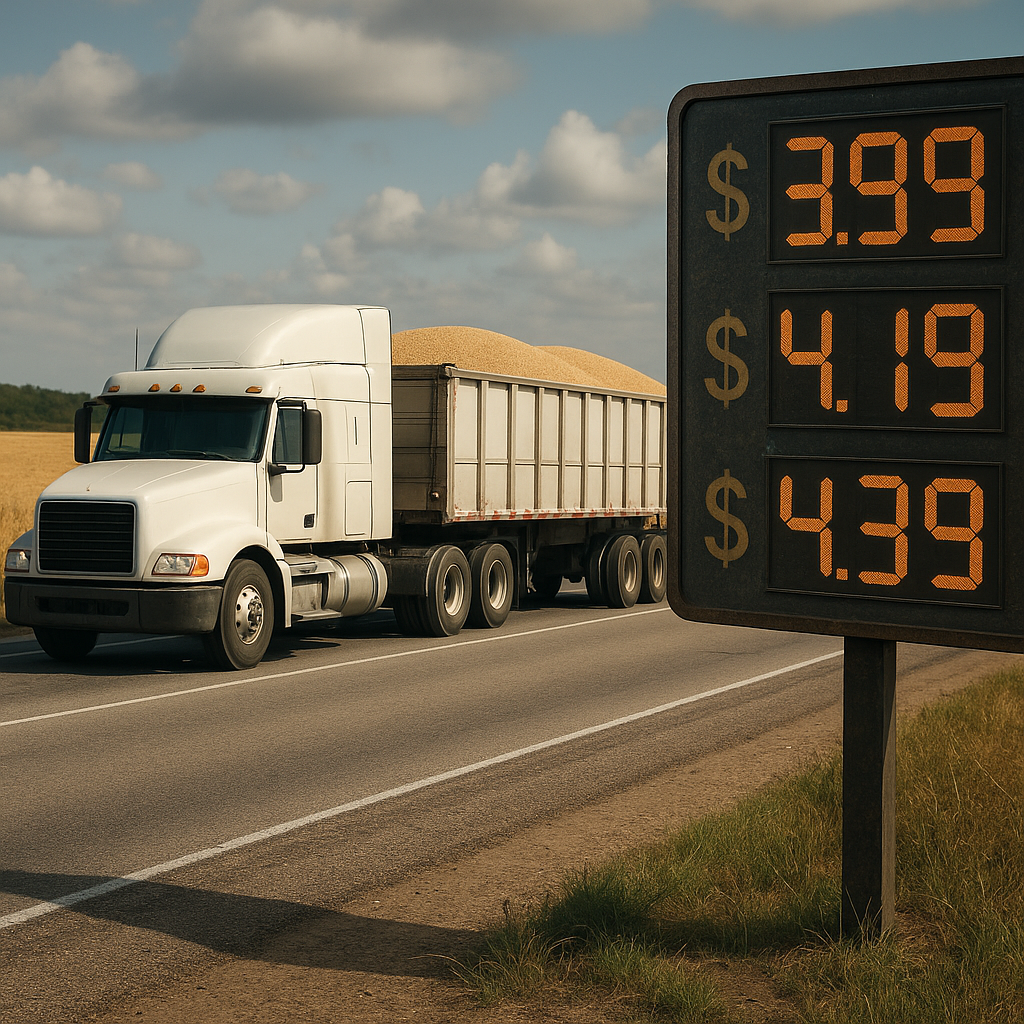
The global grain supply chain faces unprecedented challenges as the relentless ascent of fuel prices drives up transport costs across multiple modes of conveyance. From large-scale ocean freighters to small regional trucks, the industry’s logistics network must absorb fluctuating energy expenses, reshaping decisions on sourcing, routing and storage. Grain producers, traders and end consumers all feel the pressure of mounting shipping rates, which ripple through pricing models and alter competitive advantages. This article delves into the mechanics of grain transport, explores key vulnerabilities in the system, and highlights strategies to preserve profitability and resilience in the face of sustained cost increases.
Understanding the Anatomy of Grain Transport Expenses
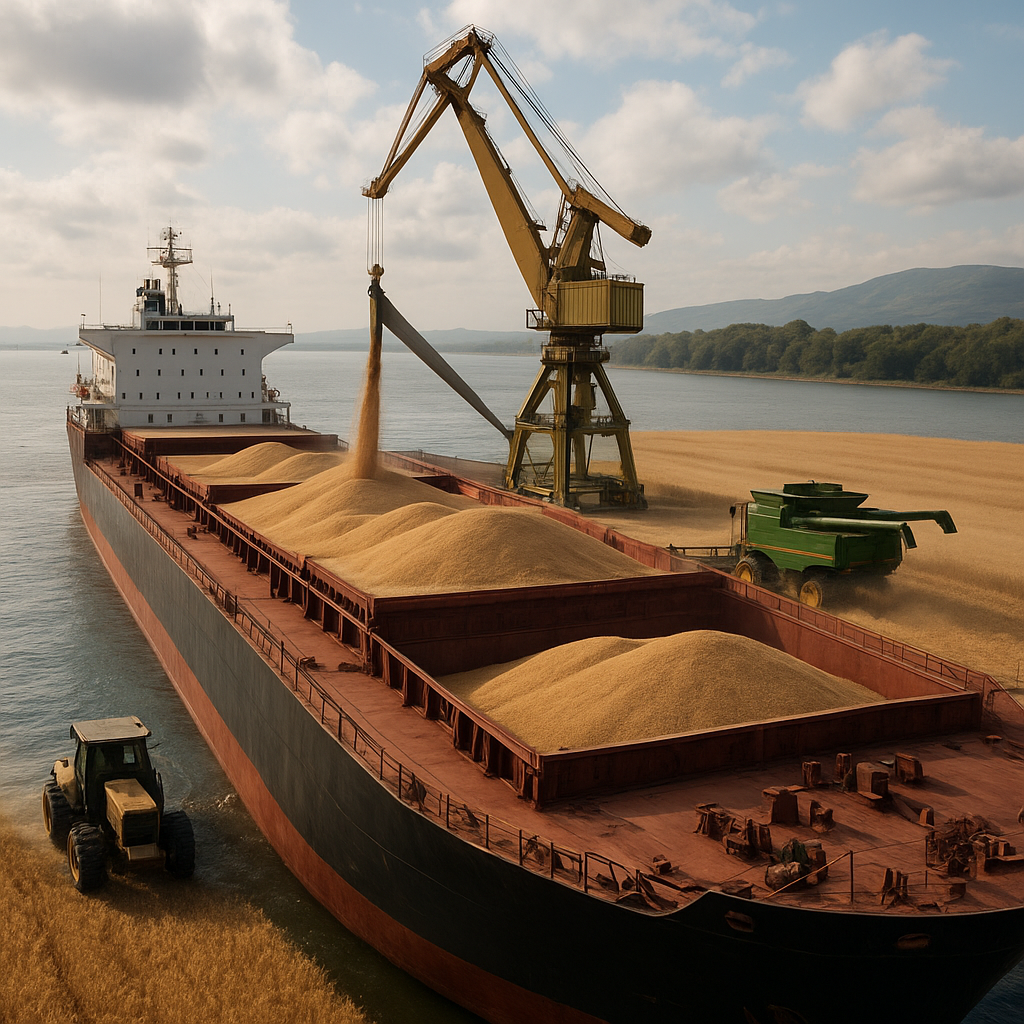
Before examining the influence of fuel price surges, it’s essential to unpack the fundamental components that constitute grain transport expenses. While infrastructure fees, labor costs and handling charges are fixed to varying degrees, the variable cost of fuel often represents a major percentage of total expenses. Carriers use diesel for over-the-road trucking, bunker fuel for maritime shipping and bunker-grade mixes for rail locomotives, each subject to distinct global supply and demand dynamics.
- Fuel surcharges: As crude oil prices climb, carriers typically add surcharges to base shipping rates, passing volatility directly onto shippers.
- Route optimization: Longer distances and detours increase diesel consumption, impacting cost per ton-mile.
- Mode selection: Rail and water transport offer economies of scale but rely on adequate port and railhead infrastructure.
- Idle time and delays: Congestion at bulk terminals raises idling fuel burn, driving ancillary costs upward.
Each of these factors amplifies when volatility grips energy markets, necessitating agile planning and dynamic pricing adjustments throughout the grain chain.
Chapter 1: The Ripple Effect on Grain Producers and Traders
Higher transport outlays squeeze producer margins and eventually alter contract structures for commodity traders. Farmers traditionally negotiate basis differentials and forward contracts with grain elevators, but escalating haul rates force local buyers to widen the basis, leaving growers with narrower spreads between their selling price and futures benchmarks.
Impacts on Crop Planning
Anticipating steeper shipping fees, producers may shift acreage toward crops with lower perishability or closer proximity to mills and ports. Corn and wheat growers in remote regions find it increasingly challenging to secure competitive pricing, driving consolidation of grain into fewer, larger offloading points. This geographic realignment can lead to:
- Intensified use of storage facilities to await more favorable transport rates.
- Collaborative aggregations among cooperatives to negotiate bulk haulage contracts.
- Investment in on-farm drying and handling equipment to reduce reliance on distant elevators.
Trader Hedging Strategies
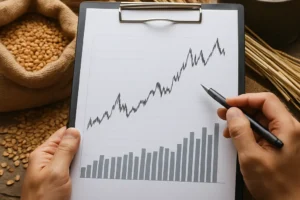
Commodity trading houses employ sophisticated hedging instruments to insulate profit margins from erratic shipping costs. By locking in freight futures or entering forward fuel purchase agreements, traders mitigate exposure to sudden volatility. However, these financial tools carry basis risk and collateral requirements that can strain cash flows when market swings persist.
Chapter 2: Consumer Price Dynamics and Market Access
End users rely on competitively priced grain for animal feed, food processing and biofuel production. When transport expenses escalate, up to 20% of total delivered cost can be attributable to logistics. This figure becomes even more pronounced in regions where infrastructure deficiencies compel reliance on less efficient road transport.
Inflationary Pressures
As bulk shipping rates climb, millers and feedlots pass incremental costs into retail food prices and livestock production budgets. The result is higher consumer prices for staple goods like flour, bread and poultry. Governments may respond with subsidies or tariff adjustments to maintain affordability, but these interventions often distort trade flows and disrupt global supply balances.
Barriers to Emerging Markets
Developing nations that depend on grain imports face tighter access when freight costs rise. Smaller port facilities struggle with the economies of scale needed for large bulk carriers, leading to higher insurance premiums and unattractive berth fees. In turn, local buyers may seek alternative sources or engage in short-term spot purchases at previously unaffordable rates, exacerbating price swings and supply insecurities.
Chapter 3: Infrastructure Bottlenecks and Environmental Concerns
The interplay between surging fuel expenses and infrastructure limitations intensifies operational challenges. Aging rail lines, congested ports and under-maintained highways compound inefficiencies, pushing shippers to adopt stopgap measures that often increase their carbon footprint.
Investing in Multimodal Hubs
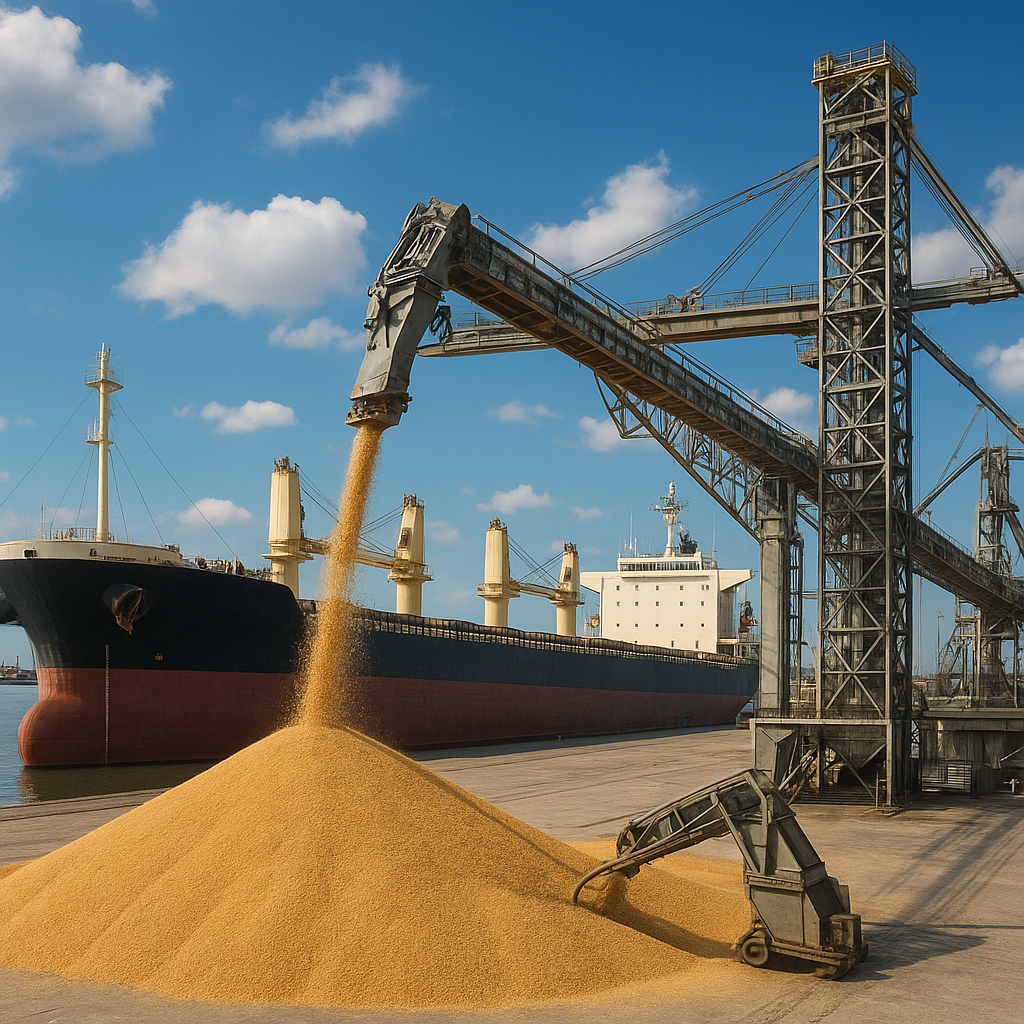
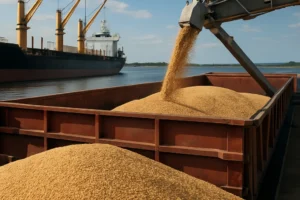
To counter rising transport costs, major grain exporters are channeling capital into integrated logistics hubs that streamline rail-to-vessel transfers. Expanded storage silos, improved conveyor systems and deeper berths allow ships to load faster, reducing idle-time fuel consumption. These investments demand significant upfront outlays but promise long-term improvements in efficiency and cost containment.
Sustainability Trade-offs
Although alternative fuels like biodiesel and LNG offer lower emissions, they currently account for only a fraction of the maritime and truck transport market. Retrofitting fleets and vessels for these cleaner options presents technical hurdles and regulatory compliance costs, creating a tension between short-term price pressures and long-term sustainability goals. Shippers increasingly evaluate carbon footprints as part of tender processes, raising the stakes for carriers to innovate.
Chapter 4: Adaptive Strategies for a Volatile Future
With no quick cure for global energy price fluctuations, stakeholders across the grain chain are deploying a variety of measures to temper the impact of higher transportation outlays.
- Collaborative route planning: Shared logistics platforms enable multiple shippers to consolidate loads, optimizing truck fill rates and railcar occupancy.
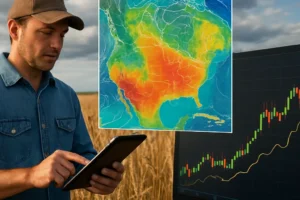
- Dynamic pricing models: Real-time fuel price indices feed into automated tariff adjustments, enhancing transparency and speed of contract renegotiations.
- On-farm storage expansion: Deferred shipments allow producers to capitalize on seasonal rate dips and spread costs over longer periods.
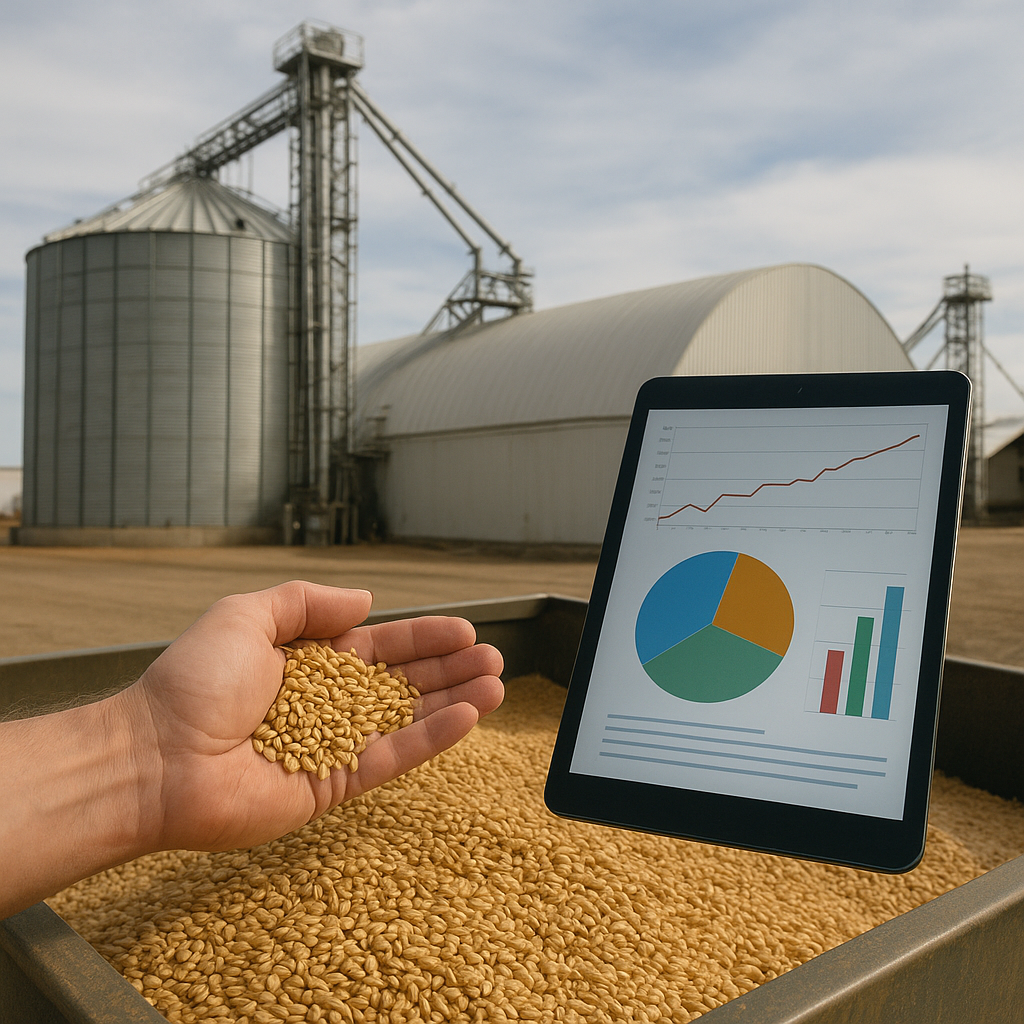
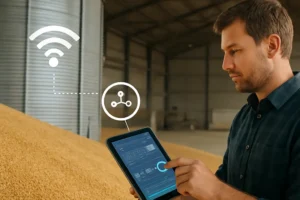
- Digital freight management: IoT sensors and AI-driven forecasting tools predict delays and suggest alternative corridors to minimize idle fuel burn.
By embracing these innovations, the grain sector can bolster its resilience, maintaining reliable supplies and safeguarding margins even as energy markets remain in flux.