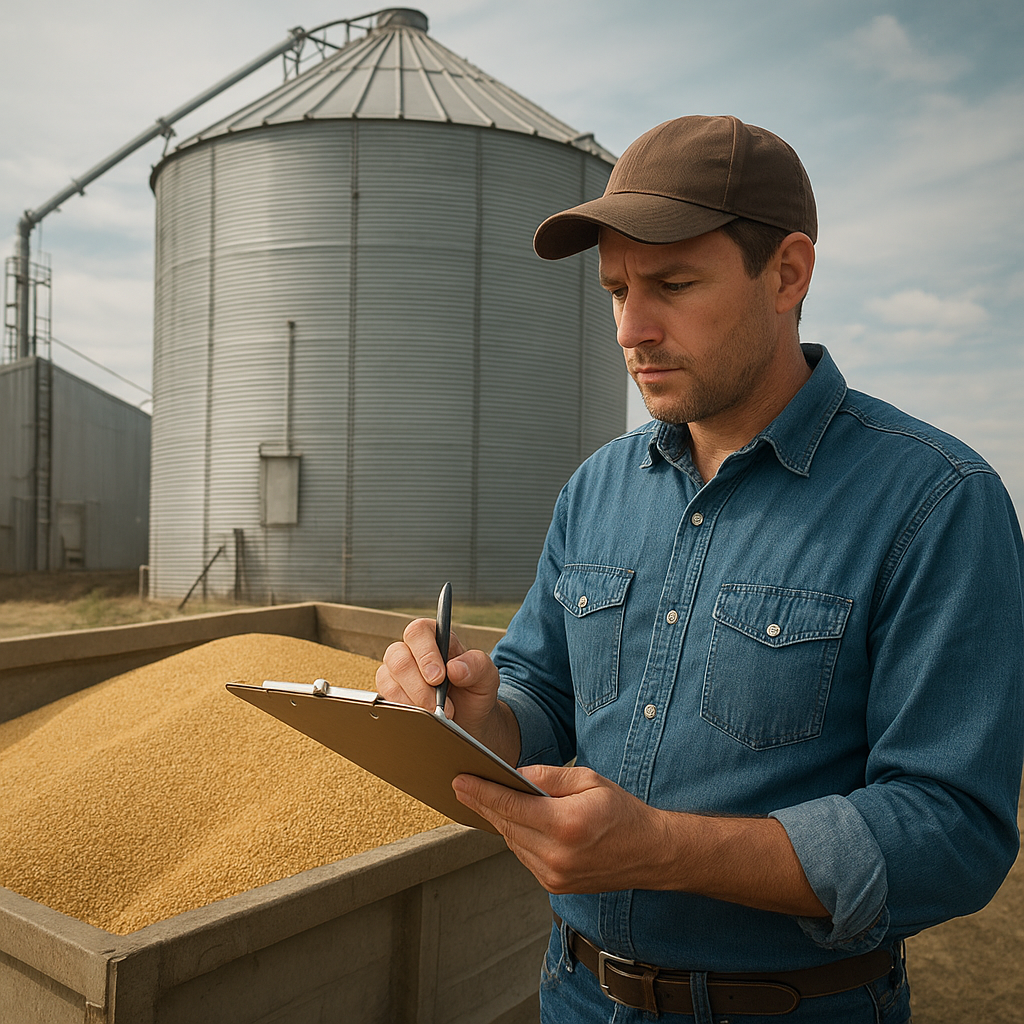

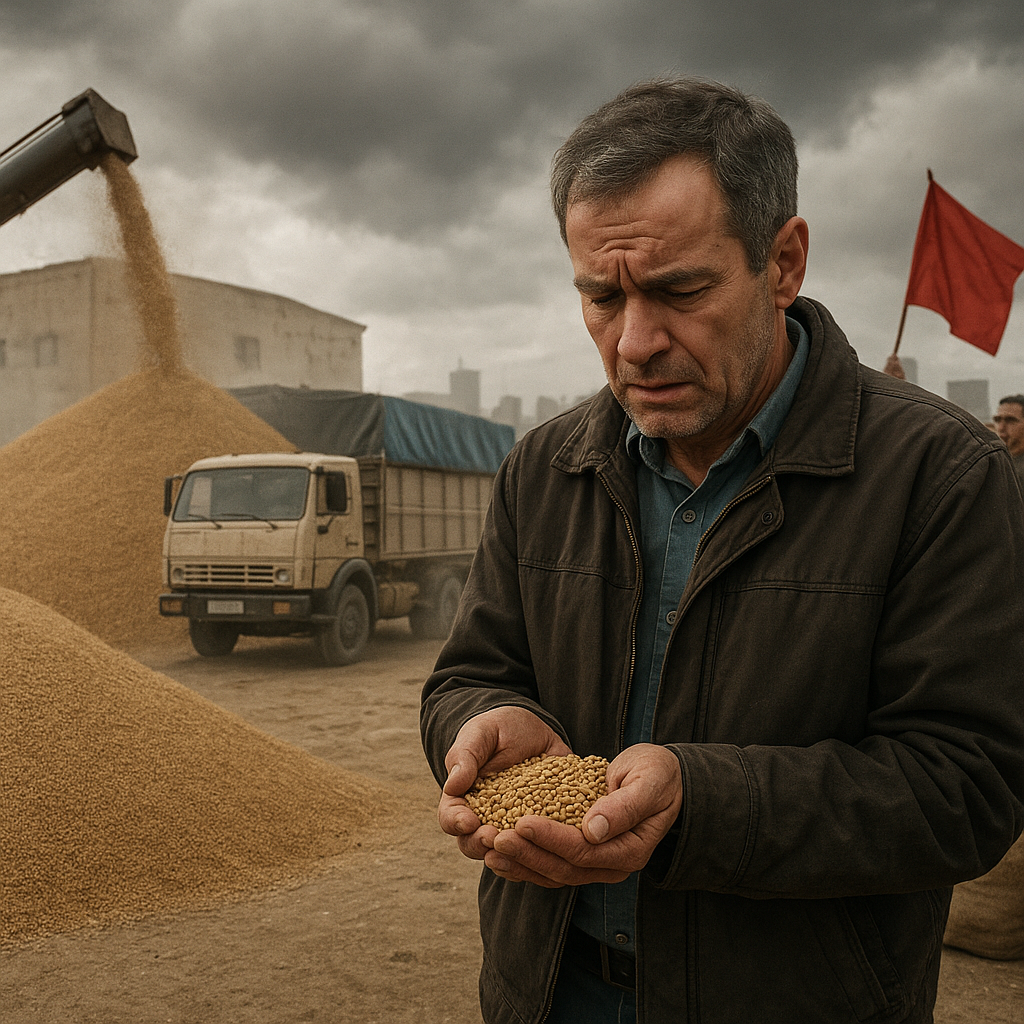
The global grain industry has long been a cornerstone of food security, economic growth, and international trade. When political turmoil erupts in major producing or transit countries, its ripple effects threaten not only local harvests but also the balance of supply and demand across continents. Understanding how unrest, policy shifts, and armed conflicts reshape the grain market is essential for governments, traders, and consumers alike. This article explores the genesis of political instability, its direct impact on grain flows, and the strategies stakeholders employ to safeguard their interests under uncertain conditions.
Origins of Political Instability in Key Grain-Producing Regions
Instability often arises from a complex interplay of historical grievances, socioeconomic disparities, and geostrategic tensions. In many developing nations, large-scale agriculture is controlled by a small elite, leaving rural populations vulnerable to land grabs and unjust labor practices. Such inequities can spark protests, strikes, or even full-blown rebellions.
Geopolitical rivalries also play a prominent role. Competing powers may impose sanctions or restrict investment to weaken adversaries, inadvertently destabilizing local markets. When aid or foreign capital abruptly dries up, governments scrambling to fill budget gaps may resort to abrupt policy changes, fueling further unrest.
- Resource scarcity: Competition for water and arable land intensifies when climate variability reduces yields.
- Institutional fragility: Weak legal systems and inadequate governance make sudden expropriations or regime changes more likely.
- External interference: Proxy conflicts and covert operations can magnify internal divisions and provoke violence.
These factors often converge in major grain belts, transforming once-predictable harvest cycles into potential flashpoints for conflict.
Effects on Supply Chains and Market Dynamics
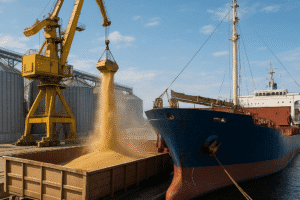
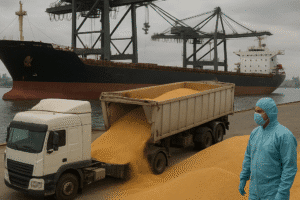
Political instability has immediate repercussions on every link of the grain value chain, from planting decisions to retail prices. Port closures, damaged rail lines, and roadblocks can create severe logistical bottlenecks. When transport corridors are blocked, exporters scramble to find alternative routes, often at a premium.
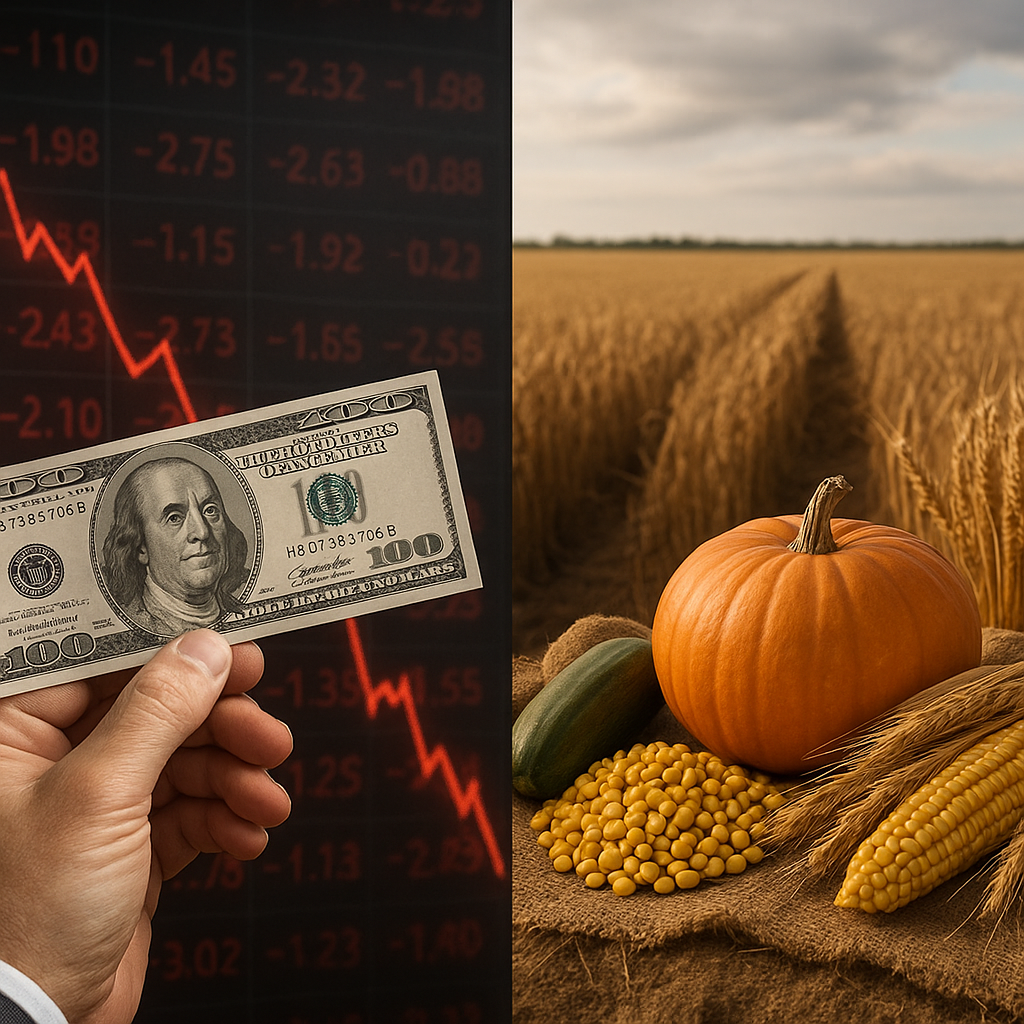
Markets respond swiftly to such disruptions. Freight rates soar, reflecting higher insurance costs and security surcharges. Speculators react to news of unrest by placing bets on future price moves, amplifying short-term volatility. Consumers in importing countries then face sharply inflated grocery bills as grain costs filter through the food processing and retail sectors.
Sudden policy shifts—such as export bans or emergency tariffs—exacerbate uncertainty. While governments may impose restrictions to stabilize domestic consumer prices, these measures often backfire by eroding trust among international buyers and encouraging hoarding behaviors.
The Role of Transit Nations
Countries that serve as transit hubs can become unwitting victims of regional unrest. A dispute in one state may lead to the closure of rail links that several grain exporters rely on. As a result, shipments are rerouted through longer routes, increasing both lead times and costs. In extreme cases, exporters might halt operations entirely until conditions improve.
Adjusting to Uncertainty: Risk Management and Diversification Strategies
To navigate this volatile landscape, grain traders and agribusinesses adopt a variety of measures aimed at reducing exposure to geopolitical shocks. One common approach is building strategic reserves in multiple locations, thereby spreading stockpiles across political zones with varying risk profiles.
- Alternative sourcing: By contracting with growers in several regions, buyers diminish dependence on any single country’s output.
- Forward contracting: Locking in supply agreements months in advance can shield stakeholders from sudden price spikes.
- Insurance products: Specialized coverage against war, civil unrest, and expropriation helps limit potential losses.
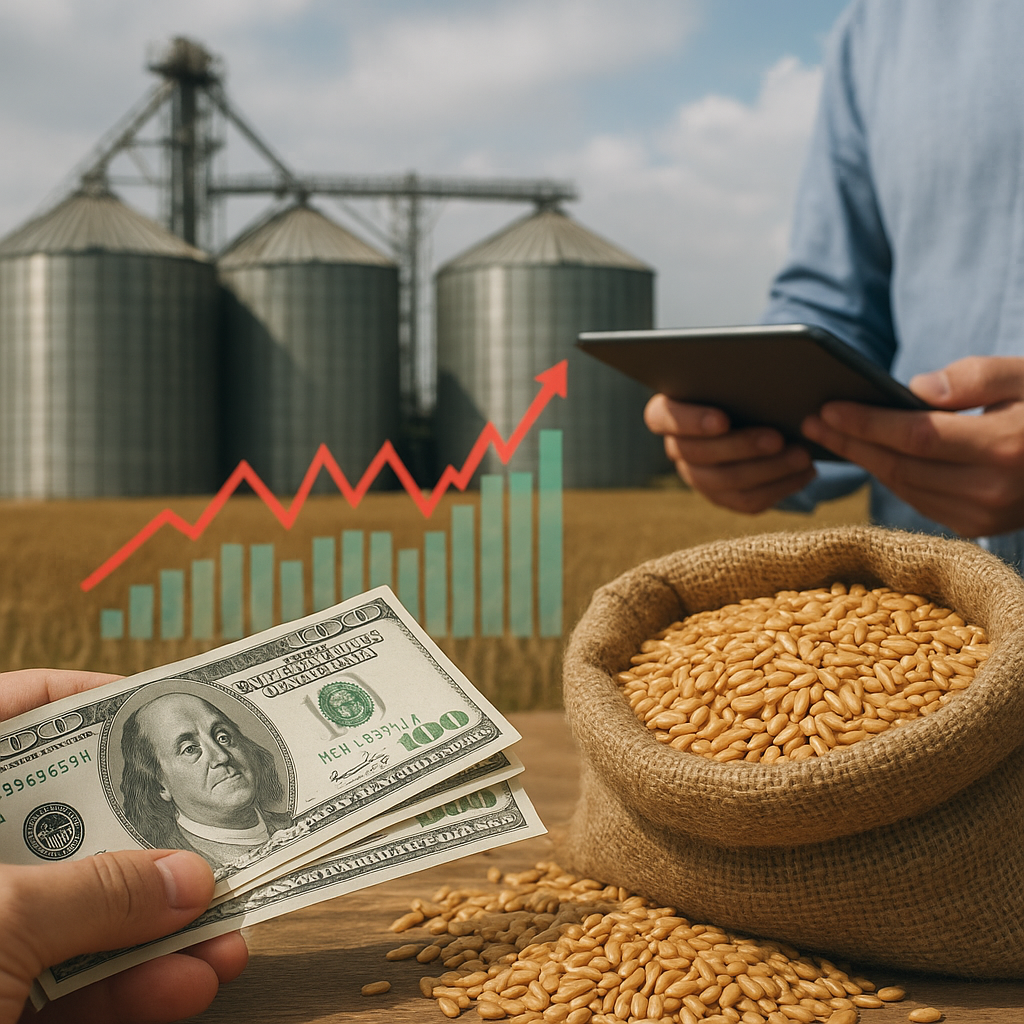
- Hedging with futures: Using commodity exchanges to hedge positions can cap risk exposure to dramatic market swings.
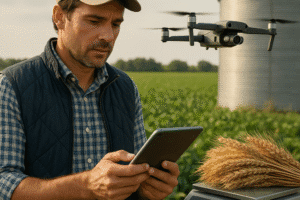
Moreover, traders increasingly leverage advanced analytics and real-time monitoring tools. Satellite imagery, for instance, offers near–daily updates on crop health, enabling early detection of potential yield shortfalls due to conflict or disruption of inputs like fertilizer.
At the policy level, multilateral frameworks and trade agreements promote resilience by ensuring alternate transit routes and mutually agreed dispute resolution mechanisms. Exporters and importers under such treaties benefit from predefined protocols that curtail arbitrary export restrictions during crises.
Case Studies of Disruption
Historical events illustrate the profound consequences of political turmoil on grain markets. In the early 2010s, a series of border clashes in a major Black Sea grain exporter led to the seizure of port facilities. Thousands of tons of wheat and barley were stranded, triggering a spike in global prices and prompting emergency stock releases from grain-importing governments.
Another notable example came from a West African country where coup d’état disrupted planting season logistics. Fertilizer deliveries were delayed by weeks, ultimately reducing crop yields by over 20 percent. Neighbors dependent on imports from that nation scrambled to secure cargoes from alternative suppliers, driving up international demand for maize and rice.
- Political transitions in South America have occasionally led to abrupt changes in agricultural subsidies, generating importers’ concerns about price stability.
- Maritime blockades in Southeast Asia have forced rerouting of grain shipments around longer sea lanes, increasing transit times by days or weeks.
- Regional trade wars in Eastern Europe resulted in retaliatory levies that hindered small-scale traders, reducing market access for vulnerable farming communities.
Looking Ahead: Building a More Resilient Grain Market
As global demand for cereals and oilseeds continues to rise, stakeholders must prioritize resilience and adaptability. Enhanced cooperation between exporting and importing countries, investment in infrastructure redundancy, and adoption of digital tracking systems will be pivotal. Developing local milling capacity in consumption centers can also reduce dependence on long-distance shipping.
Ultimately, mitigating the risks posed by political instability requires a blend of strategic foresight and flexible operational planning. By embracing diversification, robust risk management practices, and coordinated policy responses, the grain industry can better withstand the shocks that arise when geopolitics and food security collide.